 2 min
Starlink Mobile gets more spectrum: what SpaceX's phone network could mean for Tesla's connected cars
The FCC approved another spectrum purchase for SpaceX's direct-to-phone network. Here is what Starlink Mobile is, when it is due, and why Tesla owners might care.
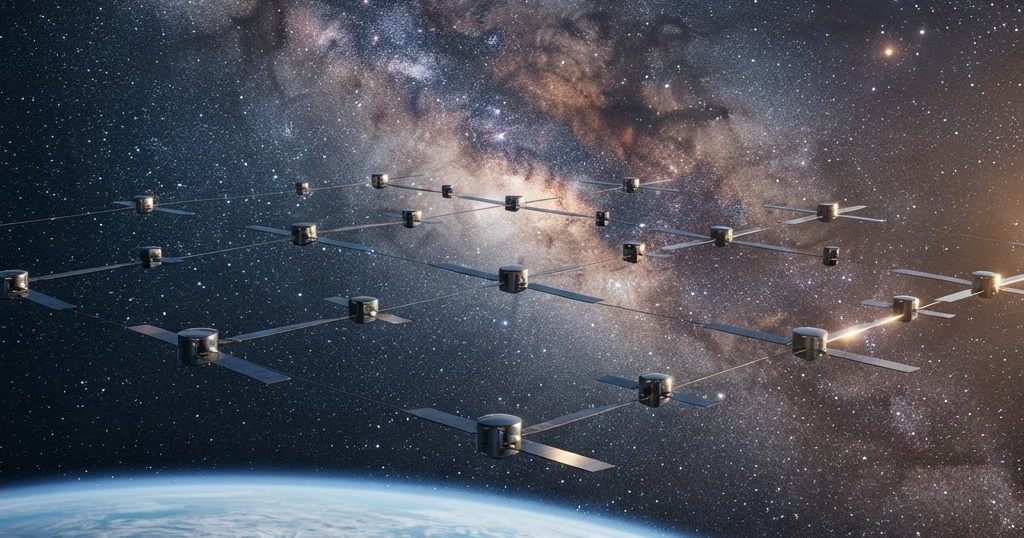
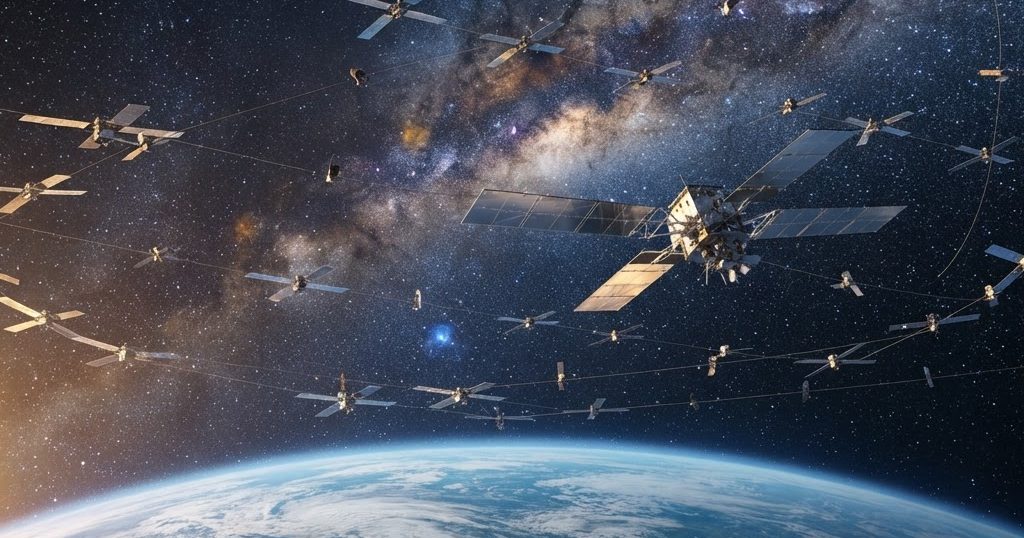
SpaceX wants Starlink to become a mobile network, not just home internet. On October 21, 2026, the US regulator FCC approved another step: SpaceX may buy three unused licenses that add 15 MHz of spectrum for its next-generation direct-to-phone service. For Tesla owners, the interesting question is whether cars could one day use that network too.
What the FCC approved
- The deal: a SpaceX subsidiary buys a company holding three AWS-3 licenses in the 1695 to 1710 MHz band.
- Use: the band is uplink only, carrying signals from phones up to satellites.
- Reach: the licenses cover 62 counties in eight states, about 4% of the US population.
- Conditions: SpaceX must meet satellite build-out targets at two, four and nine years after November 30, 2027.
The price was not disclosed. Earlier this month the FCC also approved up to 15,000 next-generation direct-to-cell satellites.
The bigger plan
In 2025, SpaceX agreed to pay about $19.6 billion for 65 MHz of spectrum from EchoStar, and in October 2026 it agreed to buy 800 MHz spectrum from Grain Management for about $8 billion, pending approval. On its first call as a listed company in August, SpaceX president Gwynne Shotwell said the goal is a true mobile service that wins customers from Verizon, AT&T and T-Mobile, partly using cheap ground stations connected through Starlink. The next-generation satellites are planned for 2027, with a much faster service targeted by the end of that year. Today, SpaceX's direct-to-cell network mainly powers T-Mobile's satellite texting.
What it could mean for Tesla
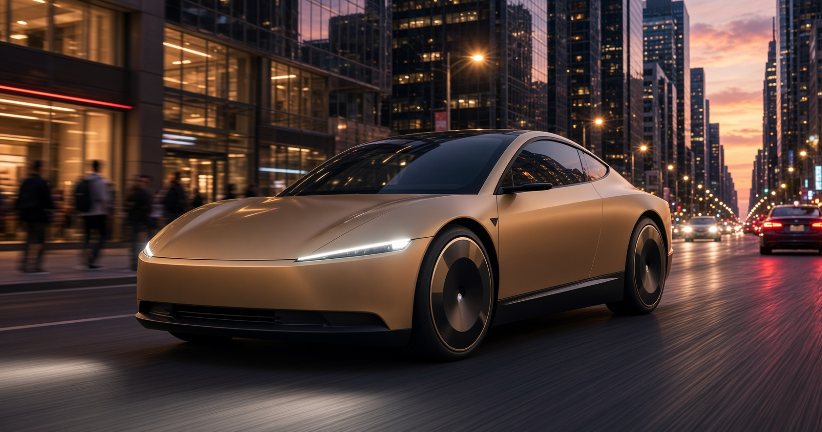
Tesla cars currently rely on regular carriers; in the US, Premium Connectivity runs on AT&T. Musk has said Tesla vehicles would eventually use Starlink's direct-to-cell technology. A few things are worth separating:
- What exists: remote Superchargers often use Starlink for Wi-Fi, and the Cybercab has a built-in Starlink antenna next to 5G.
- What is plausible: satellite coverage for navigation, emergency calls and robotaxi fleet management in areas without mobile signal.
- What is unknown: whether existing car modems could use the network, what it would cost, and whether Tesla wants to switch away from current carriers at all.
Current direct-to-cell capacity is enough for texts and light data, not for streaming or large map downloads, so for now it would at most complement regular networks.
What to watch
The launch of next-generation direct-to-cell satellites in 2027, whether Starlink Mobile signs a deal with a big carrier, and any Tesla announcement about satellite connectivity in its cars.