 2 min
SpaceX's Q3 2026 results: revenue nearly triples and a $4.4 billion profit, a day before Tesla
SpaceX reported its second quarter as a listed company just before Tesla's results. The key numbers, what drove them, and why they matter for the Tesla-SpaceX merger debate.
One day before Tesla presented its third-quarter results, SpaceX did the same. For Tesla shareholders the comparison was hard to miss: the rocket and satellite company now reports faster growth and a bigger quarterly profit than the carmaker, and the two companies are formally studying a merger.
The key numbers
- Revenue: $14.6 billion, up from $5.6 billion a year earlier. Analysts had expected about $12.7 billion.
- Net result: a profit of $4.4 billion, after a loss of $1.1 billion a year earlier and a loss of $541 million in the second quarter.
- Adjusted EBITDA: $8.8 billion.
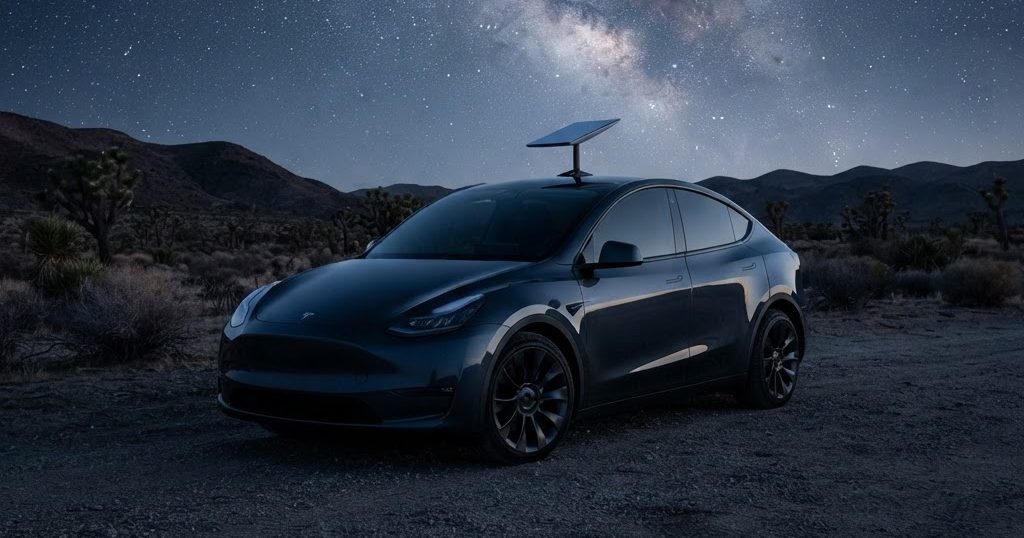
- Connectivity (Starlink): revenue up 69% year on year.
- Super Intelligence (AI, formerly xAI): about $6.7 billion of extra revenue compared with a year earlier, from cloud contracts, the Cursor deal and Grok products.
Rockets and satellites
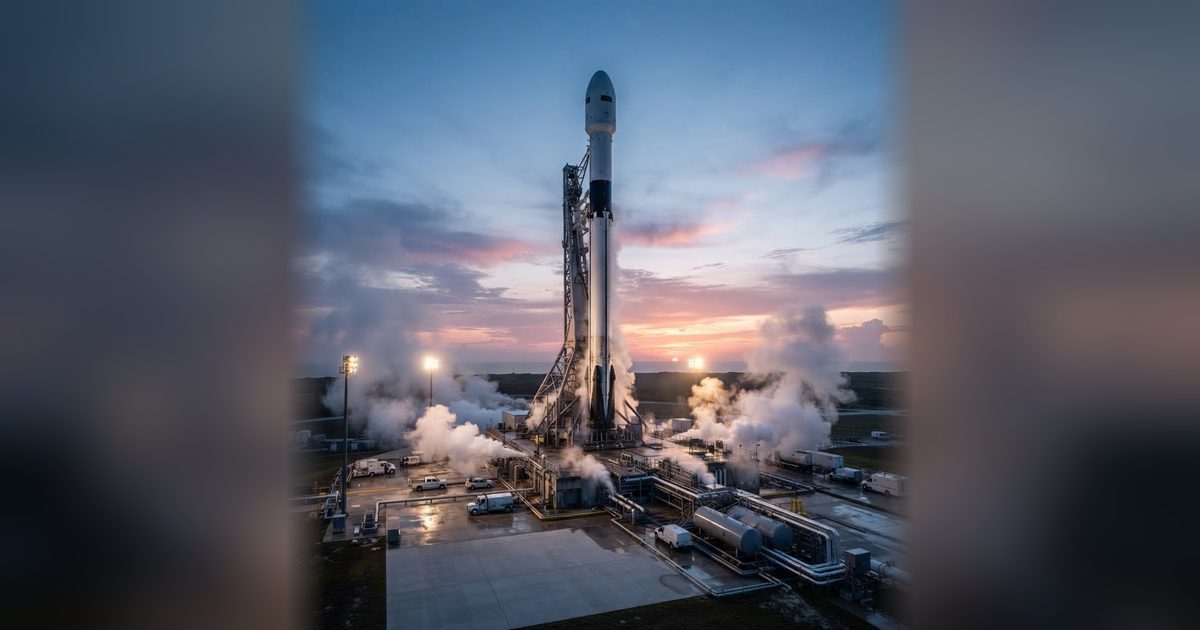
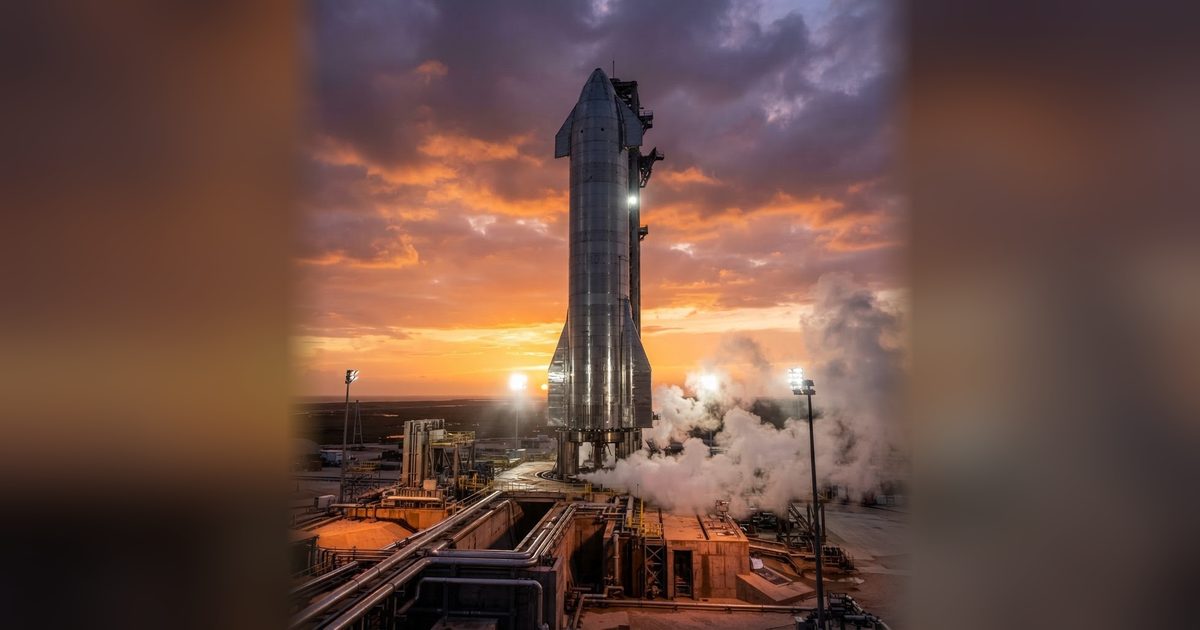
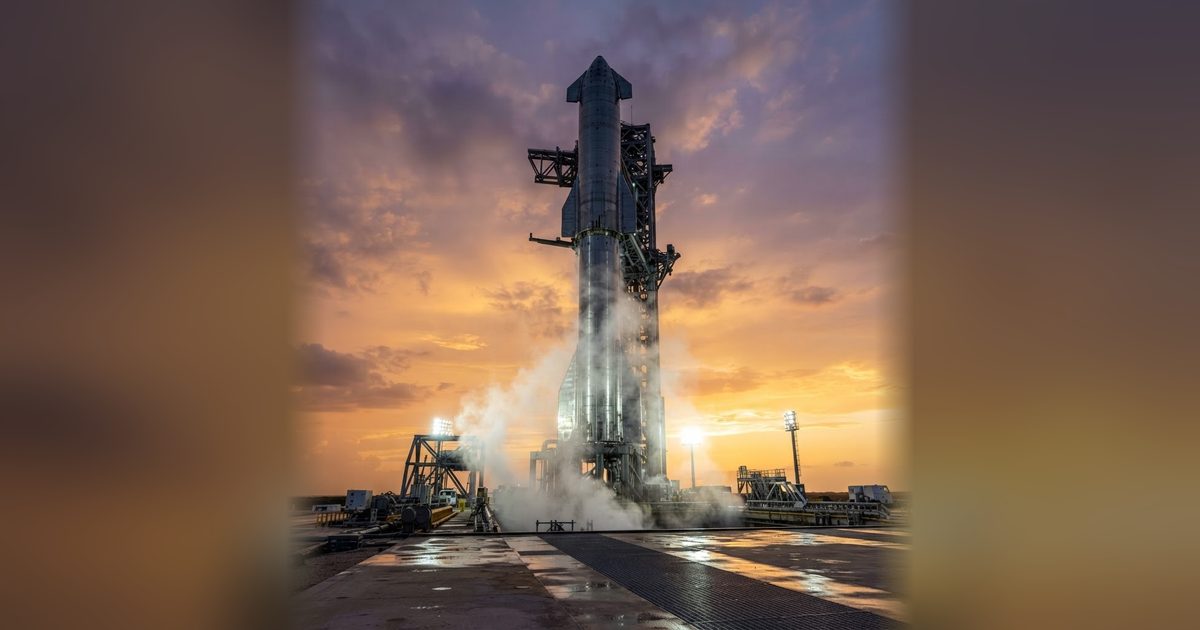
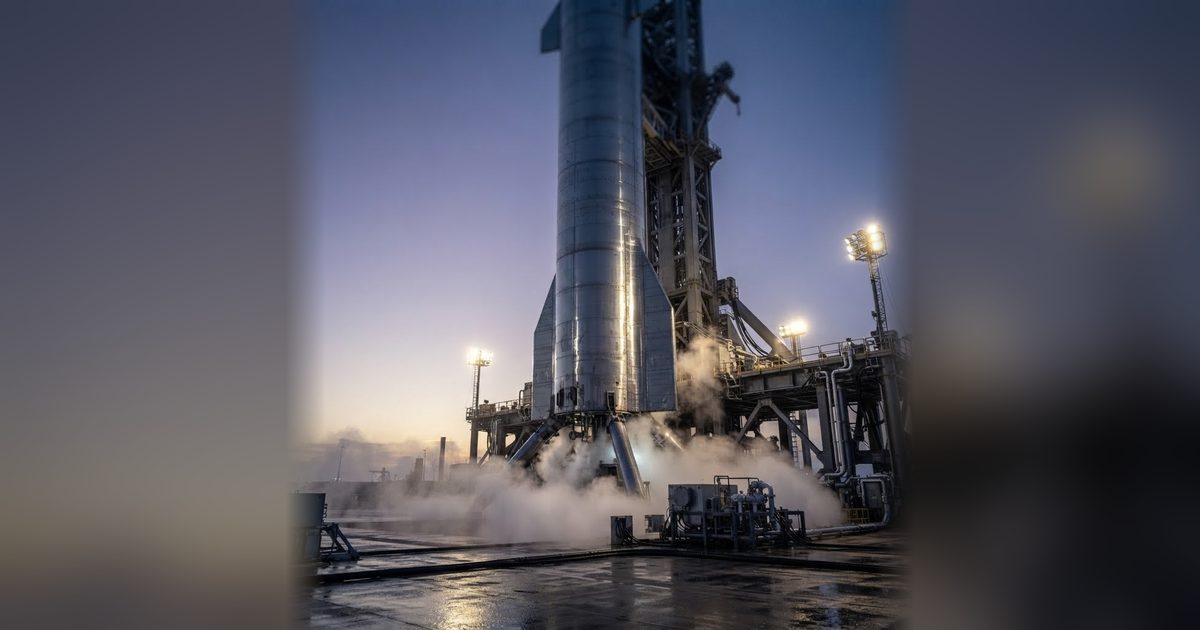
Musk said SpaceX will try to catch both the Super Heavy booster and the Starship upper stage on Flight 15. On Flight 14, Starship released the first 26 third-generation Starlink satellites. Starlink ended September with 13.6 million subscribers in 174 countries.
Why Tesla shareholders watch this
This week, Tesla and SpaceX set up special committees to study a possible combination. Barclays has suggested a deal could be announced before Tesla's shareholder meeting on December 3, with SpaceX the more likely buyer, though neither company has committed to anything. Strong SpaceX results matter for any merger because they shape the share-exchange ratio: the more SpaceX is worth relative to Tesla, the smaller the slice Tesla shareholders would get in a combined company.
There are also direct business ties. SpaceX's AI division buys Tesla Megapacks for its data centres, SpaceX bought Cybertrucks, and Tesla holds a small SpaceX stake from its converted xAI investment.
The other side of the coin
Much of SpaceX's growth comes from AI, and so does much of its spending. Before the results, Evercore ISI estimated SpaceX's capital spending could reach about $151 billion in 2027. SpaceX shares closed at $146.03 before the results, above the $135 IPO price but well below their peak after the June listing. Musk's targets for AI revenue in 2027 are ambitions, not reported numbers.
What to watch
The Flight 15 catch attempt, the rollout of Grok Bot to business customers, and above all whether the merger committees come back with a proposal. For Tesla, that decision would be far more consequential than any single quarter.
This article is for information only and is not financial advice.