 2 min
Starlink reaches 13.6 million subscribers: the Q3 numbers and the V3 satellites that come next
SpaceX's latest results show Starlink growing fast and preparing a much bigger third-generation network. What that means for cars, including Teslas, that may one day connect by satellite.
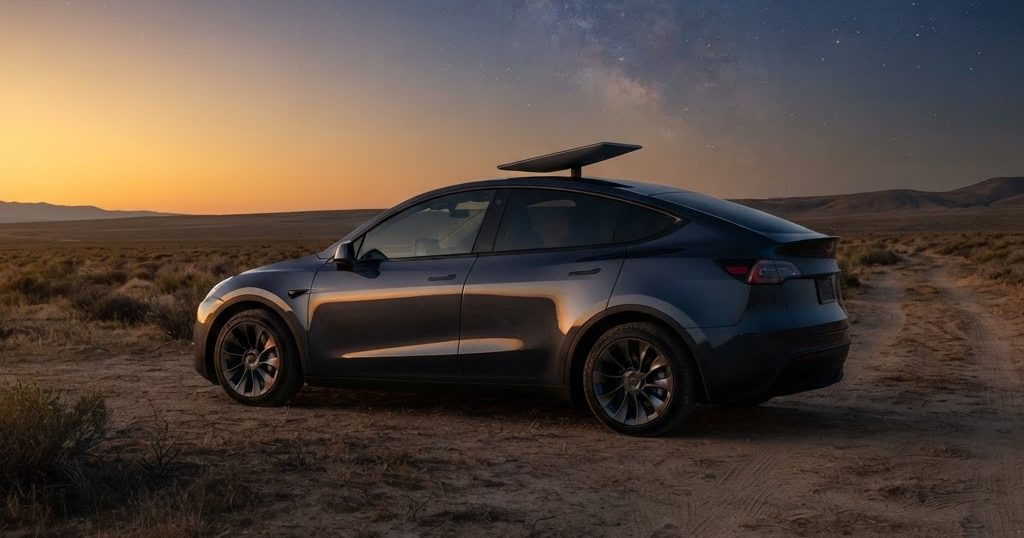
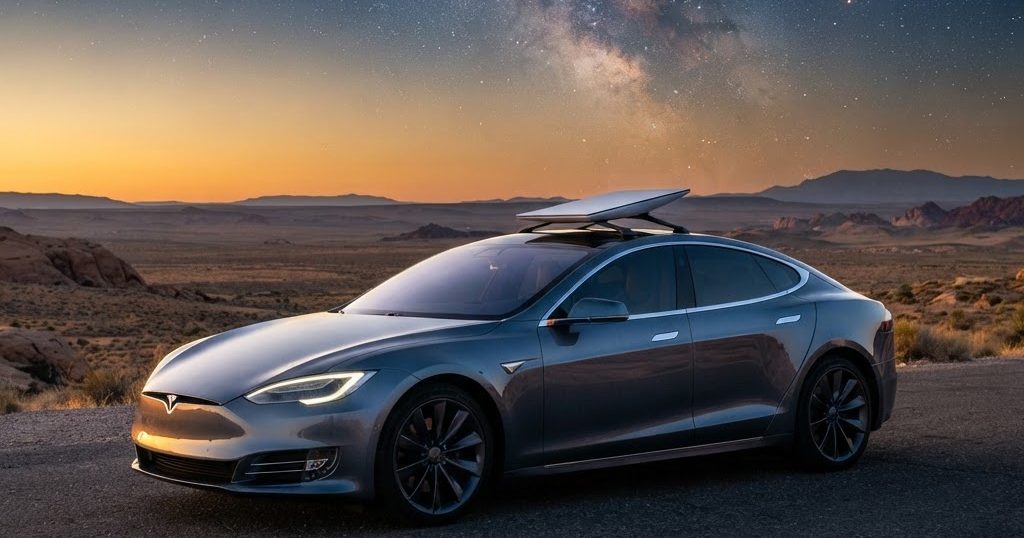
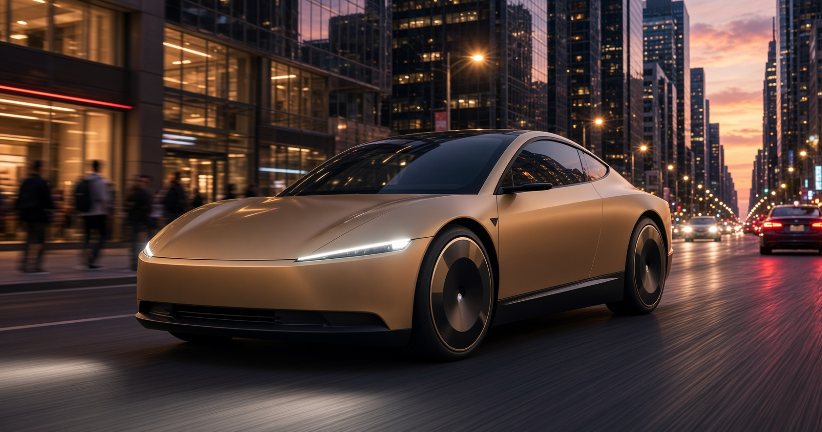
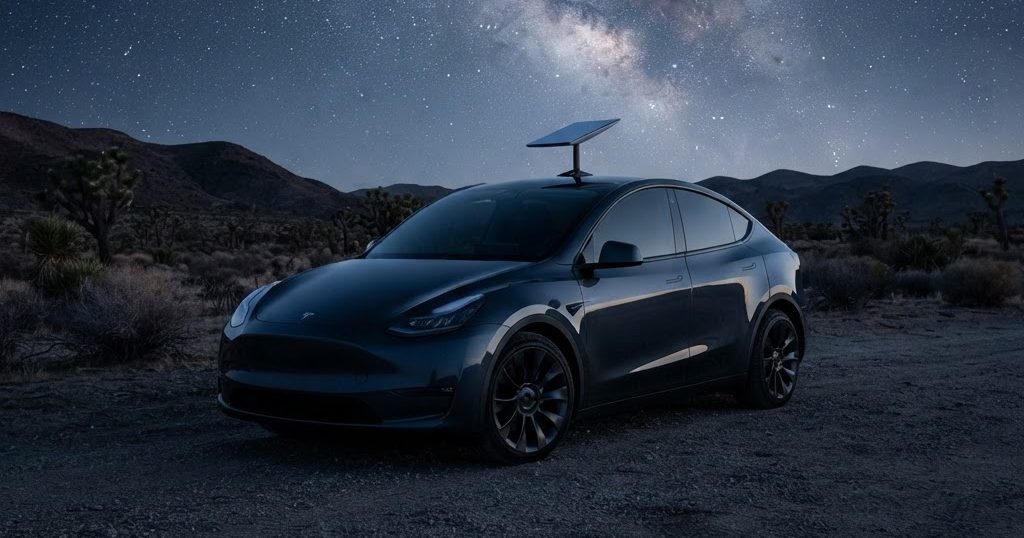
Starlink is the business that pays for most of what SpaceX does, and its latest numbers show it still growing quickly. It also matters for Tesla: Elon Musk has said all cars will eventually have Starlink, and the first Cybercab robotaxis already carry a built-in Starlink antenna.
The third-quarter numbers
- Subscribers: 13.6 million at the end of September 2026.
- Countries: service in 174 countries.
- Average revenue per user: about $69, according to figures from the earnings call.
- Growth: revenue in SpaceX's connectivity segment, which is mostly Starlink, rose 69% year on year, and its operating income almost doubled.
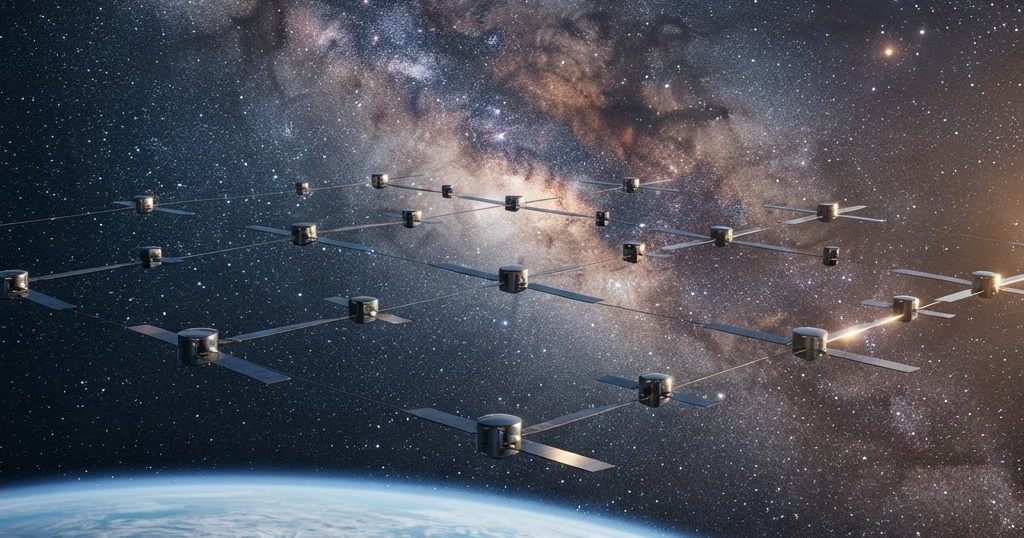
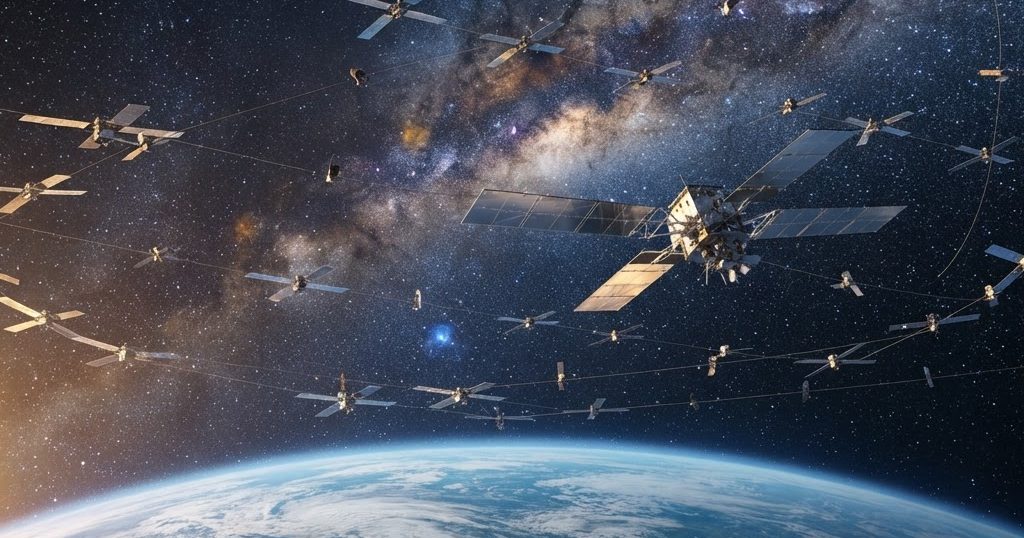
- Satellites: about 11,100 in orbit, most of them second-generation.
The third generation has started
On Starship's Flight 14, SpaceX deployed the first 26 Starlink V3 satellites. Together they add about 26 terabits per second of capacity, which SpaceX compares to roughly ten Falcon 9 launches of older satellites. Only Starship is big enough to carry them. Musk's goal is to increase Starlink's bandwidth a hundredfold within three years, with around 100,000 V3 satellites. That is a target, and it depends on Starship flying very often.
Why this matters for cars
Today, Tesla cars connect over regular mobile networks, and Premium Connectivity runs through carriers such as AT&T in the US. Satellite capacity has so far been too limited to replace that. A much larger network changes the equation in a few ways:
- Coverage: navigation, emergency calls and fleet management could keep working in places without mobile signal.
- Robotaxis: a driverless car still needs a connection for routing, customer support and remote assistance. The Cybercab carries both 5G and a Starlink antenna in the rear.
- Direct to phone: SpaceX is building a satellite network that talks directly to normal phone chips, which could one day reach car modems too.
Tesla has not announced plans to replace mobile networks in its cars, and its AI chief has said a connection is not needed to drive safely.
What to watch
More V3 launches on Starship, the planned upgrade of Starlink's direct-to-phone service from 2027, and any Tesla announcement about Starlink in regular cars rather than only the Cybercab.