 4:15
Tesla Semi catches fire on I-880 in Hayward with no crash, closing the freeway for 10 hours
A Tesla Semi burst into flames on a Bay Area freeway on Tuesday evening without hitting anything. The driver was unhurt, but the cause is still unknown, just as Semi volume production ramps up.
A Tesla Semi caught fire on Interstate 880 in Hayward, California, on Tuesday evening, October 27. The fire started around 5:35 p.m. Pacific time (8:35 p.m. Eastern) in the southbound lanes near Route 92. There was no crash and no other vehicle was involved, and the driver walked away unhurt. The California Highway Patrol (CHP) shut the freeway in both directions, and the last lanes only reopened around 3:30 a.m. on Wednesday, roughly 10 hours later.
What exactly happened on I-880?
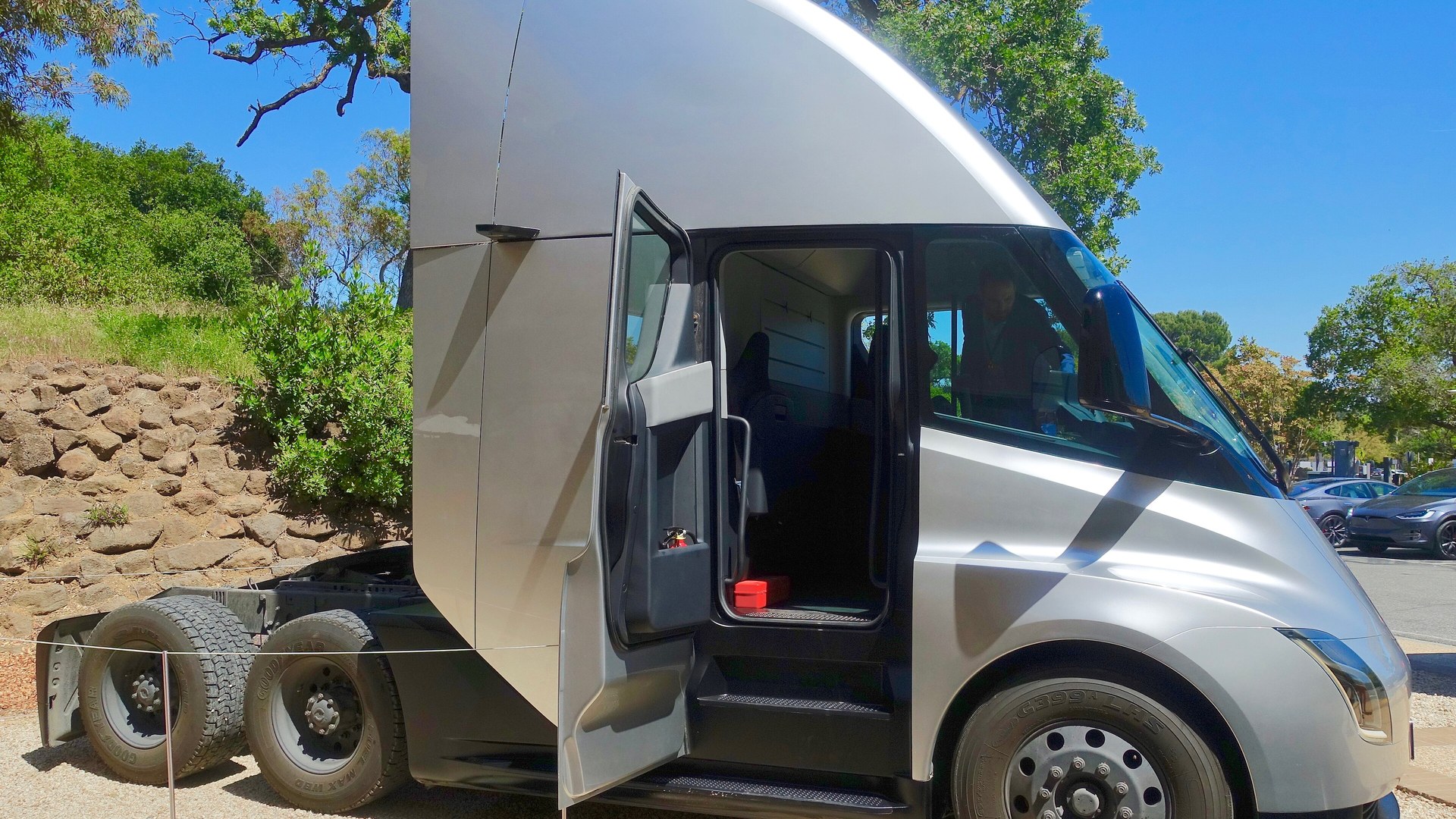
The truck caught fire while driving, with no crash. The driver told officers that the Semi started burning and that they did not know why. Videos from the scene showed thick black smoke over the freeway and flames covering the tractor. Firefighters used foam on the wreck, and the front of the trailer behind it was badly charred. The cab's colours suggested a truck from PepsiCo's Frito-Lay fleet, Tesla's first Semi customer, but the operator has not been officially named. According to Not a Tesla App, it was the original Semi design, not the refreshed version Tesla started building this year. That still leaves the question why a single burning truck could block a major Bay Area freeway for so long.
Why did one truck close the freeway for 10 hours?
Because of the smoke risk and a stubborn battery fire. About ten minutes after the fire started, the CHP closed both directions between Winton Avenue and Route 92, citing the possible danger of hazardous chemical smoke. The CHP called the lithium battery fire very difficult to put out and at first warned it could burn for 15 to 18 hours. Crews beat that estimate:
- Northbound: reopened at about 8:40 p.m. Pacific time on Tuesday.
- Southbound: all lanes open again around 3:30 a.m. on Wednesday (6:30 a.m. Eastern).
Long closures like this are now a familiar pattern with big battery fires. And this is not the first time a Semi has made headlines this way.
Hasn't a Tesla Semi burned before?
Yes, in August 2024, but that truck crashed first. A Semi operated by Tesla itself caught fire on I-80 near Emigrant Gap, on its way from Livermore to Sparks, Nevada. The NTSB later found that it left the road on a curve and hit a post and a tree, after which the battery ignited. Firefighters needed around 50,000 gallons of water and the road stayed closed for up to 15 hours. The Hayward fire is different: so far there is no sign of any impact at all.
Are electric trucks more likely to catch fire?
There is no evidence of that so far. Truck fires in general are common. According to NFPA figures cited by Electrek, US fire departments handled about 15,500 large-truck fires a year between 2018 and 2022, roughly 42 a day. Mechanical failure played a role in 44% of them, while only about 2% followed a collision. Government data also suggests that petrol and diesel vehicles catch fire more often than EVs. But the Semi fleet is still small, so one fire without a crash weighs heavily, and the cause could be anything from a tyre or brake to the trailer or the battery itself. That makes the timing awkward for Tesla.
Why does this matter for Tesla right now?
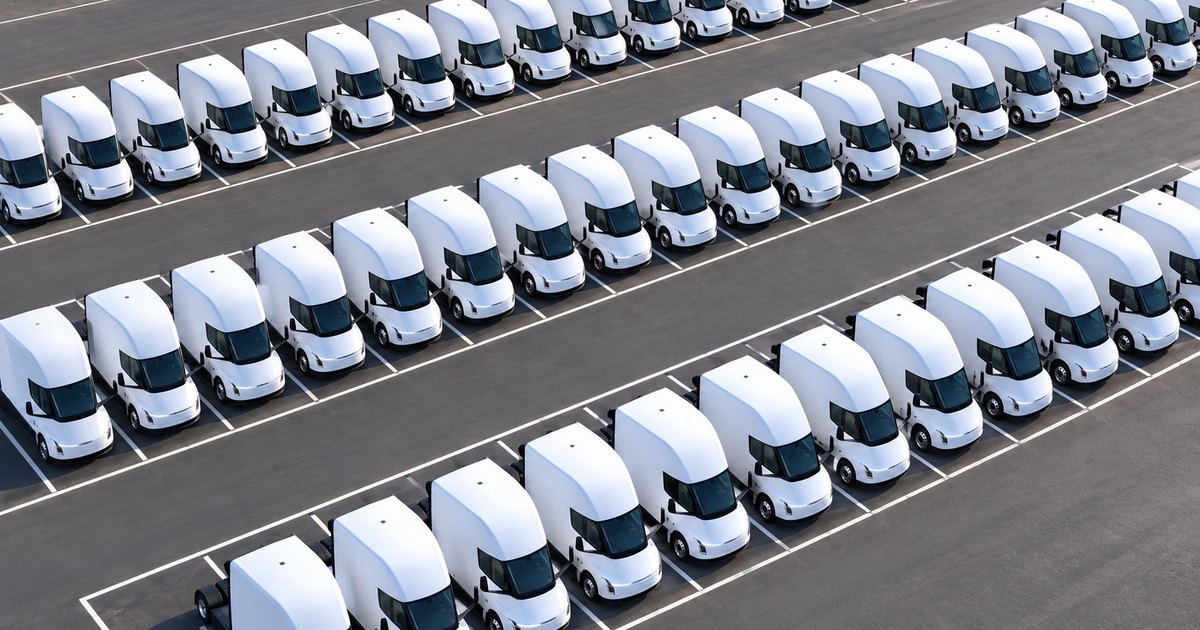
Because the Semi is only just entering volume production. After years of delays, Tesla opened its dedicated Semi factory in Nevada this autumn, designed for up to 50,000 trucks a year. Big fleet orders are lining up: WattEV ordered 370 Semis in May, mostly for port work in Oakland, and in September Tesla was picked as a lead supplier in a 2,500-truck purchasing program. Fleet buyers care about safety and uptime, and they will want to know what happened here. Tesla, which has no press office, has not commented.
What should we watch for next?
Above all, the cause. The CHP says it has not been confirmed and the fire is under investigation. Key points to follow:
- Cause: whether investigators trace it to the battery pack and high-voltage system or to something outside it, such as tyres, brakes or the trailer.
- NTSB: whether the safety board opens an investigation, as it did after the 2024 fire.
- Tesla: whether the company or the operator publishes findings.
- Fleet impact: whether any operator pauses or inspects its older Semis.
Until the cause is known, it is too early to say whether this was a one-off or a sign of a wider problem.
Sources (3)
Photos: Steve Jurvetson from Menlo Park, USA, CC BY 2.0, Wikimedia Commons; Steve Jurvetson from Menlo Park, USA, CC BY 2.0, Wikimedia Commons. Other images are illustrations; some are made with AI.