 3 min
Cybertruck and Powerwall 3 can now back up a home together: what update 2026.27.10 adds
After more than a year of delays, Tesla's Powershare now lets a Cybertruck feed a home alongside a Powerwall 3 during a power cut. Here is how it works, what you need and what is still missing.
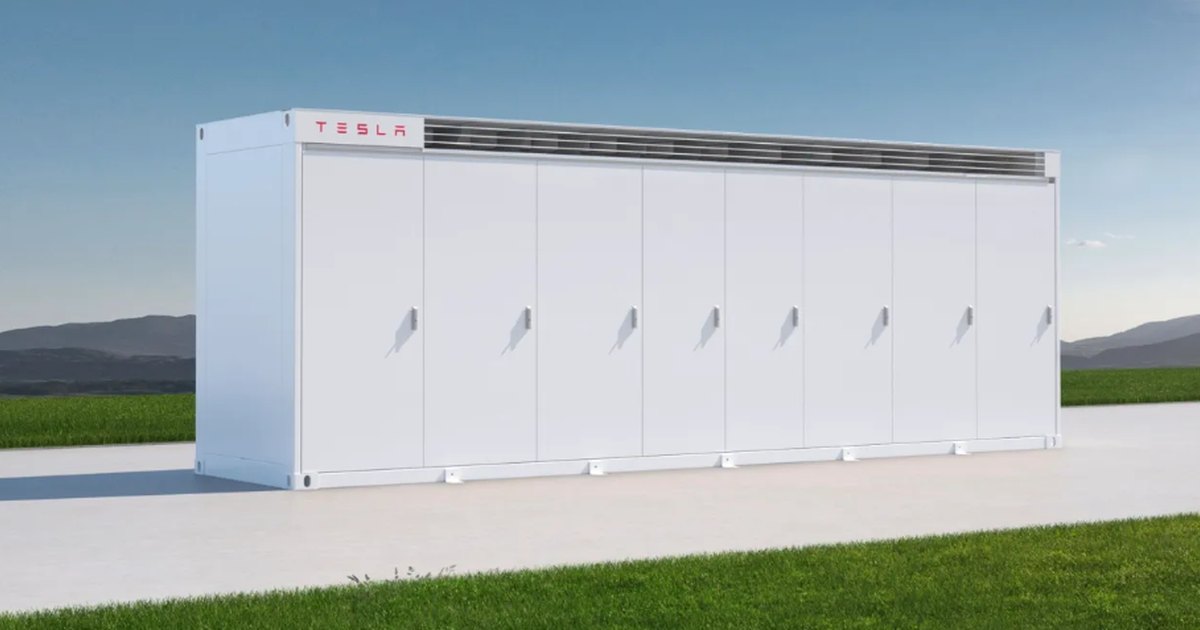
Tesla has finally delivered one of its longest-delayed energy features. With software update 2026.27.10, a Cybertruck can now share its battery with a Powerwall 3 to keep a house running during a power cut. Until now, owners had to choose: back up the home with the truck, or with the Powerwall, but not both.
Tesla's Cybertruck account first showed the feature on September 10. It is now reaching owners as part of the update.
What changes
- Truck and battery work together: during an outage, the Cybertruck feeds energy into the home's electrical system alongside the Powerwall 3. It can also recharge the Powerwall.
- Automatic: once set up, the truck shares power by itself when the grid goes down.
- Much longer backup: Tesla says the combination adds more than three days of whole-home backup.
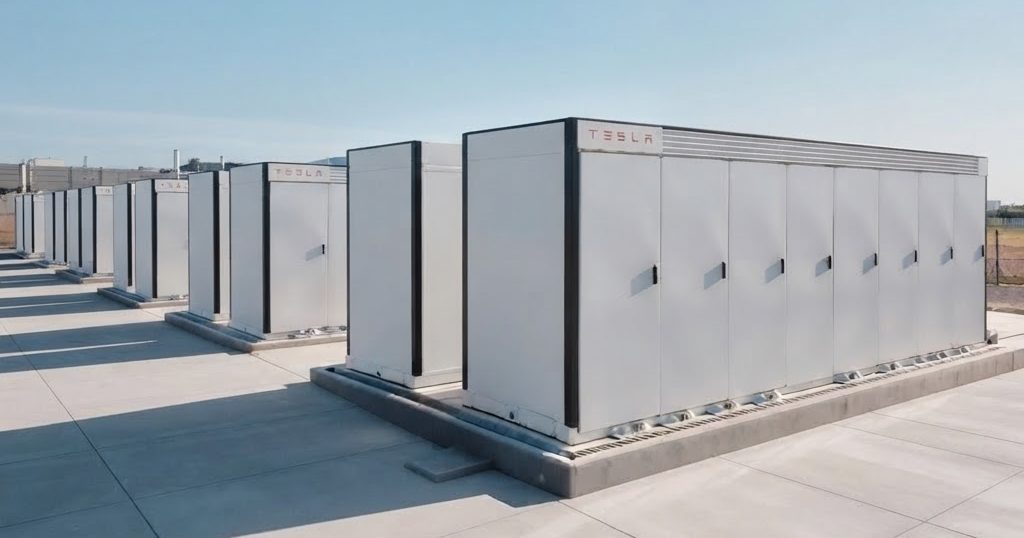
The numbers explain why. A Cybertruck battery holds about 123 kWh, while a Powerwall holds 13.5 kWh. One full truck carries roughly as much energy as nine Powerwalls. Both the Powerwall 3 and the truck's export function deliver up to 11.5 kW of AC power.
What you need
- A Cybertruck on the latest software.
- A Powerwall 3. Support for Powerwall 2 and Powerwall+ is promised for later this year.
- A Tesla Wall Connector that supports power export: the Universal Wall Connector or Wall Connector 3.
- Settings: turn on Powershare on the truck's touchscreen under Charging, then Powershare. The truck has to be parked, plugged in and charged above the discharge limit you set.
One point is still unclear. Not a Tesla App reports that no separate Powershare Gateway is needed, because the Powerwall's own gateway handles the switch from grid to backup. Electrek's report, however, lists the Powershare Gateway among the requirements and puts the typical installed cost at about $4,000, with some owners quoted far more. Owners should check their own setup with Tesla or their installer before buying extra hardware.
Why it took so long
Tesla first promised Powershare with Powerwall for 2025. In October 2024 it said the feature would come "sometime in 2025". In December 2025 it moved the target to mid-2026, and as late as August there was still no date.
Cybertruck lead engineer Wes Morrill has explained the difficulty. Both the truck and the Powerwall are grid-forming devices: each can create its own stable power supply. Getting two of them to cooperate safely, without a network connection, across different hardware generations and while meeting grid-safety certification, turned out to be hard.
Why it matters
Home backup is one of the most practical uses of a big electric truck. In areas with storms, heat waves or wildfire-related power shutoffs, three extra days of power can make a real difference. It also makes the Tesla ecosystem more attractive: a household with solar, a Powerwall and a Cybertruck now has a much larger energy reserve than the Powerwall alone.
For now this is a North American story. The Cybertruck is not sold in Europe, and the feature has so far been shown only for the truck. Some Model Y versions have gained bidirectional charging through a separate Powershare adapter, but Tesla has not said they will work with a Powerwall in the same way.
What to watch next
- The promised Powerwall 2 and Powerwall+ support before the end of the year.
- A clear answer from Tesla on whether a Powershare Gateway is needed in Powerwall homes.
- Whether other Tesla models get the same vehicle-to-home function with a Powerwall.