 4 min
Japan cuts its EV subsidy by 40% from January 2027: Tesla Model 3 and Model Y buyers lose ¥508,000
Japan's trade ministry is shrinking its clean-car grants for cars registered from January 1, 2027. A Tesla Model Y or Model 3 drops from ¥1.27 million to ¥762,000, setting up a year-end rush in one of Tesla's fastest-growing markets.
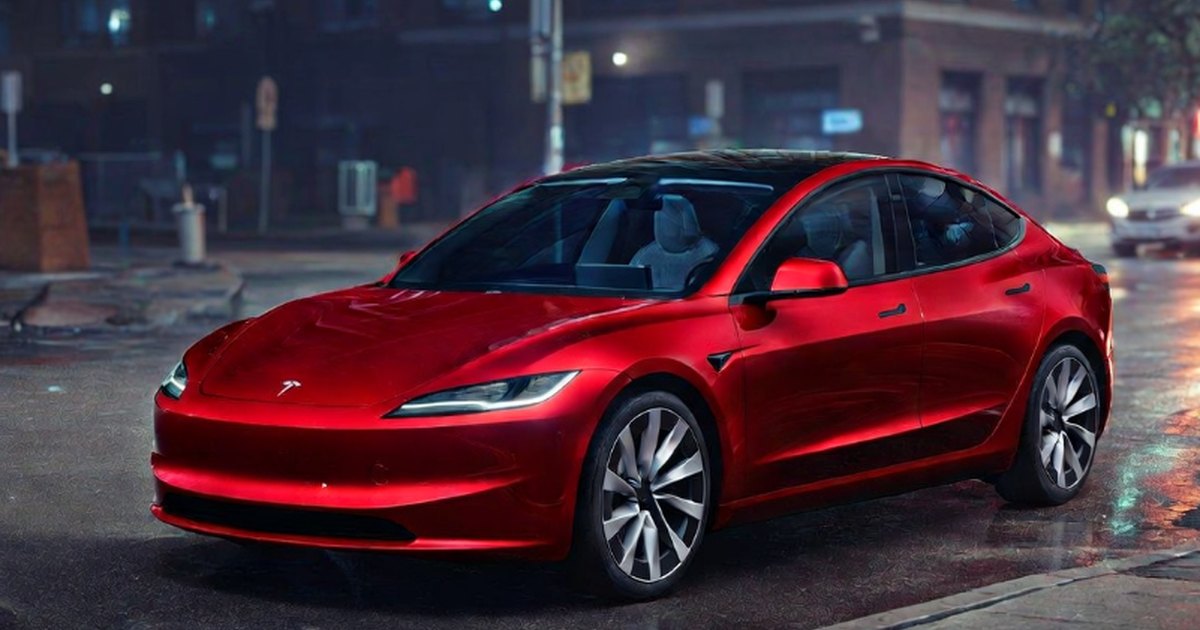
Buying a Tesla in Japan is about to get noticeably more expensive. The Ministry of Economy, Trade and Industry (METI) is cutting its national Clean Energy Vehicle (CEV) purchase subsidy to roughly 60% of today's level for most electric cars registered on or after January 1, 2027. For a Tesla Model 3 or Model Y, the grant falls from ¥1,270,000 to ¥762,000, a cut of ¥508,000, or roughly $3,300 at current exchange rates. That comes just as EVs take off in Japan.
What exactly changes?
Almost every grant drops to about 60% of today's amount. METI announced the revision on October 21, and the per-model amounts published by Japan's Next Generation Vehicle Promotion Center have since filled in the details. The main points:
- Battery-electric cars: the top subsidy drops from ¥1.25 million to ¥750,000, a 40% cut.
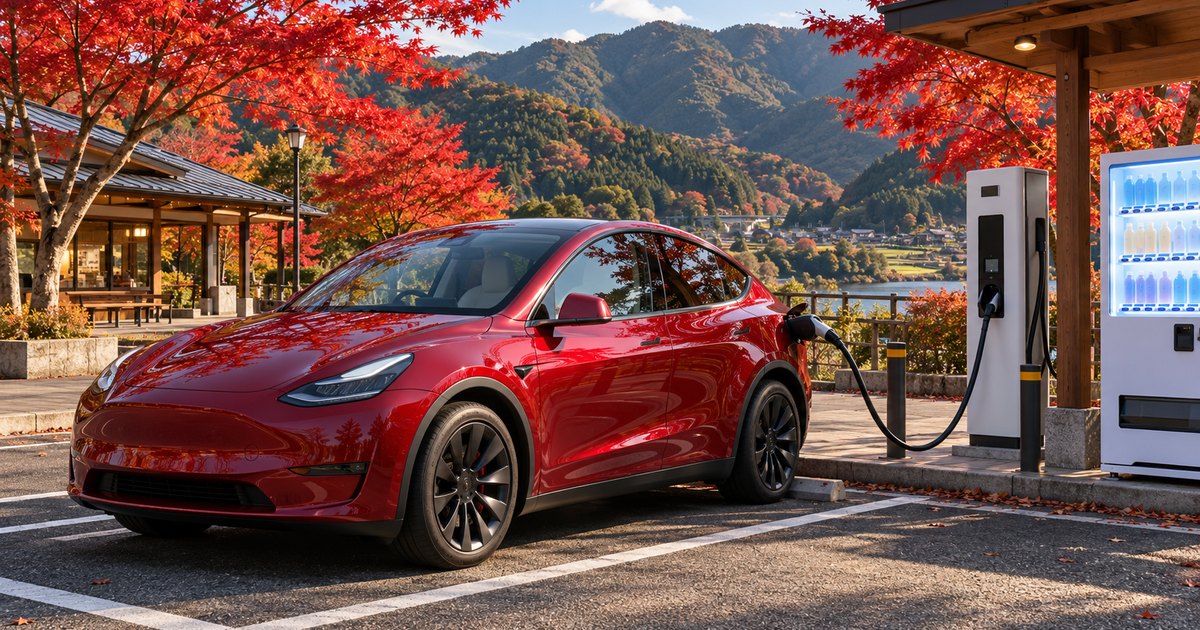
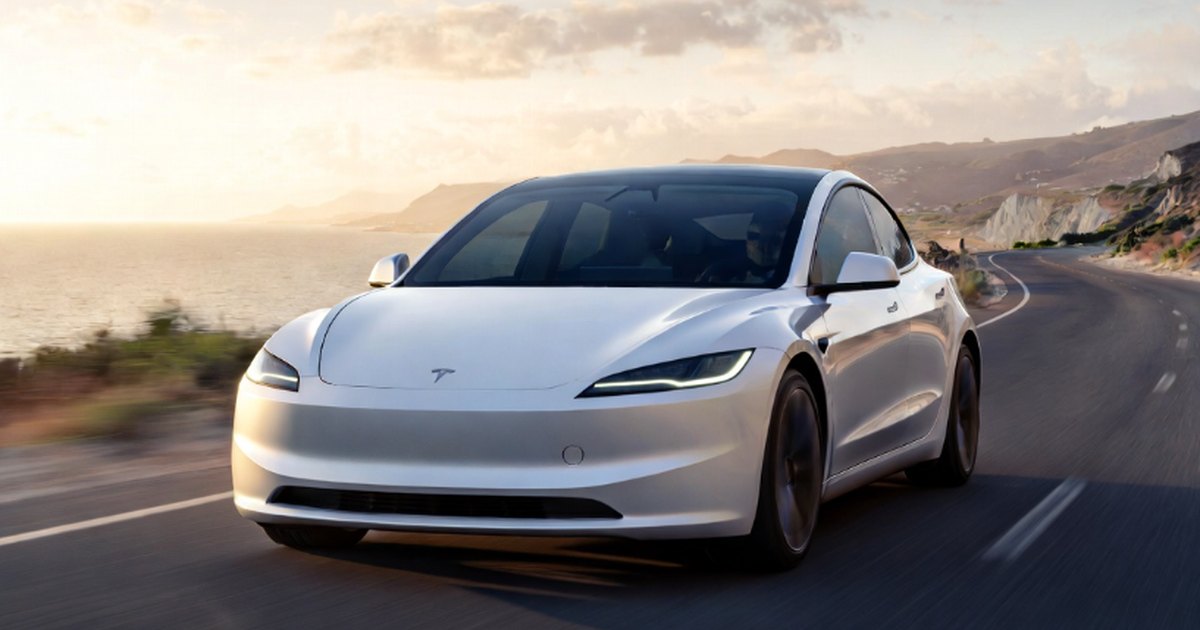
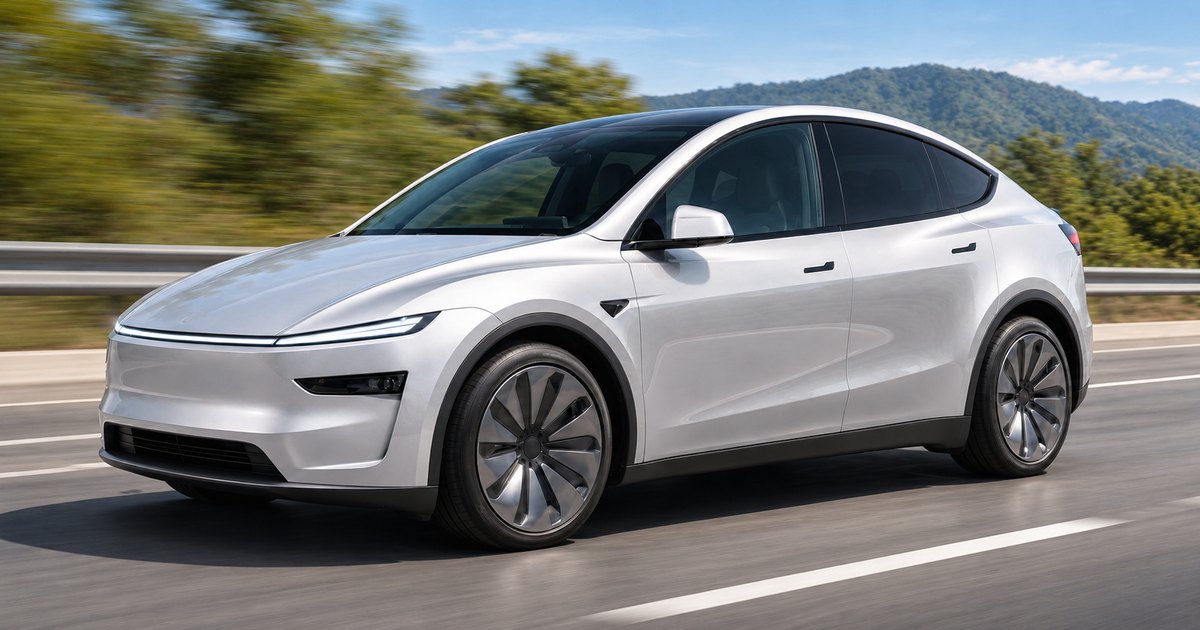
- Tesla Model 3 and Model Y (including Performance versions and the six-seat Model Y L): ¥1.27 million becomes ¥762,000, according to Drive Tesla.
- Model S and Model X, still on the subsidy list: ¥1,016,000 becomes ¥609,000.
- Kei cars such as the Nissan Sakura are hit less: their cap falls 20%, from ¥550,000 to ¥440,000.
- Plug-in hybrids and fuel-cell cars also drop to 60% of their current maximums.
Rivals are treated the same way. The Toyota bZ4X falls from ¥1.3 million to ¥780,000 and the Nissan Leaf from ¥1.29 million to ¥774,000, so Tesla keeps its relative position. BYD's models already received far smaller amounts, around ¥150,000, and drop to about ¥90,000.
Why is Japan cutting the subsidy?
Because it worked too well. In January 2026 Japan raised the maximum grant for a regular EV, bonuses included, from ¥900,000 to ¥1.3 million. Demand took off: according to electrive, domestic battery-electric sales hit a record 16,074 cars in September, up 88.6% on a year earlier, and EVs reached a record 4.5% of passenger car sales. The roughly ¥110 billion budget is now expected to run out before the official deadline, so the government is lowering the amount per car to stretch the money further.
How long can buyers still get the higher amount?
Until the end of the year at most, and possibly less. The program runs on a first-come, first-served basis. Earlier this month the Promotion Center estimated that applications at the current rates could close somewhere in December. The final deadlines are registration by February 1, 2027 and applications received by February 12, 2027, although the window may shut sooner if the money runs out. Whether Japan launches a new subsidy program after that has not been decided.
Why does this matter for Tesla?
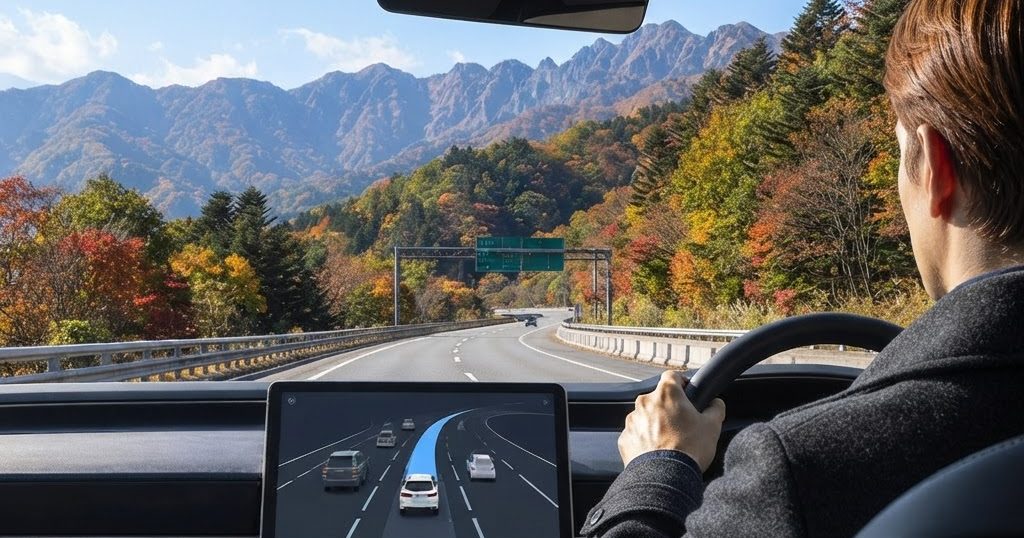
Because Japan has become one of its brighter spots. The company recorded nearly 4,000 registrations there in June, a monthly record, helped by the generous national grant, extra local subsidies in Tokyo and a weak yen. Tesla Japan has also been adding reasons to buy: new Model 3 and Model Y versions with vehicle-to-load power and a CHAdeMO adapter for the country's fast chargers, plus a stated goal of launching FSD (Supervised) in Japan before the end of the year.
What will the cut do to Tesla sales?
Most likely a rush now and a dip later. The cut gives buyers a clear reason to act before December 31. Expect Tesla and other brands to push hard for registrations in November and December, followed by a possible dip in early 2027 when the lower amounts apply. Local programs are separate: Tokyo, for example, raised its own BEV subsidy cap to ¥1.3 million for fiscal 2026, and those grants can be combined with the national one, so the real price difference will vary by region.
What should you watch for next?
Three signals: the budget, the sales figures and a follow-up plan.
- Whether the current budget runs dry before December 31, which would end the higher rate early.
- Tesla's Japanese registration numbers for November and December, and any price moves or financing deals to soften the January change.
- A decision on a follow-up subsidy program for after February 2027.
Note that the amounts above are maximums for each model; what an individual buyer receives depends on the exact version and the registration date.
Sources (3)
Images are illustrations; some are made with AI.