 3 min
Tesla app code hints at Optimus at home: data consent, a 'Robot' key and its own charger
Hidden strings in recent Tesla app versions suggest Tesla is preparing owners' phones for Optimus: a consent screen for home video data, robot alerts, and Optimus listed as an energy site with charger IDs.
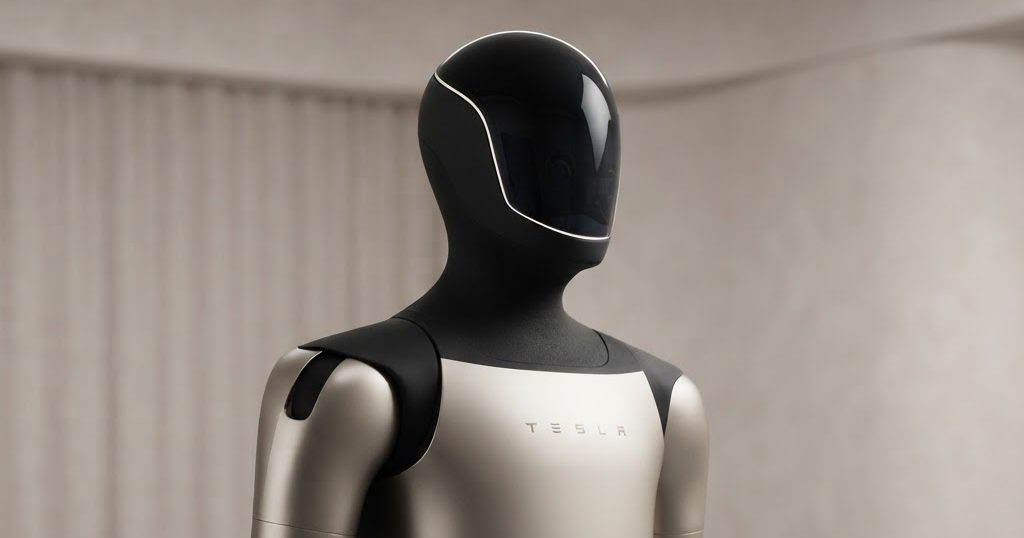
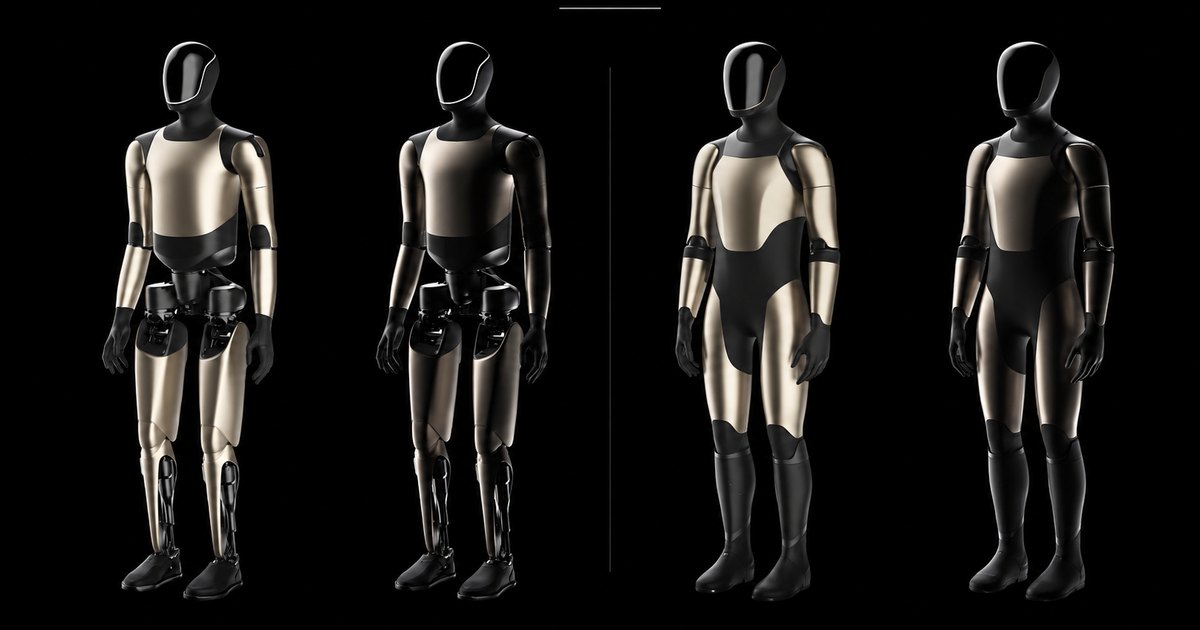
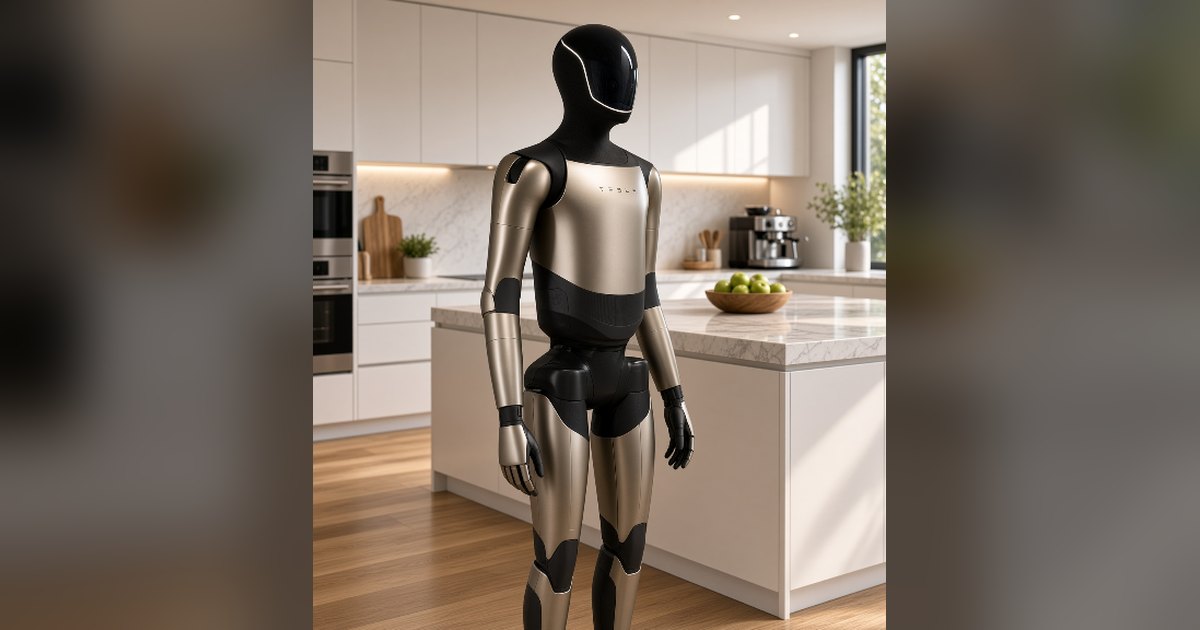
Tesla has not said when you will be able to have an Optimus robot at home. But its smartphone app is quietly getting ready. Code found in two recent versions of the Tesla app points to features for a robot that lives in your house: a privacy consent screen, alerts, a digital key and even its own charger.
What was found in the latest version
The newest clue comes from Tesla app 4.61.0. A code tracker that analyses app builds posted about it on September 18, and TeslaNorth reported on it on September 19. Besides passkey sign-in, the build contains strings that treat Optimus as a home "Energy" site, the same category the app uses for Powerwall batteries and solar systems, with dedicated charger IDs for the robot.
What that means in practice is not clear. It may simply be a way to manage the robot's charging and power use next to the rest of a home's energy setup. Tesla has published no release note about it, and the strings may stay dormant for a long time.
Earlier: a consent screen for home data
The first big Optimus find came two months earlier, in app 4.59.0, as reported by Drive Tesla Canada and TeslaNorth on July 22. That version contains:
- A data consent screen: owners could opt in to the collection of "video and spatial data while the robot is in use". The idea resembles how Tesla gathers real-world driving data to improve Full Self-Driving.
- Robot alerts: a separate system that splits internal logs from messages for the owner, such as low battery or mechanical problems.
- A 'Robot' phone key: an authentication setup using Bluetooth Low Energy, which TeslaNorth says is likely meant for both the Cybercab and Optimus.
Why home data matters
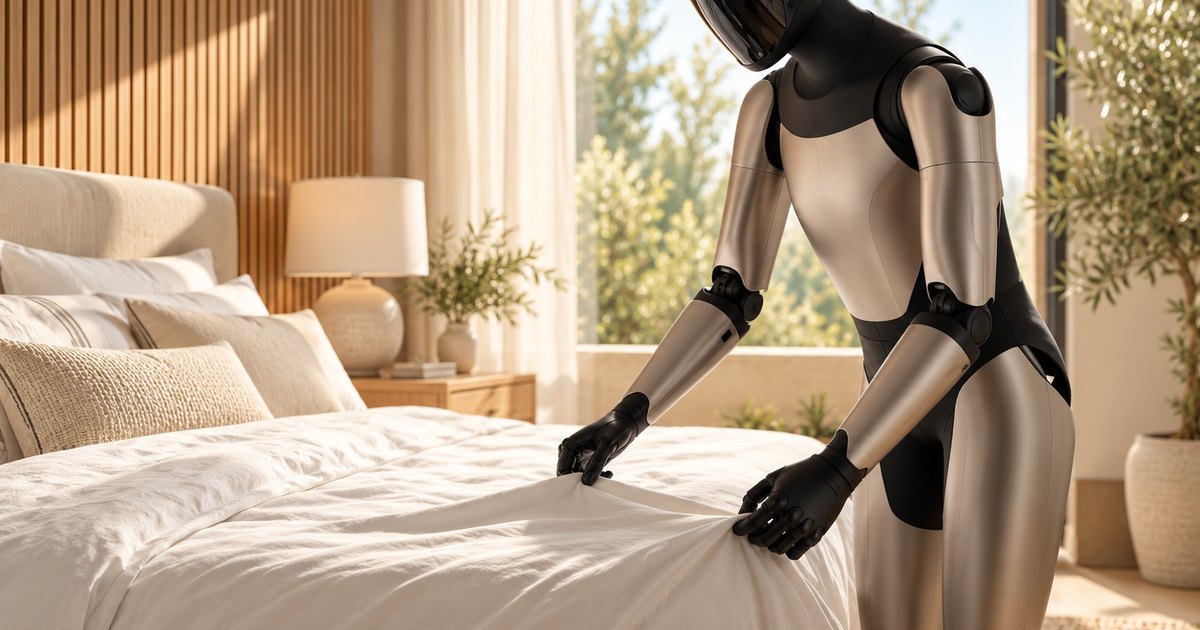
Teaching a humanoid robot to work in homes is hard because every home is different. Tesla's cars learn from millions of journeys recorded by owners. A robot in a kitchen or a bedroom would need the same kind of real-world examples. A consent screen suggests Tesla expects to ask owners to share that data, with a choice whether to take part.
That also raises obvious privacy questions. Video and spatial maps of the inside of a home are far more personal than driving data. The code does not show how the data would be stored, how long it would be kept or which countries the feature would cover. Tesla has not commented.
Read this with care
- Code is not a launch: teardown finds show what Tesla is building, not what it will release, or when.
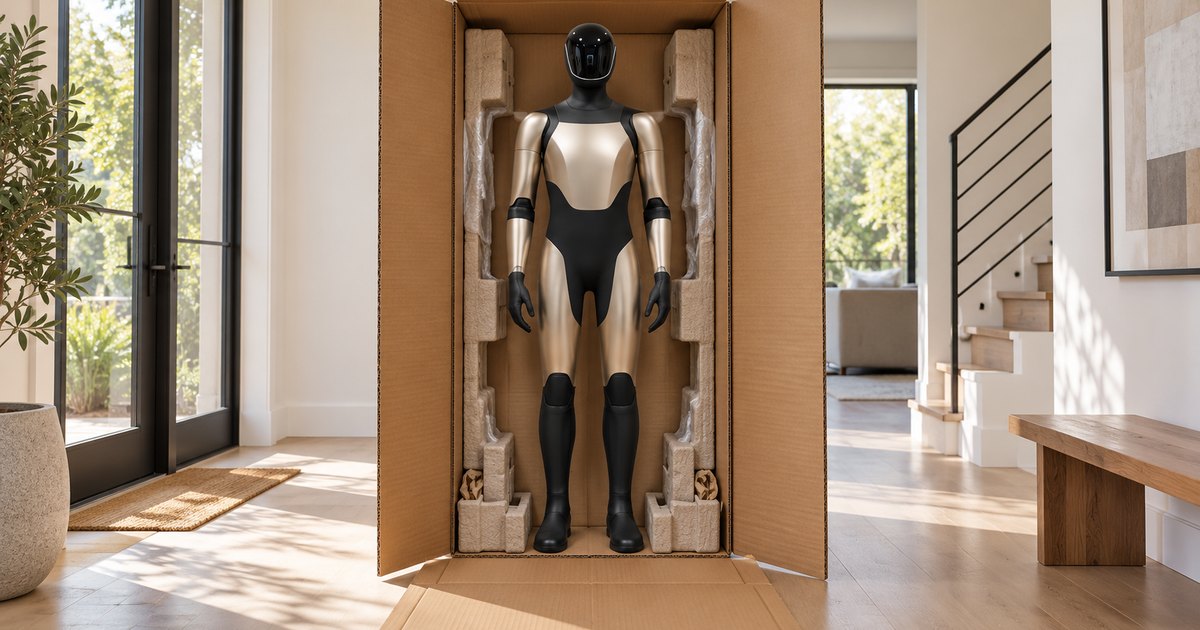
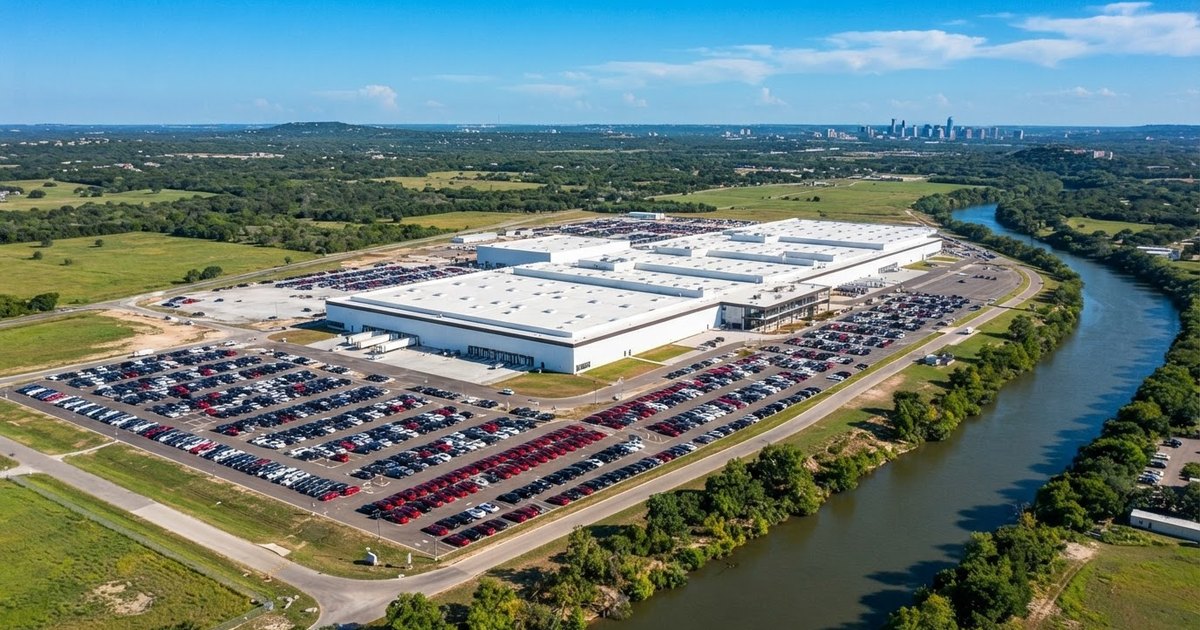
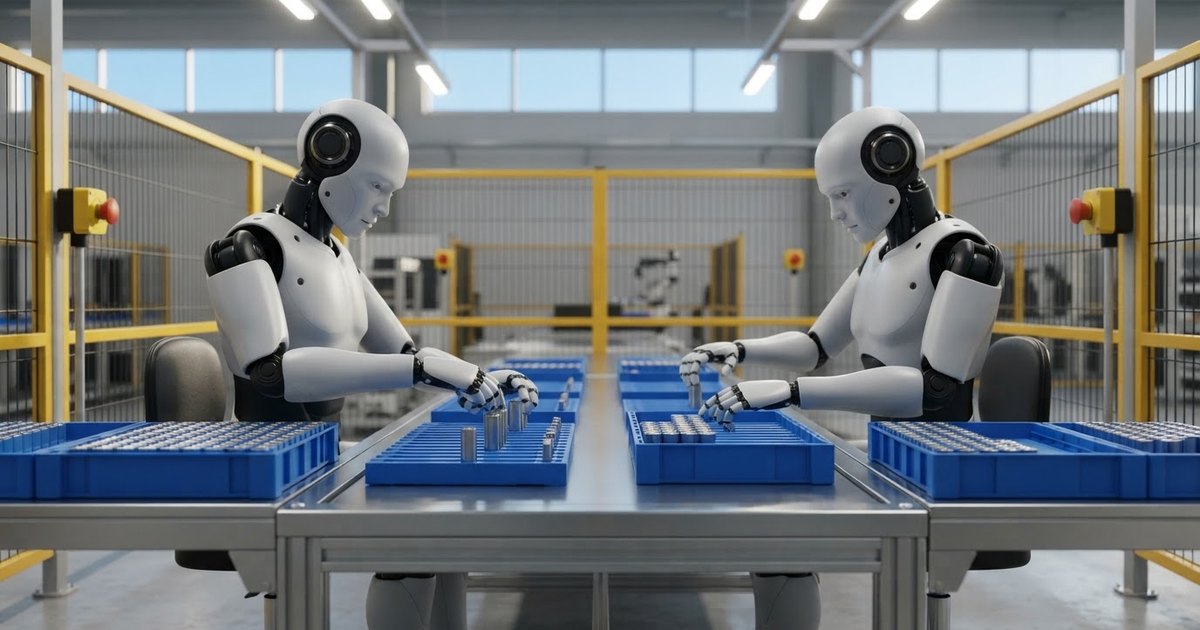
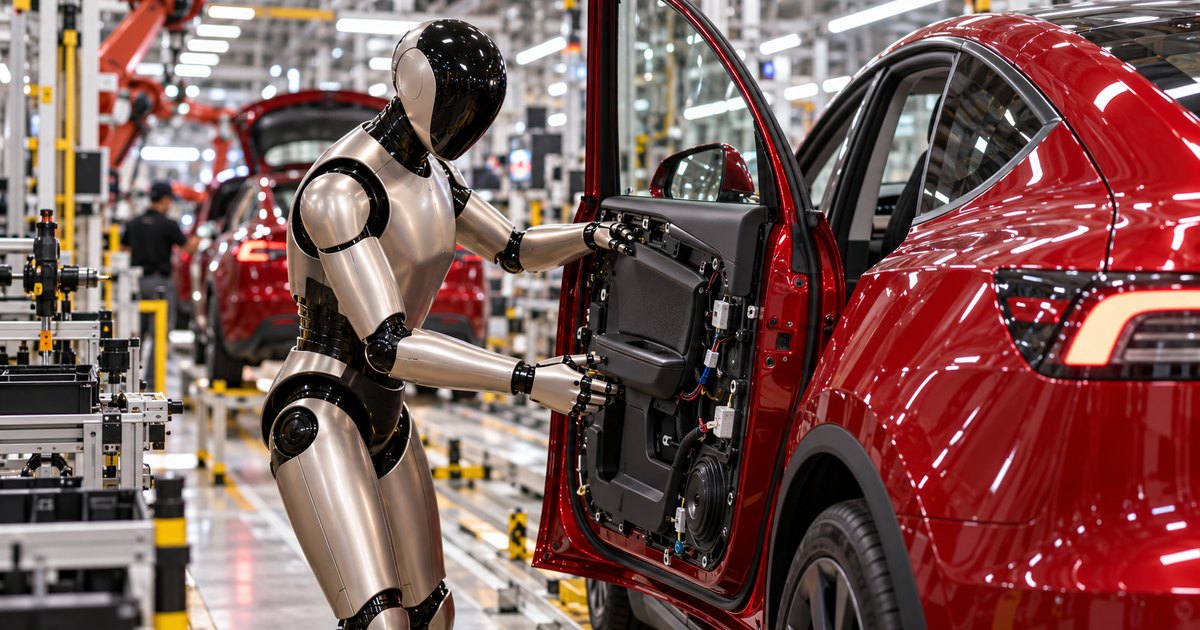
- No consumer date: Tesla has not announced when Optimus will be sold to households. Its current focus is building the robot on a new line in Fremont and using it in its own factories.
- Details may change: names, screens and features in hidden code often change before release, or never appear.
Why it matters
For years, a home robot from Tesla was mostly a promise in presentations. App code does not change the timeline, but it shows that Tesla's software teams are working on the practical side: how an owner connects to a robot, unlocks it, charges it and decides what data it may collect. That is the kind of groundwork a company does when a product is moving from demo toward real customers.
What to watch for next
Tesla reports its third-quarter results in October. Any update on Optimus production, on when outside customers can get one, or on Tesla's plans for data from homes would show how close these app features are to being switched on.
Sources (3)
Images are illustrations; some are made with AI.