 3 min
Musk promises an Optimus video that is 'not a canned demo': why that matters, and what to look for
On Tesla's Q3 2026 call, Musk said a new Optimus video showing tasks that were not pre-programmed is coming within a month or two. Tesla's past demos explain why the claim will be closely watched.
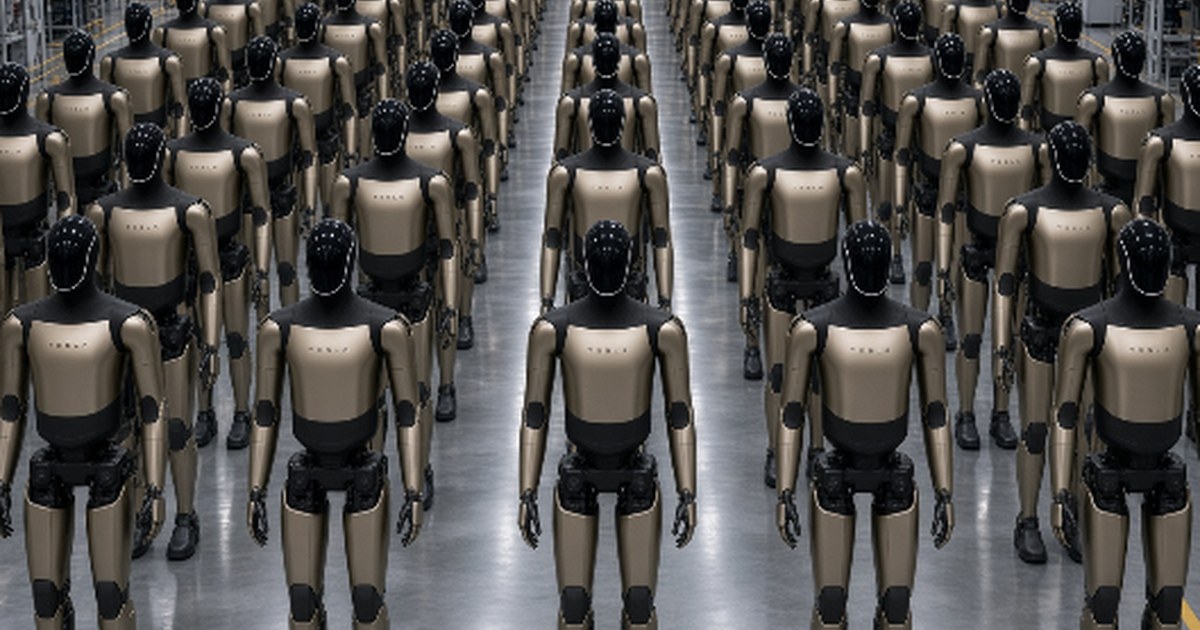
Humanoid robot videos are everywhere, and many of them look impressive. On Tesla's third-quarter earnings call on October 21, Elon Musk took a swipe at that genre and made a promise of his own: a new Optimus video, within a month or two, that he said would not be a "canned demo".
What Musk said
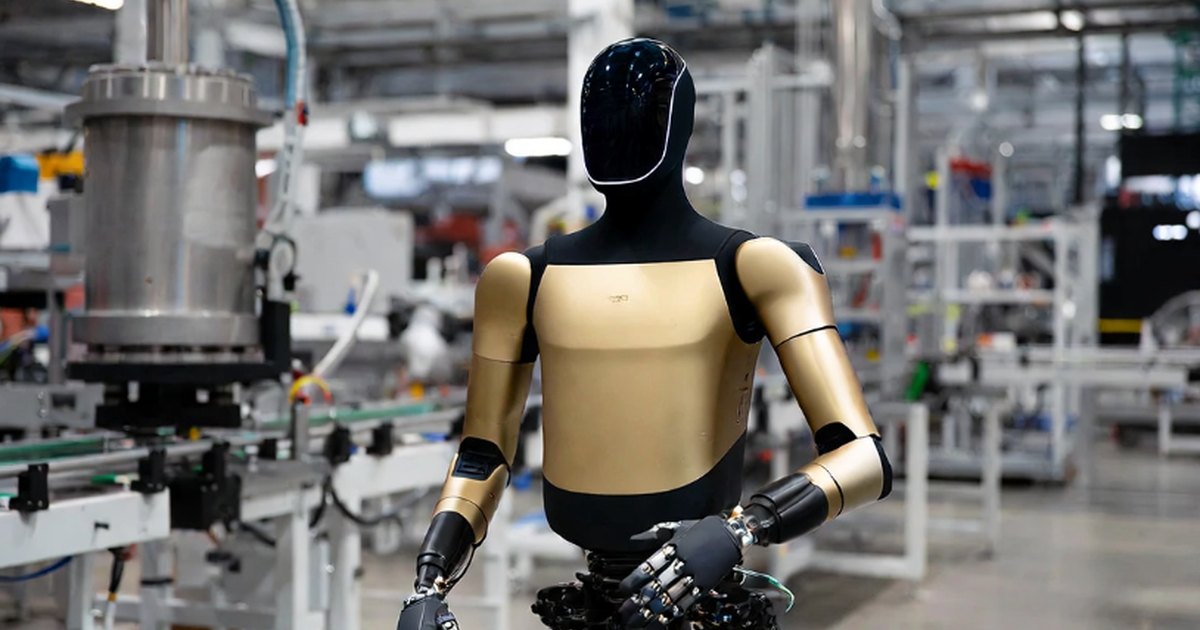
According to the call transcript and Benzinga's report, Musk said that some humanoid robot demos show pre-programmed, deterministic tasks rather than real artificial intelligence. Tesla's video, he said, would show Optimus doing things that were not pre-programmed. He first suggested about a month, then said it could take one to two months.
He paired that with a strong claim about rivals. Musk said he would be stunned if any competitor had a robot that was even remotely competitive with Optimus when Tesla starts delivering, which he expects around the end of 2027.
How Tesla says Optimus learns
Ashok Elluswamy, who leads Tesla's AI software, explained on the same call why the robot cannot simply copy the approach used for Full Self-Driving. Cars collect data while people drive them. A humanoid has no such fleet. Tesla's plan is for Optimus to first learn by watching people, and then improve by practising on its own, in simulation and in the real world. Elluswamy said the team is close to very good results with this loop.
That is what the promised video is meant to show: a robot that handles a task because it learned the skill, not because an engineer scripted every move or a person controlled it remotely.
Why people will look closely
Tesla's demos have drawn questions before:
- October 2024: at Tesla's robotaxi event, guests mingled with Optimus robots. Some were reportedly remote-controlled by humans, which Tesla did not advertise at the time. One robot even told a guest it was being assisted by a human.
- October 2025: Musk said a clip of Optimus practising martial arts showed AI, not teleoperation.
- December 2025: at a Tesla event in Miami, an Optimus robot handing out water bottles knocked some over and fell backwards. A video showed it raising both hands toward its head just before falling. The cause is unknown; some viewers speculated that a remote operator was taking off a headset. Tesla did not comment to Fortune.
None of this proves anything about the next video. But it explains why a claim of "not pre-programmed" will be judged by how the video is made, not just what it shows.
What to look for in the video
- Uncut footage: long, continuous takes say more than quick edits.
- Real speed: check whether the clip is played at normal speed or sped up.
- New tasks: a robot handling objects or places it has clearly not seen before is a much stronger signal than a polished routine.
- Mistakes and recovery: a robot that fumbles and then corrects itself can be more convincing than a perfect run.
- Clear labels: whether Tesla states that no one is controlling the robot.
Why it matters for Tesla
Optimus is central to how Musk describes Tesla's future, but it does not earn money yet. Investor Gene Munster of Deepwater Asset Management wrote on X that most investors still treat Optimus as a kind of option on the future, one with very large potential value. A convincing, honest demo would not change the 2027 delivery date. It would show whether Tesla's learning approach is working, which is the part Musk himself says still needs the most work.
What to watch for next
Based on Musk's own window, the video should appear around late November or December 2026. Musk's timelines often slip, so a later release would not be a surprise. When it comes, the details listed above are the ones worth checking.
Sources (3)
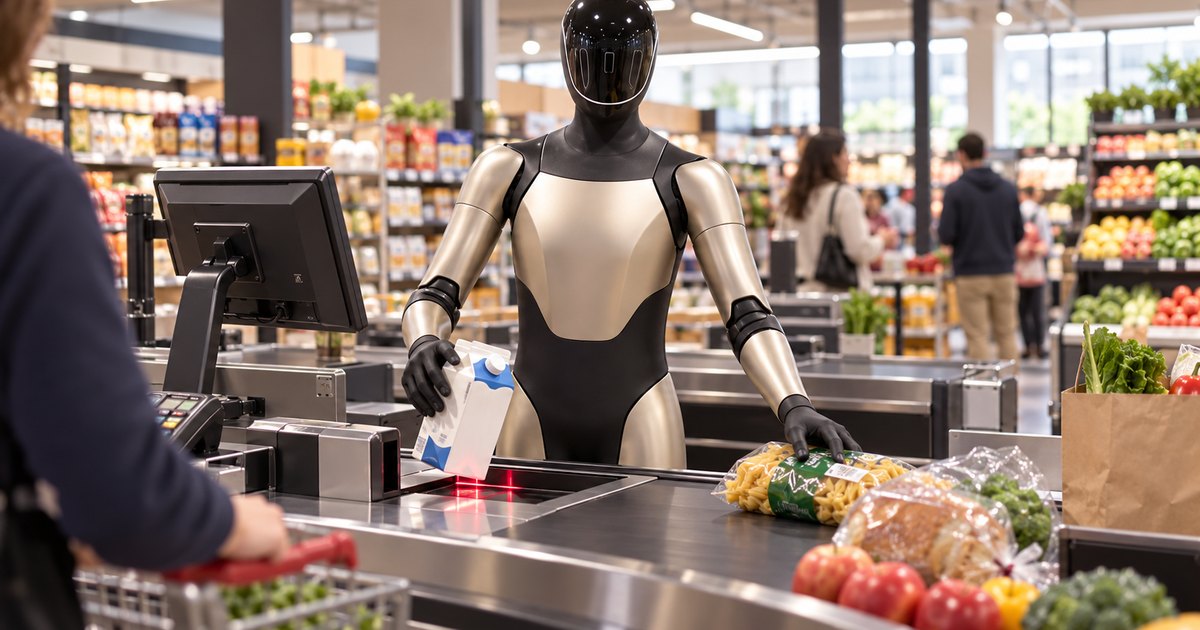
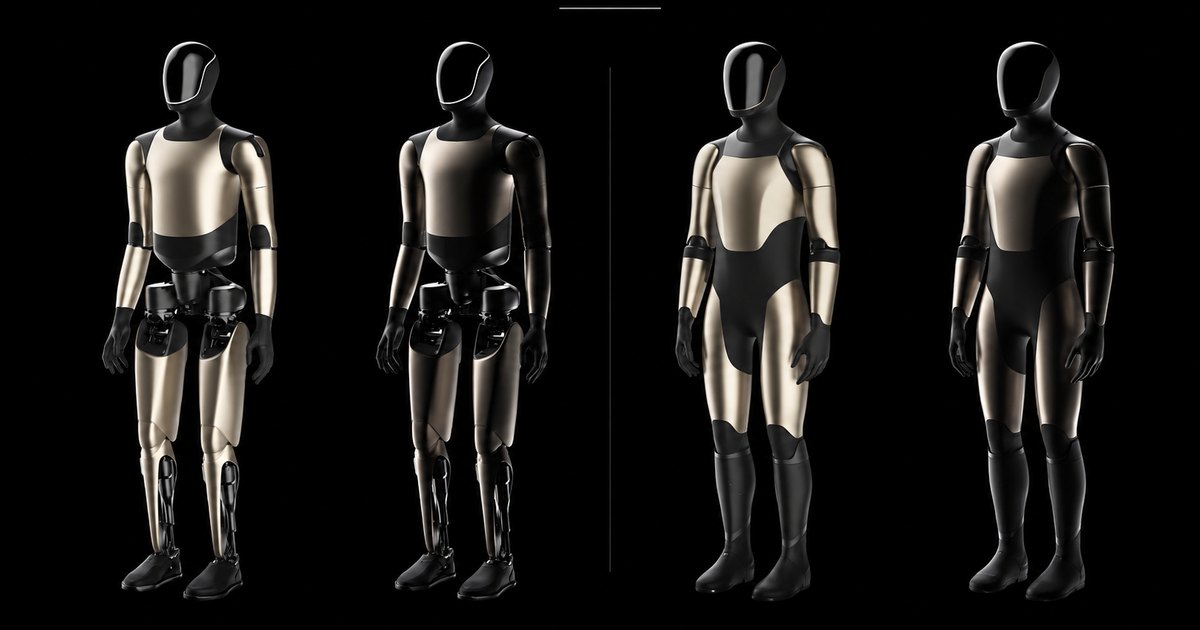
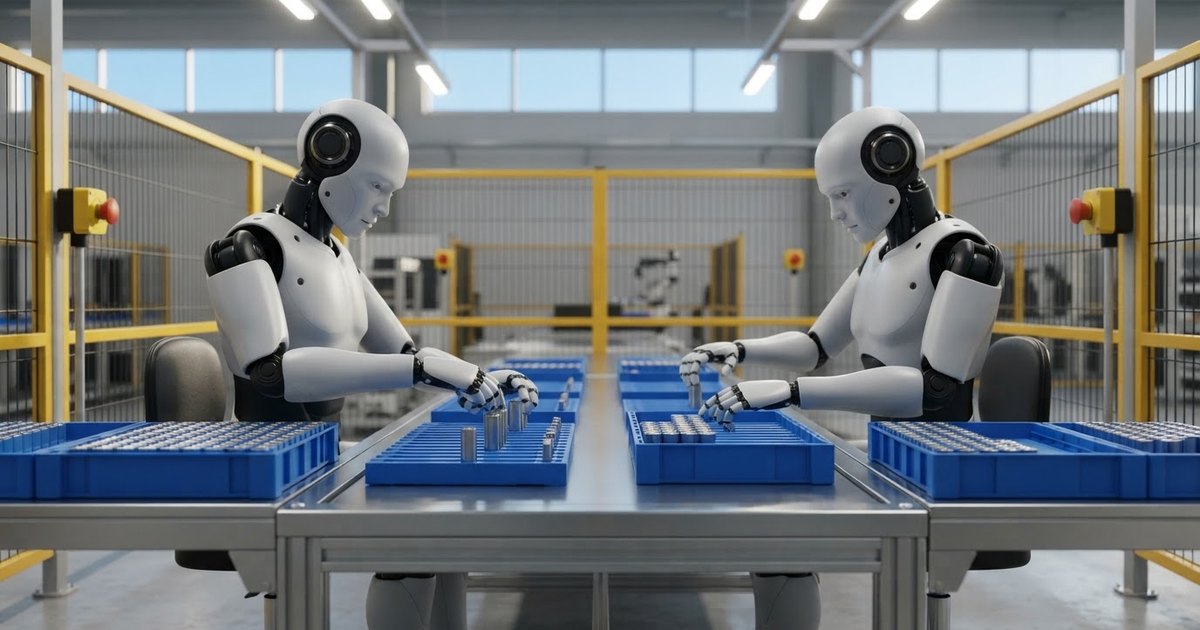
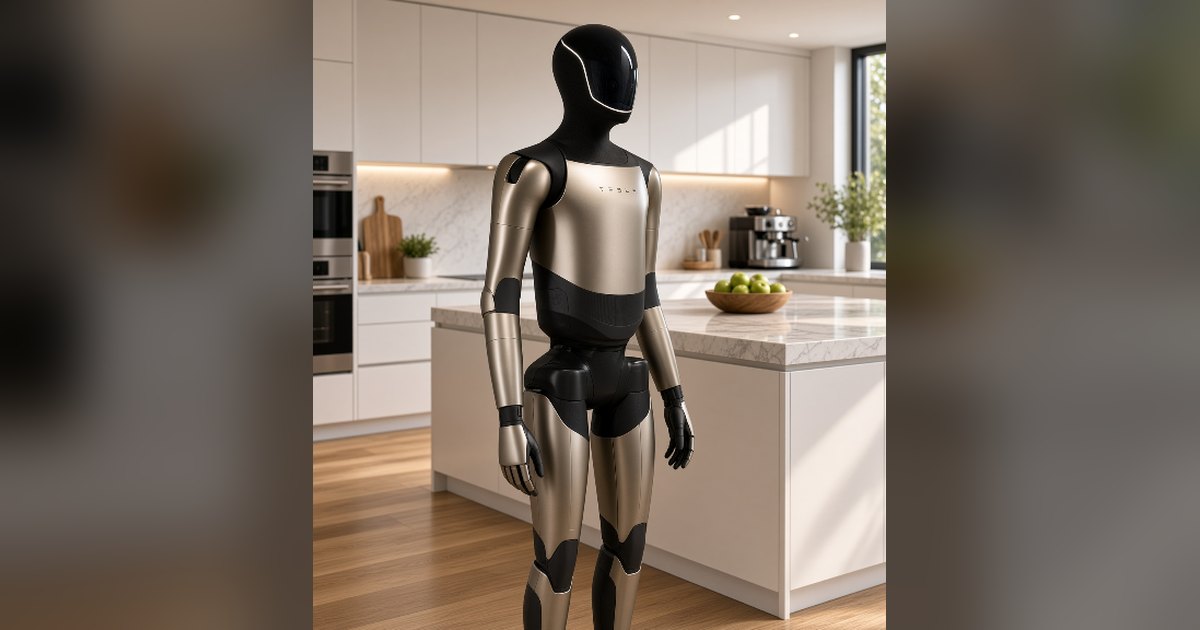
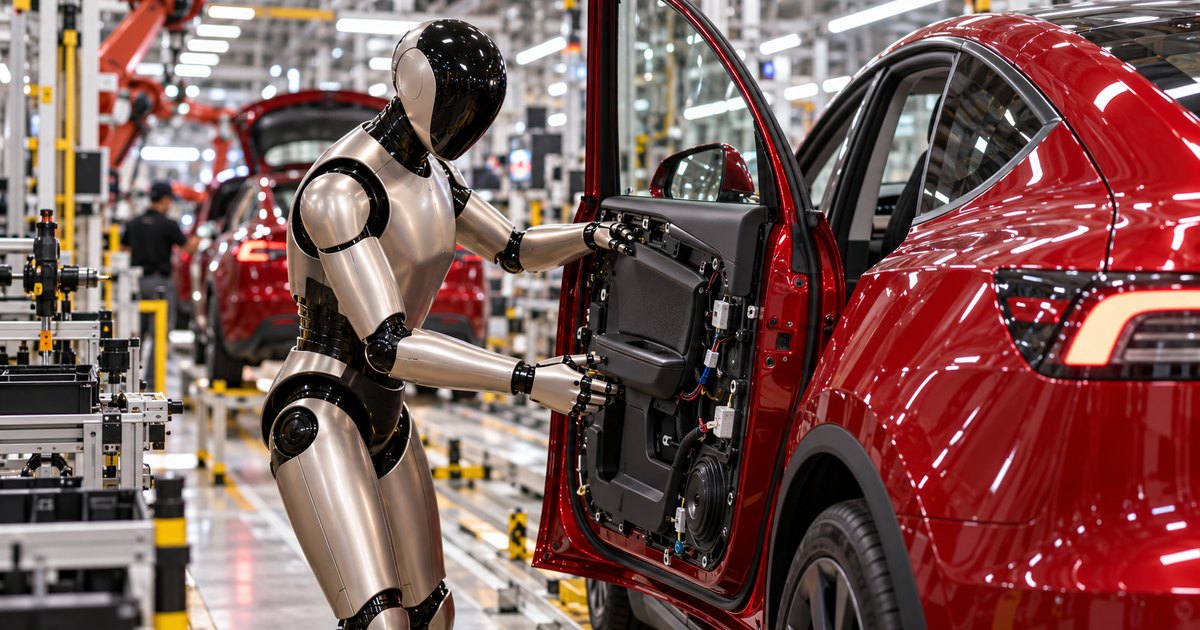
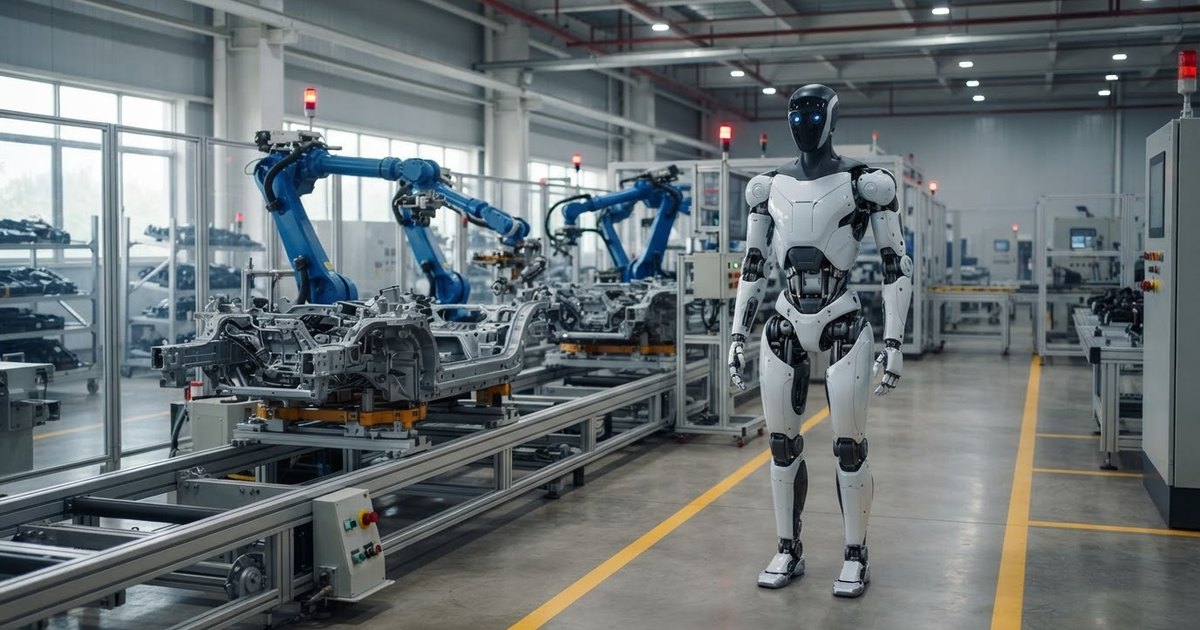
Images are illustrations; some are made with AI.