 3 min
Former Tesla engineering chief Doug Field joins Rivian's robot spinoff Mind, a quieter rival to Optimus
Doug Field, who led engineering for the Tesla Model 3 launch, is the new president of Mind Robotics, the factory-robot company spun out of Rivian. Mind has raised more than $1 billion and deliberately avoids copying the human body. Here is how it compares with Tesla Optimus.
Mind Robotics, the industrial robotics company that Rivian CEO RJ Scaringe spun out of Rivian in 2025, has hired Doug Field as president. The news was announced on stage at TechCrunch Disrupt on October 13. Field will run day-to-day product, engineering and operations, while Scaringe stays closely involved.
For Tesla watchers, the name is familiar. Field was Tesla's senior vice president of engineering during the Model 3 launch, and his move puts an experienced manufacturing leader at the head of a company that wants to automate factory work, the same first job Tesla has in mind for Optimus.
Who is Doug Field?
- Tesla: senior vice president of engineering, in charge as the Model 3 was brought to mass production.
- Apple: led the company's car project, which was cancelled in 2024 after he had left.
- Ford: nearly five years as chief EV, digital and design officer, until April 2026, when Ford folded his EV group into its manufacturing organisation.
- Earlier: employee number one at Segway.
Field said combining AI and robotics is one of the most important and difficult engineering challenges of our time. Scaringe called him a leader with a track record of turning new technology into successful products.
What Mind Robotics builds
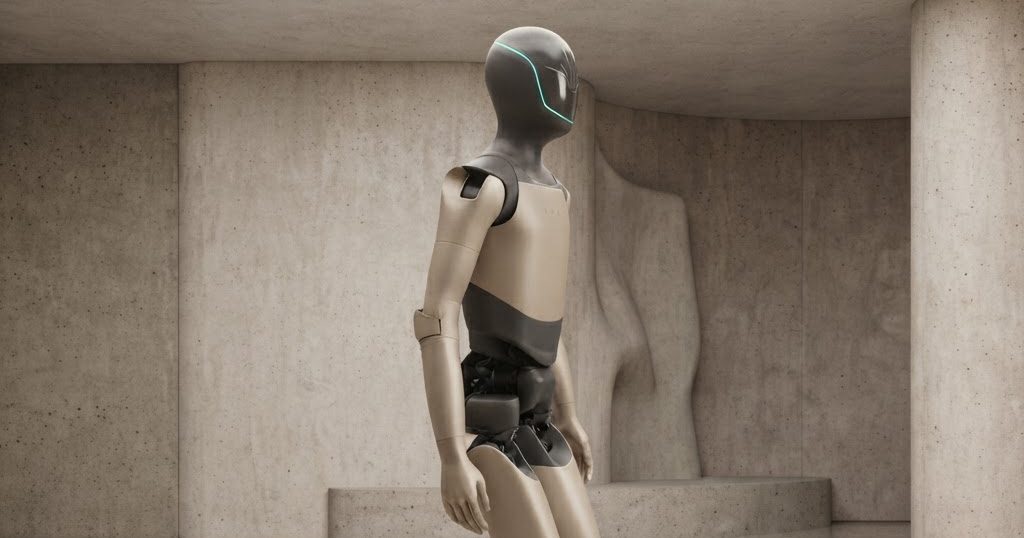
Mind is developing AI foundation models together with purpose-built robot hardware for manufacturing tasks that need dexterity. It has not shown a product publicly. According to TechCrunch, Scaringe says Mind will not try to copy all of human biomechanics, unlike Tesla and other humanoid makers. Electrek notes that Mind has not said whether its hardware is humanoid at all.
The money behind it is substantial. Mind has raised more than $1 billion in under a year:
- A $115 million seed round led by Eclipse, in late 2025.
- A $500 million Series A co-led by Accel and Andreessen Horowitz, in March 2026.
- A $400 million round led by Kleiner Perkins, in May 2026, which Reuters reported valued Mind at $3.4 billion.
The venture arms of Volkswagen and Salesforce are also investors. Rivian owns about a third of the company and is its first customer, giving Mind a high-volume car plant in Normal, Illinois, for collecting training data and testing robots.
How it compares with Tesla Optimus
The two companies are betting on different ideas:
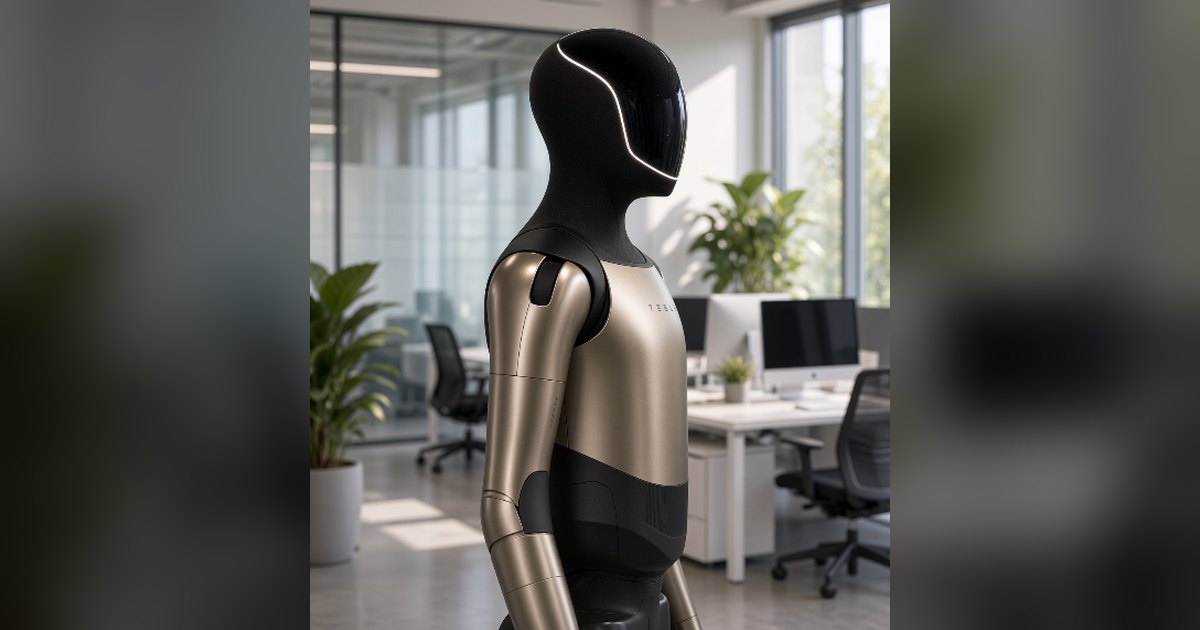
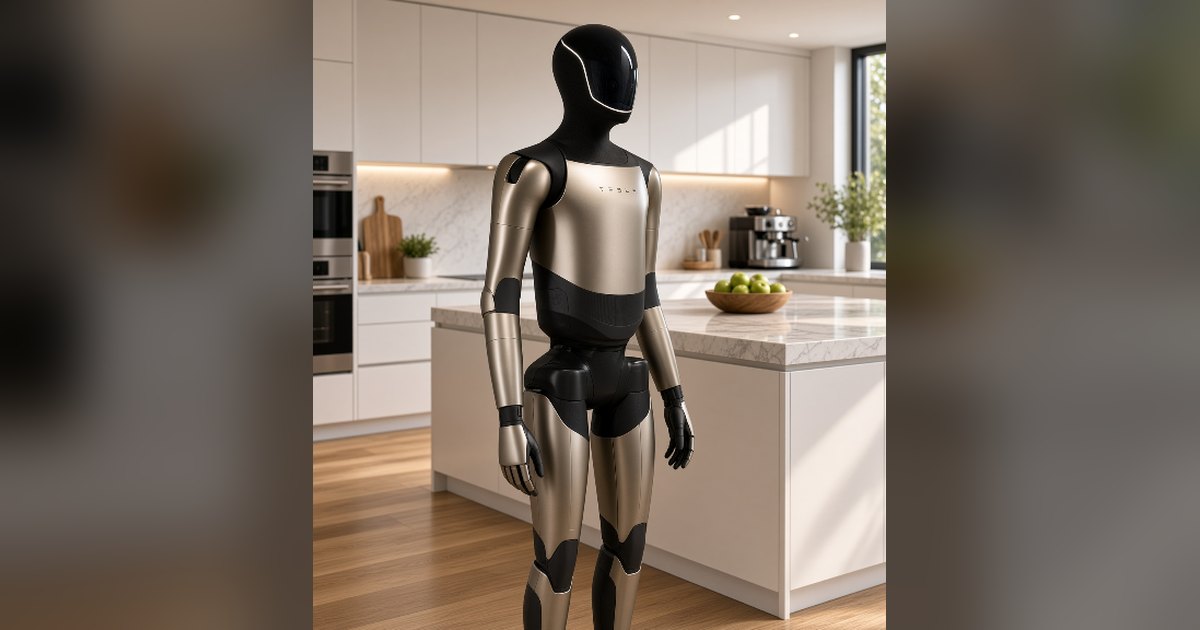
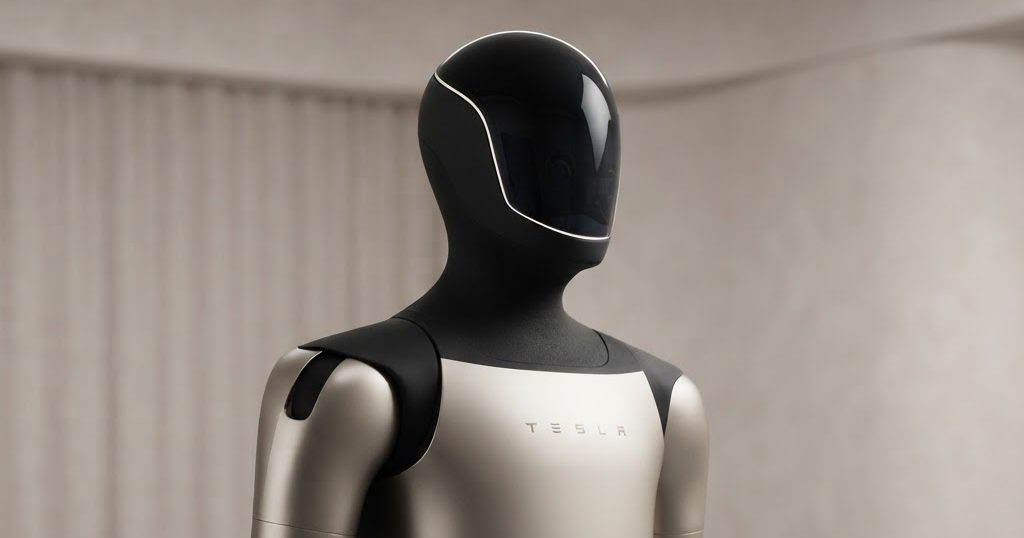
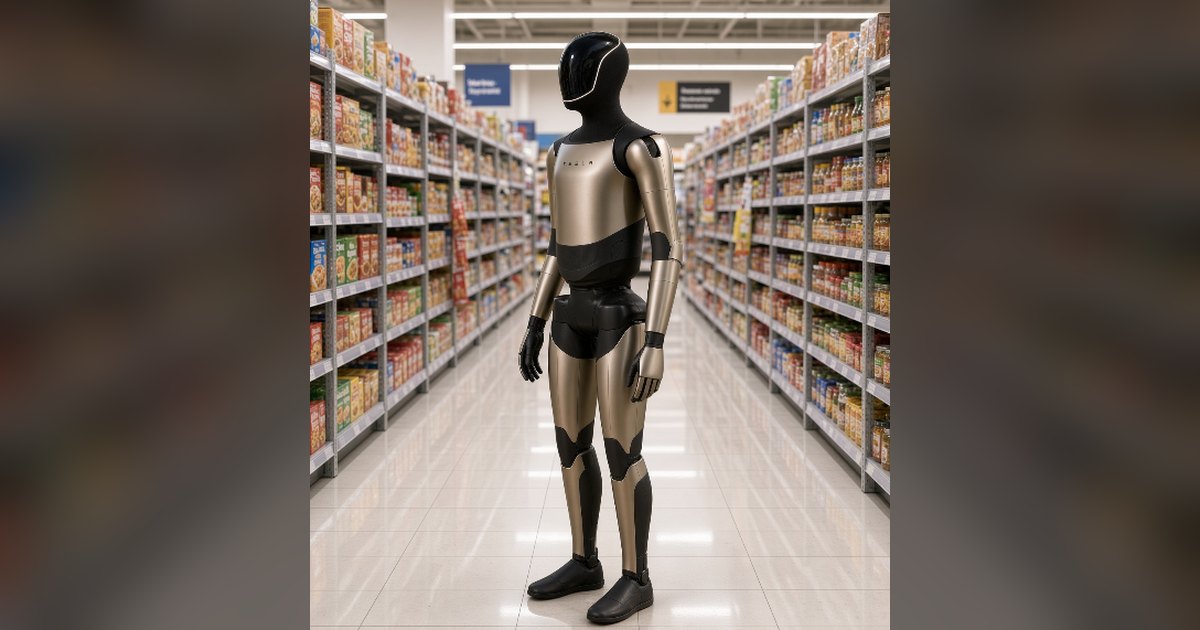
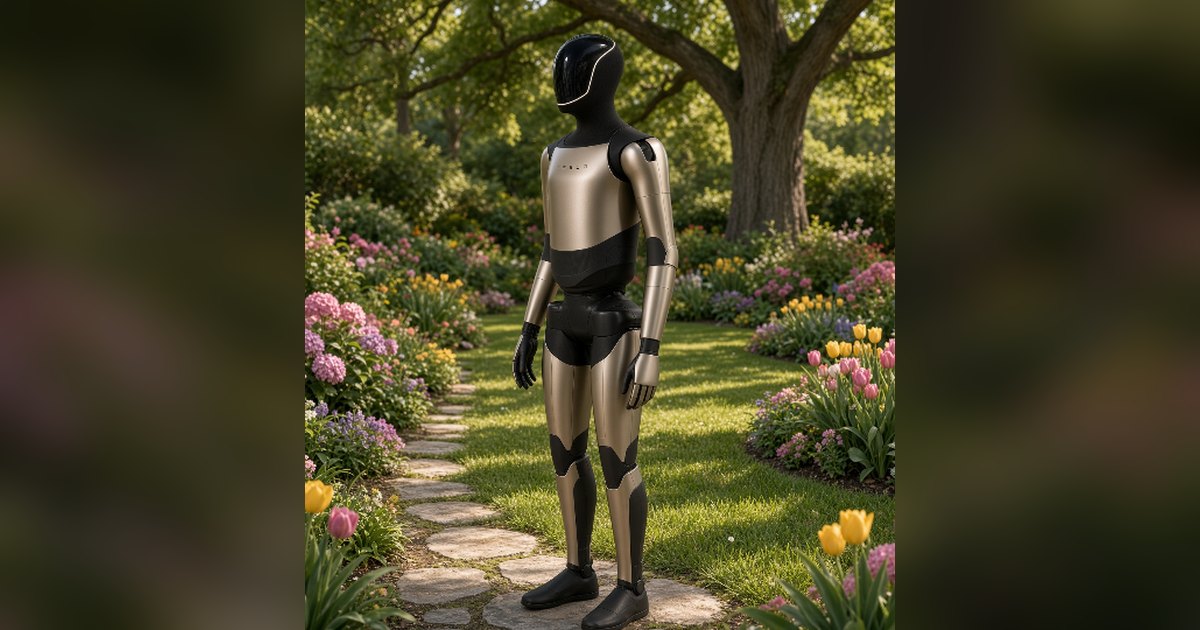
- Form: Tesla builds a general-purpose humanoid, meant to do many jobs in spaces designed for people. Mind builds robots shaped around specific factory tasks.
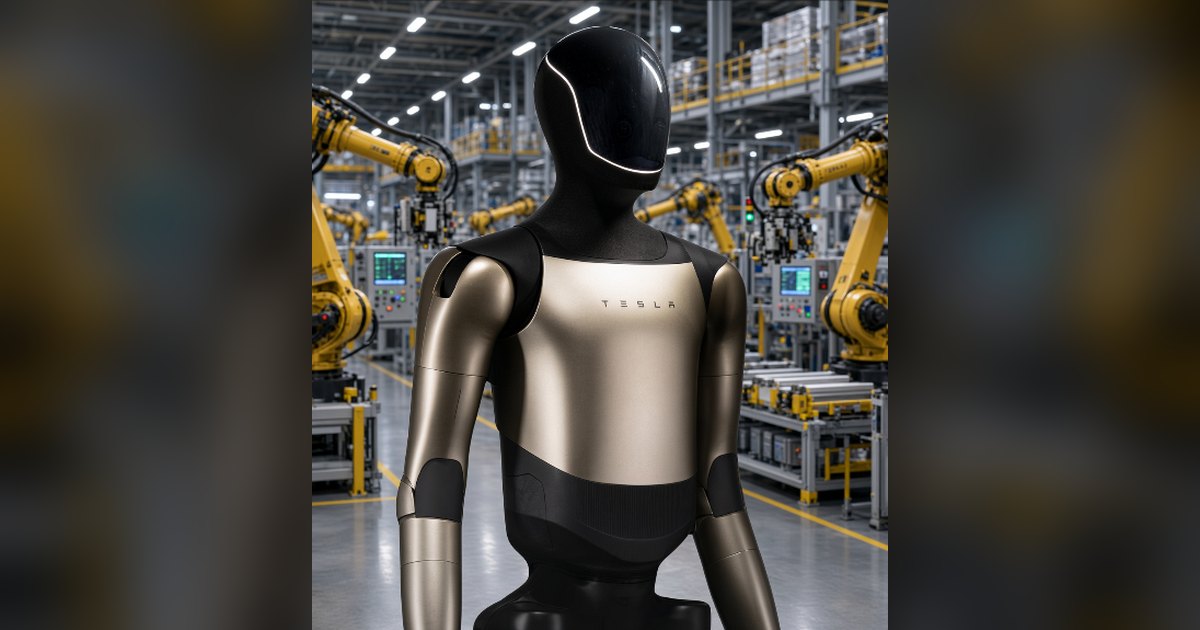
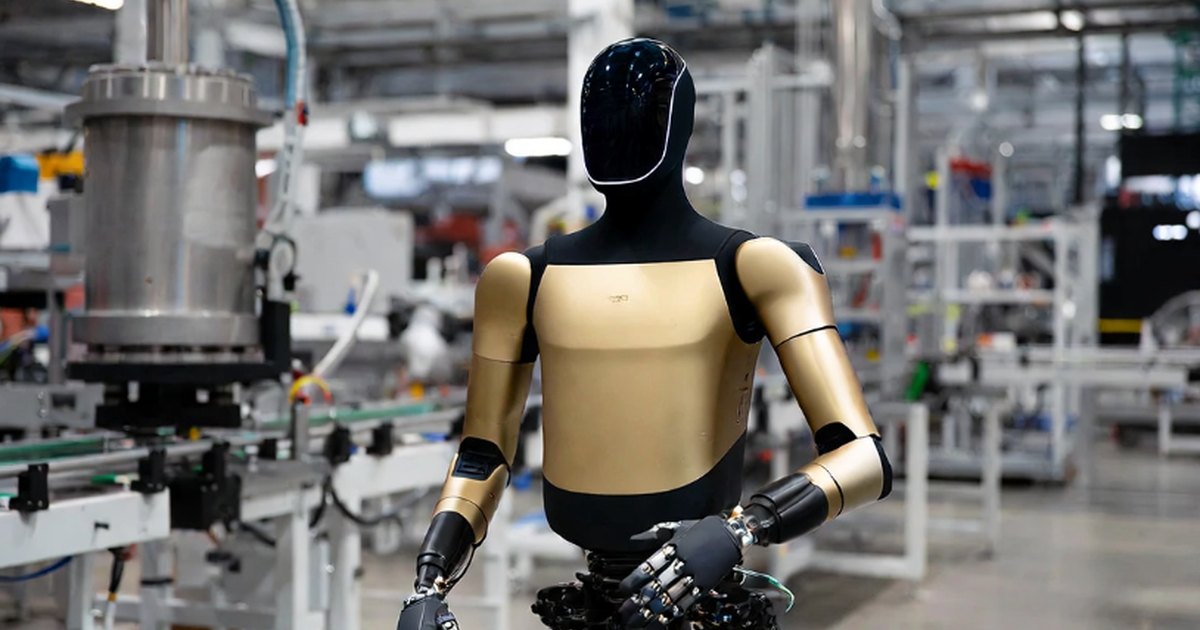
- Training ground: both use their own car factories. Tesla trains Optimus in its plants; Mind uses Rivian's assembly line.
- Style: Tesla has staged public demos and given ambitious unit targets. Mind has shown nothing yet and given no numbers.
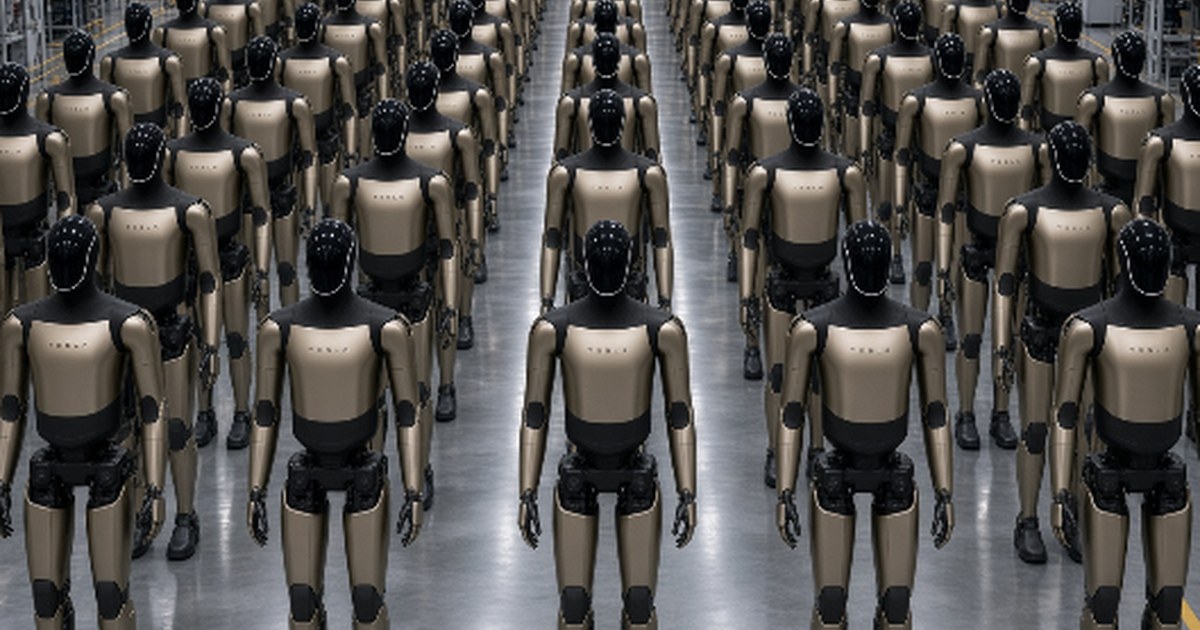
- Scale: Tesla has converted its former Model S and Model X lines in Fremont into an Optimus line designed for up to a million robots a year, though Musk has said output will be very slow at first.
Tesla's track record here is mixed. Musk predicted about 10,000 Optimus robots would be built in 2025, and in January 2026 admitted none were yet doing useful work in Tesla's factories.
Why it matters
Hiring is one of the clearest signals in robotics. Field's career is about taking a product from the lab to high-volume production, which is exactly where robot makers, Tesla included, have struggled. Reliable hardware that survives full factory shifts is harder than raising money for AI models. If Mind gets that right with a narrower design, it could show that factory automation does not need a humanoid at all, which would challenge part of the case for Optimus.
What to watch next
Watch for Mind's first public product, whether it turns out to be humanoid, and how quickly its robots appear on Rivian's R2 line. On Tesla's side, the third-quarter earnings call later this month should give a fresh update on Optimus production in Fremont.