 3 min
Musk: Optimus and Cybercab will be 'the vast majority' of Tesla's value, days after the Roadster reveal
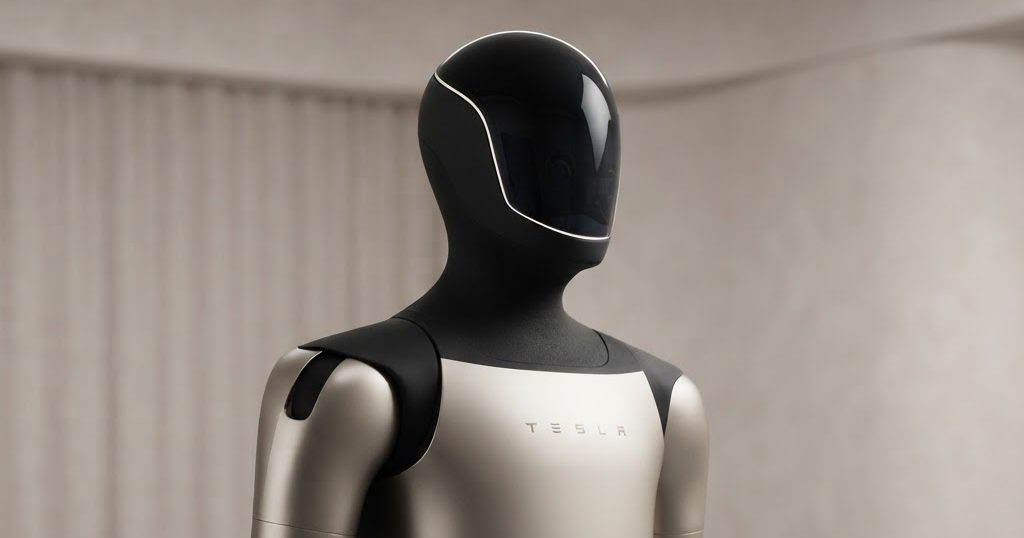
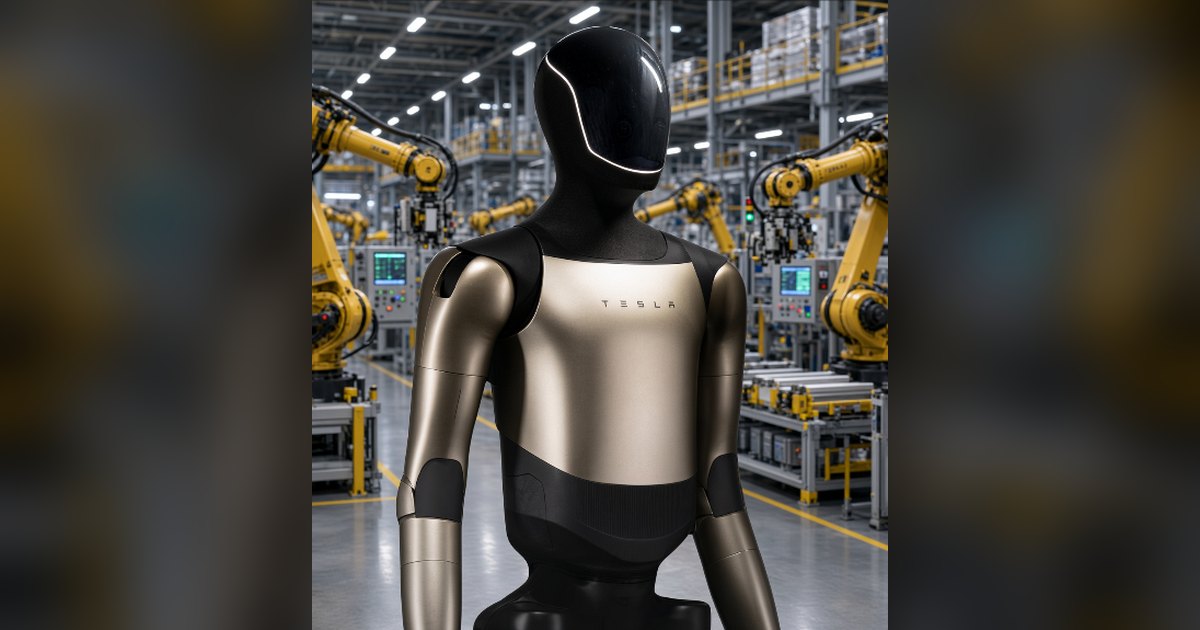
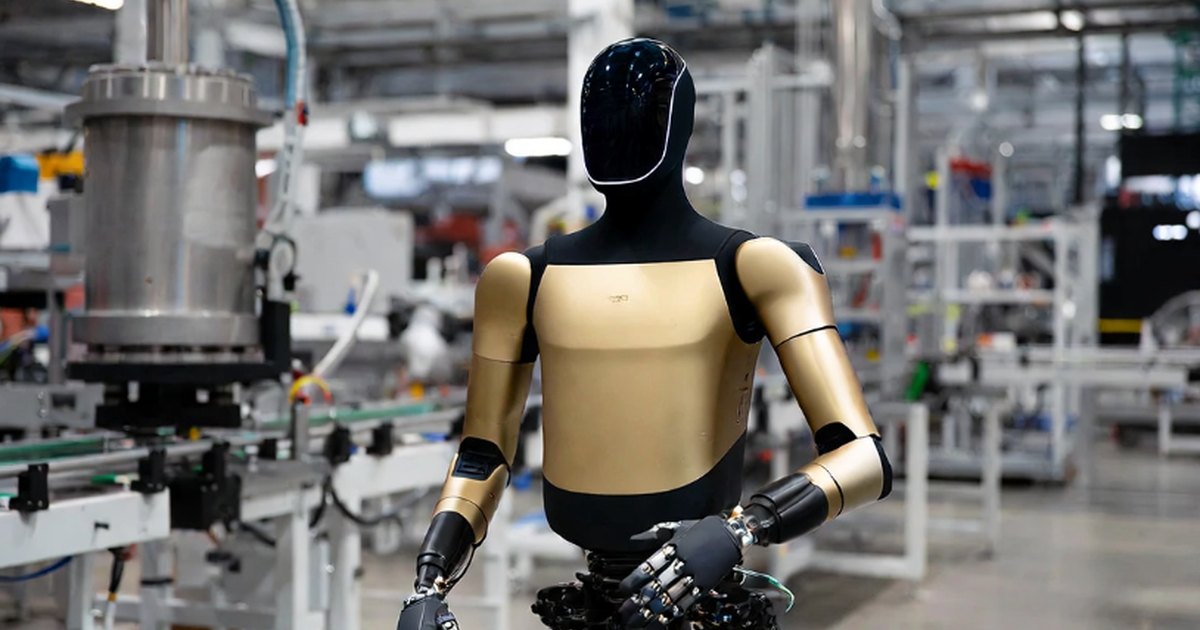
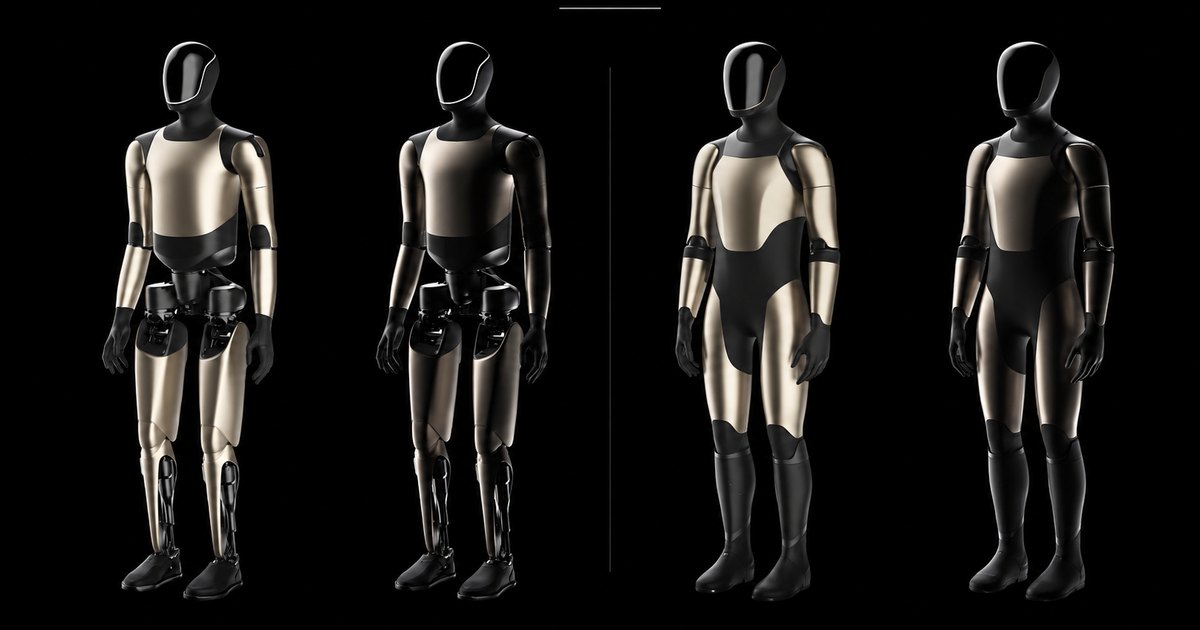
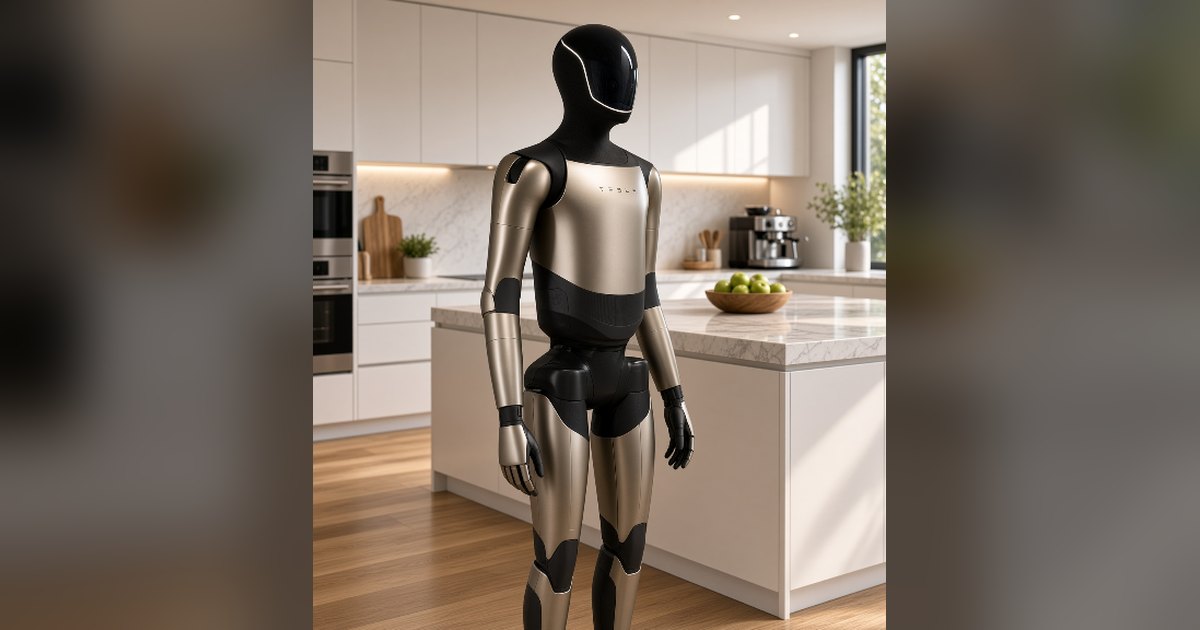
Replying to a post on X, Elon Musk said Tesla's humanoid robot and its robotaxi will make up most of the company's value. Meanwhile, the new Roadster already borrows actuators from Optimus.
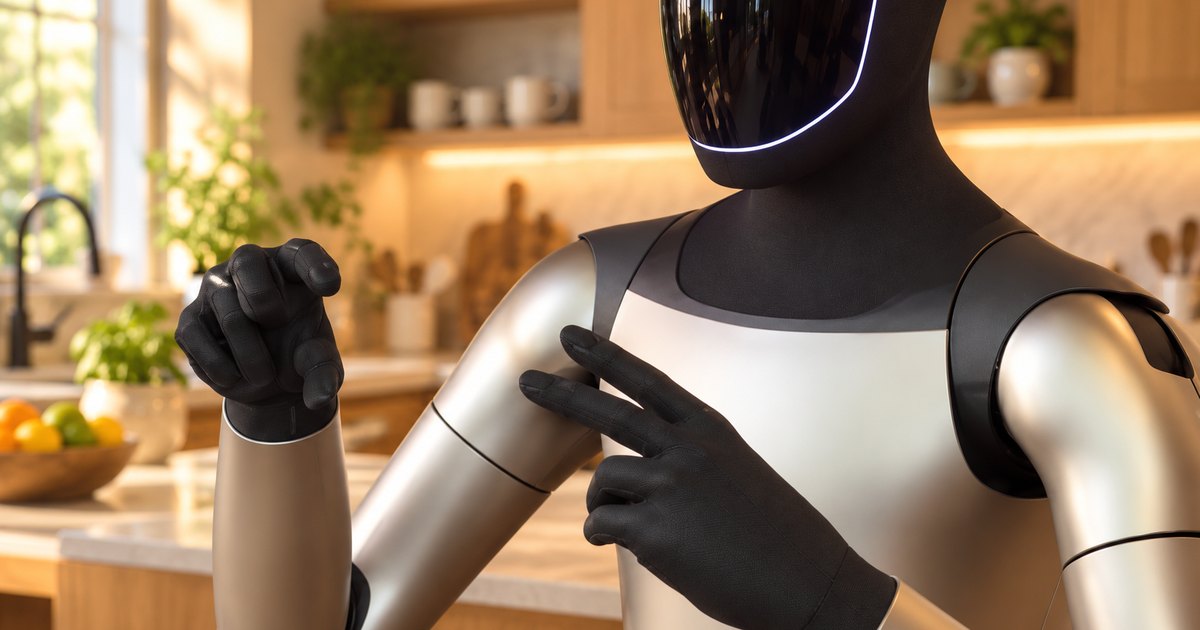
Three days after Tesla unveiled its new Roadster, Elon Musk made clear where he thinks the company's future really lies. In a short post on X, he said that Optimus, Tesla's humanoid robot, and Cybercab, its driverless two-seater, will be "the vast majority of Tesla's value".
What Musk wrote
The post went up late on Saturday evening, October 17, US Pacific time (October 18 in Europe). Musk was replying to the account Teslaconomics, which had argued that people looking only at Roadster sales and margins were missing the bigger picture.
Musk went a step further. He listed the things he believes can grow to an enormous scale economically: superintelligence, robots, solar power and transport to space. If you have the first two, he added, the rest will follow. He also made clear the Roadster is not part of that list, saying Tesla is building it anyway because it is "super cool".
Musk gave no figures or timeline to support the claim.
Not a new idea
This is not the first time Musk has put Optimus at the centre of Tesla's value. In early September 2025, shortly after Tesla published its fourth "Master Plan", he said on X that about 80% of Tesla's value would eventually come from Optimus. The new post goes slightly broader by adding Cybercab, which started giving rides in Austin in September.
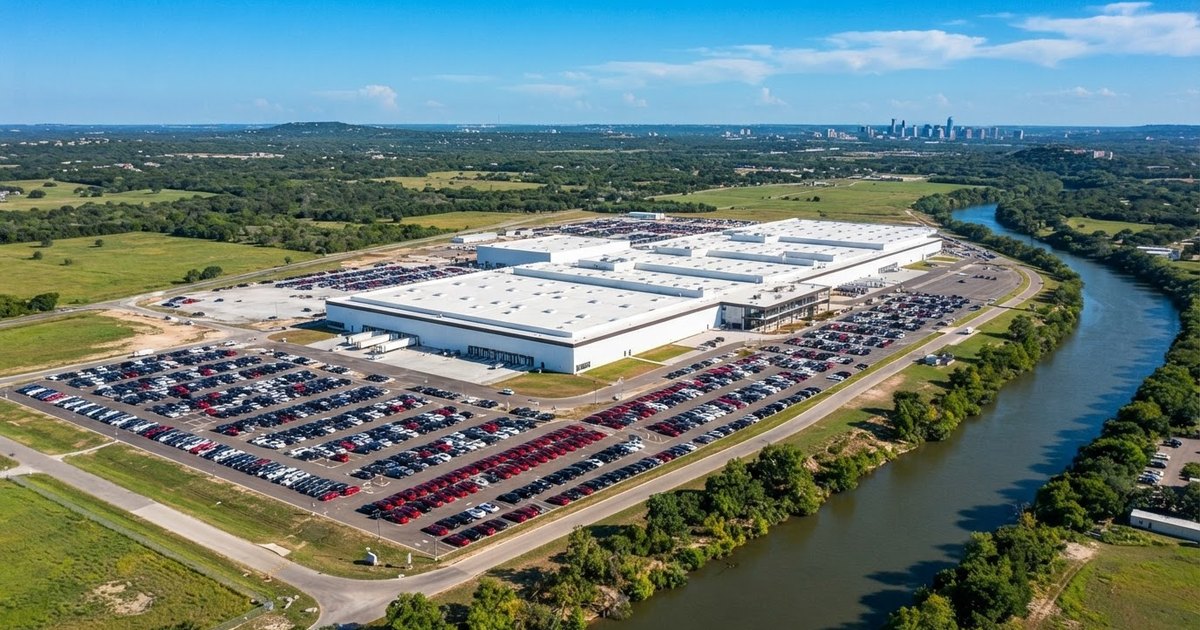
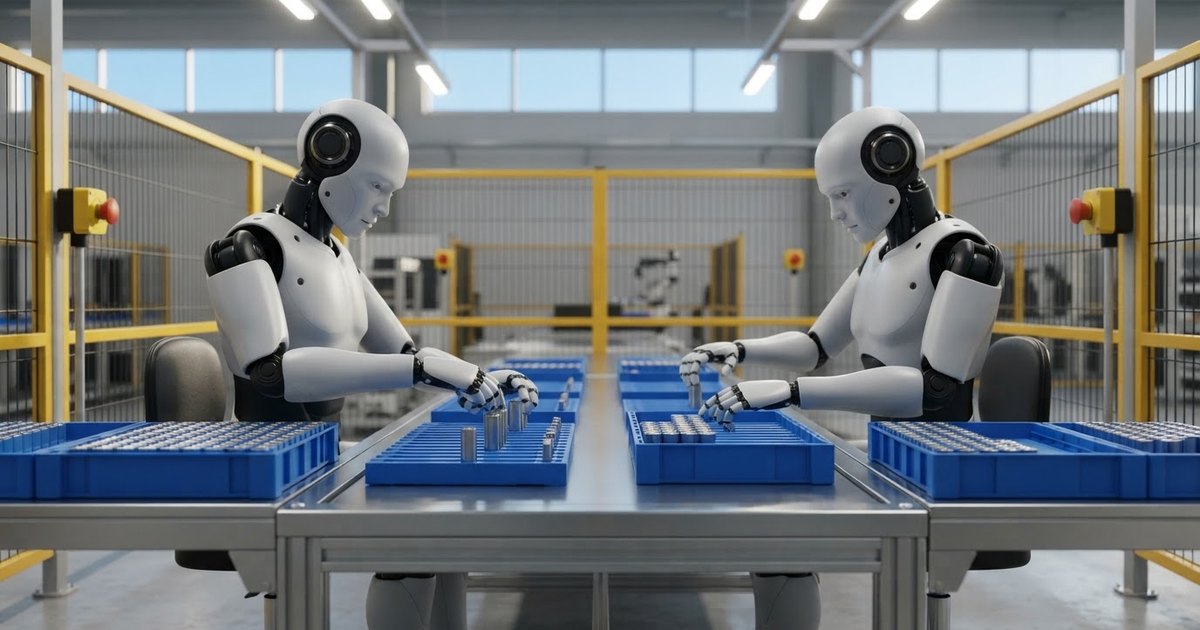
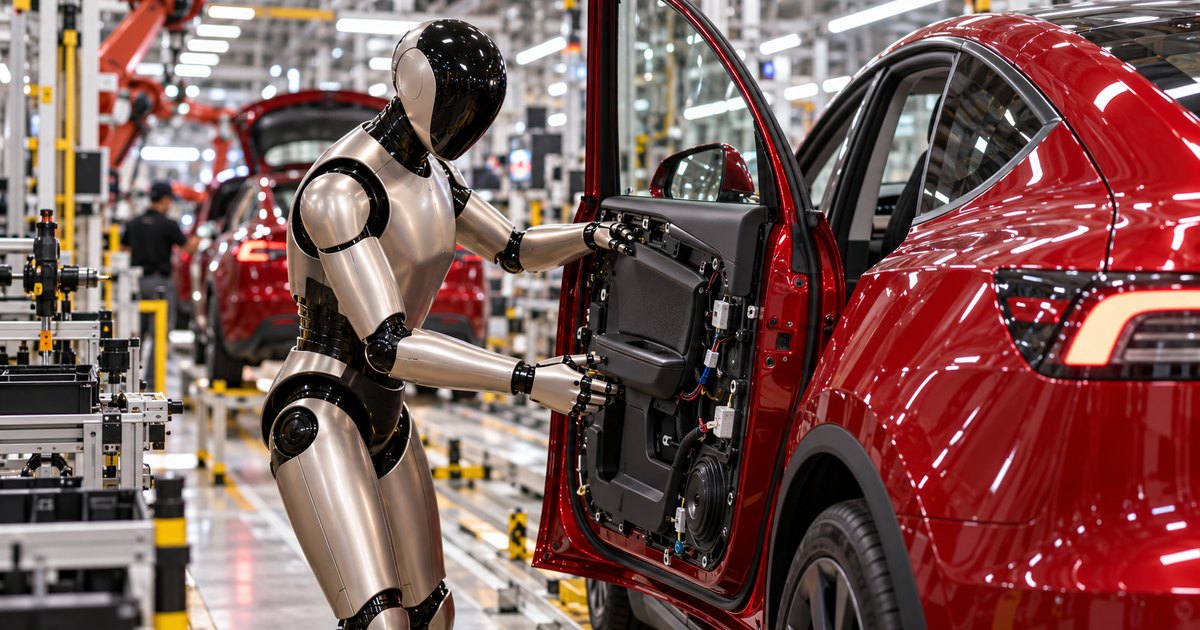
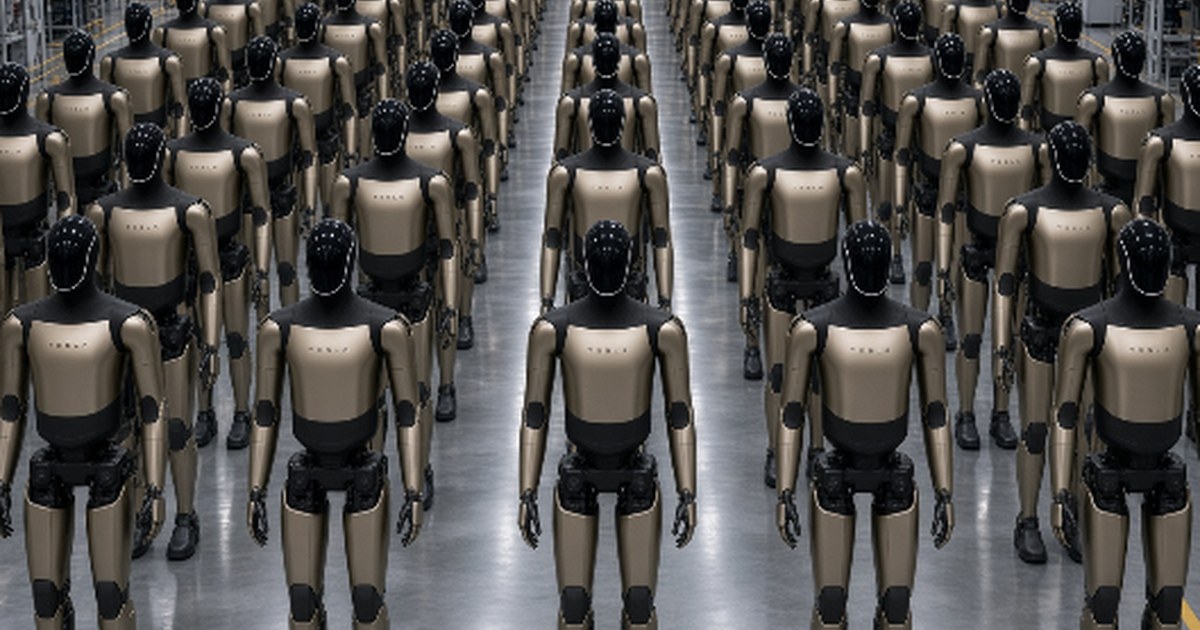
What has changed since 2025 is the hardware. Tesla has converted the former Model S and Model X lines in Fremont for Optimus production, and is building a second, larger Optimus plant in Texas. But Optimus has not been sold to any outside customer yet, and earns no revenue today.
An Optimus part in the Roadster
There is one small link between the Roadster and the robot. In an interview with Hagerty recorded the day before the October 15 reveal, Tesla's vice president of vehicle engineering, Lars Moravy, said the Roadster's moving rear wing is driven by leg actuators from Optimus. He said that "nobody in the world" is better at making actuators than Tesla.
Actuators, the motors and gears that move each joint, are one of the most expensive parts of a humanoid robot. Using the same parts in a car could help Tesla spread their cost over more units, although Tesla has not said that is the reason.
Why it matters
Tesla's share price already assumes a lot of future growth beyond car sales. A statement like this from the CEO tells investors to judge the company on two products that are still early: a robotaxi that operates in limited areas, and a humanoid robot that is not yet for sale. That raises the stakes for each update on both programs.
It also helps explain why Tesla keeps investing in Optimus while its car business is under pressure. For critics, it is another long-range promise that is hard to measure today. For supporters, it is the core of the story.
What to watch for next
Tesla reports its third-quarter results on Wednesday, October 21. According to TeslaNorth, one of the investor questions submitted for the call asks how much each Optimus robot costs to make. Any concrete answer, on cost, production volume or a delivery date for outside customers, would give the first hard numbers behind Musk's claim.
This article is for information only and is not financial advice.
Sources (3)
Images are illustrations; some are made with AI.