Musk unveils Terafab in Austin: Tesla, SpaceX and xAI will build their own chip factory, aiming for a terawatt of compute a year4 min

Musk unveils Terafab in Austin: Tesla, SpaceX and xAI will build their own chip factory, aiming for a terawatt of compute a year

SpaceX ·

At a livestreamed keynote in Austin, Elon Musk announced Terafab, a joint chip-making project of Tesla, SpaceX and xAI. It starts with an 'advanced technology fab' that can make logic and memory chips and their masks under one roof, and makes two kinds of chips: one for Optimus and cars, one for AI in space.

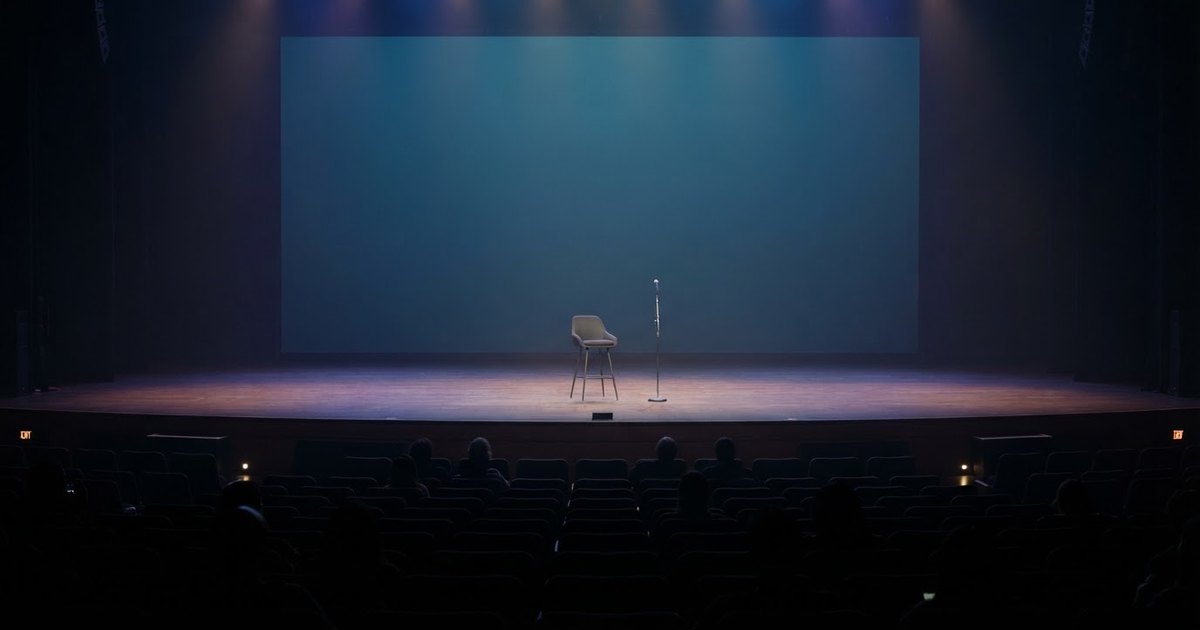
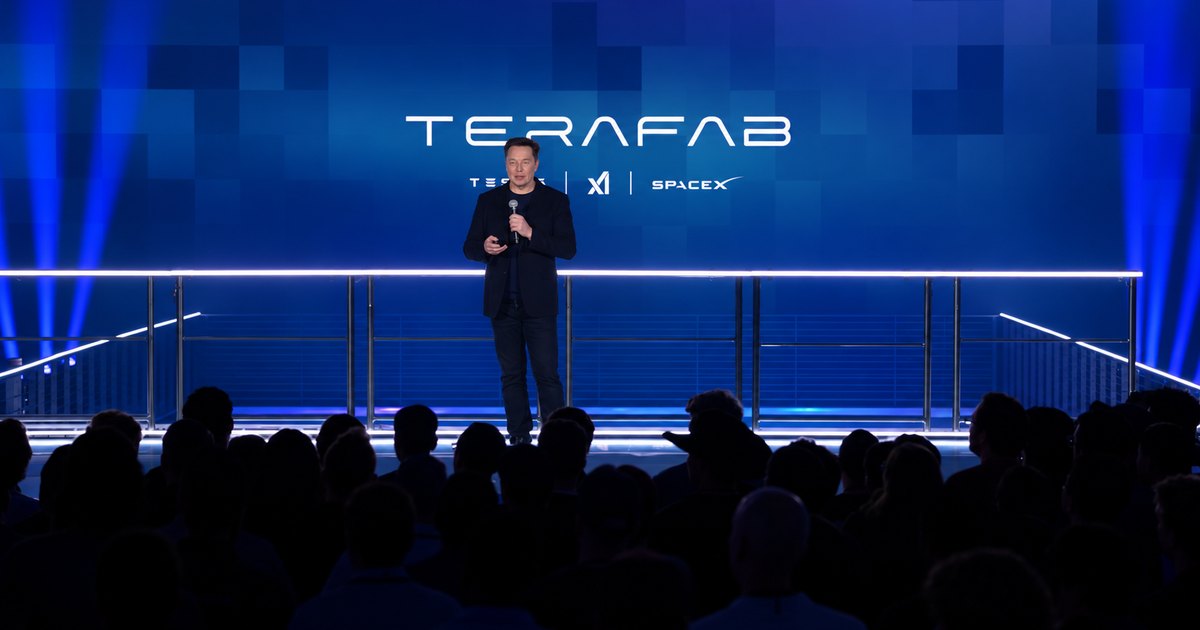
Elon Musk has announced what he called "the most epic chip building exercise in history by far". At a livestreamed keynote in downtown Austin on Saturday evening, March 21, he presented Terafab: a joint project of Tesla, SpaceX and xAI to make their own AI chips, at a scale far beyond what today's chip industry produces.

What Musk announced

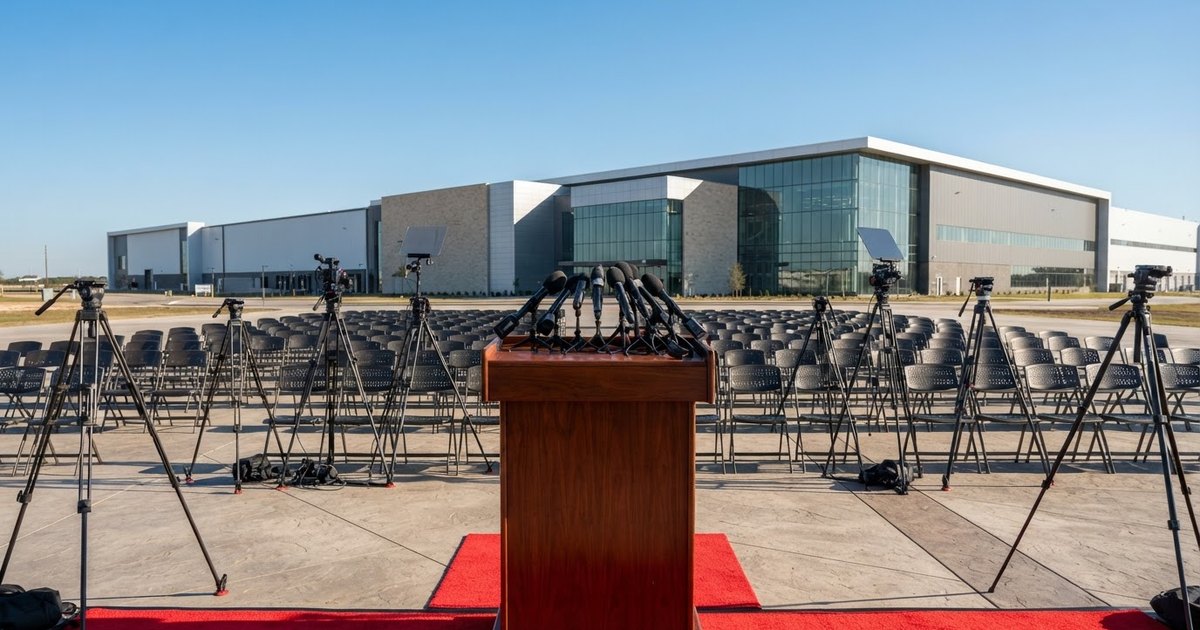
  • A first fab in Austin: the project starts with an "advanced technology fab" in Austin. Musk thanked Texas governor Greg Abbott, who was in the audience, for the state's support. An exact site was not given.
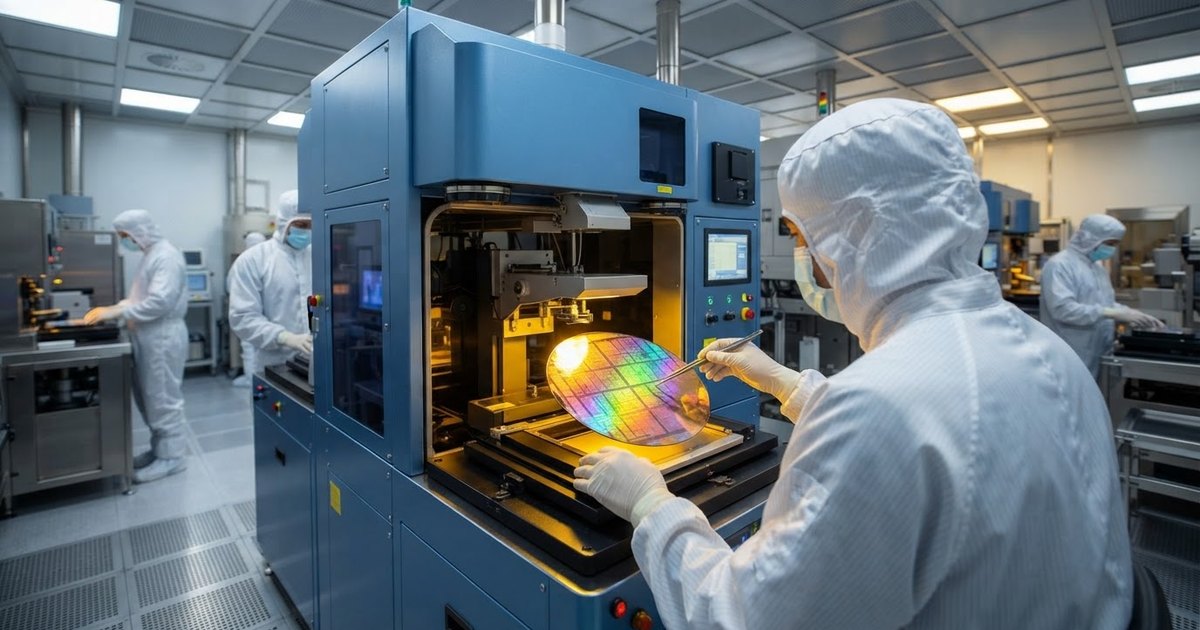
  • Everything under one roof: according to Musk, this fab will have the equipment to make chips of any kind, logic and memory, plus the equipment to make the lithography masks. Packaging and testing happen in the same building. That allows a fast loop: make a mask, make a chip, test it, change the design and repeat. Musk said he knows of no other place in the world that can do all of this in one building, and claimed the speed of improvement will be about ten times better than anywhere else.
  • Two kinds of chips: one optimised for running AI on the device itself, mainly for Optimus robots and Tesla cars, and one high-power chip designed for space. The space chip has to cope with radiation and charge build-up, and is meant to run hotter than chips on Earth so that the satellites need smaller radiators.
  • New physics: beyond conventional chips, Musk said the team will try "wild and crazy things", including new physics he expects to work eventually.

Why Musk says he needs it

The goal is a terawatt of AI compute per year. According to Musk, the world currently produces about 20 gigawatts of AI compute a year, and all existing chip factories combined deliver only about 2 percent of what his companies want. He stressed that Tesla, SpaceX and xAI remain grateful customers of Samsung, TSMC and Micron, and will buy everything they can make, but those suppliers do not want to expand as fast as he would like. "We either build the Terafab or we don't have the chips," he said. "And we need the chips, so we're going to build Terafab."

What it means for Tesla and Optimus

For Tesla, the first chip type matters most. Musk expects humanoid robots to be built in far larger numbers than cars eventually: somewhere between one billion and ten billion a year, against roughly 100 million cars worldwide today, and he wants Tesla to make a large share of them. Each of those robots needs an AI chip. Musk also pointed to what the companies have done before: Tesla now builds about 2 million electric cars a year, xAI built what he called the first gigawatt-scale compute cluster, and SpaceX has landed rockets more than 500 times.

The space part

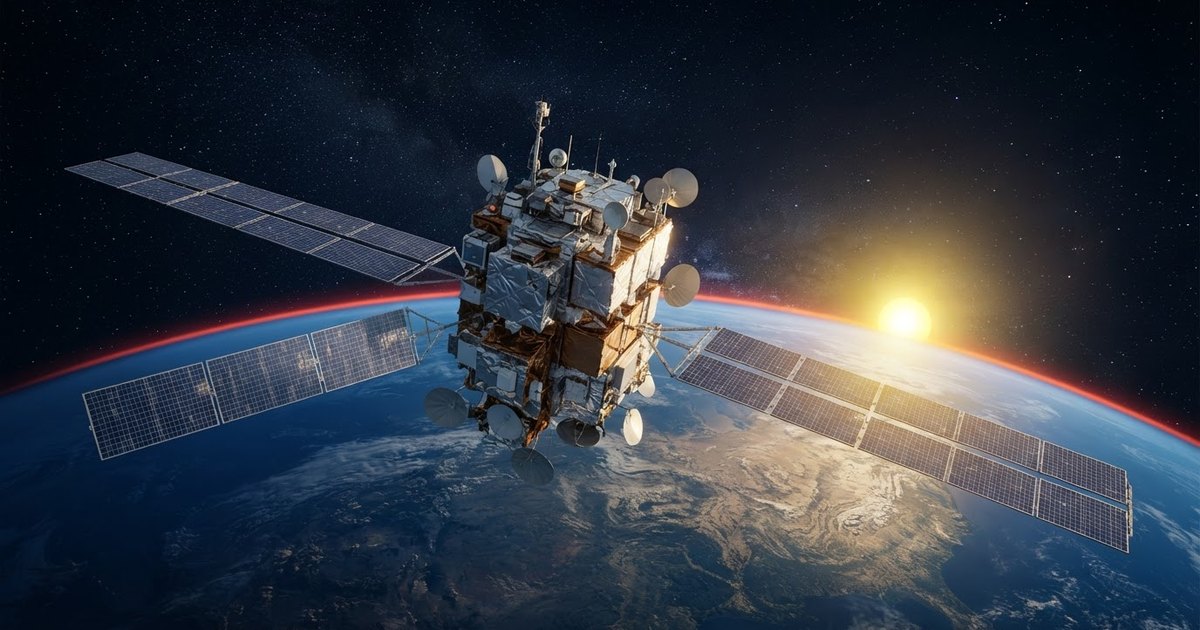
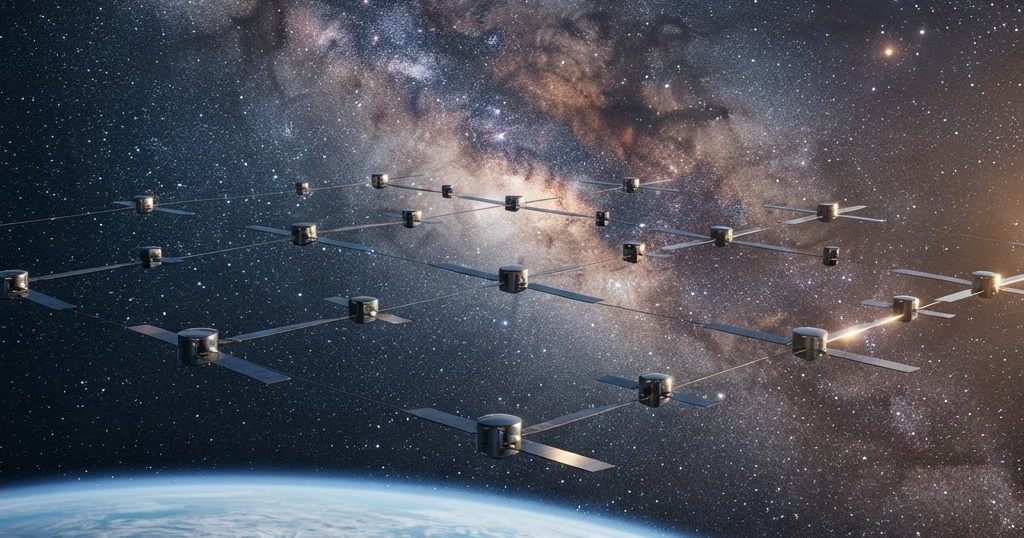
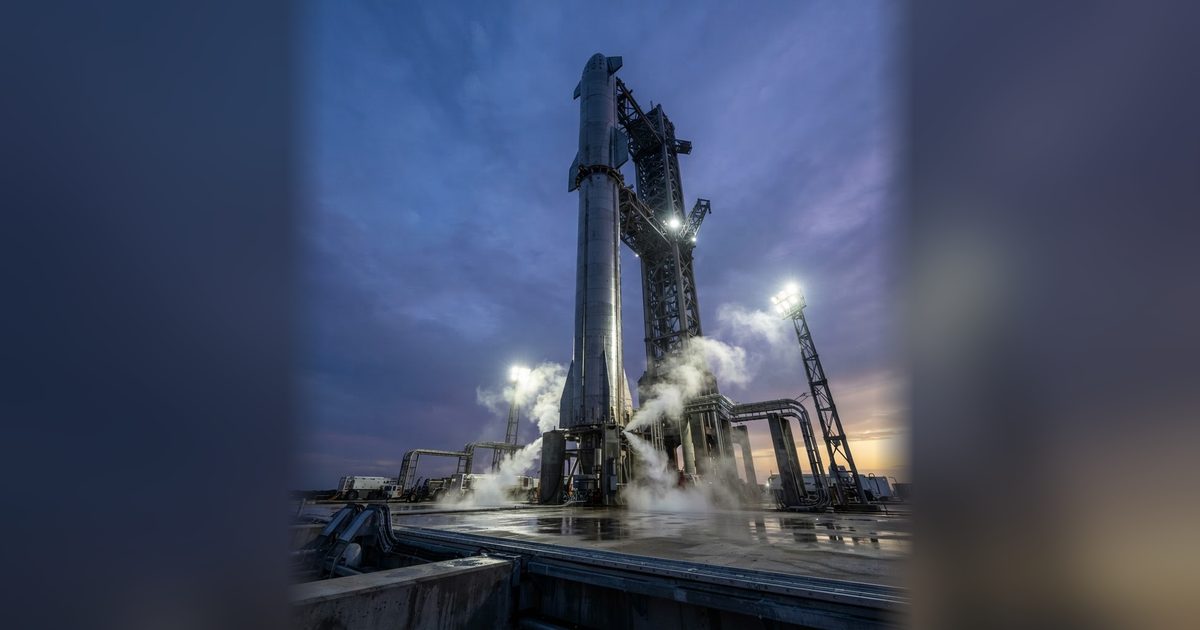
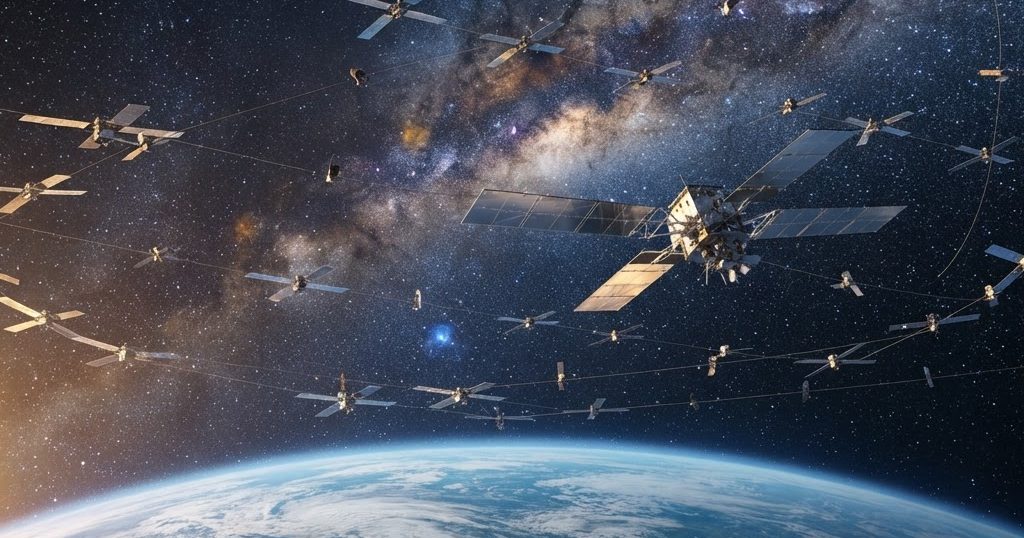
Most of the compute, Musk said, will end up in space: perhaps 100 to 200 gigawatts a year of chips on Earth and around a terawatt in orbit, because power on Earth is limited. In space the sun always shines, solar panels deliver at least five times more energy, and they need no heavy glass or frames. He showed a small "mini" AI satellite of about 100 kilowatts next to a Starship V3, and said later satellites will move to the megawatt range. Reaching a terawatt would require about 10 million tons to orbit a year, which he said Starship can achieve, with payload rising from about 100 to 200 tons per launch. He predicted that AI in space could become cheaper than AI on Earth within two or three years.

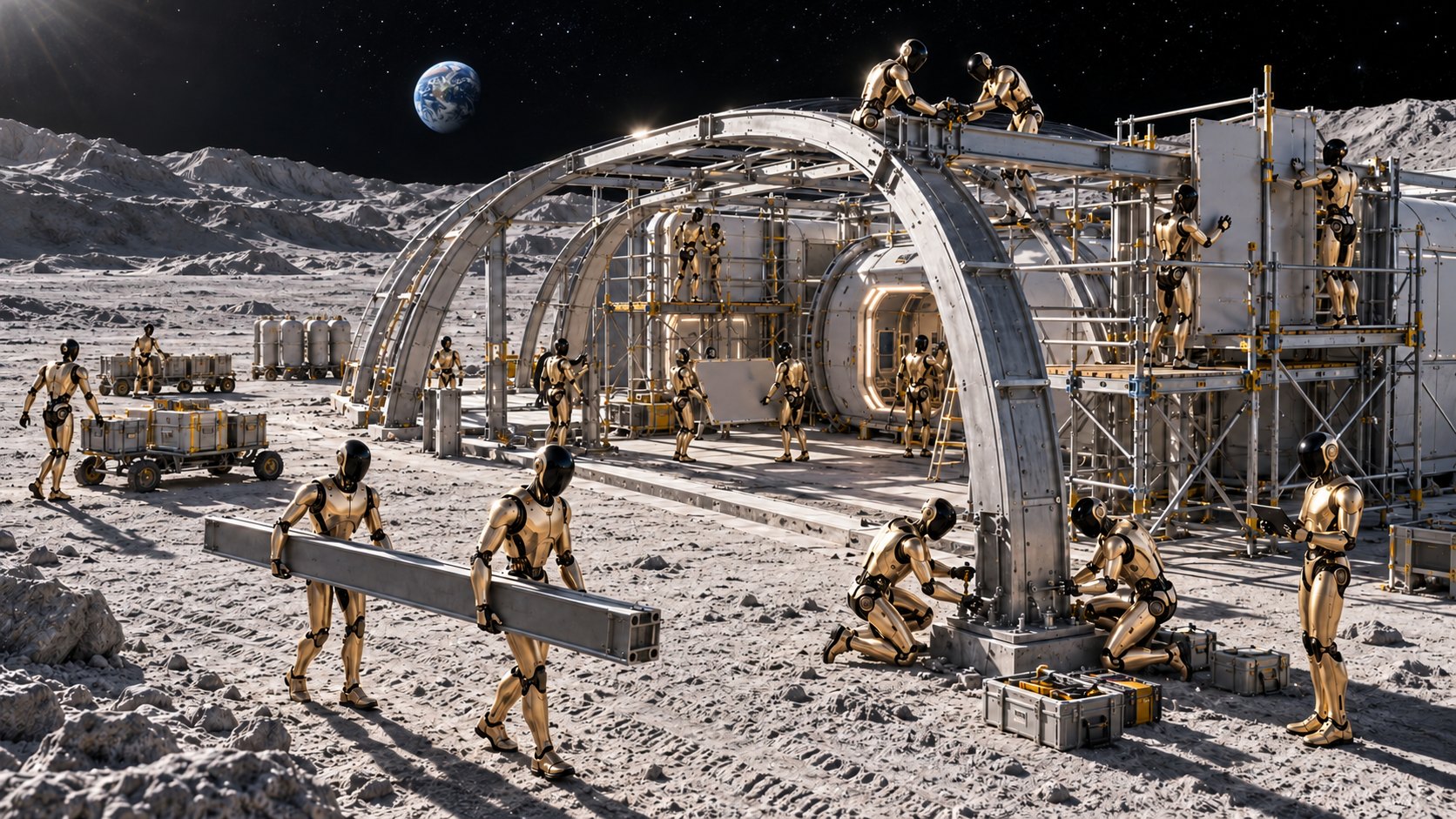
Musk went even further: after a terawatt, he talked about an electromagnetic mass driver on the Moon, operated with Optimus robots and people, to launch compute into deep space without rockets.

The open questions

  • No timeline or cost: the keynote gave no completion date and no budget. Reports put the cost of the first phase at around $20 billion, but that was not confirmed on stage.
  • A very hard industry: advanced chip factories are among the most complex projects in the world, and even experienced chipmakers struggle with delays.
  • Ambition versus track record: many of the numbers, from billions of robots to a terawatt in orbit, are long-term goals, and several of Musk's earlier timelines have slipped.

What is clear is that Tesla, SpaceX and xAI now openly plan to share one chip supply chain, a step that ties Tesla's robots and cars more closely to Musk's space and AI companies.

Sources (3)

Images are illustrations; some are made with AI.
11 kW

A 22 kW charger won't charge your Tesla any faster

Most Tesla models charge at home at up to 11 kW AC.

Read why →

SpaceX info

4 min

SpaceX filing says any Tesla merger needs Musk's approval, even though he has stepped back from the talks

SpaceX's third-quarter 10-Q lists three approvals for a combination with Tesla: its special committee, its board and its controlling shareholder, Elon Musk. Here is what that means for Tesla shareholders.

5 min

Inside the new Tesla Roadster: rear-wheel drive, a double-cooled 4680 pack, suction fans and SpaceX cold-gas thrusters

In a detailed walkaround, Tesla engineering chief Lars Moravy explained what sits under the Roadster's skin: two rear motors with over a megawatt, an aluminium-can 4680 battery, Optimus actuators, four suction fans and a 10,000 psi nitrogen system built with SpaceX.

3 min

Tesla's deals with Musk's other companies: every related-party transaction in the 2026 proxy

Megapacks for xAI, Cybertrucks for SpaceX, ads on X and a $2 billion SpaceX stake: Tesla's proxy statement lists what it bought from and sold to companies linked to Elon Musk and its directors.

4 min

Why the Cybertruck and Starship are both made of stainless steel: the shared metal behind Tesla and SpaceX

Tesla's pickup and SpaceX's rocket share more than an owner. Both use cold-worked stainless steel developed by a materials team that worked for both companies. Here is how that came about.

3 min

SpaceX wants a million AI satellites in orbit: why most Terafab chips, and Tesla's AI7, are meant for space

SpaceX has filed for up to one million computing satellites and shown its first design, AI1. Here is the plan, the obstacles, and how Terafab and Tesla's chip roadmap tie into it.

3 min

The Mars window is opening, but Starship and Optimus are staying home: why SpaceX chose the Moon first

Musk once promised Starship would leave for Mars at the end of 2026 with Tesla's Optimus on board. That window is here and no rocket is going. What changed, and what it means for Optimus.

2 min

Musk the trillionaire: why SpaceX, not Tesla, now drives his fortune, and why that matters to Tesla

SpaceX's IPO made Elon Musk the first person worth more than $1 trillion. How his wealth shifted, where his time goes, and the questions it raises for Tesla shareholders.

2 min

Starlink V3 explained: why the new satellites need Starship, and what a 100 times bigger network would change

SpaceX has launched its first third-generation Starlink satellites and plans a booster and ship catch on the next Starship flight. What V3 is, the targets, and the link to connected and driverless cars.

2 min

SpaceX on the stock market: the record IPO explained, and what it means for Tesla shareholders

SpaceX listed on Nasdaq in June 2026 in the largest IPO ever. The price, the valuation, Musk's voting control, and the ways Tesla is tied to its sister company.

2 min

SpaceX's Q3 2026 results: revenue nearly triples and a $4.4 billion profit, a day before Tesla

SpaceX reported its second quarter as a listed company just before Tesla's results. The key numbers, what drove them, and why they matter for the Tesla-SpaceX merger debate.

3 min

Tesla's $2 billion xAI bet: from a failed shareholder vote to a stake in SpaceX

Shareholders did not back an xAI investment, yet Tesla put in $2 billion anyway. Weeks later xAI became part of SpaceX. Here is how that money ended up as SpaceX shares.

3 min

Up to 1.3 billion SpaceX shares can be sold from today: the biggest unlock since the IPO, and why Tesla investors are watching

Two trading days after its Q3 results, SpaceX's largest lock-up release lets employees and early investors sell up to 1.3 billion shares. Here is how the schedule works, what comes next and how it ties into the Tesla merger talks.

2 min

Terafab explained: why Tesla and SpaceX want to build their own chip factory

Terafab is a planned chip complex in Texas, shared by Tesla and SpaceX, with an initial $16.8 billion budget. Here is what it should make, why Musk says he needs it, and the risks.

3 min

Tesla, SpaceX, Starlink, xAI and The Boring Company: how Musk's companies fit together

With merger committees now studying a Tesla-SpaceX deal, it is worth knowing where Musk's companies already overlap. From chips and batteries to Starlink and Grok, here is the map.

4 min

Tesla and SpaceX form special committees to study a merger, Musk calls it 'a good idea'

On SpaceX's earnings call, Elon Musk confirmed both companies have set up committees of independent directors to explore a combination. No terms are agreed, and Tesla shareholders would face a high approval bar.

4 min

SpaceX will try to catch Starship itself on Flight 15: what is planned for November, and why Tesla investors care

On its third-quarter call, SpaceX confirmed that Flight 15 will try to catch both the Super Heavy booster and, for the first time, the Starship upper stage with the launch tower. Here is what we know.

2 min

Will Tesla and SpaceX merge? What Barclays expects, and what is actually confirmed

A Barclays note suggests a Tesla-SpaceX deal could be announced before Tesla's December shareholder meeting. Nothing has been agreed. Here is the scenario and the facts.

3 min

SpaceX launches Google's first AI-in-space satellite: a rival to its own orbital data center plans

SpaceX's Transporter-18 rideshare carried 130 payloads, including the first prototype for Google's Project Suncatcher, which will test Google's AI chips in orbit. Here is what Google is trying, how it compares with SpaceX's own plans, and the Tesla angle.

3 min

Falcon Heavy flies its first spy satellite mission, from the pad that once sent a Tesla Roadster into space

SpaceX's Falcon Heavy launched the classified NROL-97 mission for the National Reconnaissance Office, its 14th flight. The two side boosters landed back at Cape Canaveral. Here are the details, and why this rocket is forever linked to Tesla.

3 min

SpaceX Crew-13 reaches the space station in about eight hours, after a ride to the pad in 'Lucky 13' Teslas

Four astronauts launched on SpaceX's Crew Dragon Grace on October 1 and docked with the ISS in record time for NASA. As on every NASA crew flight with SpaceX since 2020, they rode to the rocket in Tesla cars.

4 min

Starship reaches orbit for the first time and releases 26 Starlink V3 satellites, despite an engine failure

On Flight 14, SpaceX's Starship lost an engine on the way up, still made it to orbit, deployed its first real satellites and came down early near Hawaii. Here is what happened and why it matters for Tesla.

4 min

Starship V3 flies for the first time: the ship hits its target, the booster crashes into the Gulf

SpaceX's first third-generation Starship launched from a new pad in Texas, deployed 22 dummy satellites and splashed down in the Indian Ocean. The Super Heavy booster failed to relight its engines.