 4 min
Optimus Academy: Tesla plans 10,000 to 20,000 robots that practise tasks to train each other
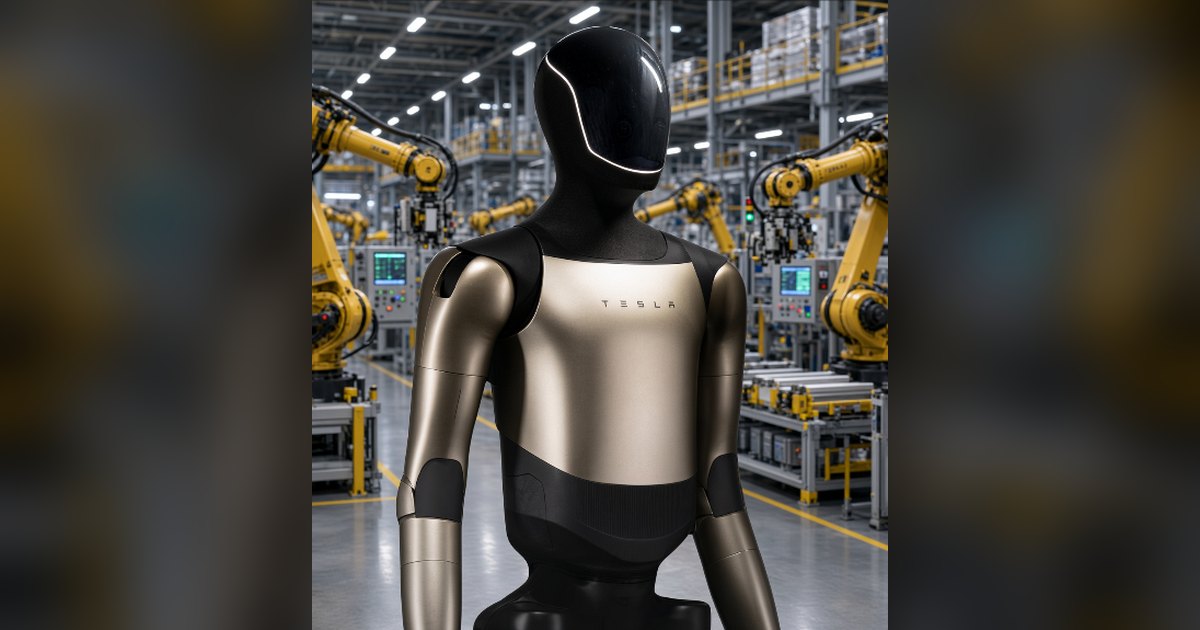
Tesla has no fleet of robots collecting data the way its cars do. Its answer is the 'Optimus Academy', where 10,000 to 20,000 robots would practise tasks and feed what they learn into the next AI model. Here is what Tesla said, and what is still unclear.
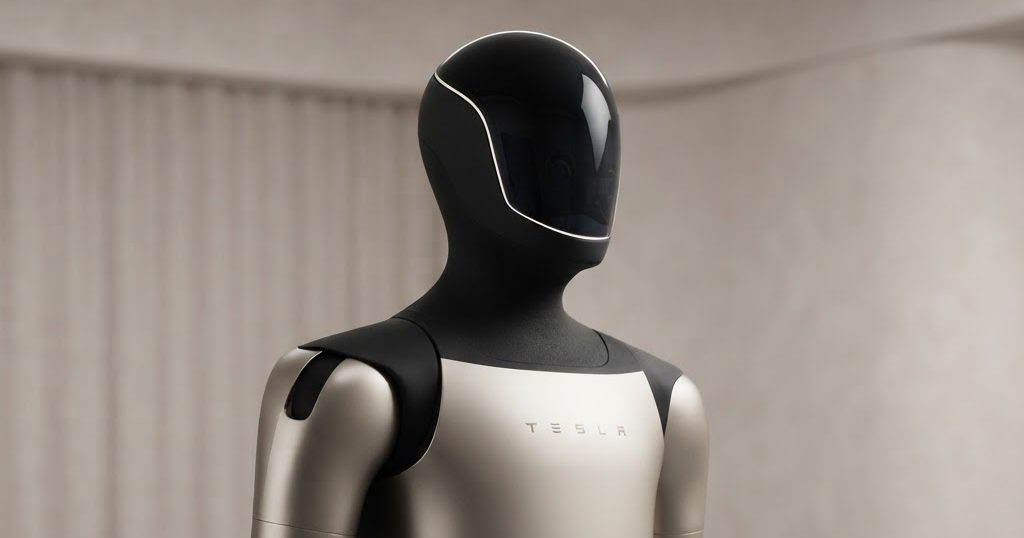
Tesla's self-driving software learns from millions of cars on the road. Its Optimus humanoid robot has no such fleet. On its third-quarter earnings call on October 21, Tesla described how it plans to close that gap: an 'Optimus Academy' in which thousands of robots practise tasks and generate their own training data.
What Tesla said
Elon Musk put the problem plainly on the call. Unlike the car business, he said, Tesla does not have a vast fleet from which it can gather training data for the robot. The plan, as reported by Teslarati and Electrek:
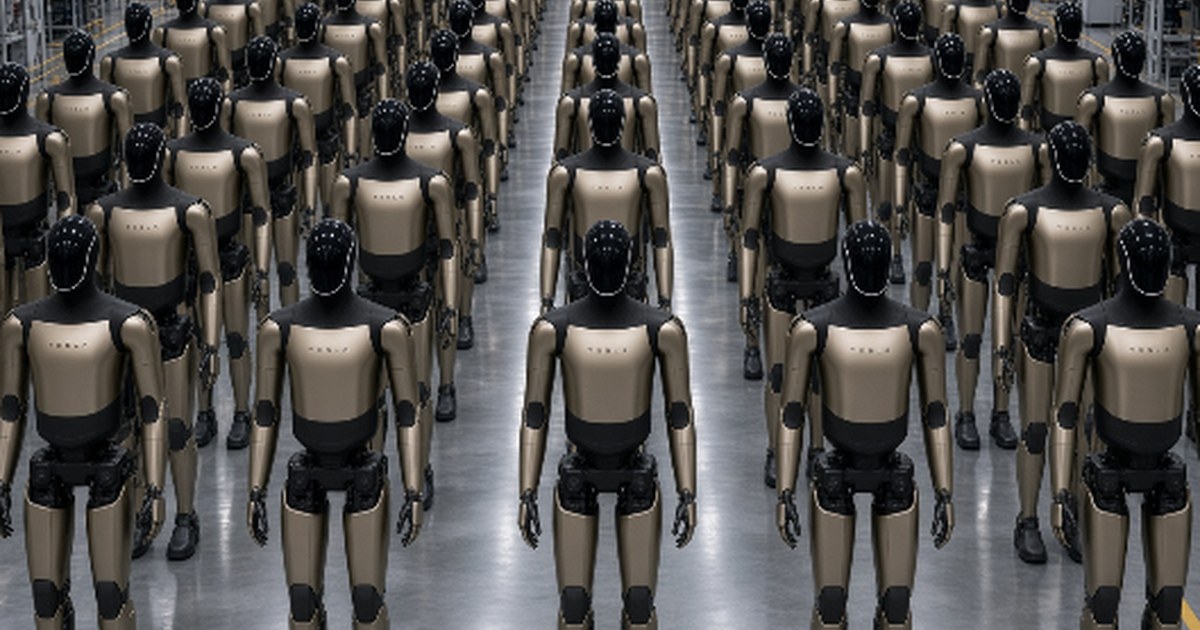
- 10,000 to 20,000 robots will be built to practise a range of tasks in what Tesla calls the Optimus Academy.
- What those robots learn feeds into the next version of the AI model, which then goes back to the robots.
- Every unit coming off the new Fremont production line becomes a source of training data.
Tesla did not say where the Academy will be, when it will reach that size, or whether the practice happens in real workplaces, in dedicated training areas, or partly in simulation.
Why Tesla needs it
Until now, Tesla has trained Optimus mainly with data from people: first operators in motion-capture suits steering the robot remotely, later workers wearing camera rigs while doing everyday jobs. That gives the robot examples of how humans move, but not the experience of its own body doing the work thousands of times.
Generalising is still the weak spot. Electrek, citing reporting by The Information in September, said Optimus could take days to learn basic tasks and struggled with situations it had not been trained for. On the call, Tesla admitted it is still working through problems with its AI architecture. A large group of robots that practise and share their results is meant to speed that up, in the same way that a big car fleet helped train Full Self-Driving.
Where Optimus production stands
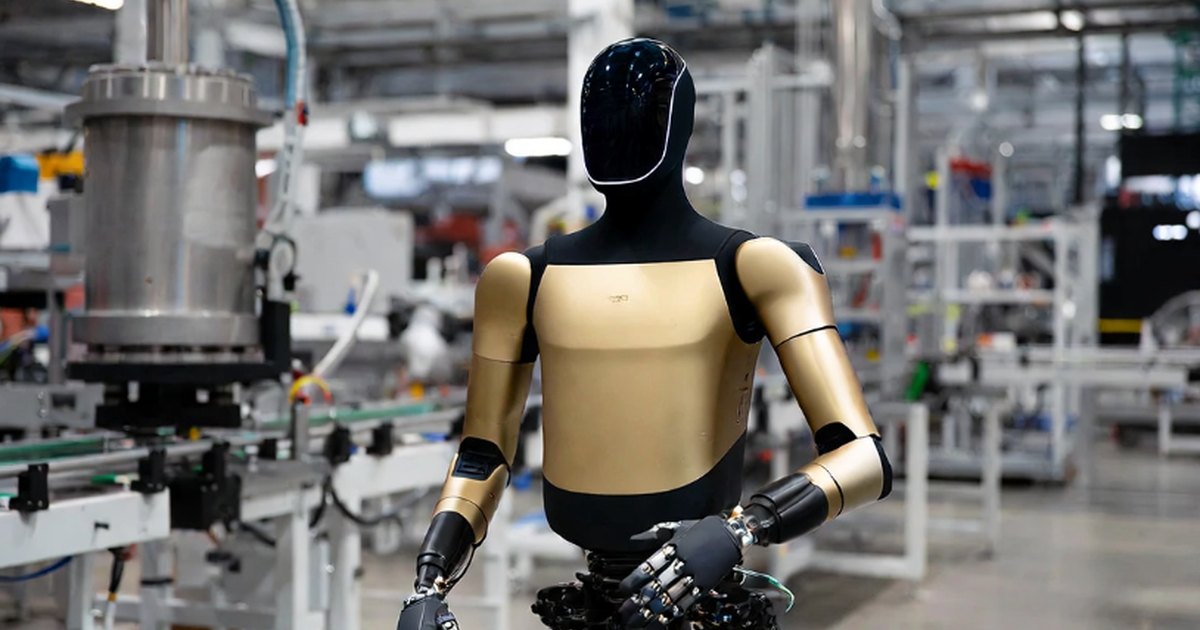
The Academy depends on robots actually being built. Tesla's shareholder letter says the bots now coming off the high-volume line in Fremont, in the space where the Model S and Model X were made, are 'the first production-quality bots' it has manufactured. Most of the equipment for a line designed for about one million robots a year is installed. Musk described the ramp as an S curve with a shallow start and said reaching roughly 20,000 robots a week will take at least a year, possibly longer, because parts of the design are still changing.
Other key points from the call:
- The hands remain the hardest hardware problem, along with custom gears that still raise reliability concerns.
- Tesla plans to put its AI5 chip in Optimus around April 2027.
- Deliveries to outside companies are expected around the end of 2027, starting with dangerous, repetitive or round-the-clock industrial jobs.
- Musk promised a new video within a month or two of Optimus doing tasks driven by AI rather than pre-programmed moves.
The open questions
Building 10,000 to 20,000 robots just to train is a big commitment, and it raises its own issues. Tesla has not said how much data a single robot produces, how reliable early units are over months of use, or how it will measure progress. On the call, Tesla listed reliability, including robots not wearing out after a month of use, among the problems to solve before customers get them. And Tesla's Optimus timelines have slipped before: in early 2025 Musk spoke of about 10,000 robots that year, and in January 2026 he admitted none were yet doing useful work in Tesla factories.
Why it matters
If the Academy works, it could give Tesla the same advantage in robots that its car fleet gives it in driving data: scale. If it does not, Tesla will have built a large, expensive fleet of robots that still cannot handle new situations, which is the problem every humanoid maker is trying to solve.
What to watch next
The promised video is the first test. After that, watch for weekly output figures from Fremont, any details on where the Academy runs, and whether Tesla starts reporting how quickly Optimus learns new tasks.