 4 min
ISO 25785-1 explained: the first safety standard for humanoid robots, and what it means for Tesla Optimus
Humanoid robots like Optimus do not fit existing robot safety rules, because they fall over when they lose power. A new ISO standard, still in draft, is meant to fix that.
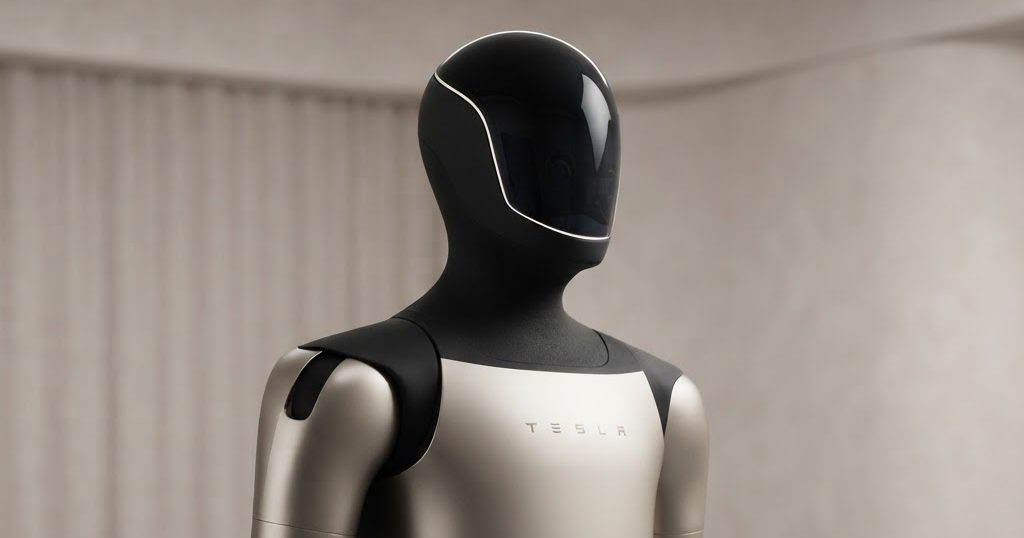
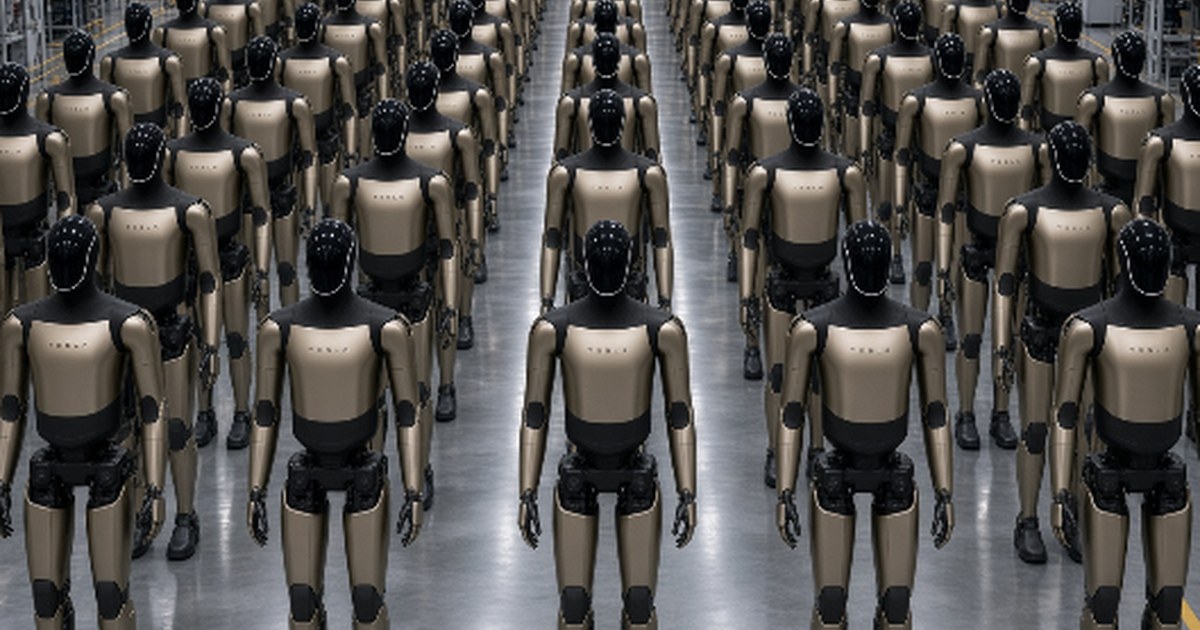
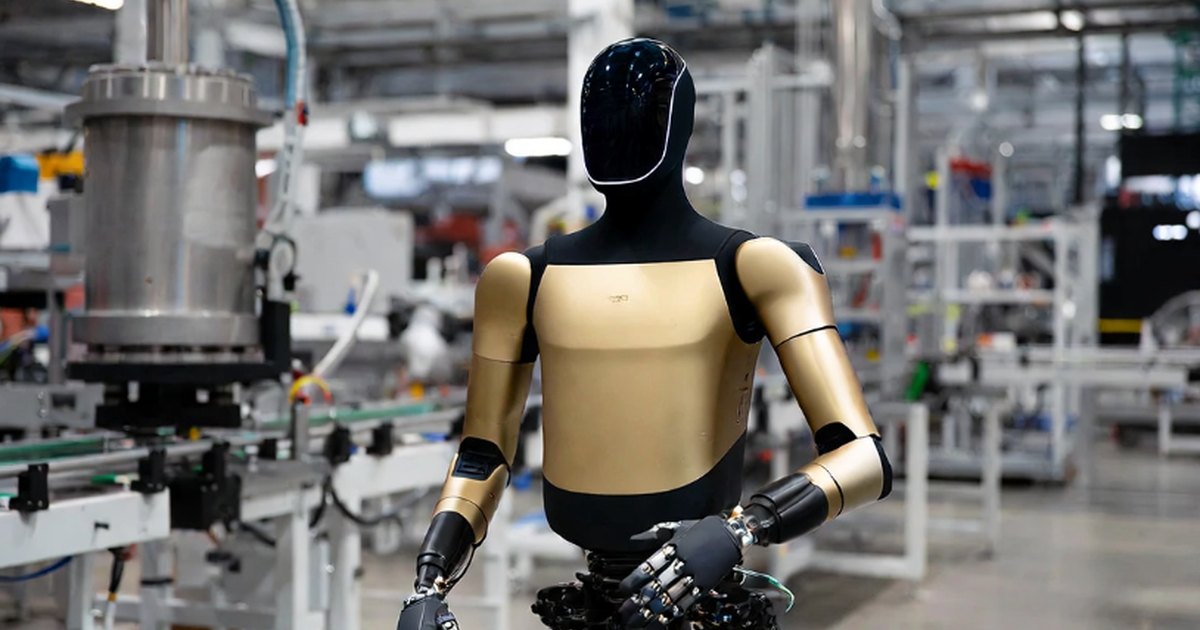
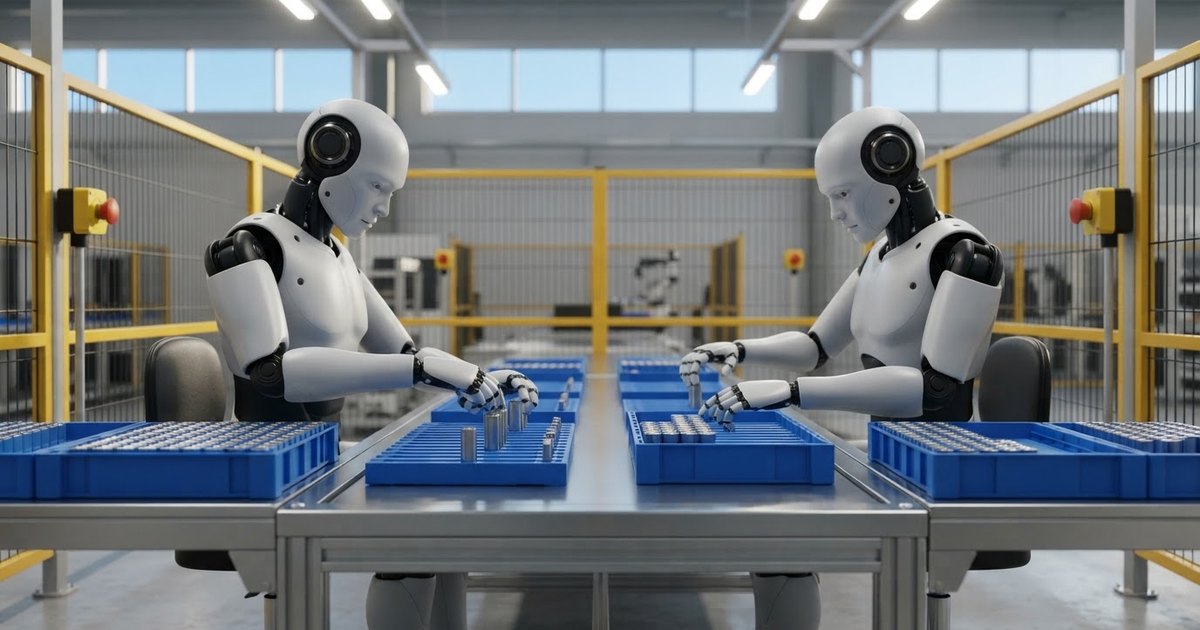
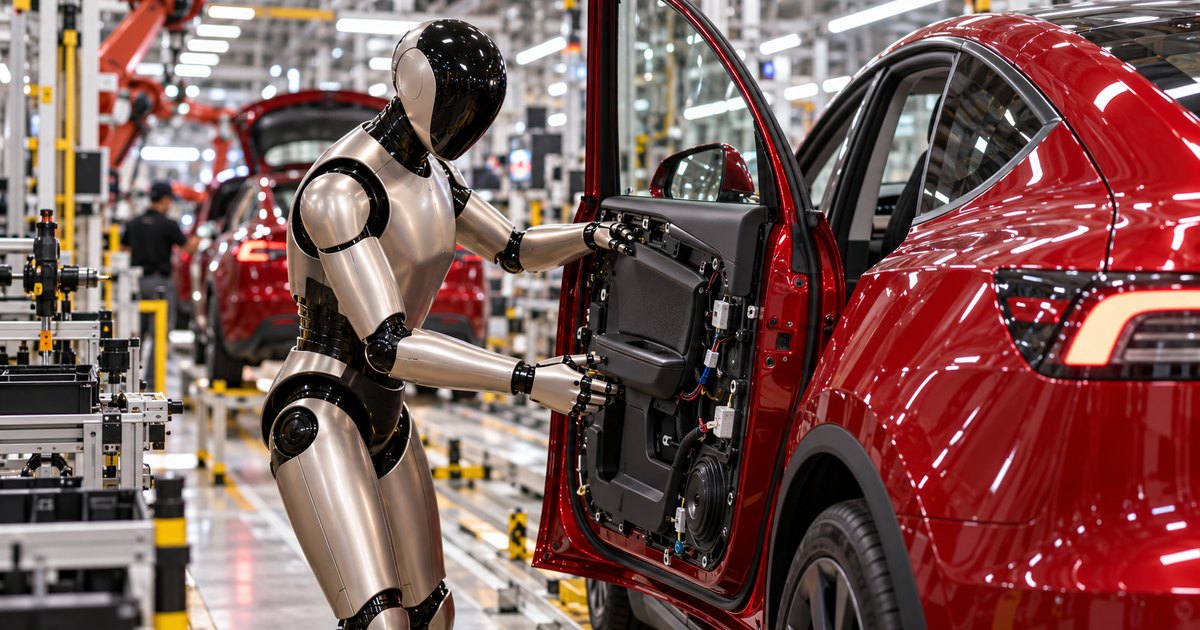
Tesla says Optimus will start working for outside companies around the end of 2027, beginning with industrial jobs. Before a factory lets a human-sized walking robot work next to its staff, it will want to know which safety rules apply. Right now, the honest answer is: none written specifically for humanoids. A new international standard, ISO 25785-1, is meant to change that.
Why existing rules do not fit
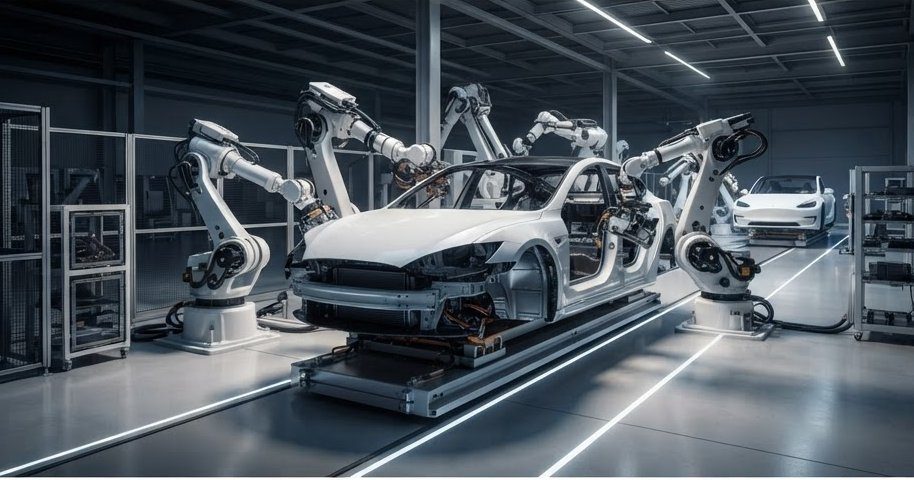
Traditional factory robots are bolted to the floor or roll around on wheels. Their basic safety logic is simple: if something goes wrong, cut the power and the robot stops. The main industrial robot standards, ISO 10218 parts 1 and 2, were revised in 2025 and are adopted in the US as ANSI/A3 R15.06-2025. Mobile platforms such as automated carts have their own standard, ISO 3691-4.
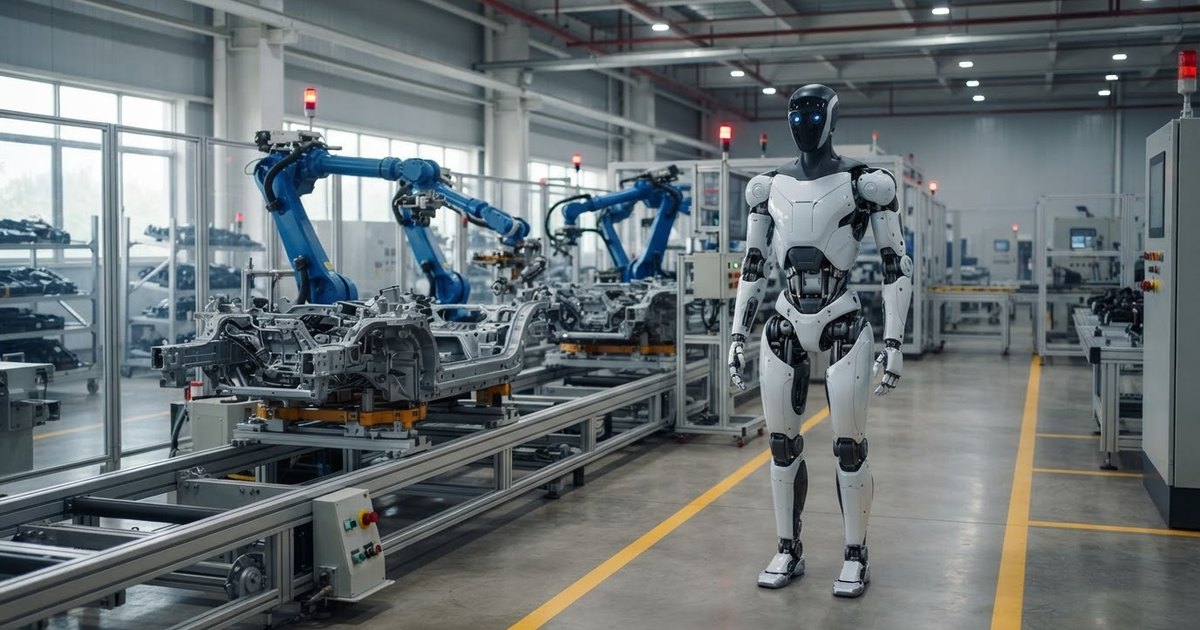
A humanoid breaks that logic. It stays upright only because its motors keep correcting its balance many times per second. Cut the power, and it falls. A falling robot that weighs as much as a person is a hazard in itself. That is why ISO 3691-4 explicitly leaves these robots out, and why a new standard is needed.
What ISO 25785-1 covers
The draft applies to industrial mobile robots with "actively controlled stability": machines that must keep balancing to stay up. That includes two-legged humanoids, but also four-legged robots and self-balancing wheeled platforms. The text deliberately describes robots by how they move and balance, not by whether they look human.
According to summaries of the working draft, the main topics are:
- Falls: how stable the robot must be, how it detects that it is falling, and how it comes down in a controlled way.
- Power loss and emergency stops: what the robot must do when power drops or someone hits the stop button, so that stopping does not cause a dangerous fall.
- Contact with people: limits on force, plus zones around the robot where different rules apply, from collaborative areas to zones where people may not enter.
- Proof and testing: documented risk assessments, checks that the balance control reacts fast enough, repeatable push tests, and extra safety hardware such as redundant sensors.
- Speed and payload near humans: limits based on how far the robot actually needs to come to a safe stop while balancing.
The draft does not cover extreme conditions such as explosive atmospheres, strong magnetic fields, radiation or climbing.
Who is writing it, and when it will be ready
The working draft appeared in May 2025, and the working group met in Barcelona in October 2025. A US delegation leads the group; its members include the Association for Advancing Automation (A3), Agility Robotics and Boston Dynamics. Tesla is not named as a participant in the sources we reviewed.
The standard is not finished. Industry estimates point to final publication between late 2026 and 2027. Until then, companies apply the draft principles in their own designs, together with existing rules. In the US, employers also have a general legal duty under OSHA to keep workplaces free of serious hazards.
What it means for Optimus
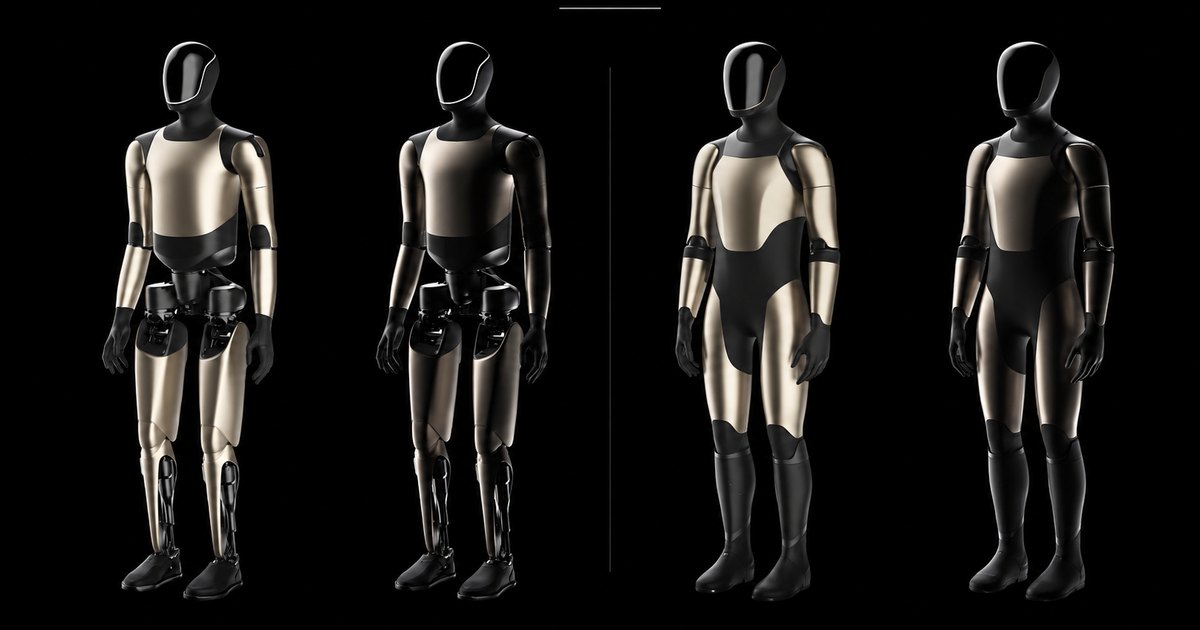
Tesla has not said publicly which standards Optimus is designed to meet. But the timing lines up closely. If ISO 25785-1 is published in 2027, it will arrive just as Tesla plans its first deliveries to industrial customers. Large factory customers usually ask suppliers to show compliance with recognised standards, so the final text could shape what Tesla must prove before Optimus works near people.
On Tesla's Q3 2026 earnings call, Elon Musk said the robot must be safe, reliable and durable enough not to wear out after a month, and that this work is still going on. A standard turns words like "safe" into tests that can be checked: how the robot falls, how fast it stops and how hard it may push.
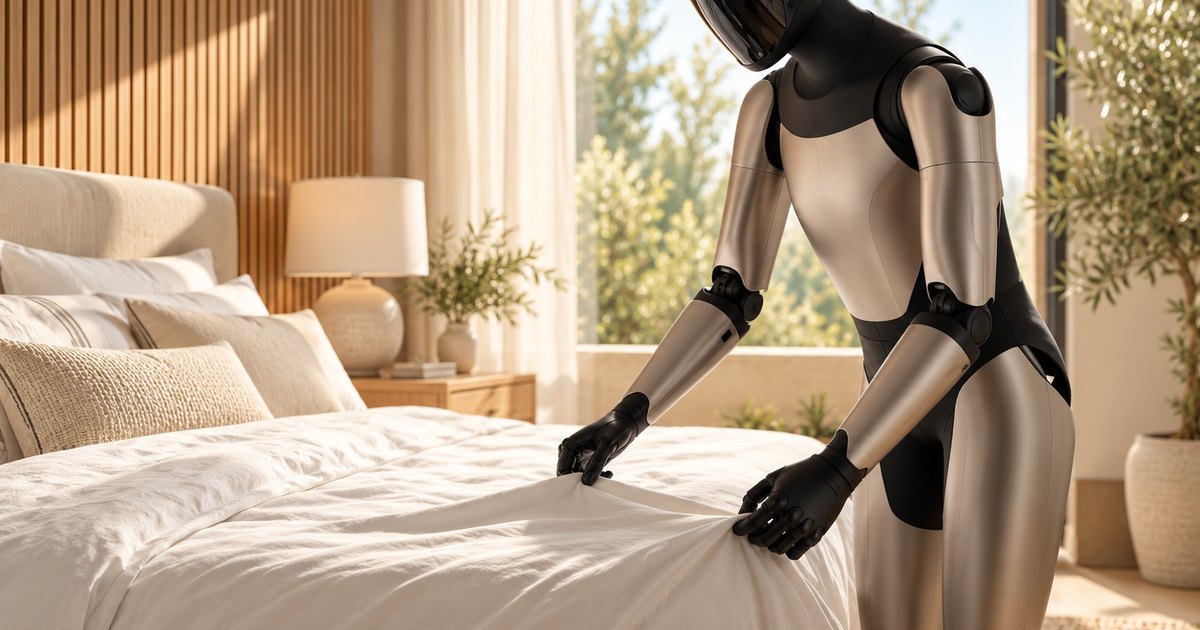
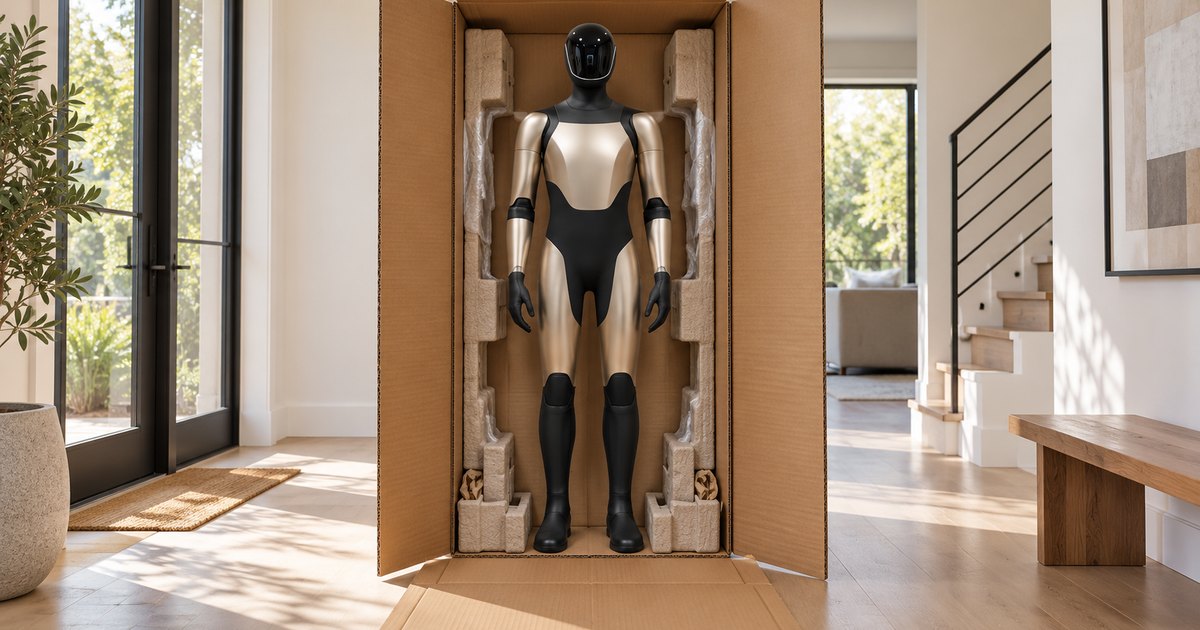
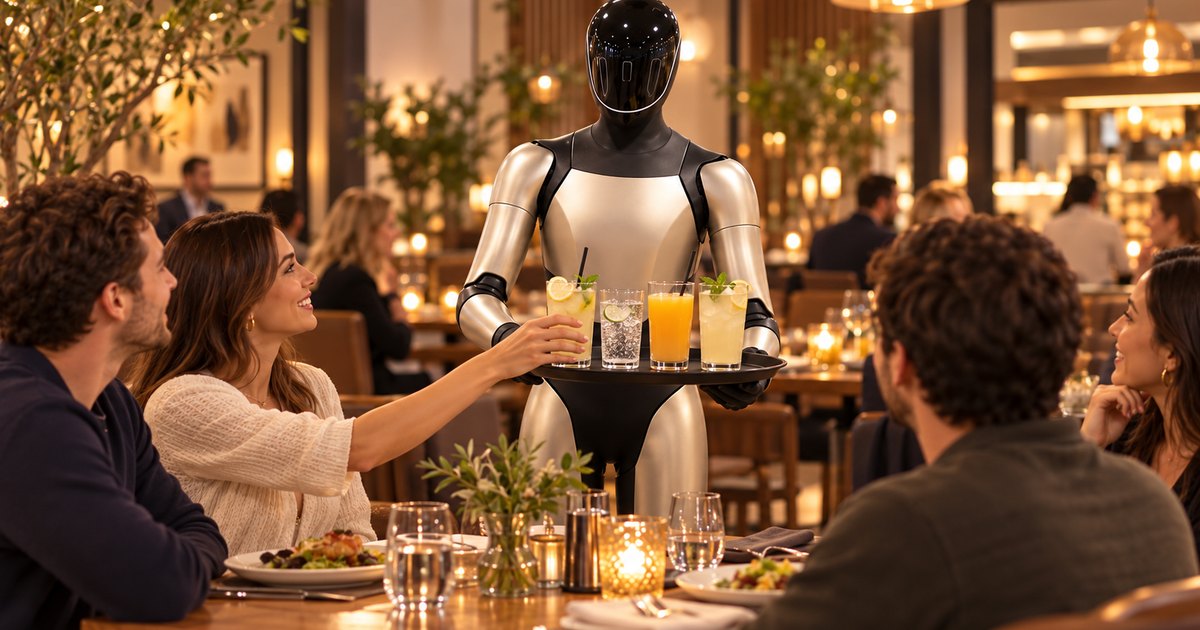
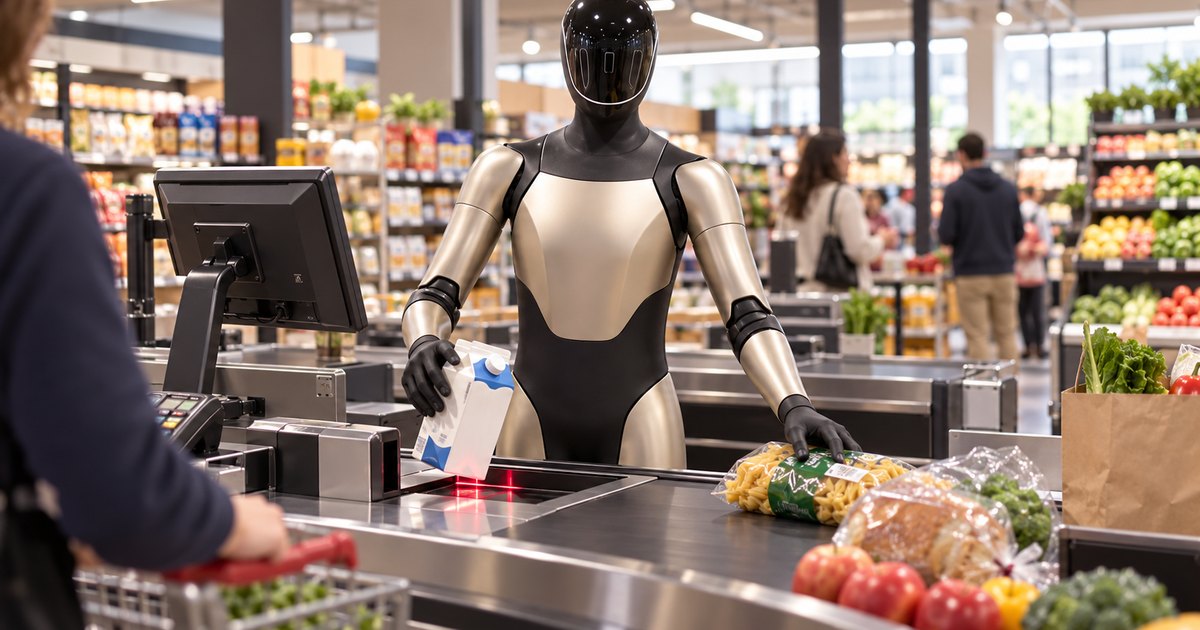
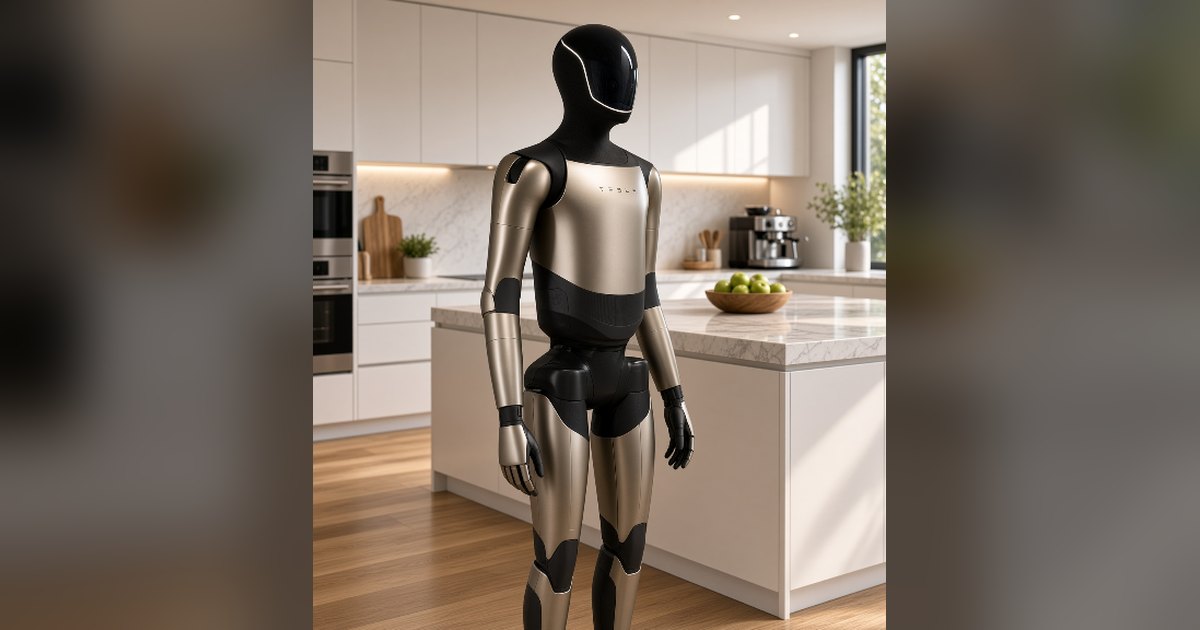
Home robots are a separate matter. Musk has said consumer sales will come after industrial ones. Robots in homes fall under another standard, ISO 13482 for personal care robots, which is also being revised.
What to watch for next
- Draft milestones: a Draft International Standard would be the next formal step toward publication.
- Tesla's position: whether Tesla joins the standards work or says which rules Optimus is tested against.
- First deployments: how the first industrial users of Optimus, Atlas and Digit set up safety zones around them.
Sources (3)
Images are illustrations; some are made with AI.