 3 min
Tesla settles Optimus trade secret lawsuit with robot hand startup Proception
Tesla has dropped its case against former Optimus engineer Jay Li and his startup Proception after a confidential settlement. The same day, Proception announced an $11 million seed round for its robot hands.
Tesla's legal fight with a former Optimus engineer is over. Tesla has dismissed its trade secret lawsuit against Zhongjie "Jay" Li and his robot hand startup Proception after the two sides reached a settlement, according to reports published on June 29, 2026. The terms are confidential.
On the same day, Proception announced that it had raised $11 million in seed funding. For a company that spent a year being sued by Tesla, the timing sends a clear message to customers and investors: the dispute is behind it.
What the case was about
Li worked at Tesla from August 2022 to September 2024 on advanced sensors for the hands of the Optimus humanoid robot. Less than a week after leaving, he incorporated Proception, a Y Combinator-backed company building robotic hands.
Tesla sued Li and Proception in federal court in California in June 2025. Its complaint claimed that:
- Li downloaded confidential Optimus files, including material on hand actuation, to two personal smartphones before he left.
- In his final months, he researched humanoid robot hands on his work computer and looked up venture capital and startup funding.
- Within five months of leaving, Proception said it had built advanced humanoid hands that Tesla said bore a "striking resemblance" to designs Li had worked on.
These were allegations. They were never tested in court, and the settlement does not include any public finding of wrongdoing. Neither side has said what Li or Proception agreed to, or whether any restrictions apply.
The key facts
- Outcome: settlement, followed by dismissal of Tesla's case. Terms confidential.
- Funding: $11 million seed round led by First Round Capital, with Y Combinator and BoxGroup taking part.
- Product: a robot hand with 22 degrees of freedom and several joints per finger, plus a sensor-packed glove that records how human hands handle objects, to train robots without needing a robot at all.
- Reaction: Li called the lawsuit a kind of "pressure test" for the company. Tesla did not comment.
Why the hand matters so much
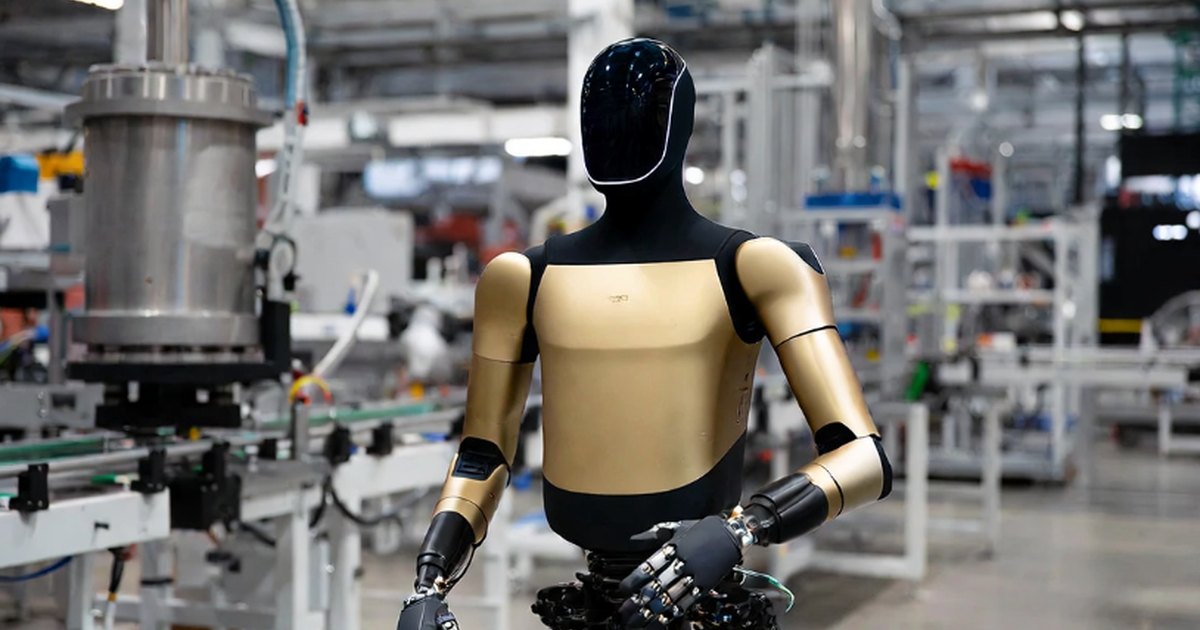
The case was never really about one engineer. It was about the part of a humanoid robot that is hardest to get right. Musk has called the hand one of the biggest unsolved engineering challenges in robotics, and Tesla's own Gen 3 Optimus hand is also designed around 22 degrees of freedom. A startup that can sell a capable, dexterous hand to other robot makers would be competing in exactly the area where Tesla wants an edge.
Proception is pitching itself as a supplier for robot companies that do not want to build their own hands. Its glove approach is also a bet against heavy reliance on teleoperation, where a human remotely controls a robot to create training data but gets no sense of touch back.
What it means for Tesla
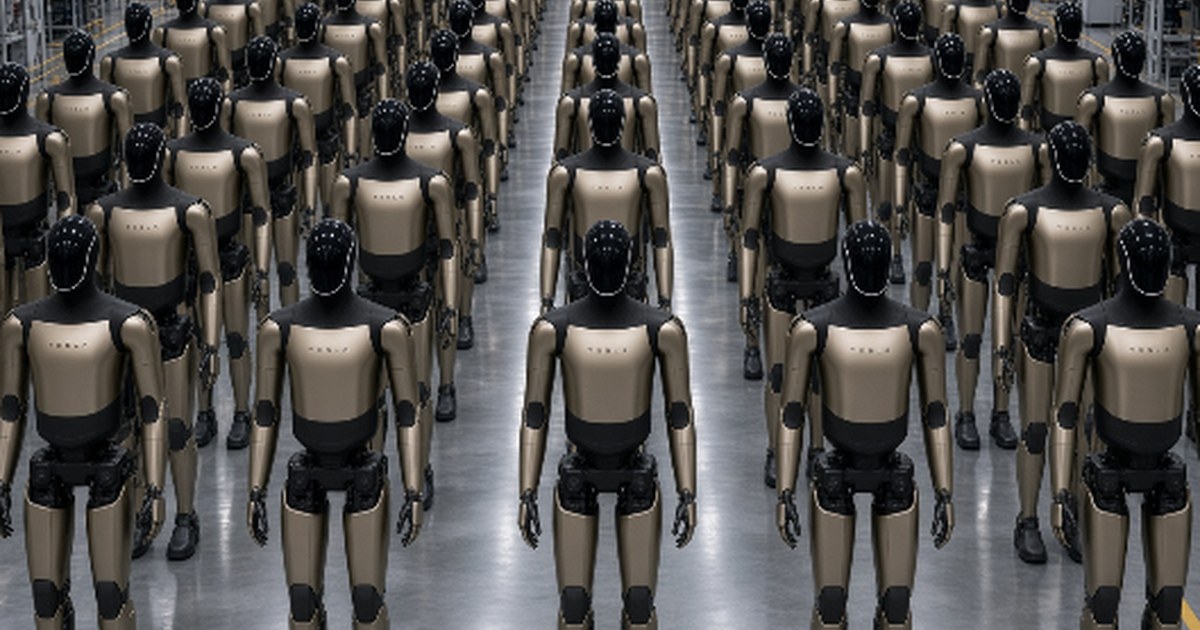
For Tesla, a settlement ends a distraction while it prepares Optimus for production. In its first-quarter 2026 update, Tesla said first-generation Optimus production lines were being installed at its Fremont factory. Protecting the know-how behind the robot's hands and sensors is clearly a priority, and the lawsuit showed Tesla is willing to go to court over it.
It also highlights a wider problem for every humanoid robot company: talent moves fast in a young industry, and startups with fresh funding are happy to hire it.
What to watch next
- Proception's first customers: the company says its first batch of hands is going to researchers and robot makers.
- Optimus Gen 3: Tesla's own hand design will finally be judged in public once the next-generation robot is shown.
- More disputes: whether other departures from the Optimus team lead to similar legal fights.