 3 min
XPeng's IRON robot gets an automated factory line: how China's humanoid challenger compares with Tesla Optimus
Chinese EV maker XPeng has opened a dedicated production line for its IRON humanoid robot and wants mass production by the end of 2026. That puts it on a similar timeline to Tesla's Optimus.
Tesla is not the only carmaker racing to mass-produce a humanoid robot. On September 8, 2026, Chinese electric car maker XPeng said it had commissioned a production line for IRON, its humanoid robot, in Guangzhou. The first robot built on the line walked off the factory floor on its own.
XPeng calls it the world's first automated production line for advanced humanoid robots. That claim has not been independently checked, but the timing is striking: Tesla is preparing to start Optimus production in Fremont in the same period.
What XPeng announced
- Automation: according to XPeng, more than 80% of the line's core processes are automated.
- Car know-how: the line uses automotive-grade quality systems from XPeng's car factories.
- Timeline: mass production by the end of 2026, first deployments in XPeng's own stores and campuses, then wider deliveries in China and abroad in 2027.
- Unknowns: XPeng did not share the line's capacity, a price or any customer contracts.
XPeng chairman He Xiaopeng said the lines were built from scratch with "no precedent to follow".
IRON and Optimus side by side
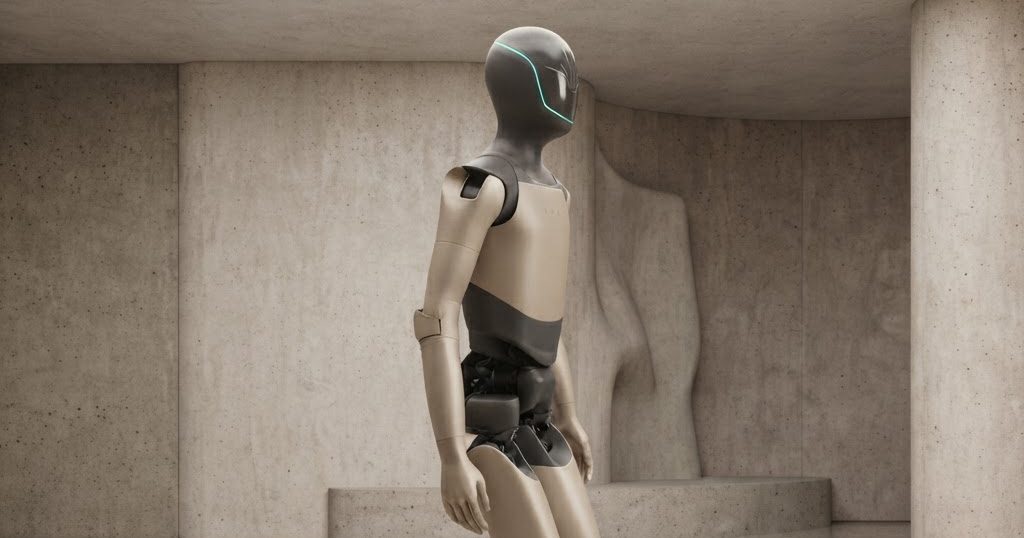
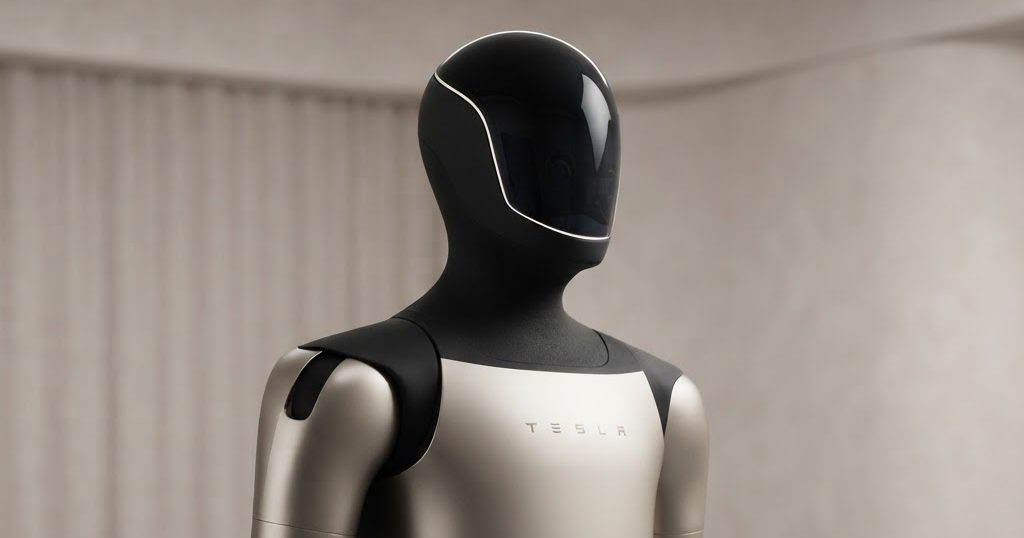
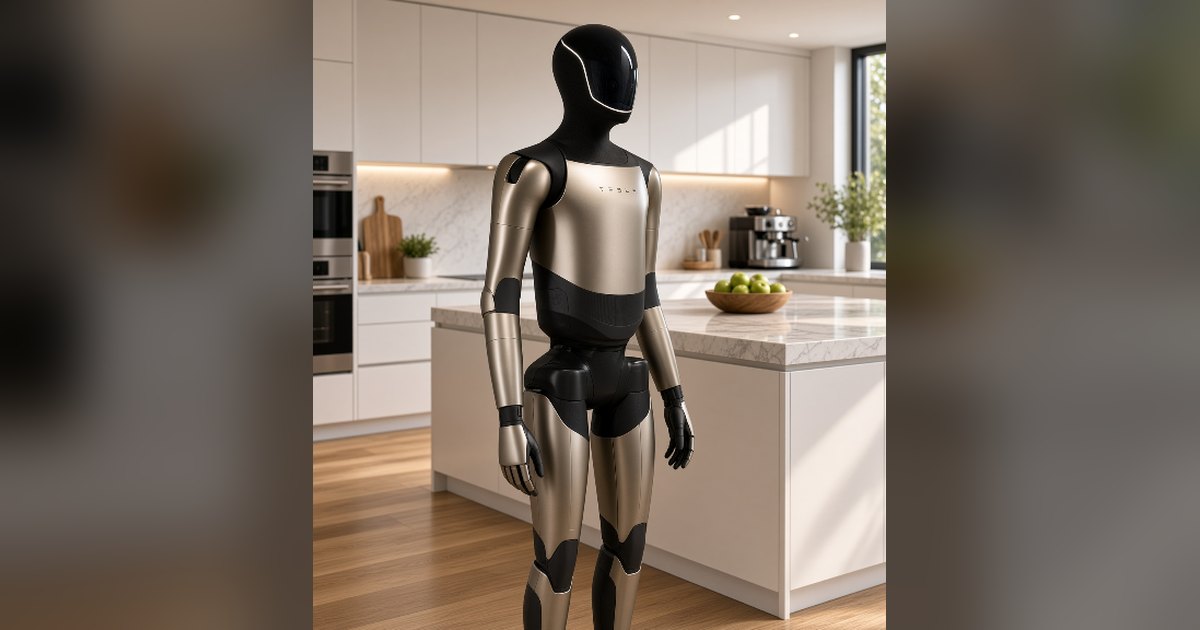
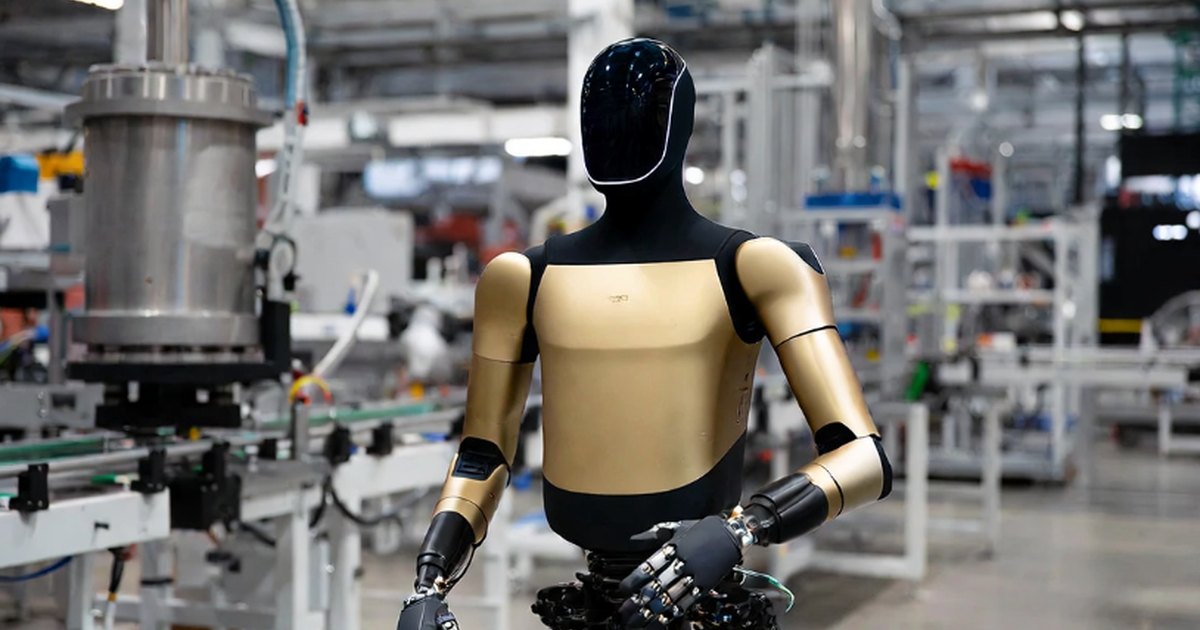
- Hands: XPeng says IRON has 21 degrees of freedom per hand. Tesla's latest Optimus hand design has 22.
- Body: IRON has 76 degrees of freedom across the body, according to XPeng.
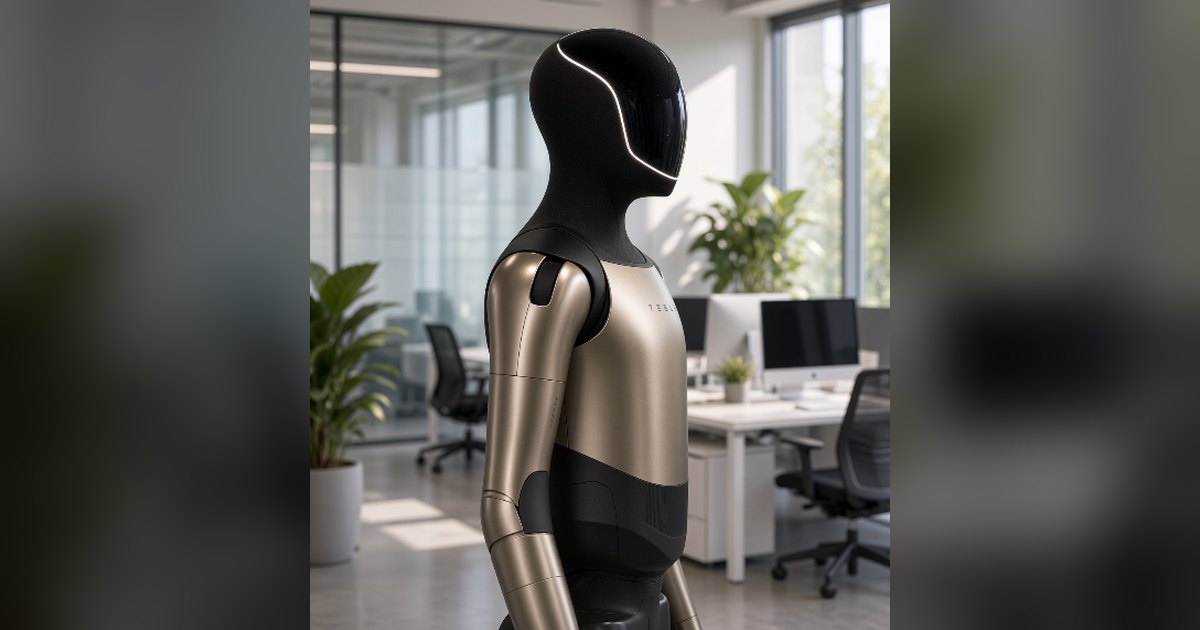
- Brains: IRON runs on three of XPeng's own Turing AI chips, with up to 2,250 TOPS of computing power, and runs its AI model on the robot itself. Tesla plans to put its next-generation AI5 chip into Optimus.
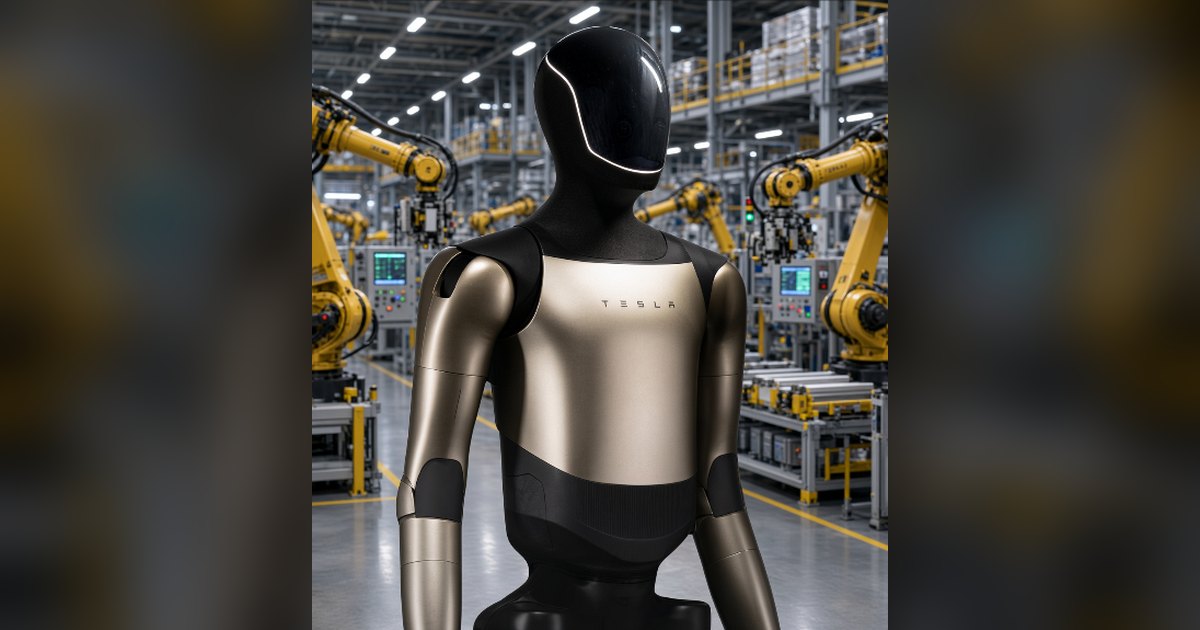
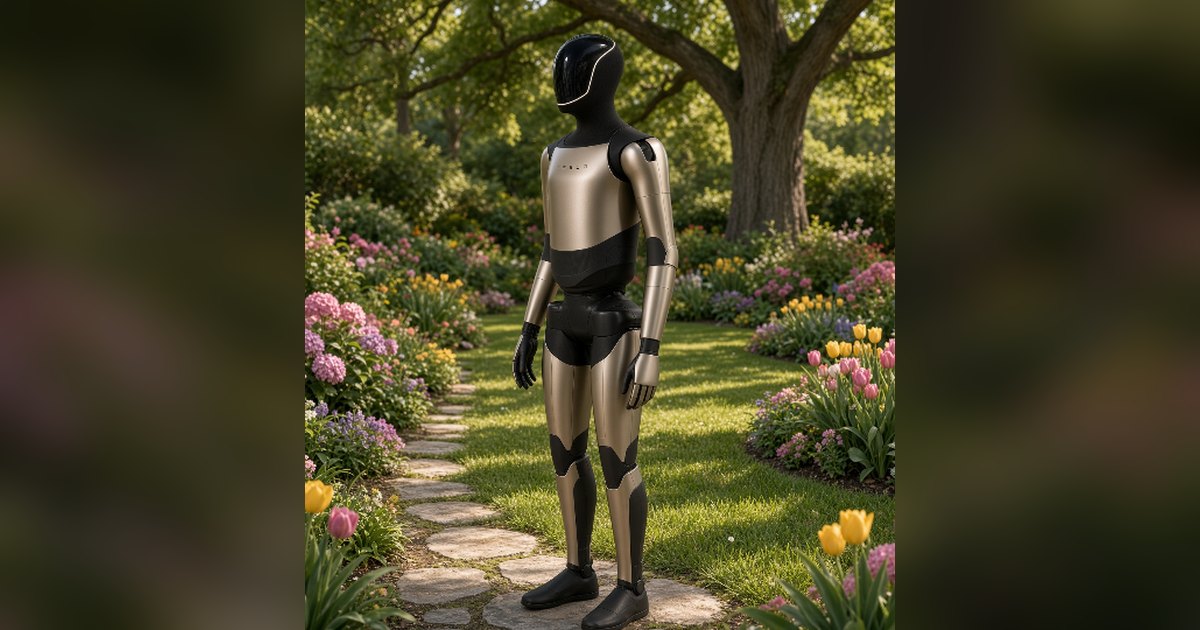
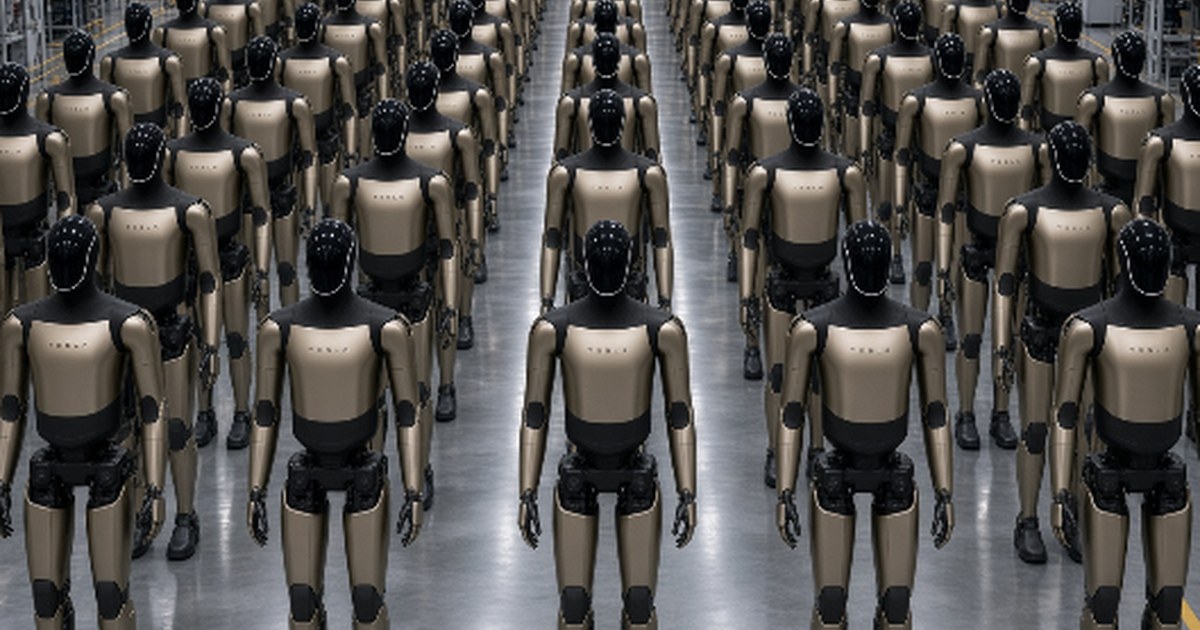
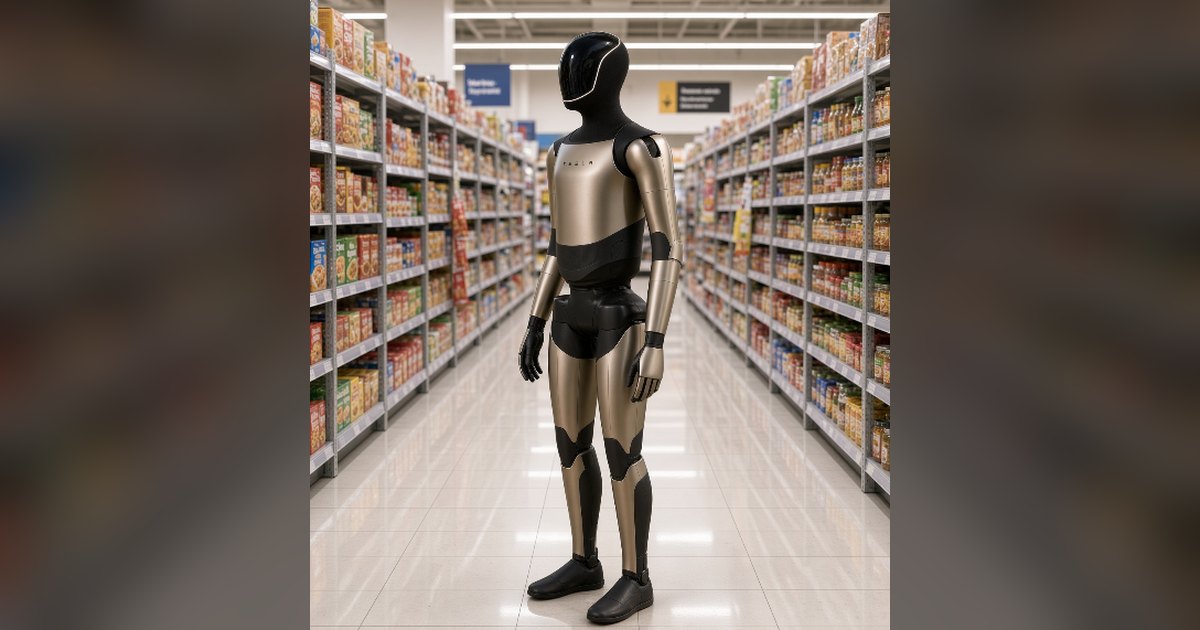
- Factories: Tesla says its first Optimus lines in Fremont, built where the Model S and Model X used to be made, are designed for up to one million robots a year. A much larger line for ten million a year is planned at Giga Texas.
- Money: XPeng's robotics business recently raised more than $900 million at a valuation above $6.3 billion.
Where Tesla stands
On its second-quarter call on July 22, Tesla said construction of the Optimus line in Fremont began after the Model S and Model X lines were taken down, with production expected later this year. Musk called Optimus the hardest product to scale, and said the AI5 chip will go into the robot.
Tesla has not yet publicly unveiled its third-generation Optimus, which is the version meant for mass production. Musk has also missed earlier targets: Tesla did not come close to building thousands of useful robots in 2025, as he had predicted.
Why it matters
For years, Tesla's pitch has been that only a company with car-scale manufacturing can build humanoid robots cheaply. XPeng is making exactly the same argument, and it is moving on a similar schedule. China also has a deep supply chain for the motors, gears and sensors that robots need.
A word of caution applies to both companies. Building robots on a line is not the same as selling robots that do useful work. Neither XPeng nor Tesla has shown a humanoid robot that customers rely on at scale, and XPeng's robotics unit has not yet earned meaningful revenue.
What to watch next
- Volume: how many IRON robots actually leave the Guangzhou line by the end of the year.
- Tesla's answer: the start of Optimus production in Fremont, and the long-delayed Gen 3 reveal.
- Tesla's next quarterly results: the most likely moment for new Optimus numbers and dates.