 4 min
SpaceX filing says any Tesla merger needs Musk's approval, even though he has stepped back from the talks
SpaceX's third-quarter 10-Q lists three approvals for a combination with Tesla: its special committee, its board and its controlling shareholder, Elon Musk. Here is what that means for Tesla shareholders.
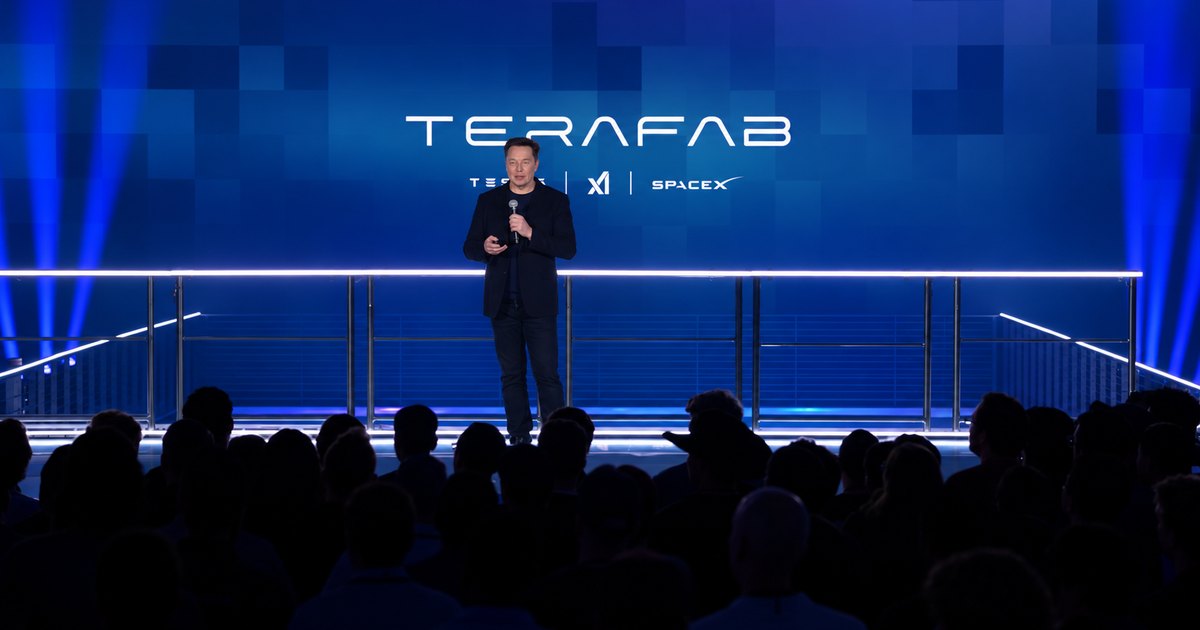
Two days after Elon Musk called a Tesla-SpaceX merger "a good idea", the first formal document about the idea landed, and it puts Musk himself at the end of the approval chain. In its quarterly report for the third quarter, filed with the US Securities and Exchange Commission on Thursday, October 22, SpaceX says any combination with Tesla would need the green light of three parties: its special committee, its board of directors and its controlling shareholder.
That controlling shareholder is Musk. The filing does not name him in that passage, but SpaceX's June listing prospectus projected that he would hold roughly 82% of the voting power after the IPO, through a dual-class share structure. That is why SpaceX counts as a "controlled company" under Nasdaq rules.
What the filing says, and what it does not
- No decision yet: SpaceX states that its special committee has not made any determination about a combination. The committee could also decide not to recommend one.
- No guarantee: the company warns there is no assurance that the two sides will reach an agreement or complete a deal.
- No terms: there is no price, no exchange ratio, no structure and no timetable in the document.
- Three gates: special committee, full board and controlling shareholder. Leaving out any one of them stops a deal on the SpaceX side.
The recusal paradox
Both companies set up special committees of independent directors around October 20, and Musk has said he is recusing himself from them because he is the largest shareholder on both sides. He described the arrangement as a kind of "kabuki dance", in which two groups negotiate while he is kept out of the room.
The filing shows the limits of that separation. Musk may not sit at the table, but as SpaceX's controlling shareholder he still holds a veto at the end. Reuters reported that people familiar with the process called the situation a "mess": by publicly backing a merger before the committees had done their work, Musk raised questions about how independent the process really is and how well ordinary Tesla shareholders will be represented. Some insiders reportedly fear extra scrutiny could slow the process by several weeks.
The Tesla side of the equation
On Tesla's side, the hurdle is different. Musk owns close to a fifth of Tesla, so he cannot simply approve a deal there. According to his own comments, a merger would need the support of 50% of all outstanding Tesla shares, not just a majority of the votes cast. Shares that are never voted effectively count against the deal, which makes it a high bar for a company with millions of retail investors.
The valuation question is also unresolved. Analysts have floated a combined value of around $3.5 trillion, but they disagree sharply on how much of the new company Tesla holders should get. REX Financial estimates that Musk would end up with about 57% of the voting power in a combined company, which would turn Tesla, today a widely held company without a controlling owner, into part of a business that one person controls.
Why it matters for Tesla
The two companies are already intertwined. SpaceX bought about $480 million of Tesla Megapacks in the first nine months of 2026, and Tesla holds a stake in SpaceX that produced $863 million in unrealised gains over the same period. Supporters of a merger argue that shared chips, AI and capital would make both businesses stronger. Critics point to the 2016 SolarCity deal, when Tesla bought a company linked to Musk and faced years of shareholder litigation.
The new filing does not change the odds of a deal on its own. What it does is make the governance question concrete: whatever the independent committees decide, Musk keeps the final say at SpaceX, so Tesla's committee and Tesla's shareholders are the real check.
What to watch for next
- A Tesla filing: Tesla has not yet published a document describing its committee's members, advisers or mandate.
- December 3: Tesla's annual meeting. The proxy filed on October 19 contains no merger proposal, so a deal would most likely need a separate vote later.
- Advisers and fairness opinions: the banks and lawyers each committee hires will show how seriously the process is being run.
This article is for information only and is not financial advice.
Sources (3)
Images are illustrations; some are made with AI.