 4 min
Starship V3 flies for the first time: the ship hits its target, the booster crashes into the Gulf
SpaceX's first third-generation Starship launched from a new pad in Texas, deployed 22 dummy satellites and splashed down in the Indian Ocean. The Super Heavy booster failed to relight its engines.
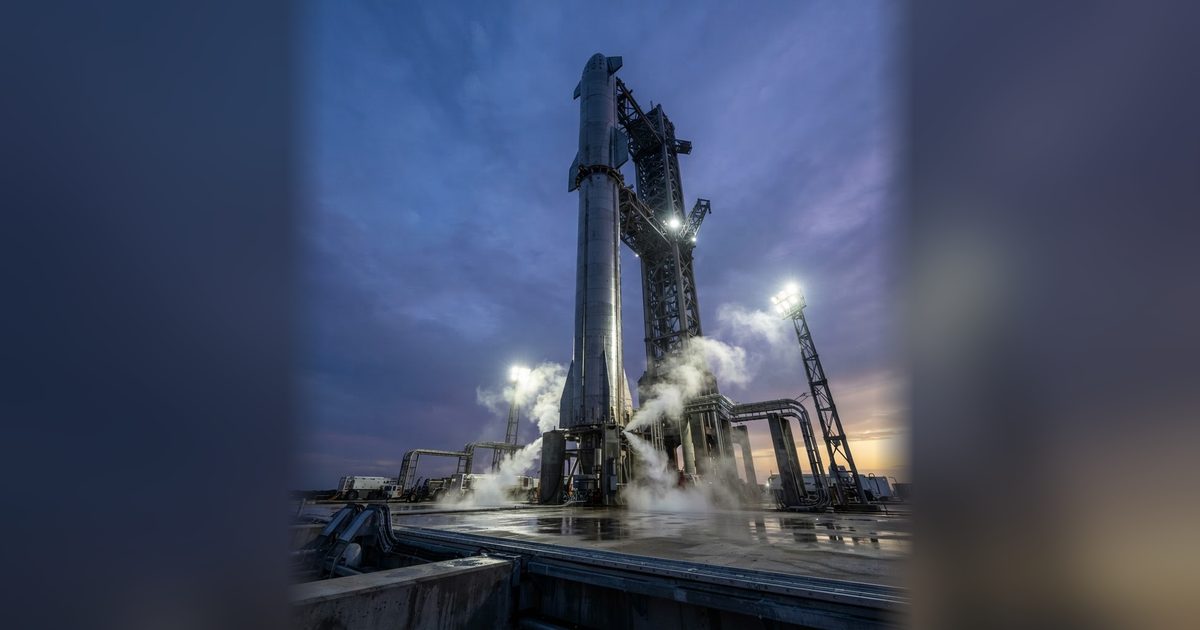
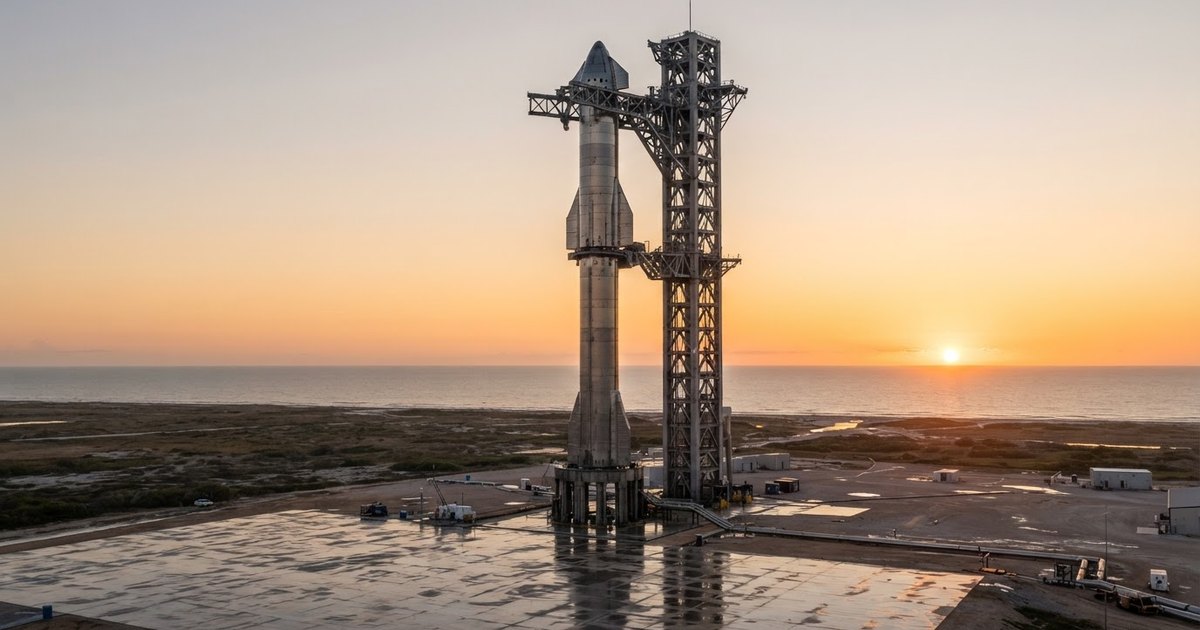
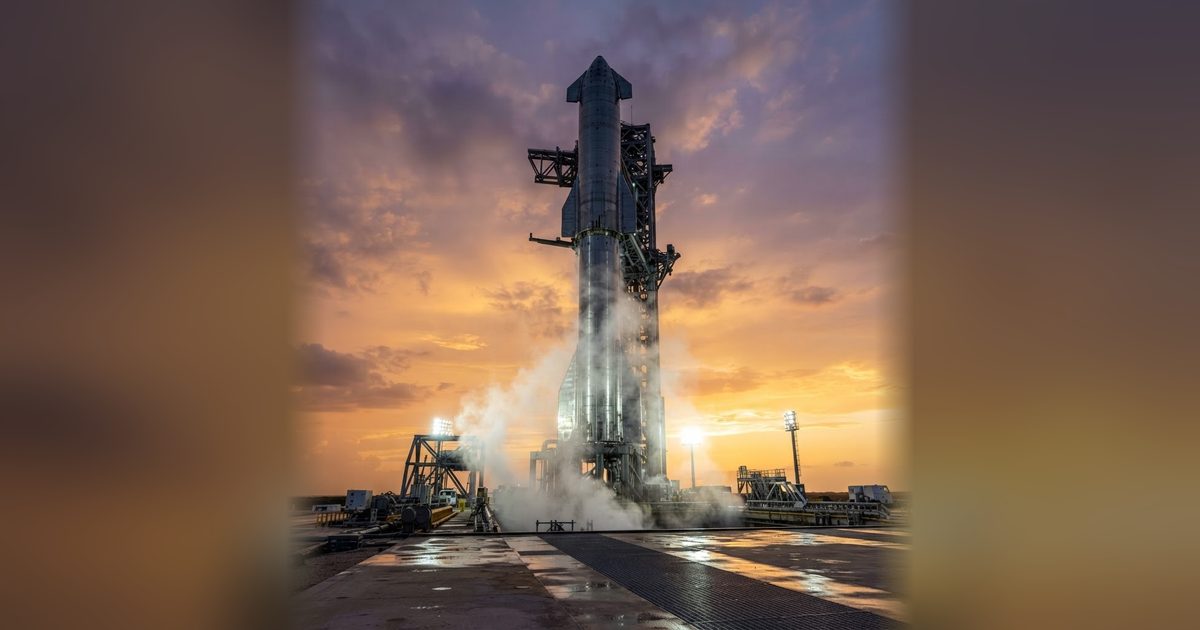
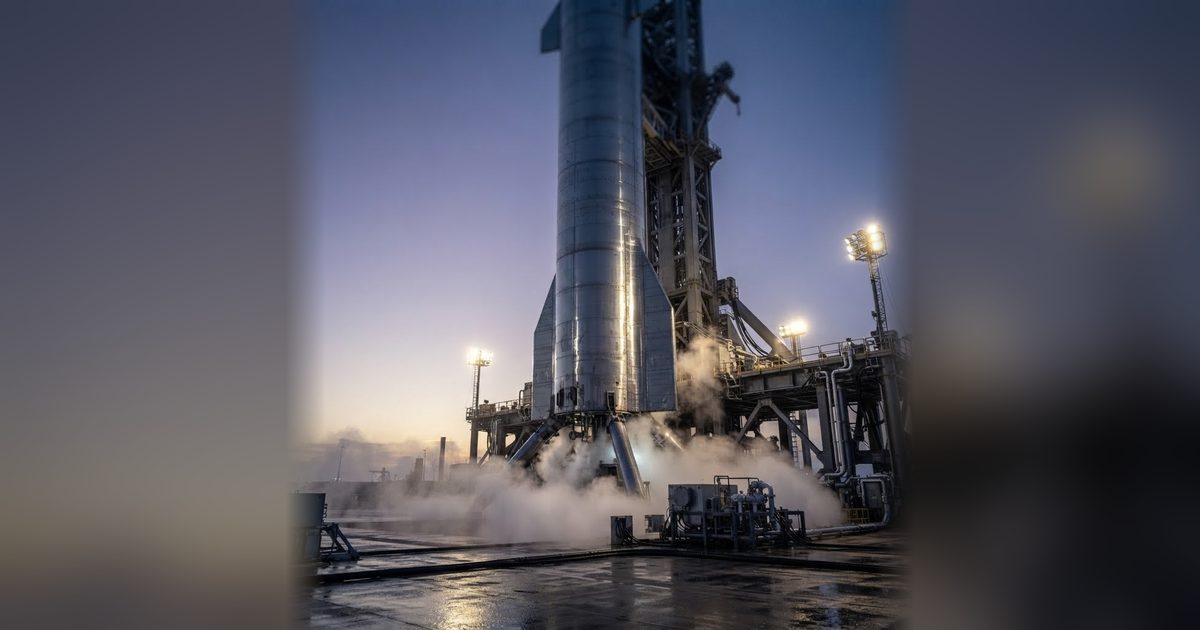
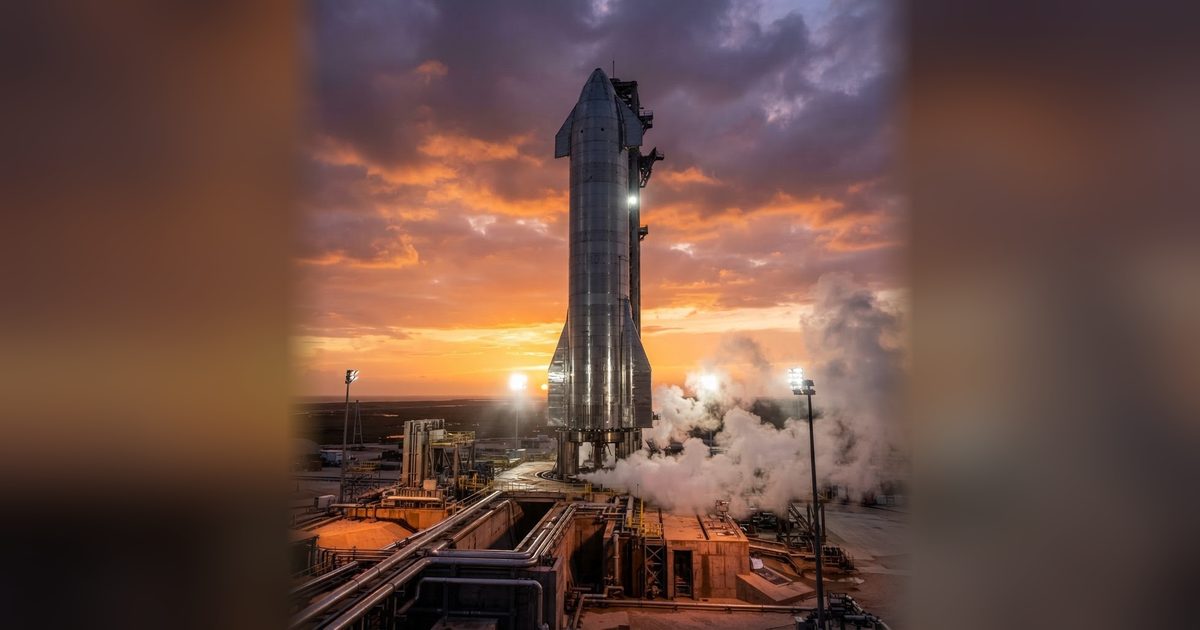
After a seven-month break, Starship is flying again, and in a new form. On Friday evening, May 22, SpaceX launched the first third-generation (V3) Starship from its Starbase site in Texas. The upper stage completed most of its mission and splashed down in the Indian Ocean as planned. The Super Heavy booster did not: it failed to relight its engines and crashed into the Gulf of Mexico. The flight comes two days after SpaceX filed for what could be the biggest stock market listing ever, which gives it extra weight for investors, including Tesla.
What happened
- Launch: 5:30 p.m. Central time (00:30 on Saturday in the Netherlands), from Starbase's second launch pad, which had never been used before. An attempt the day before was called off 40 seconds before liftoff because a hydraulic pin on the tower did not retract.
- Vehicles: Booster 19 and Ship 39, both using the new Raptor 3 engines.
- Engine trouble: one booster engine shut down during the climb. On the ship, one of its six engines also failed during ascent, and the ship flew a backup profile to still reach its planned path.
- Payload: the ship released 22 Starlink test satellites, 20 mass simulators of the new V3 Starlink and two modified older satellites carrying cameras and sensors to inspect Starship's heat shield.
- Return: a planned engine relight in space was skipped because of the earlier failure. The ship then re-entered, flew deliberate high-stress manoeuvres to collect data, and touched down in the Indian Ocean about 66 minutes after launch, before tipping over and exploding, as SpaceX had said to expect.
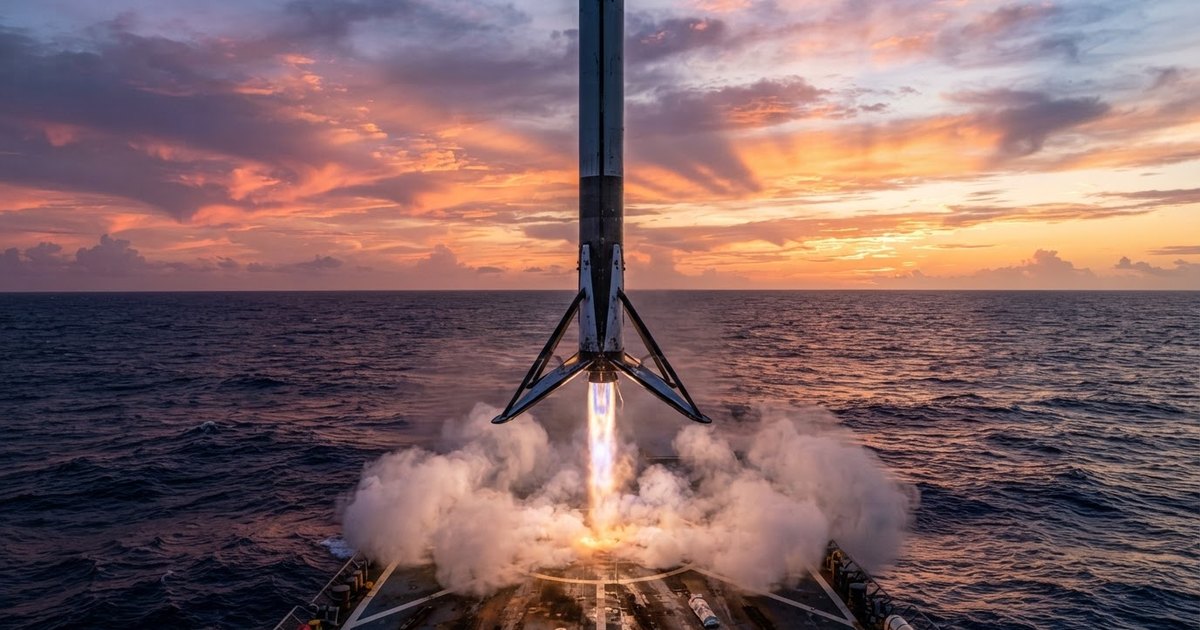
- Booster: after separation, most of the engines that relit for the return burn quit within seconds. Only one engine lit for the landing burn, and the booster hit the Gulf at high speed instead of returning to the launch site.
What it means for Starship
For a first flight of a heavily redesigned rocket, SpaceX achieved most of its main goals: a new pad, new engines, a working satellite dispenser and a controlled return of the ship. Musk congratulated the team on an 'epic' first V3 launch and landing, and NASA Administrator Jared Isaacman, who watched in person, called it a step closer to the Moon and Mars.
The problems are not small, though. Engine relights are essential for catching boosters, returning ships and, later, landing on the Moon. Two other big milestones, orbital refuelling and full reuse, remain unproven. The Federal Aviation Administration usually has to sign off on an investigation after a failure like the booster loss before the next flight.
The Tesla connection
Starship matters to Tesla in three ways:
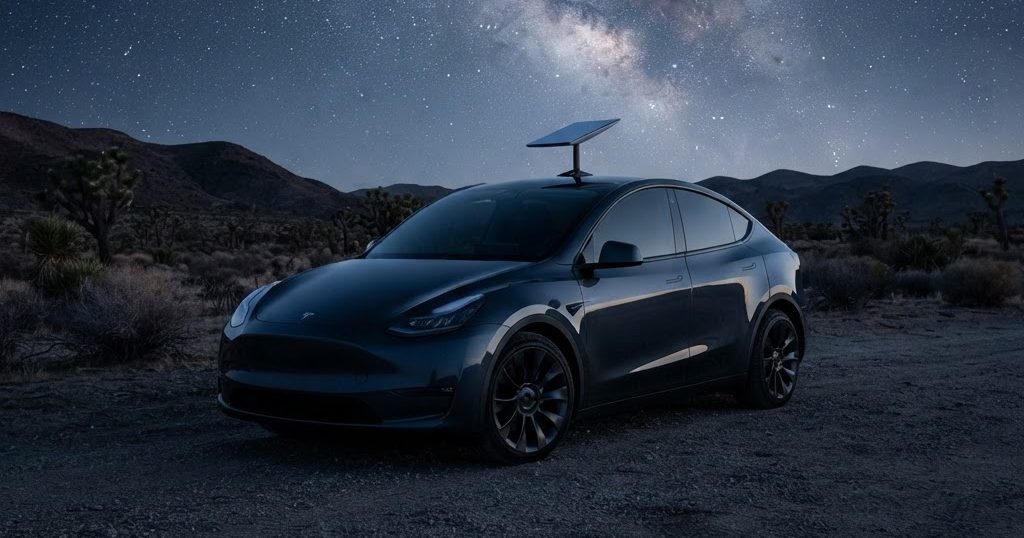
- Starlink V3: SpaceX plans to launch its full-size V3 Starlink satellites on Starship, which is why this flight carried V3 mass simulators. A bigger, faster Starlink network is part of Musk's plan for always-connected cars and, eventually, robotaxis.
- A stake in SpaceX: Tesla invested $2 billion in xAI in January, and that investment was converted into SpaceX shares after SpaceX took over xAI in February. SpaceX's S-1, filed publicly on May 20, also lists Tesla as a supplier of Cybertrucks and Megapack batteries.
- Optimus and the Moon: Musk has talked for years about sending Tesla's Optimus robots on Starship. Those plans depend directly on Starship becoming reliable.
The IPO angle
The timing is hard to ignore. According to the S-1, SpaceX's revenue rose about 33% in 2025 to roughly $18.7 billion, with Starlink making up most of it, while the first quarter of 2026 brought a net loss of $4.28 billion, with the AI business alone posting an operating loss of about $2.5 billion. Musk would keep around 84% to 85% of the voting power. A roadshow could begin in early June. A mostly successful first V3 flight helps the story; a booster crashing into the sea is a reminder of how much risk remains.
What to watch next
The FAA's view of the booster failure, the date of Flight 13, and whether SpaceX can fix the relight problem quickly. For Tesla shareholders, the IPO pricing in June will also show how the market values the company Tesla now partly owns.