 3 min
SpaceX launches Google's first AI-in-space satellite: a rival to its own orbital data center plans
SpaceX's Transporter-18 rideshare carried 130 payloads, including the first prototype for Google's Project Suncatcher, which will test Google's AI chips in orbit. Here is what Google is trying, how it compares with SpaceX's own plans, and the Tesla angle.
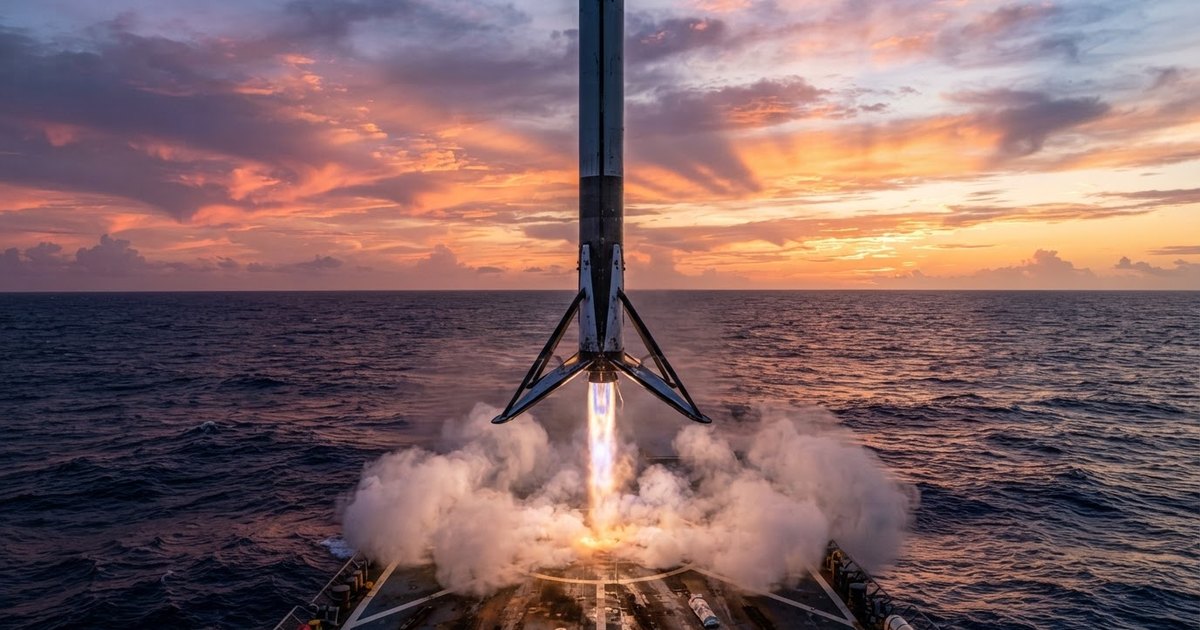
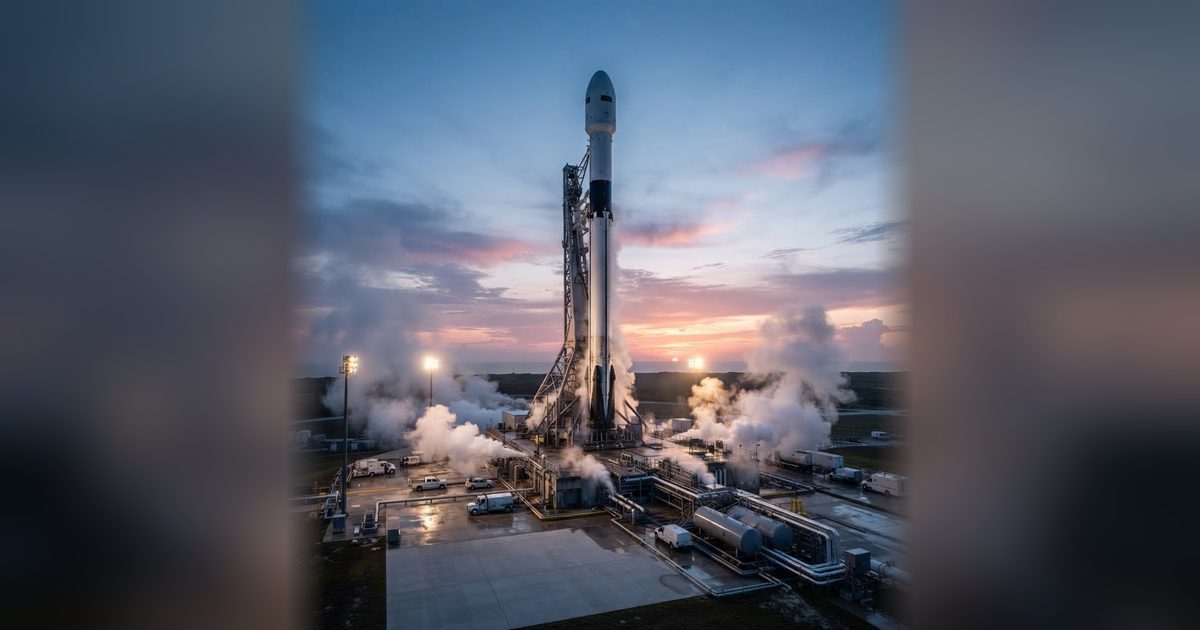
SpaceX has launched the first test of an idea it also wants to own: AI data centers in space. On Thursday, October 1, a Falcon 9 lifted off from Vandenberg Space Force Base in California at 11:32 a.m. Pacific time with the Transporter-18 rideshare mission. Among its 130 payloads was the first prototype satellite for Project Suncatcher, Google's research project to run machine learning computers in orbit.
What was launched
- The mission: Transporter-18, one of SpaceX's regular rideshare flights, where many small satellites from different customers share one rocket. SpaceX confirmed that all deployments were completed in the afternoon, Eastern time.
- Suncatcher: a prototype built by Planet, the Earth-imaging company, together with Google. It will test how Google's AI models and its Tensor Processing Units (TPUs), the chips Google designs for AI, work in space.
- Biggest customer: Planet was the largest single customer on the flight, also launching a second Tanager methane-tracking satellite and 18 SuperDove imaging satellites.
- Others: payloads from Varda, Iceye, Satellogic, Starfish Space and many more, including experiments with beaming power between spacecraft.
Google's plan in brief
Google first described Suncatcher in November 2025. The idea is to fly constellations of solar-powered satellites carrying TPUs, linked to each other by laser. In a dawn-to-dusk orbit, the satellites would be in sunlight almost all the time. Google's example design uses 81 satellites flying close together, at about 650 km altitude, within a cluster with a radius of 1 km.
Google had already done some groundwork. In a lab demonstration its laser links reached 1.6 Tbps in total, and in radiation tests its Trillium TPUs survived nearly three times the dose expected over a five-year mission before memory errors appeared. Its next step, Google said at the time, was a learning mission with Planet to launch two prototypes by early 2027. Google also estimated that if launch prices fall below $200 per kilogram, perhaps by the mid-2030s, space-based computing could compete on cost with the energy bill of a data center on the ground.
SpaceX: launch provider and competitor
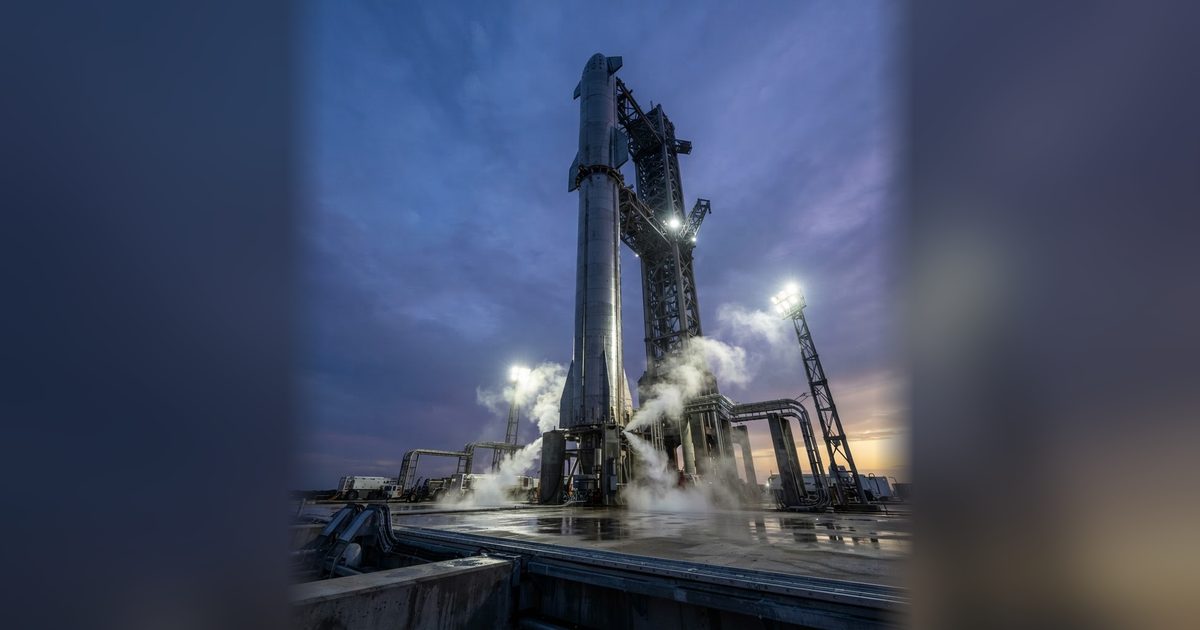
The launch has an ironic twist. SpaceX is not only the rocket company carrying Google's experiment; it has its own, far larger ambition. It has asked the US Federal Communications Commission for permission to launch up to one million "orbital data center" satellites. They would orbit between 500 and 2,000 km, run on solar power, and connect to the Starlink network by laser. SpaceX says the plan depends on a fully reusable Starship lowering launch costs, and it has given no deployment schedule.
For now, that makes SpaceX the winner either way: if Google, or anyone else, wants to put computing in orbit, they need a rocket, and SpaceX flies most of them.
The Tesla angle
Tesla's link runs through the data centers on the ground. AI computing on Earth is limited by electricity, and that has made Tesla's Megapack batteries popular with data center builders. Musk's own AI company, now part of SpaceX, spent about $699 million on Megapacks between 2024 and April 2026 for its Colossus sites, according to SpaceX's IPO filing.
If computing moves to orbit one day, powered directly by the Sun, part of that demand could shift away from ground batteries. That is a very long-term question: Google's own timeline points to the mid-2030s for costs to become comparable. In the meantime, every AI data center built on the ground still needs power, and often storage. And as a small shareholder in SpaceX, Tesla would benefit indirectly if orbital computing does take off.
What to watch next
- First results from the Suncatcher prototype, and whether Google confirms its TPUs work in orbit.
- Progress on SpaceX's FCC application for orbital data centers.
- Starship's path to full reusability, which both plans depend on.
Sources (4)
- Via Satellite — The first mission milestones onboard SpaceX's Transporter-18 rideshare launch
- Google Research — Exploring a space-based, scalable AI infrastructure system design
- DatacenterDynamics — SpaceX files for million-satellite orbital AI data center megaconstellation
- Drive Tesla Canada — SpaceX reveals another $269 million Megapack purchase from Tesla