 4 min
SpaceX will try to catch Starship itself on Flight 15: what is planned for November, and why Tesla investors care
On its third-quarter call, SpaceX confirmed that Flight 15 will try to catch both the Super Heavy booster and, for the first time, the Starship upper stage with the launch tower. Here is what we know.
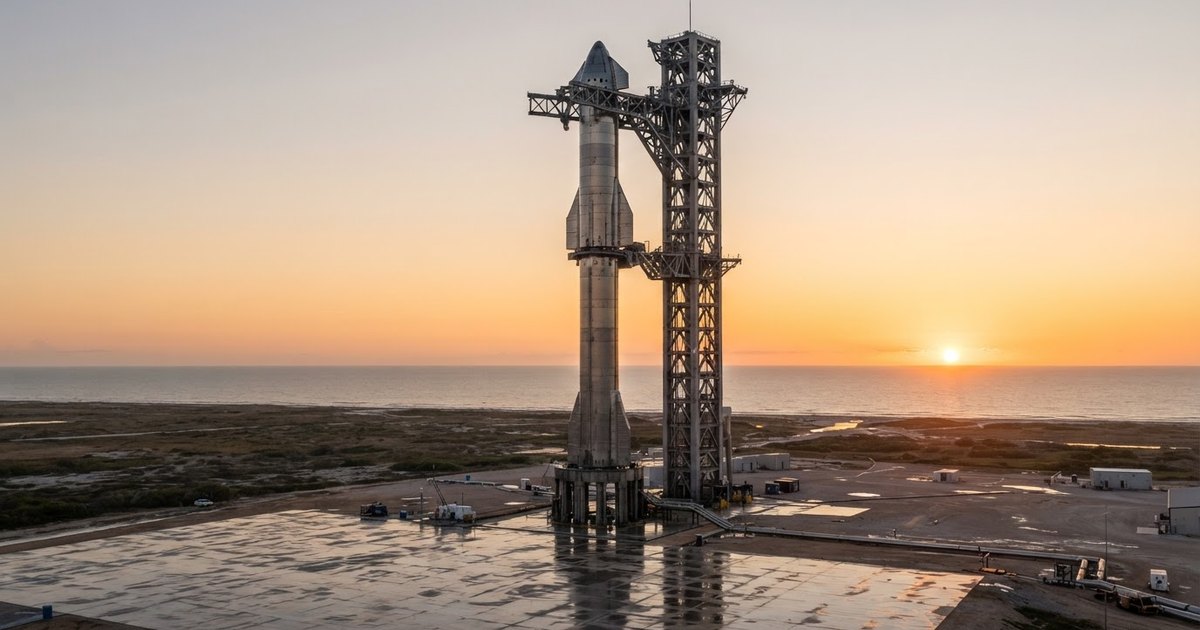
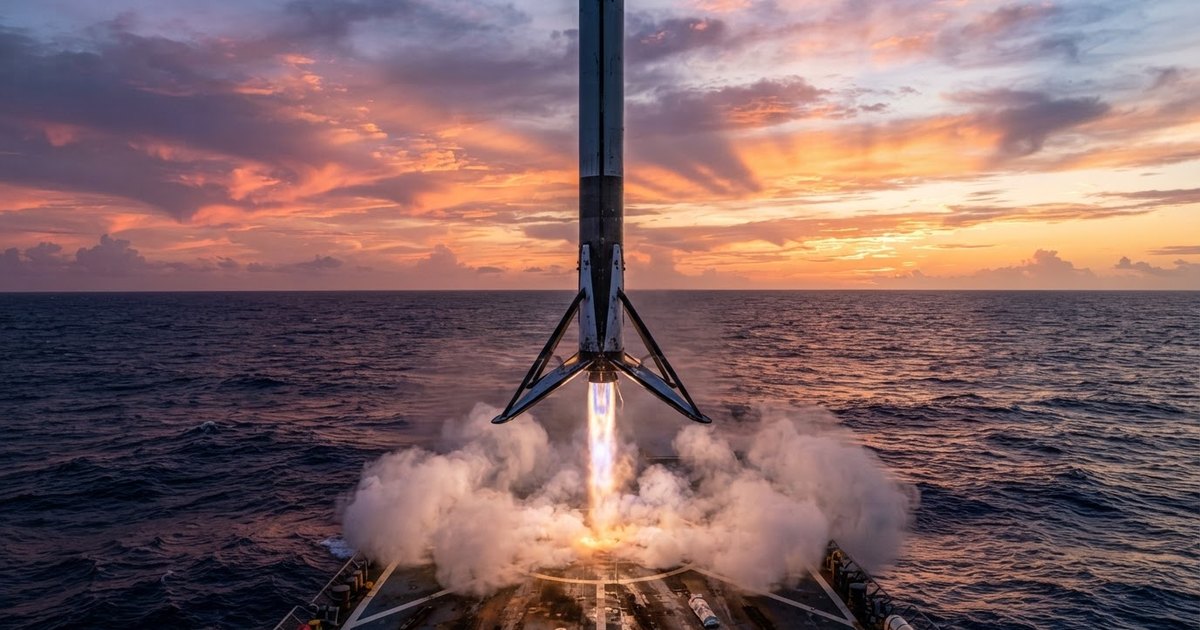
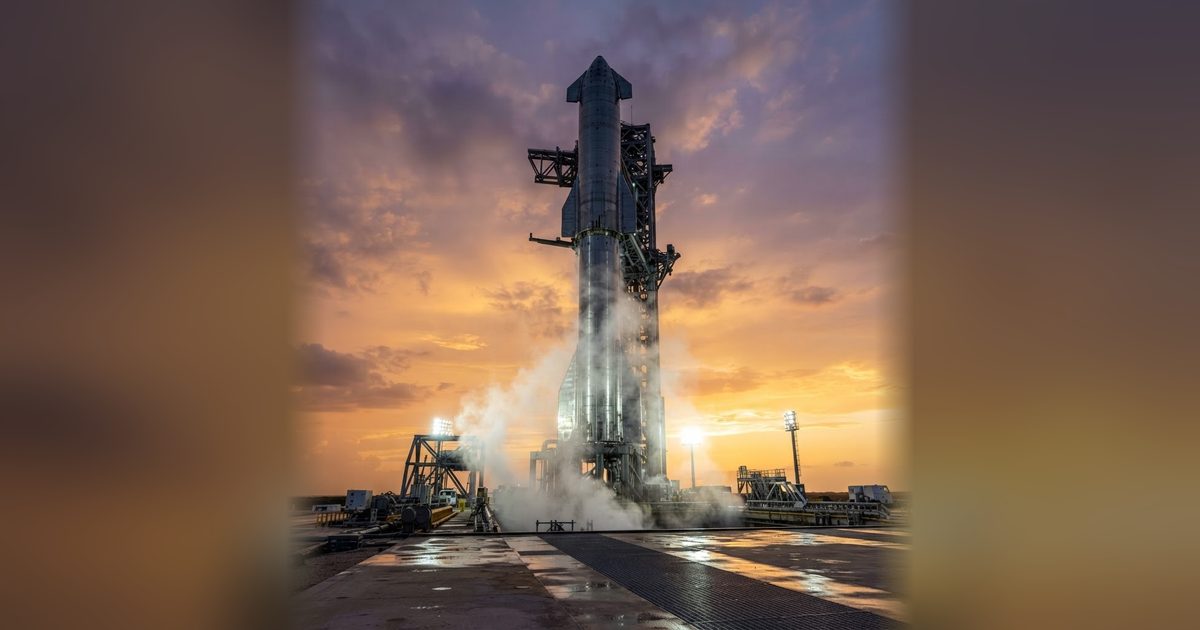
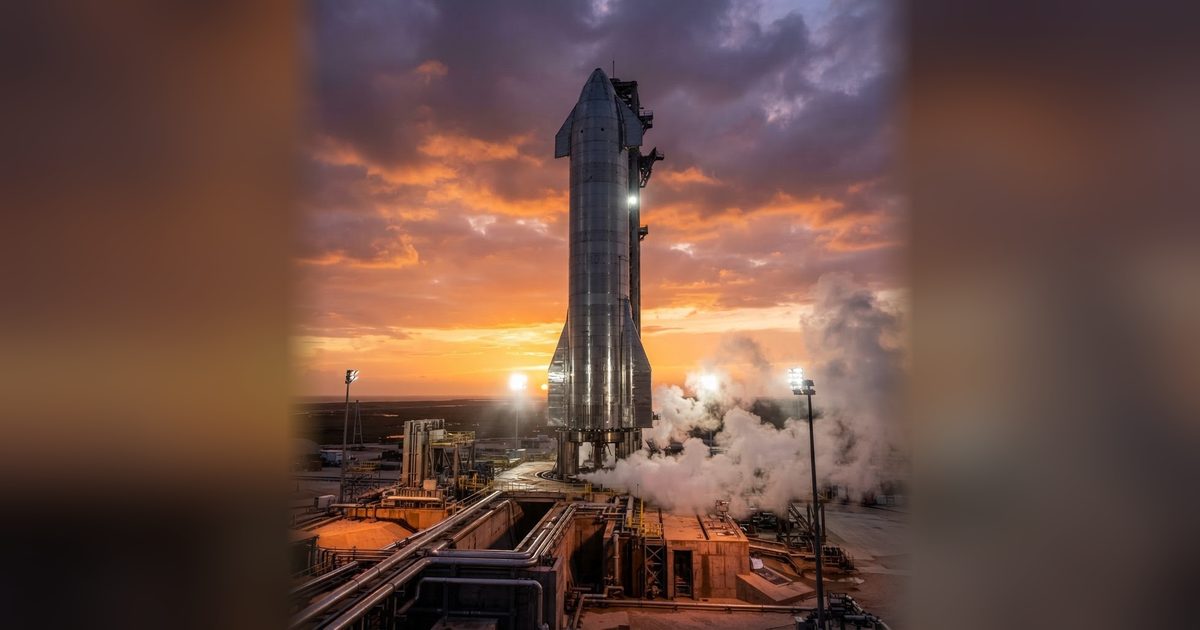
SpaceX has caught Super Heavy boosters with the arms of its launch tower before. It has never caught the Starship upper stage. That is the goal for Flight 15, SpaceX confirmed on its third-quarter earnings call on Tuesday, October 20, where it showed an animation of both stages returning to the tower. The flight is targeted for November, and the outcome will matter well beyond Texas.
What SpaceX plans
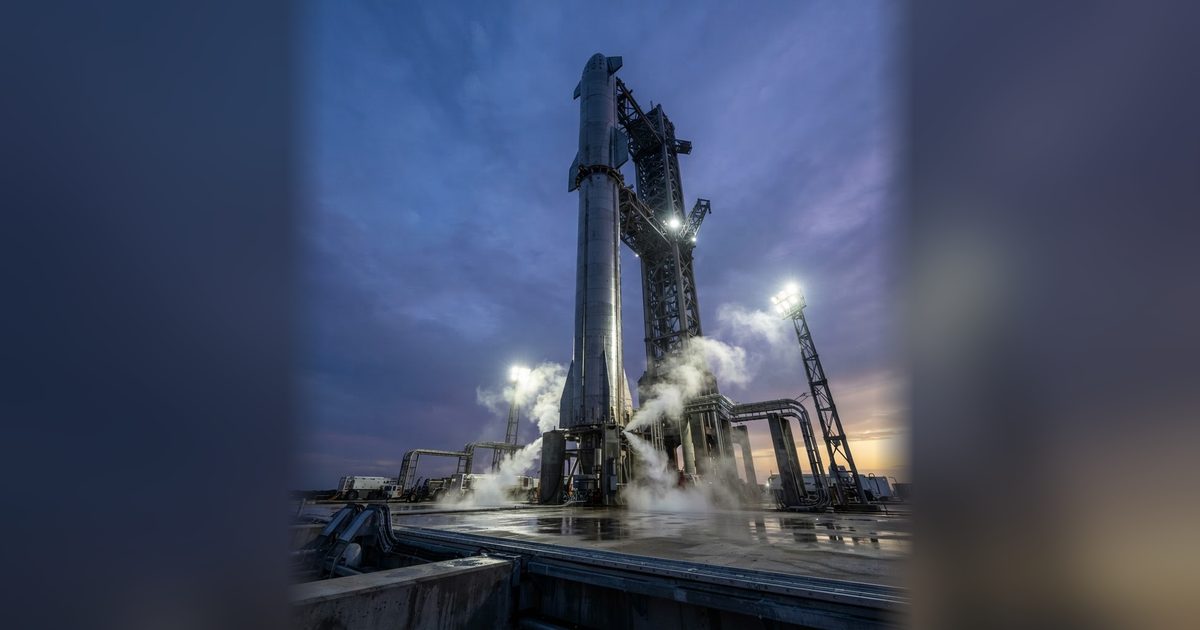
- Two catches: both the Super Heavy booster and the Starship spacecraft are meant to fly back to the launch site and be grabbed by the tower's mechanical arms, often called chopsticks.
- Timing: Musk said on October 10, at an event in Austin, that the flight was 'hopefully four to six weeks away', which points to roughly the second and third weeks of November. SpaceX has not named a launch date. An early provisional date of October 19 in airspace planning has already passed, and planning information from early October pointed to November 8 at the earliest.
- Vehicles: launch trackers expect Booster 22 and Ship 42 to fly, from the second pad at Starbase.
- Approval: SpaceX President Gwynne Shotwell said the company expects the Federal Aviation Administration to authorise the planned recovery of both stages in the Flight 15 licence. That is an expectation, not yet a granted permit.
- The odds: Musk has put the chance of catching the ship on the first try at 50 to 60 percent, according to KeepTrack.
Why catching the ship is so hard
A booster comes back from the edge of space at relatively low speed. The ship comes back from orbit. It has to survive the full heat of re-entry, control its fall through the atmosphere, restart its Raptor engines for a final burn and then line up precisely with the tower arms. Any mistake at the end could damage not only the ship but also the tower.
The last flight showed how much can still go wrong. On Flight 14 on September 28, Starship reached orbit for the first time and released 26 Starlink V3 satellites, but one of its six engines shut down during the climb. SpaceX shortened the mission to about three hours, and neither stage was recovered: the booster splashed down in the Gulf of Mexico and the ship came down in the Pacific.
Why it matters
Catching both stages is the key to full reuse, and full reuse is the key to cheap launches. Musk has suggested that a booster and ship caught on Flight 15 could fly again on Flight 16, although that depends on inspections and repairs. Shotwell named reflying an upper stage as a separate goal for early 2027.
The Tesla connection
For Tesla, the timing is striking. On the same call where SpaceX showed the catch animation, Musk confirmed that Tesla and SpaceX have set up special committees to study a possible merger. Tesla presents its own third-quarter results today. Starship links to Tesla in several ways:
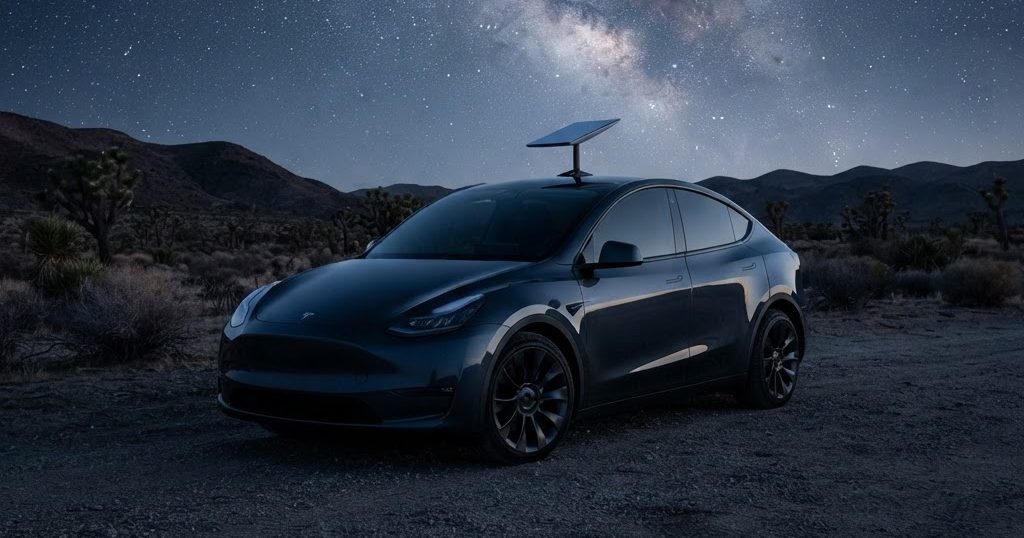
- Starlink capacity: the large V3 Starlink satellites, which could one day give cars and robotaxis better satellite coverage, depend on Starship flying often.
- AI in orbit and Terafab: SpaceX's plans for AI computing satellites, and the chips from Terafab, the factory Tesla and SpaceX plan to build together, only make sense with a cheap, reusable rocket.
- Shareholder value: Tesla holds a small stake in SpaceX. In any merger, SpaceX's value relative to Tesla's would shape the terms, and a working, reusable Starship is one of the biggest drivers of that value.
What to watch
The first signs will be an FAA licence update and published airspace closures, which usually give away a firm launch date. After that: whether the booster catch succeeds again, whether the ship survives re-entry, and whether it actually ends up in the chopsticks. Even a miss would give SpaceX valuable data, but a successful double catch would be one of the biggest milestones in the programme so far.
This article is for information only and is not financial advice.