 4 min
Starship reaches orbit for the first time and releases 26 Starlink V3 satellites, despite an engine failure
On Flight 14, SpaceX's Starship lost an engine on the way up, still made it to orbit, deployed its first real satellites and came down early near Hawaii. Here is what happened and why it matters for Tesla.
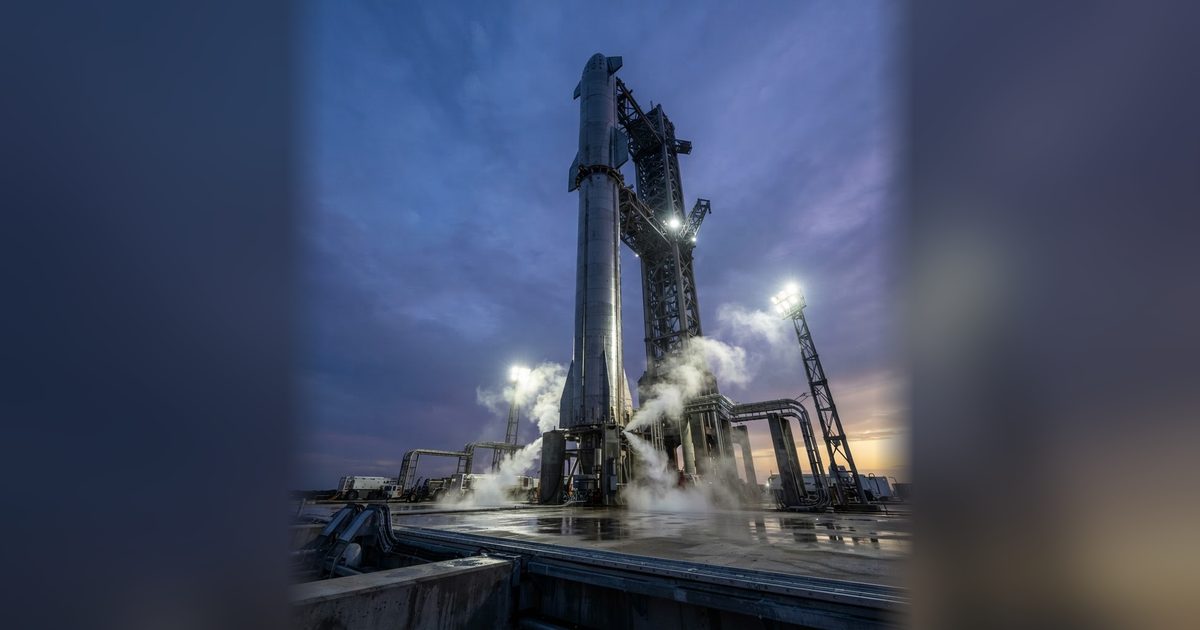
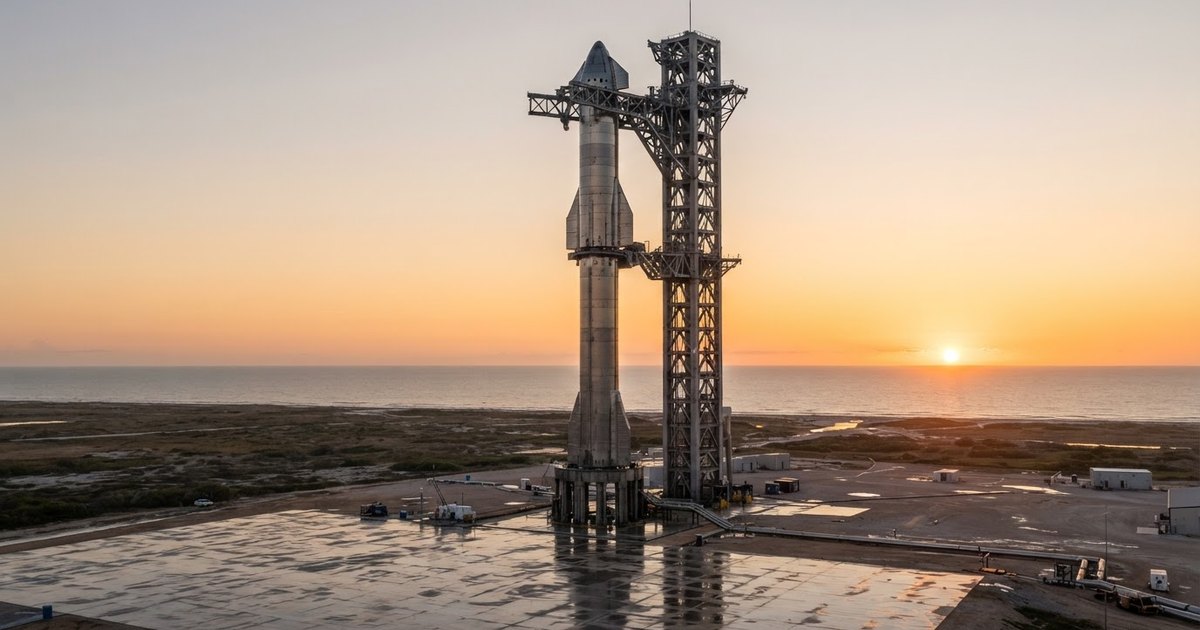
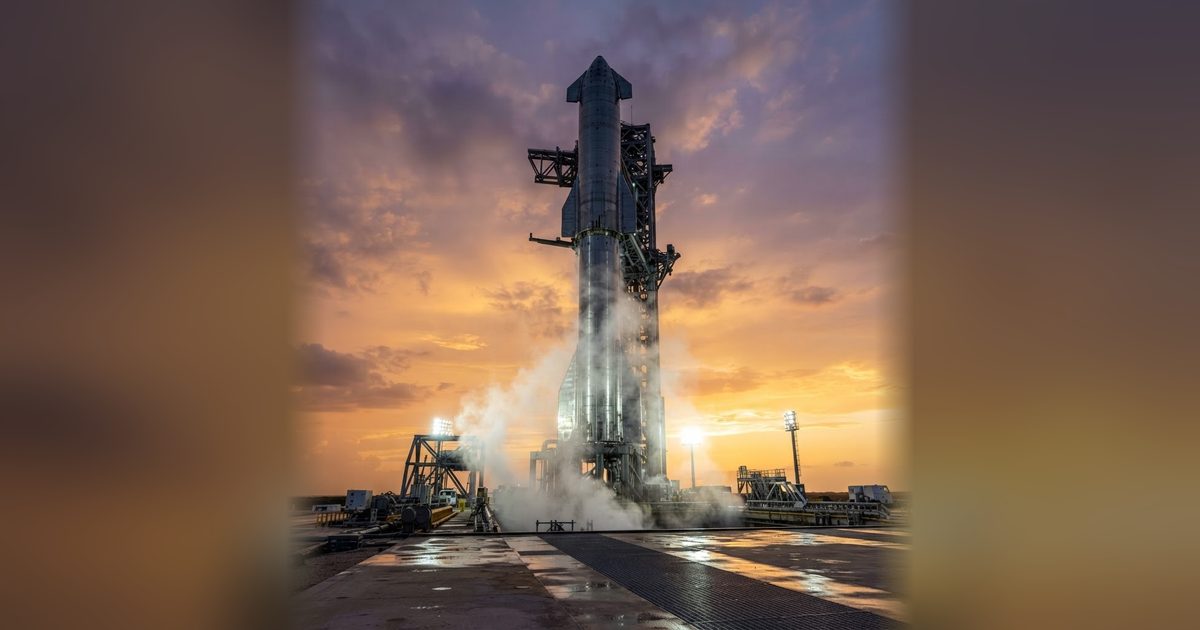
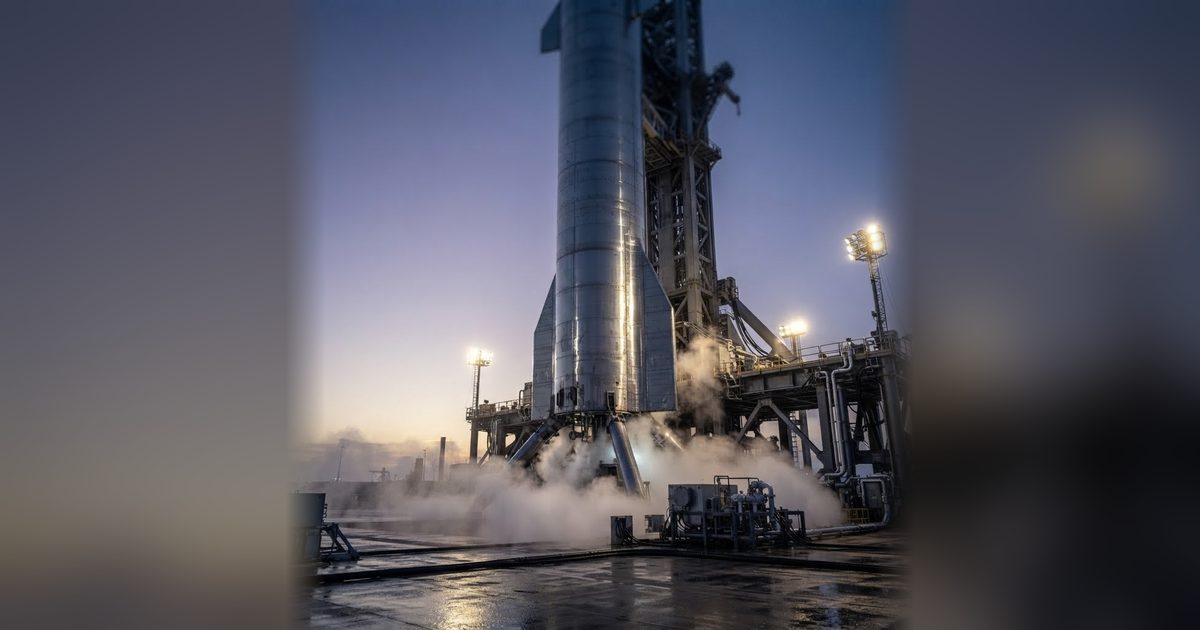
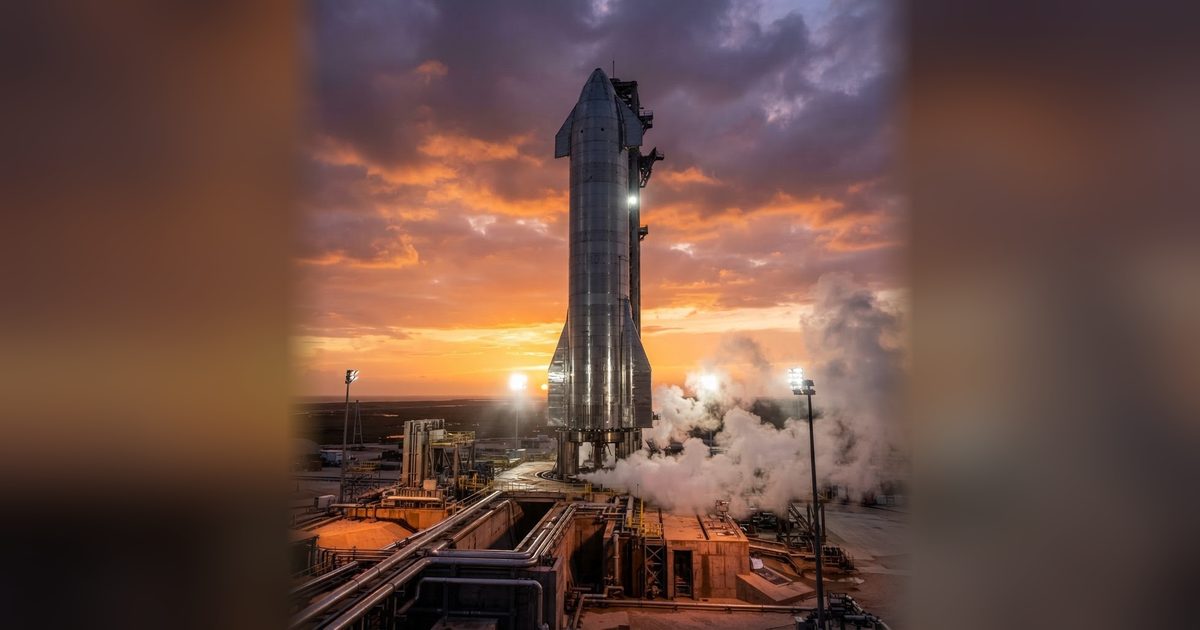
After 13 suborbital test flights since 2023, Starship has finally reached orbit. On Monday morning, September 28, SpaceX's giant rocket lifted off from Starbase in Texas, lost one of its engines during the climb, and still completed an orbital insertion. It then released 26 third-generation (V3) Starlink satellites, the first working satellites ever deployed by Starship. The mission was cut short and the ship came down near Hawaii, but the main goal was met.
How the flight went
- Liftoff: at 12:49 UTC (14:49 in the Netherlands, shortly before 8 a.m. in Texas), with all 33 Raptor engines on the Super Heavy booster firing.
- The scare: during the ascent, one of the six engines on Ship 41 shut down. The livestream host said the team had at first decided not to commit to orbit. After checking that enough backup hardware remained for the later deorbit burn, flight controllers approved a short single-engine burn of about 19 seconds to reach orbit. SpaceX had written this decision point into the flight plan beforehand.
- Orbit: the ship reached an altitude of roughly 270 to 275 kilometres.
- Satellites: all 26 Starlink V3 satellites were pushed out. 'All 26 Starlink V3 satellites are in orbit', SpaceX posted.
- Early end: the plan had been a flight of almost ten hours and about six orbits, with splashdown west of Chile. Because of the engine failure, SpaceX ended the mission after roughly three hours. The ship came down in the Pacific near Hawaii and caught fire after tipping over on touchdown.
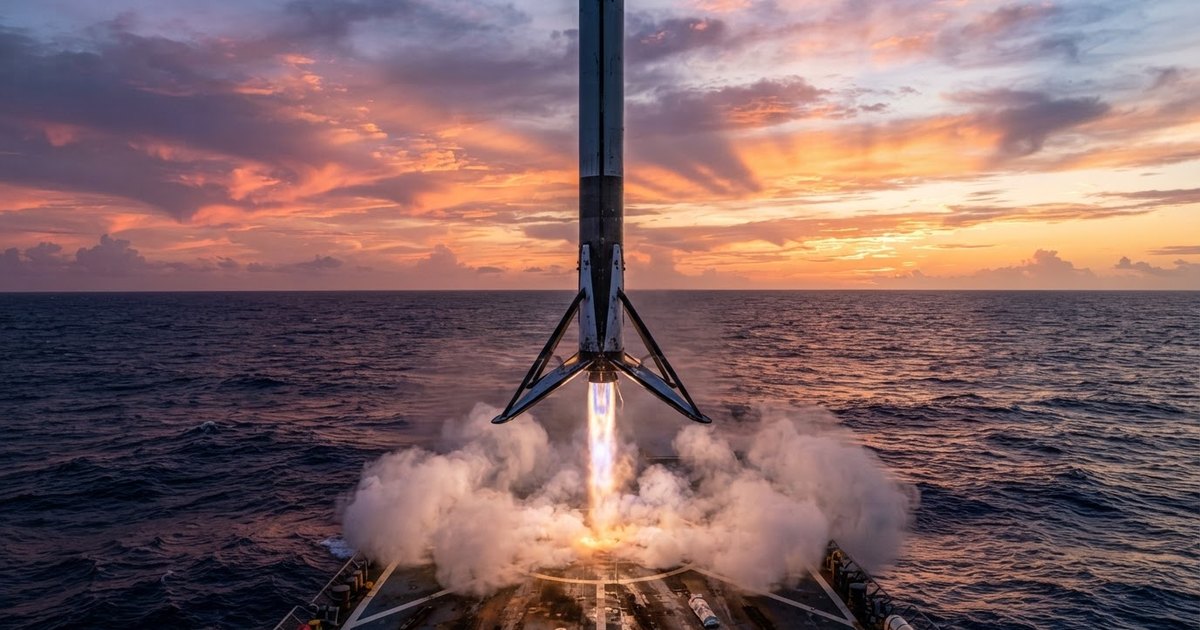
- Booster: Booster 21 made a controlled splashdown in the Gulf of Mexico. No catch was attempted.
Why these satellites are different
Each V3 satellite adds about 1 terabit per second of capacity, according to SpaceX, so this one launch added about 26 terabits per second. That is roughly ten times what a Falcon 9 adds with a load of current V2 Mini satellites. After deployment the satellites unfold their antennas and solar panels, connect to the network and raise their own orbits. SpaceX said they could start serving customers within a few weeks.
Three of the satellites also carried cameras to photograph Starship's heat shield, which SpaceX upgraded for this flight with better tile attachments and curved tiles. Two tiles recovered from an earlier ship were reused, a first for Starship.
Why it matters for Tesla
- Connectivity: Starlink is part of Musk's vision for always-connected vehicles. Every V3 launch adds capacity that could one day support satellite links in cars and robotaxi fleets, although mobile networks will remain the main connection for years.
- Orbital data centres and chips: SpaceX wants to put AI computing satellites in orbit, and Terafab, the chip factory planned by Tesla and SpaceX, is meant to supply chips for those satellites as well as for Tesla's cars and robots. That only works if Starship can launch cheaply and often.
- Shareholders: Tesla holds about 19 million SpaceX shares from its converted xAI investment. According to KeepTrack, SpaceX shares were trading below their $135 IPO price going into the flight, so losing the vehicle before reaching orbit would have hurt. Reaching orbit removes one of the biggest open questions about Starship.
The open questions
This was not a clean flight. Engine reliability has been a recurring problem on V3: on Flight 13, ice clogged three engines and ended the booster's return burn early, and SpaceX changed hardware and software in response. Today another engine failed on the ship. Starship has also not yet been caught by the tower in its upper-stage form, nor refuelled in orbit, both of which SpaceX needs for low-cost launches and for NASA's Moon missions.
What to watch next
SpaceX is expected to explain what caused the engine shutdown, and to say whether the next flight will try to catch the booster again, or even the ship. The heat-shield images from the three camera satellites will feed into that decision. For Tesla watchers, the next big moment is SpaceX's third-quarter results in October.
This article is for information only and is not financial advice.