 3 min
Powerwall 3 owners can now use a Model 3 or Model Y as extra home backup
Tesla has extended Powershare home backup to new Model 3 and Model Y cars in the US, but only in homes with a Powerwall 3 and a Wall Connector. The car can add more than two days of power to the home battery.
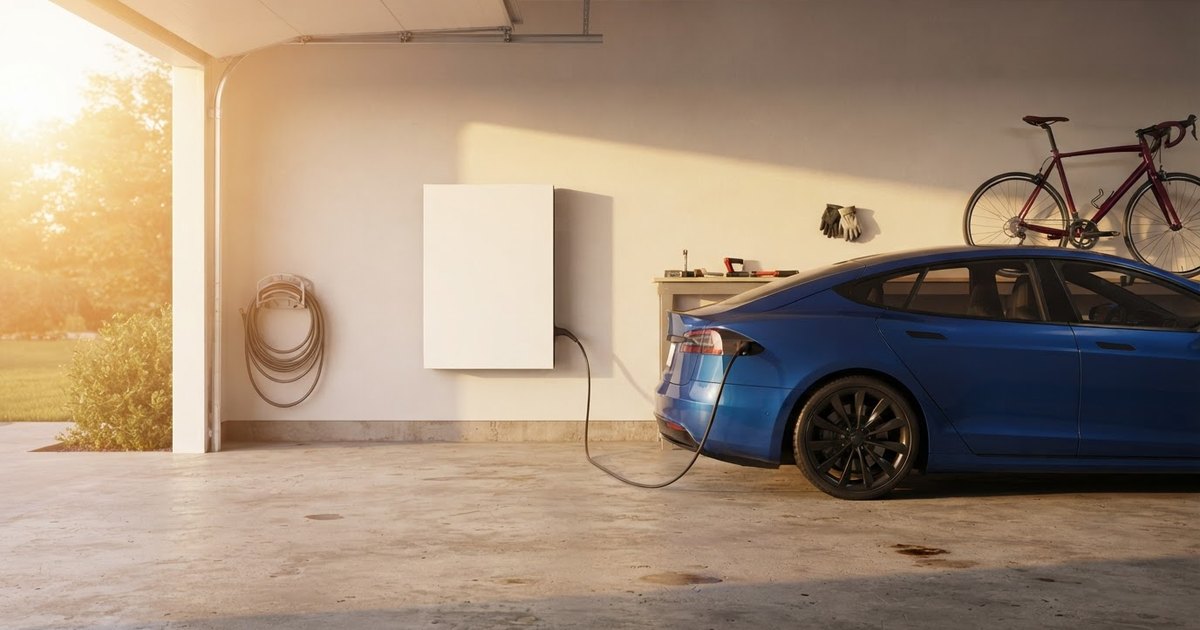
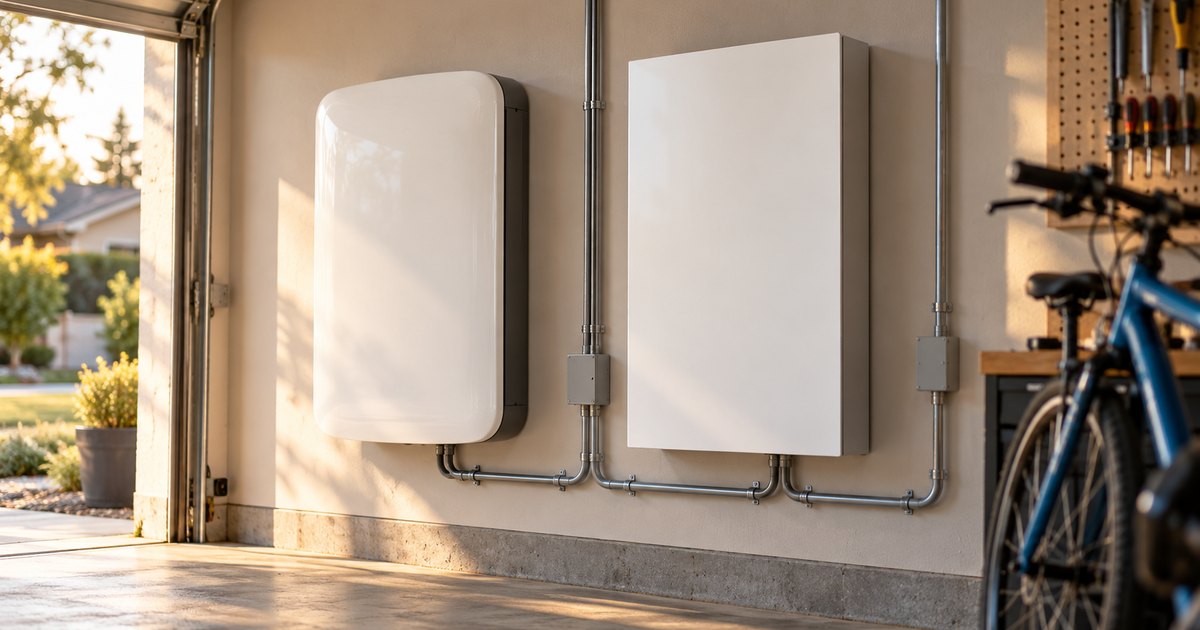
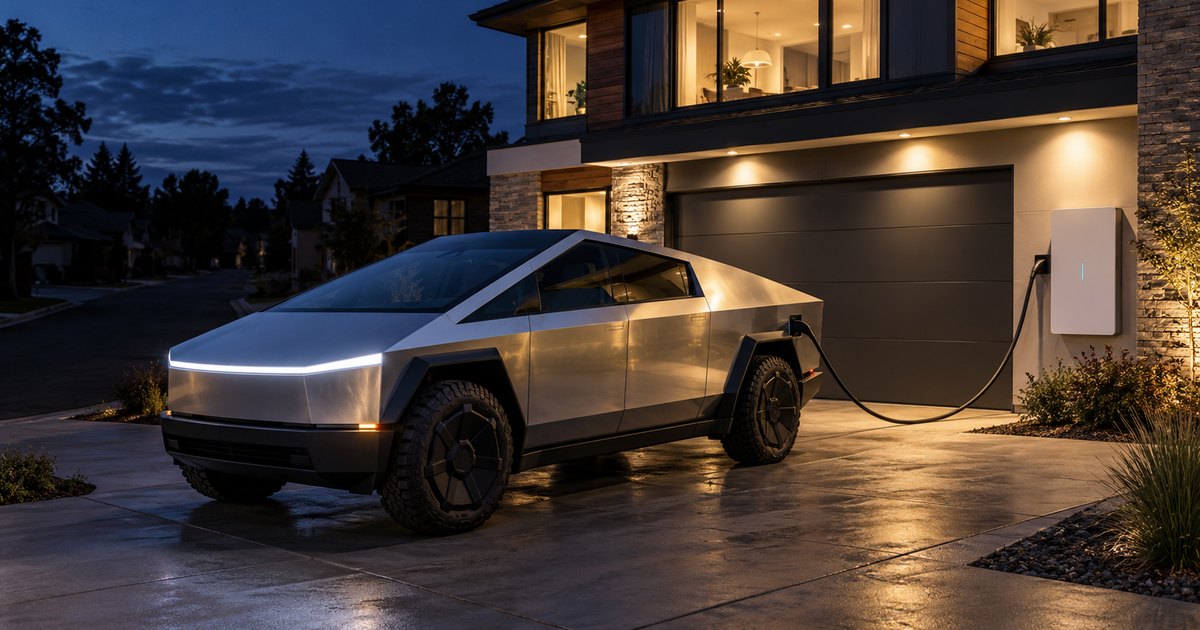
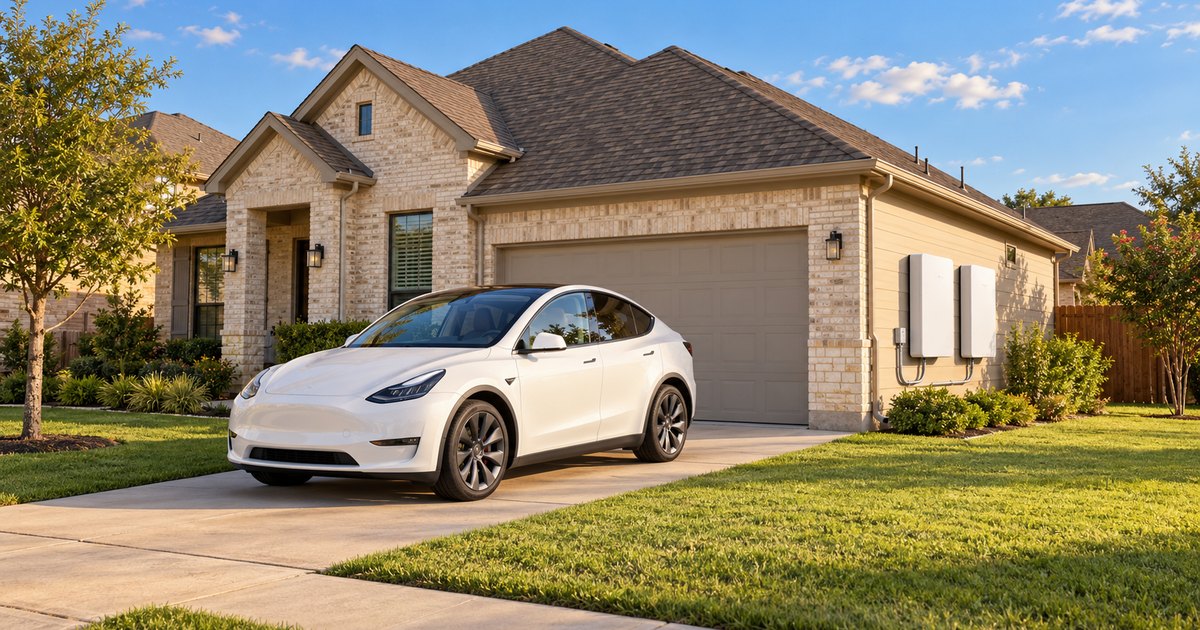
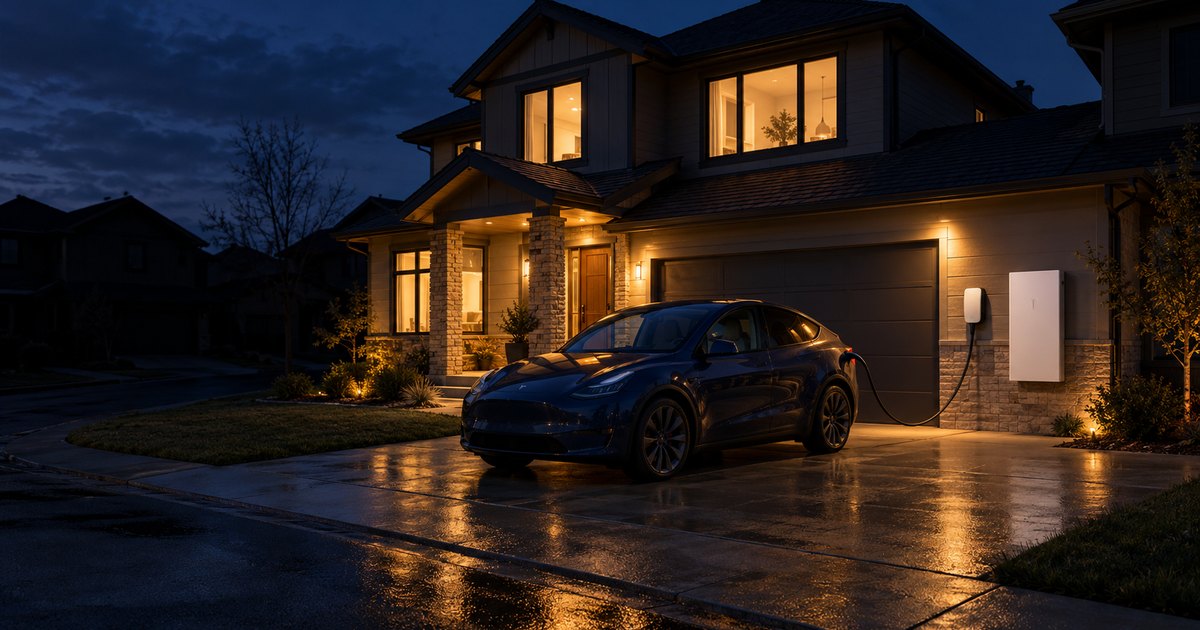
The Powerwall 3 has just become a lot more useful for Tesla drivers. On October 6, Tesla Energy announced that Powershare home backup now works with the Model 3 and Model Y in the US. During a power cut, the car plugs into the home's Wall Connector and supplies the house alongside the Powerwall 3. Until now, only the Cybertruck could do this.
There is one firm condition: for the Model 3 and Model Y, a Powerwall 3 is required. The car cannot back up a home on its own.
What owners need
- A Powerwall 3. Support for the Powerwall 2 and Powerwall+ is "coming soon", according to Tesla.
- A Tesla Wall Connector at home. No separate Powershare Gateway is needed, because the Powerwall 3 system handles the switch to backup power. The gateway option remains a Cybertruck-only setup.
- A compatible car. Tesla guarantees support on new Model 3 and Model Y cars ordered on or after October 1, 2026, in the US and Puerto Rico. Tesla says "some, but not all" earlier cars also have the hardware. Owners can check on the touchscreen under Software, then Additional Vehicle Information, where "Powershare Support" should read Enabled.
- Activation. Electrek reports that owners with the right setup must contact Tesla support to turn the feature on.
How much power and how long
The combined system delivers up to 11.52 kW continuously at 240 volts, the same as Cybertruck Powershare. Not a Tesla App adds that it is rated for a 185 A motor start current and certified to UL 1741 CRD. For comparison, the vehicle-to-load outlet that some Model 3 and Model Y cars got earlier was limited to 2.4 kW.
The bigger change is in energy. A Powerwall 3 holds 13.5 kWh. A Model 3 or Model Y carries roughly 70 to 85 kWh of usable battery, five to six times as much. Tesla's estimates, for a home using 30 kWh a day and a car charged to 90%:
- Model 3 or Model Y Premium and Performance: more than two days of extra backup.
- Standard versions: up to two days.
- Cybertruck: more than three days.
Owners can set a limit in the car, so the house does not drain the battery below what they need for driving.
What it does not do
Powershare Grid Support, which lets a car sell energy back to the grid for payment, is not available for the Model 3 or Model Y. It remains limited to the Cybertruck in a few markets. Tesla's Canadian site still lists Powershare as Cybertruck-only, and there is no timeline for Europe or other regions.
The bidirectional power runs through a vehicle inverter Tesla calls PCS2 Lite. Tesla has not said exactly when that part entered production for each version, which is why older cars are hit and miss.
Why it matters for home batteries
This turns the Powerwall 3 into the hub of a Tesla home. Instead of buying several batteries to cover a long outage, a household can pair one Powerwall 3 with the car in the driveway. The Powerwall handles everyday solar storage and the instant switch-over when the grid fails, and the car adds days of reserve.
It also fits what Elon Musk said at Tesla's 2023 Investor Day, when he doubted many people would want bidirectional charging "unless you have a Powerwall". That is exactly how Tesla has now shipped it. Rivals moved earlier: Ford launched home backup on the F-150 Lightning in 2022.
What to watch for next
- Powerwall 2 and Powerwall+ support: the largest group of existing Powerwall owners is still waiting.
- Older cars: whether Tesla publishes a clear list of which earlier Model 3 and Model Y builds qualify.
- Other markets: Canada, Australia and Europe, where Powerwall 3 is sold but Powershare is not offered on these cars.
Sources (2)
Images are illustrations; some are made with AI.