 3 min
Nvidia's new DSX Ready program qualifies Tesla Megapack for AI data centers, alongside LG and Hitachi
Nvidia has launched DSX Ready, a qualification program for power and cooling gear in AI data centers. Tesla's Megapack 2XL is one of the first three battery systems on the list. Here is what that means and what it does not.
Nvidia, the company whose chips power most AI data centers, has started telling builders which batteries it trusts. On September 21 it launched DSX Ready, a qualification program for power and cooling products used in what it calls AI factories. Tesla's Megapack is one of the first three battery storage systems to make the list.
What Nvidia announced
DSX Ready is part of Nvidia's DSX platform, a set of reference designs for building, simulating and running AI data centers. The program checks whether partner products meet the requirements of those designs. It starts with two categories, and Nvidia says more will follow:
- Battery energy storage systems: Hitachi Energy, LG Energy Solution and Tesla.
- Cooling distribution units, which move liquid coolant to the servers: LG Electronics, LiquidStack and Vertiv.
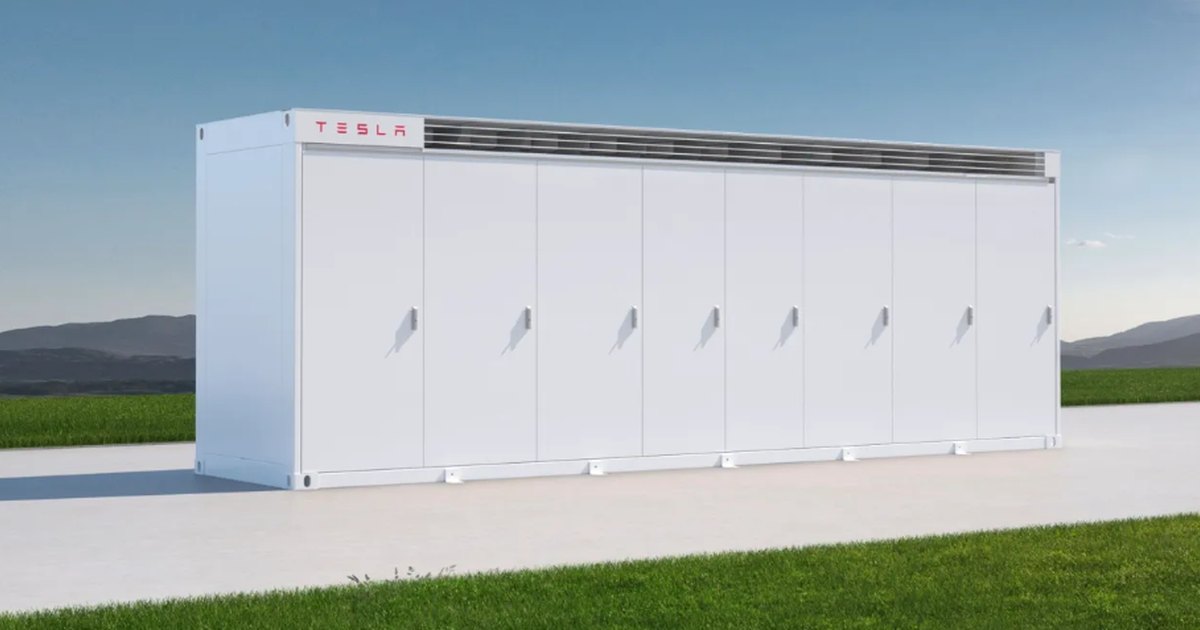
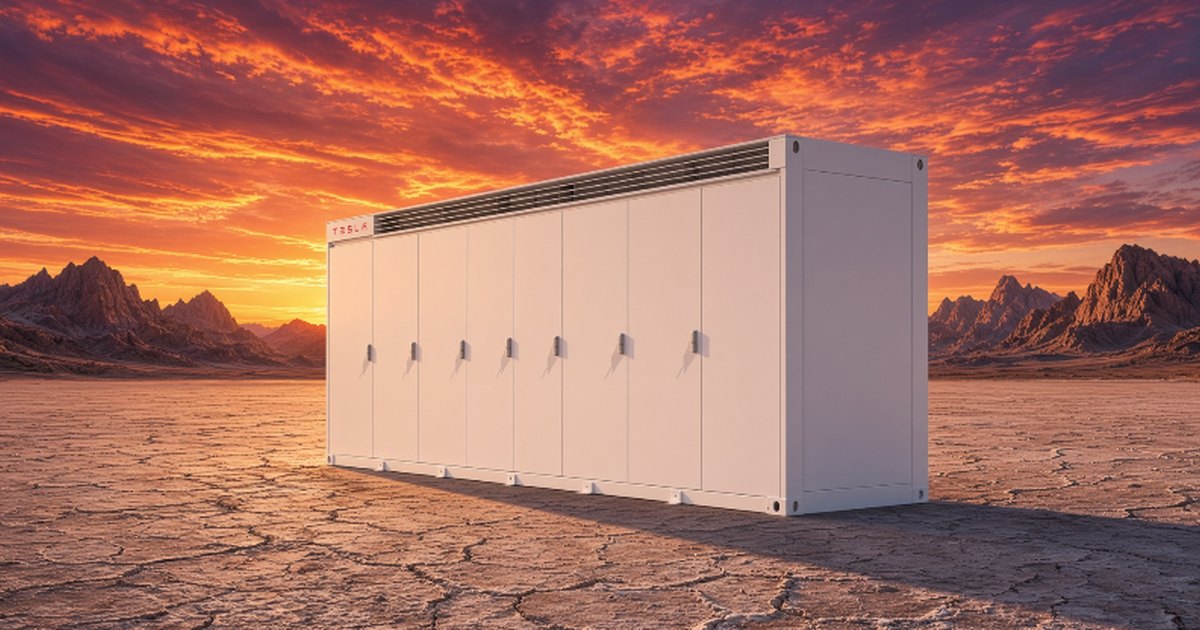
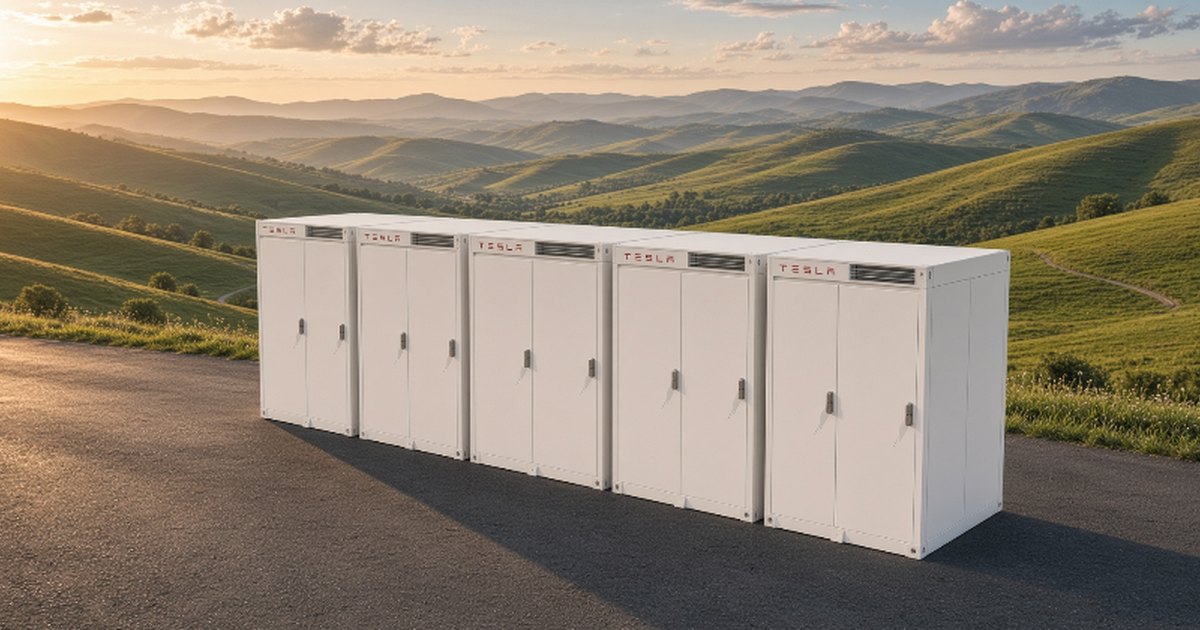
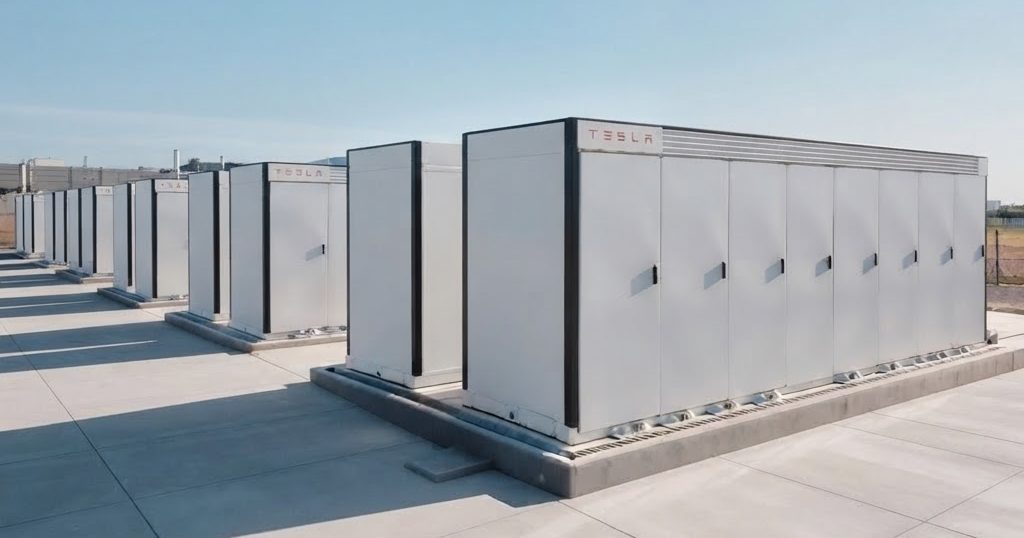
According to ESS News, the qualified Tesla product is the Megapack 2XL, rated at 1.93 MW and 3.85 MWh. The Hitachi and LG systems are listed at 5 MW and 10 MWh each. Tesla had not commented on the announcement.
What qualification actually tests
The supplier runs the tests and Nvidia reviews the results. For batteries, the focus is on the power conversion system, the electronics that connect the battery to the site's AC power. Behaviours covered include:
- how quickly the system responds to changes in active and reactive power;
- current limiting, and riding through grid disturbances without tripping;
- running as an island, cut off from the grid;
- black start, meaning restarting a site from zero.
Suppliers must submit raw test data, plots and pass or fail statements, and document certifications for grid connection, fire safety and cybersecurity. Nvidia is careful about the limits: passing does not replace engineering at each site, and equipment such as transformers, switchgear and generators falls outside the scope.
Why AI data centers need batteries
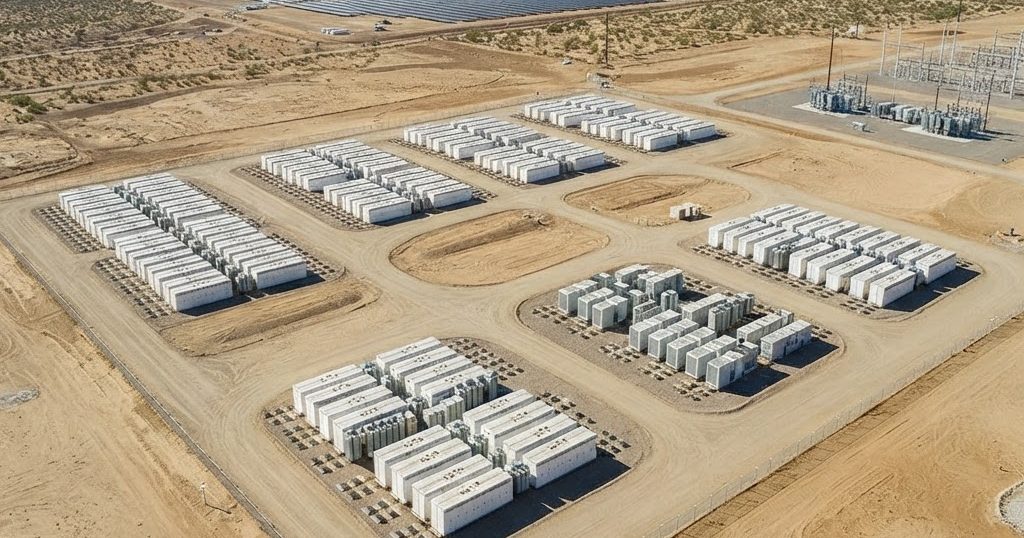
Large AI training runs make power demand jump up and down very quickly, as thousands of chips start and stop work together. Those swings are hard on local grids and on backup generators. A battery can absorb and smooth them, keep the site running if the grid fails, and store electricity when it is cheap. As power has become the main constraint on new AI capacity, batteries have moved from an extra to part of the core design.
Why it matters for Tesla
Being on Nvidia's short list gives Tesla a stamp of approval in front of exactly the customers who are spending most on new infrastructure. It could help Megapack win business beyond its traditional buyers, utilities and independent power producers.
Tesla already knows this market well. Elon Musk's AI company, now part of SpaceX, has been one of its biggest battery customers: according to SpaceX's IPO filing, it spent about $699 million on Megapacks between 2024 and April 2026, for its Colossus data centers in Memphis, Tennessee, and Southaven, Mississippi.
There are also limits to what the news says. Nvidia has not named any projects that will use Megapack, nor any volumes. The qualification is technical, not a purchase order, and LG and Hitachi offer larger blocks per unit.
What to watch next
- Whether Tesla's newer Megapack 3, now in production in Texas, is added to the list.
- Data center deals that cite DSX Ready when they choose a battery supplier.
- New categories, such as power electronics or software, that Nvidia says it will add.
Sources (4)
- NVIDIA Blog — NVIDIA launches DSX Ready to qualify power and cooling products for AI factories
- ESS News — Nvidia launches BESS qualification program for AI data centers, names just Tesla, LG, Hitachi
- Tesla North — NVIDIA names Tesla Megapack among first DSX Ready picks for AI factory power
- Drive Tesla Canada — SpaceX reveals another $269 million Megapack purchase from Tesla