 3 min
Tesla's energy chief Mike Snyder leaves after 12 years, AJ Booth reportedly takes over
Mike Snyder, the executive who built up Tesla's Megapack business, has stepped down as vice president of energy and charging, according to the Wall Street Journal. Here is who he was, who replaces him and why the timing matters.
Tesla has lost the man in charge of its fastest-growing hardware business. Mike Snyder, vice president of energy and charging, has left the company, the Wall Street Journal reported on Thursday, October 15, citing people familiar with the matter. According to the report, AJ Booth, Tesla's senior director of energy products engineering, will take over the role.
Tesla has not confirmed the change. It did not respond to a request for comment from Reuters, which said it could not independently verify the report. Snyder himself has not announced his departure publicly.
Who Mike Snyder is
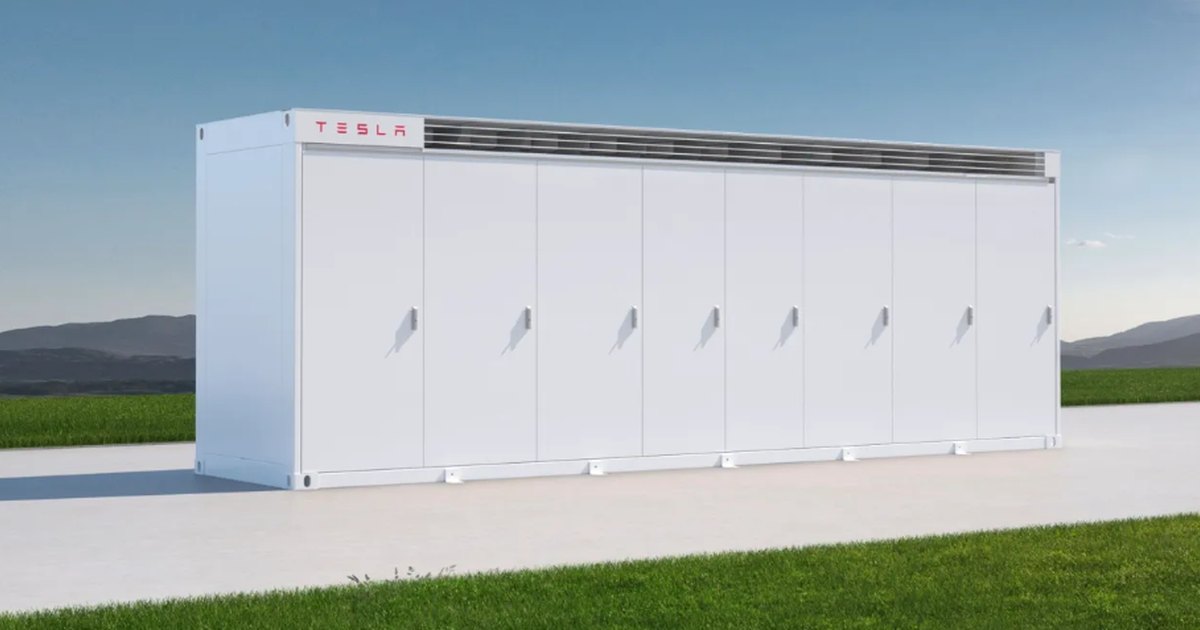
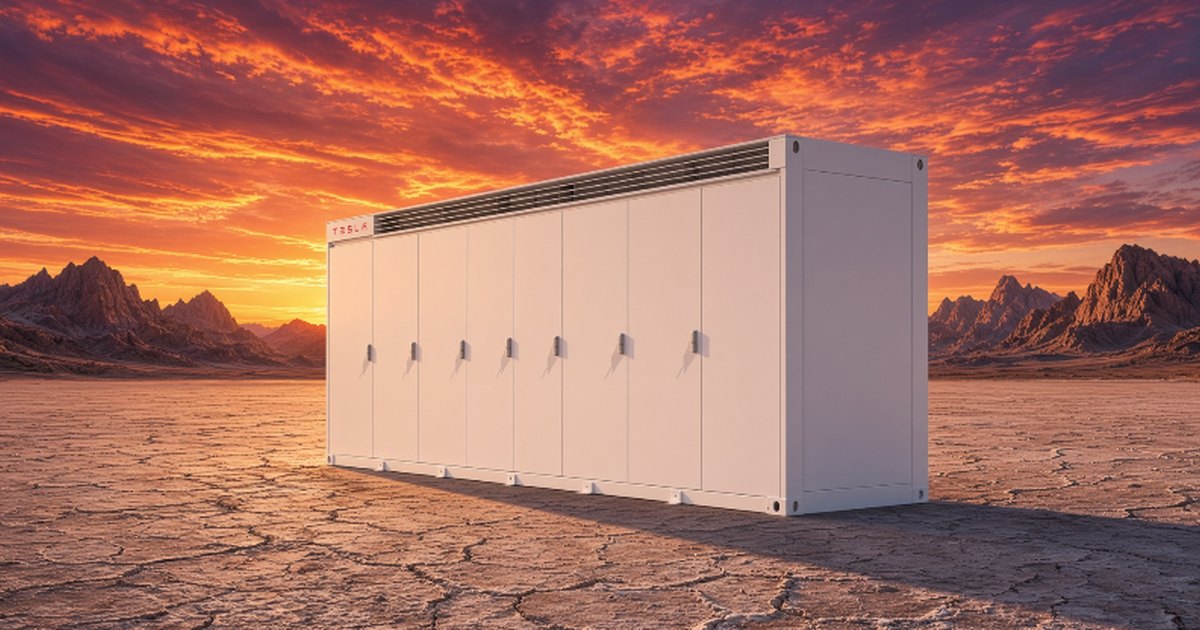
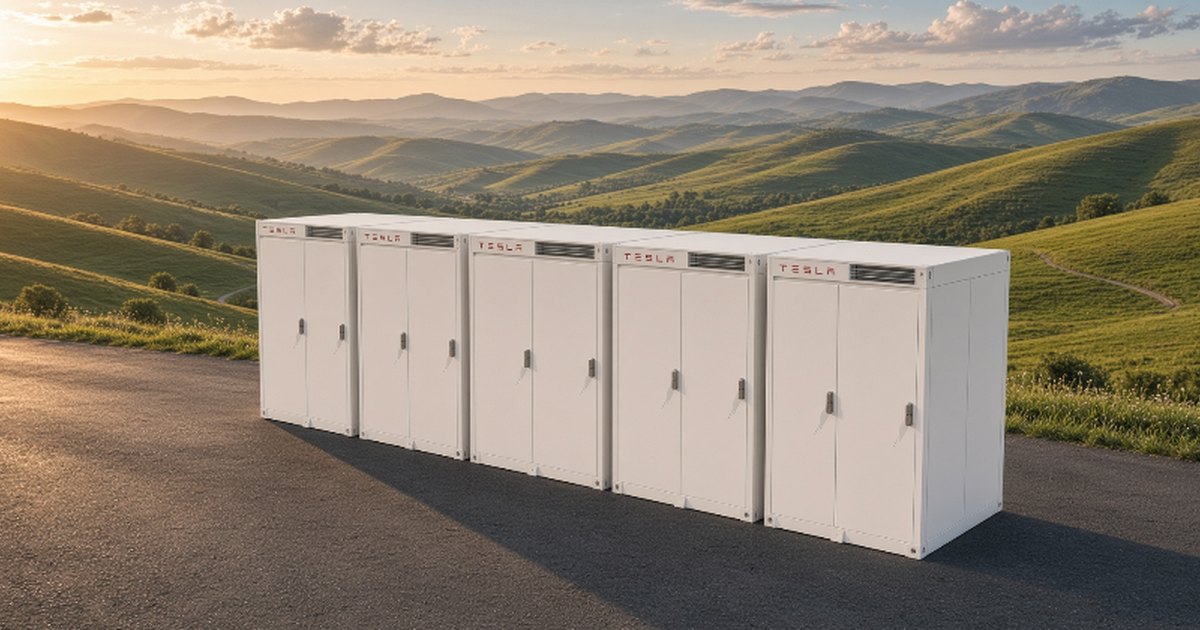
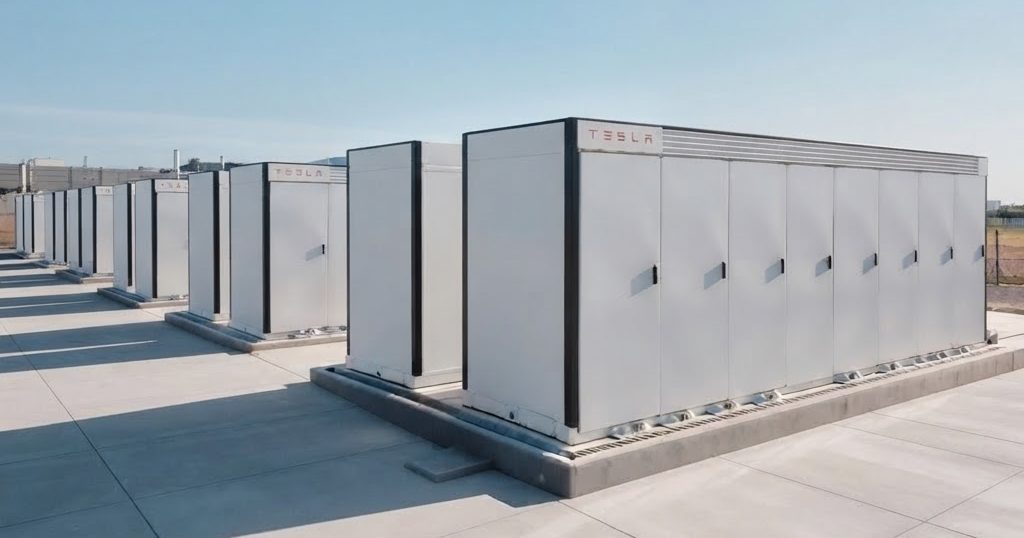
Snyder spent about 12 years at Tesla. According to his LinkedIn profile, he joined in 2014 as a staff electrical engineer. He went on to lead the Megapack program, the large container-sized batteries that utilities and data centers buy to store electricity.
He became Tesla's top energy executive in 2024. That promotion followed a company-wide restructuring in which several senior leaders left, including Drew Baglino, the longtime head of energy and powertrain. Baglino now runs two clean energy start-ups, Heron Power and Sadi Thermal Machines. Snyder was also in charge of charging, which includes the Supercharger network.
The business he leaves behind
Snyder hands over a division that is in much better shape than the car business on several measures:
- Revenue: energy generation and storage brought in $12.77 billion in 2025, roughly 13.5% of Tesla's total revenue.
- Volume: Tesla said earlier this month that it deployed 13.7 GWh of storage in the third quarter, about 10% more than the 12.5 GWh of a year earlier.
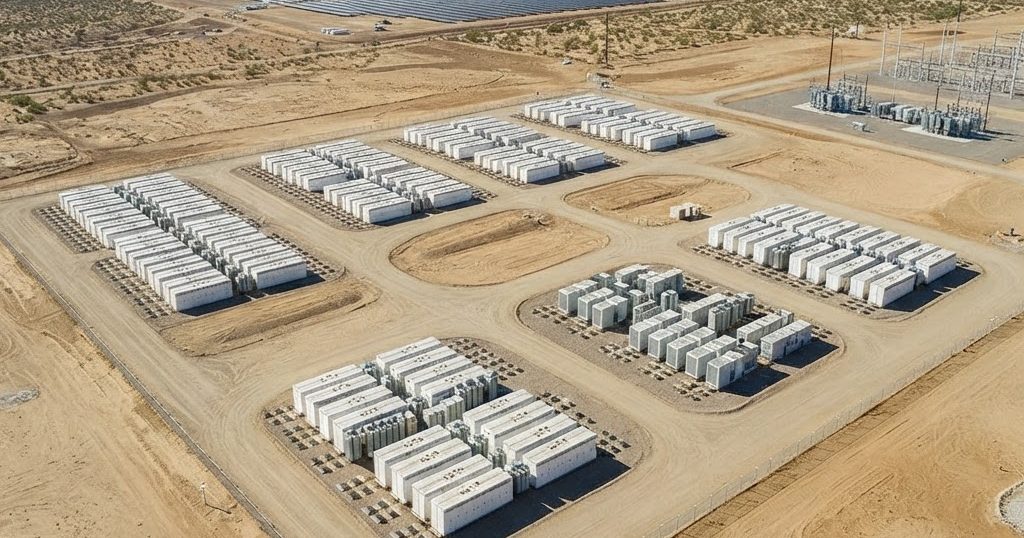
- Factories: Tesla makes Megapacks in Lathrop, California, and Shanghai. A third Megafactory in Texas began production in August.
- Plans: Tesla has proposed a solar manufacturing plant in Texas worth about $10 billion, codenamed Project Crystal Sun.
The energy business traces back to Tesla's $2.6 billion takeover of SolarCity in 2016, but it is Megapack, not solar, that has driven most of its growth in recent years.
Why the timing stands out
The report landed less than a week before Tesla's third-quarter earnings on October 21, and on the same evening Tesla had scheduled a production Roadster unveiling. Investors will want to hear on the earnings call whether the leadership change affects energy targets or the factory build-out.
No reason for the departure has been given. It is not known whether Snyder left voluntarily, and outlets that followed the WSJ report have not established that either. Tesla has seen a long line of senior exits over the past two years, so a single departure does not by itself say much about the health of the division.
Why it matters for Tesla
Energy storage is one of the few parts of Tesla that has grown steadily while car sales came under pressure. Large batteries are in demand from utilities and, increasingly, from AI data centers that need power faster than grids can deliver it. That makes the person running the business important to Tesla's earnings story, especially as Elon Musk focuses the company more on AI, robotaxis and the Optimus robot.
Booth is an internal engineering appointment, which points to continuity rather than a change of direction. Promoting from within the energy products team also suggests Tesla wants to keep the Megapack and factory roadmap on track.
What to watch next
- Whether Tesla confirms the appointment and comments on it during the Q3 earnings call on October 21.
- Energy deployment guidance for the rest of 2026 and for 2027.
- The ramp of the Texas Megafactory and progress on Project Crystal Sun.