 3 min
Powerwall 2 owners can finally add a Powerwall 3: limits, requirements and the 108 kWh maximum
A software update now lets Powerwall 2 systems in North America and Australia add a Powerwall 3 and up to three expansion units. Here is what you need, what is not supported and how far a system can grow.
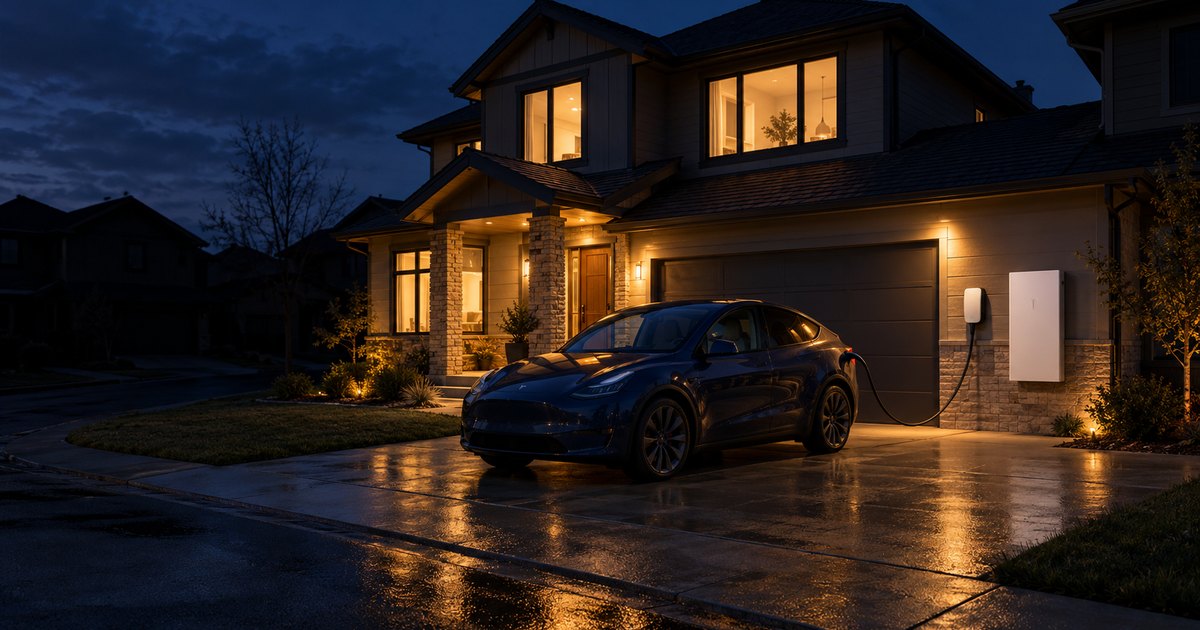
For more than two years, owners of an older Tesla home battery faced an awkward choice. If they wanted more storage, they could not simply add the newer Powerwall 3 to their Powerwall 2 system. That has now changed. On September 23, Tesla Energy said on X: "Powerwall 2 Owners: You can now increase your storage capacity with a Powerwall 3." The feature is available in North America and Australia.
What is now possible
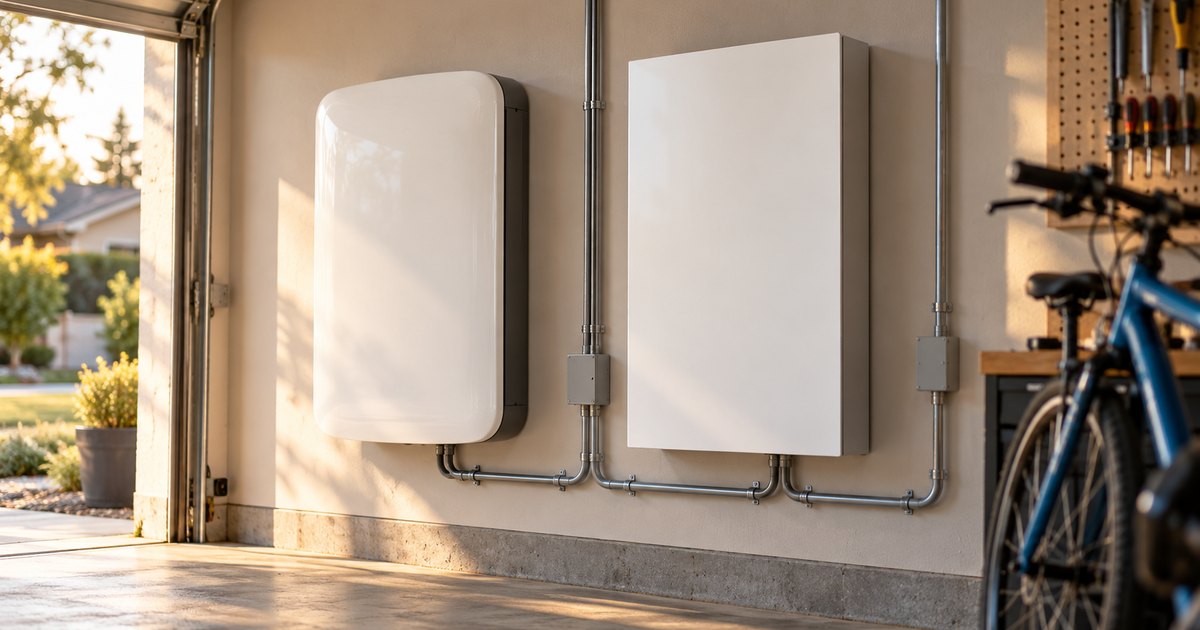
According to Tesla's support page, a mixed system can contain:
- Up to four Powerwall 2 units, which stay in place and do not need to be replaced.
- One Powerwall 3.
- Up to three Powerwall 3 Expansion units, the battery-only modules that stack onto a Powerwall 3.
At 13.5 kWh per unit, that adds up to a maximum of 108 kWh. In the Tesla app, the mix of old and new batteries shows up as one system.
What you need
- Software: the Powerwall must run version 26.26 or later. Tesla first rolled out the capability in Australia earlier this year with that version, before bringing it to North America.
- Backup Gateway 2: systems with the first-generation Gateway 1 are not supported. Neither are older Neurio energy meters.
- A Tesla Certified Installer: the work has to be done by a certified installer, either the original one or a new one. Pricing comes from them.
There is one technical limit worth knowing. On a three-phase grid connection, the Powerwall 3's output in a mixed system is capped at 5 kW. That is far below what a Powerwall 3 can deliver on its own, and matters mainly in Australia, where some homes have three-phase power.
Warranty and incentives
The existing Powerwall 2 units keep their original warranty. The new Powerwall 3 and any expansion units get their own 10-year warranty. In Australia, Tesla says the new hardware may qualify for discounts under the federal Cheaper Home Batteries Program, and an existing Powerwall 2 system stays compliant when a Powerwall 3 is added.
Why it took so long
The two batteries are built very differently. The Powerwall 2 is AC-coupled: it stores power from solar panels that run through a separate inverter. The Powerwall 3 has its own solar inverter built in and much higher output. Getting both to act as one battery took new software, and owners have been waiting for it since the Powerwall 3 went on sale in the US in February 2024.
Why it matters
The Powerwall 2 has been on the market since 2017, and many homes bought one or two units when their needs were smaller. Since then, plenty of households have added an electric car, a heat pump or air conditioning. Until now, the only way to expand was to find older Powerwall 2 stock or replace the system. Being able to add a Powerwall 3 protects the investment in the existing batteries.
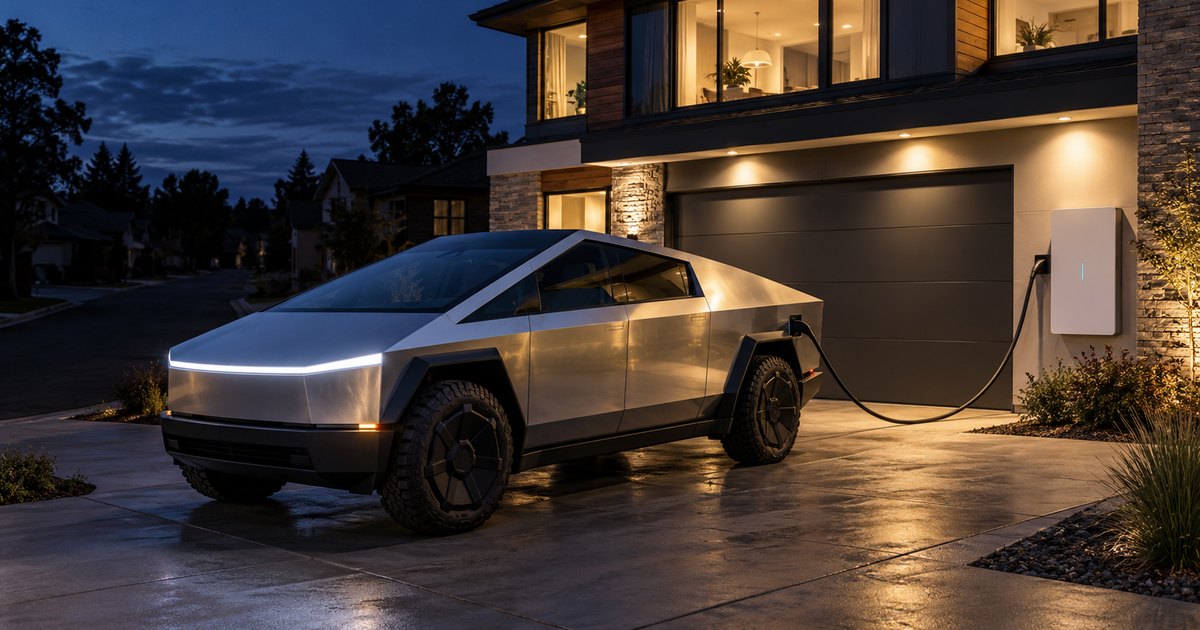
It also opens the door to newer features. Cybertruck Powershare, which lets the truck back up a home together with a Powerwall, currently works only with Powerwall 3 systems. Tesla says Powerwall 2 support is coming, but has not given a date.
What to watch for next
- Europe: Tesla's announcement covers North America and Australia only. There is no word yet on Powerwall 2 owners in Europe.
- Powerwall+: the sources we checked do not say whether the Powerwall+ is included.
- Higher limits: Tesla describes the current configuration as the limit at launch, which suggests more units could be allowed later.
Sources (3)
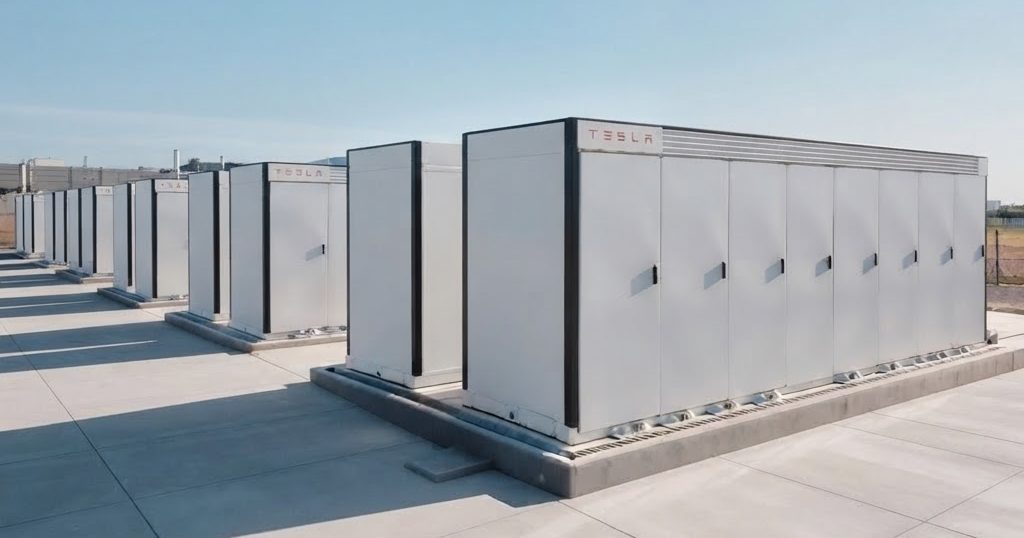
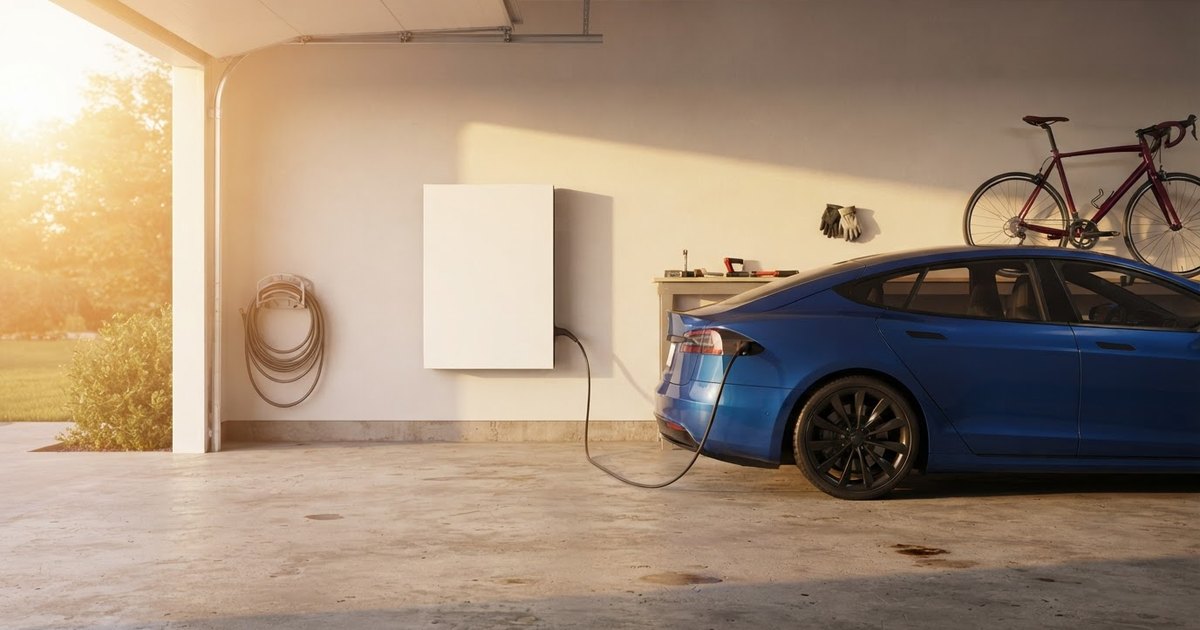
Images are illustrations; some are made with AI.