 6:10
What is Tesla FSD (Supervised)? What it does, what it costs and where you can use it
Tesla's Full Self-Driving (Supervised) explained: what the system really does, why you must keep watching, the monthly price in the US, UK, Europe and Australia, and the countries where it is allowed as of October 2026.
Tesla FSD (Supervised) is a driver-assistance system that can steer, brake, change lanes, take turns and park on almost any road, as long as you watch and stay ready to take over. As of October 2026 it costs $99 a month in the US, and in most markets you can no longer buy it outright: it is a subscription. Tesla lists 16 countries where it runs, from the US and Canada to Australia and ten EU countries led by the Netherlands, and it is also live in South Korea. The UK, Germany and France are not on that list yet. The name promises more than the system is allowed to do, and that gap decides how you can use it.
What does FSD (Supervised) actually do?
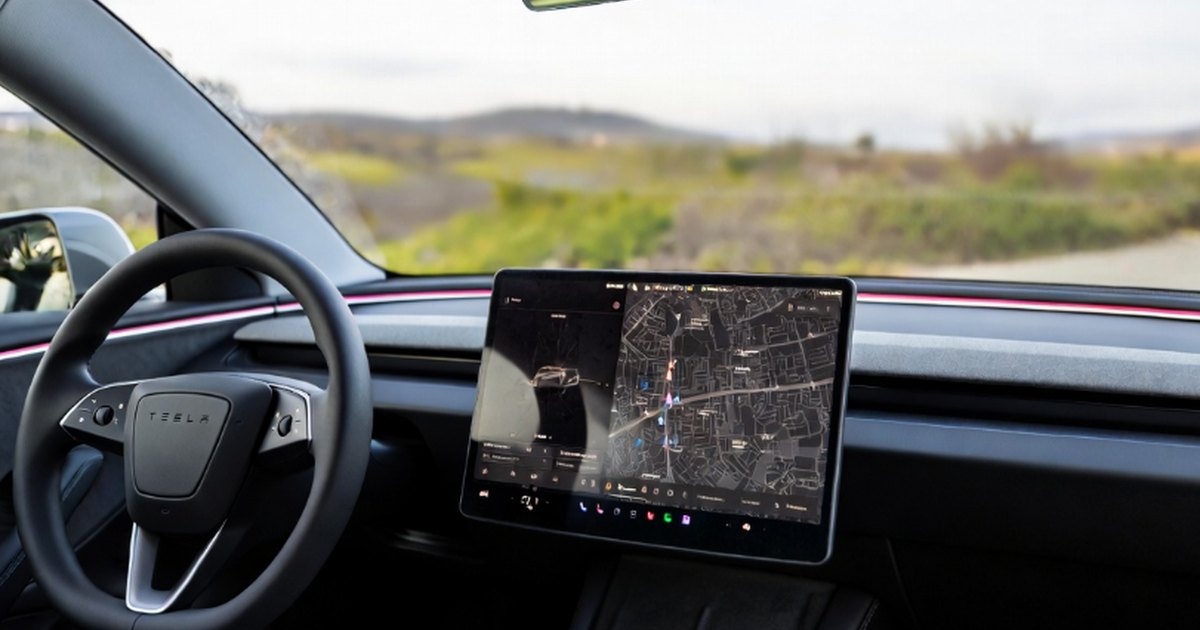
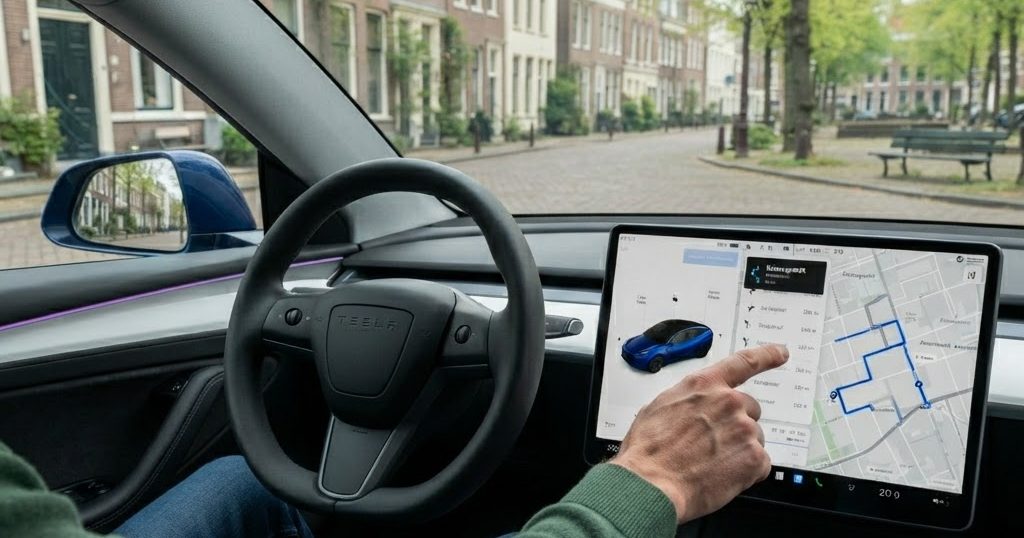
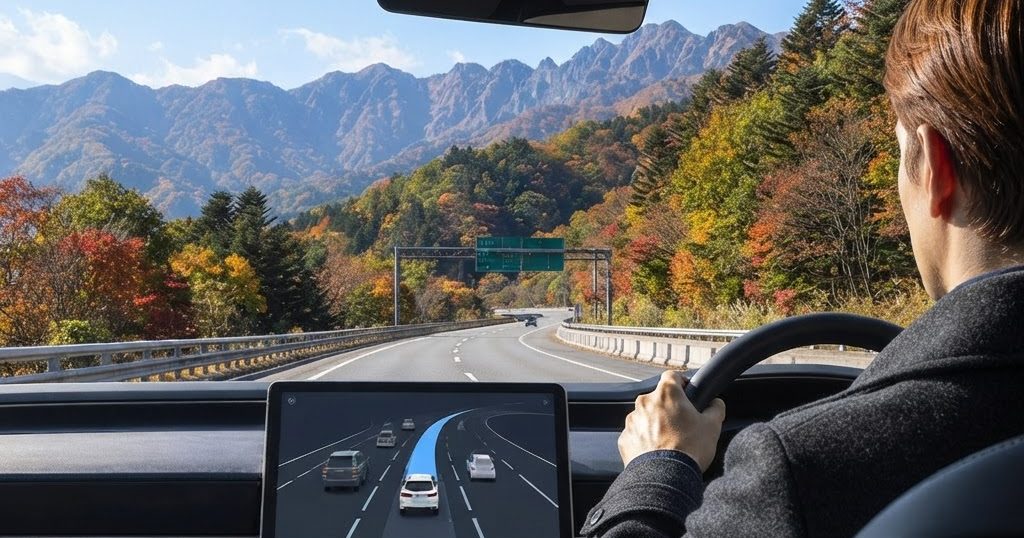
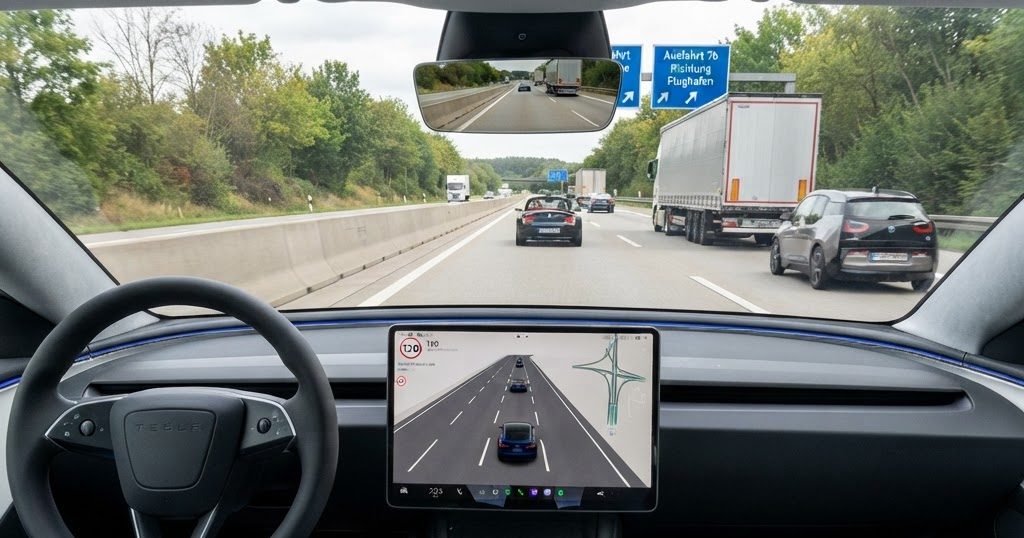
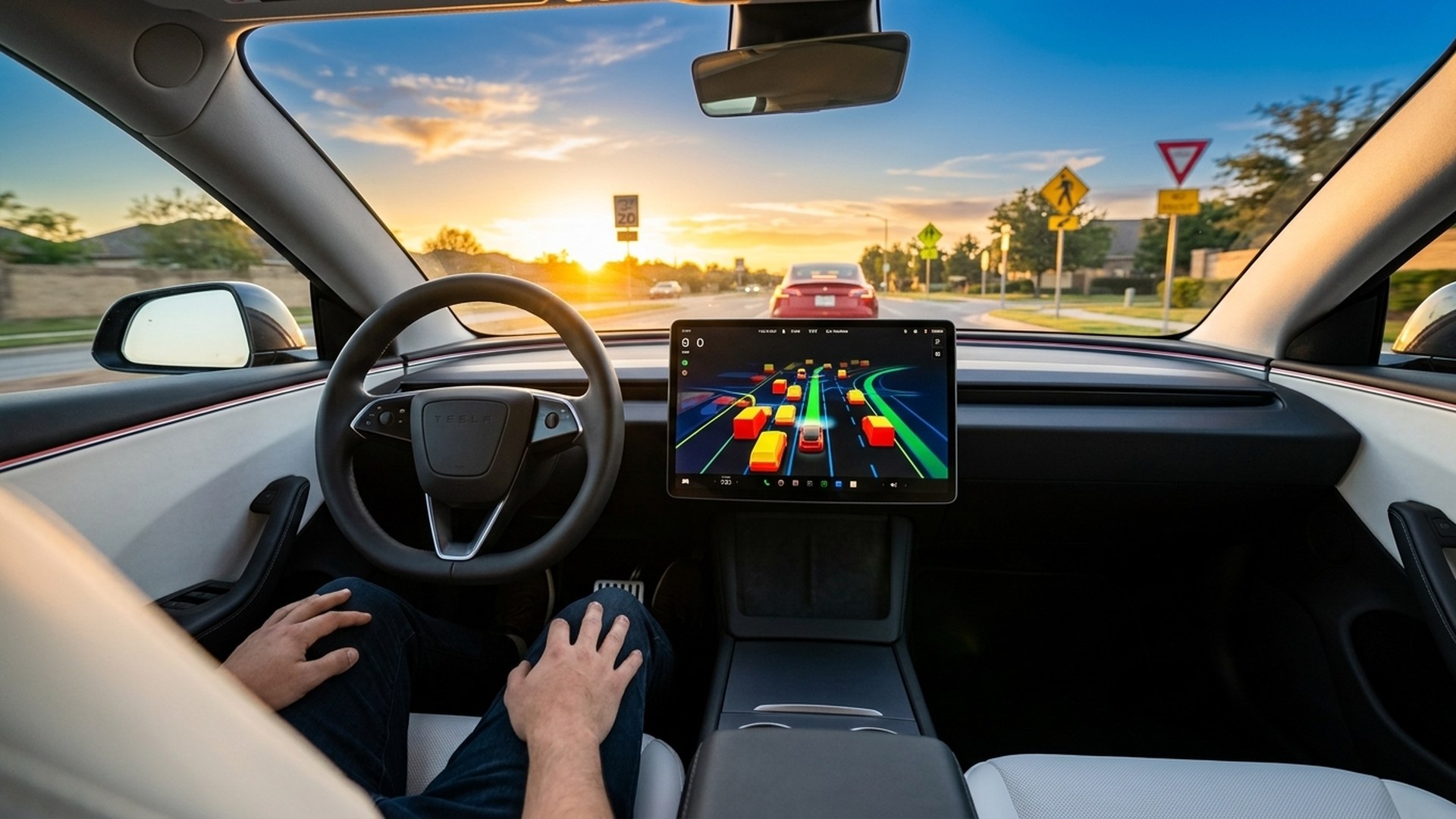
It drives the car from A to B while you supervise. You enter a destination, tap Start Self-Driving on the screen, and the car follows the route on its own. According to Tesla, the system:
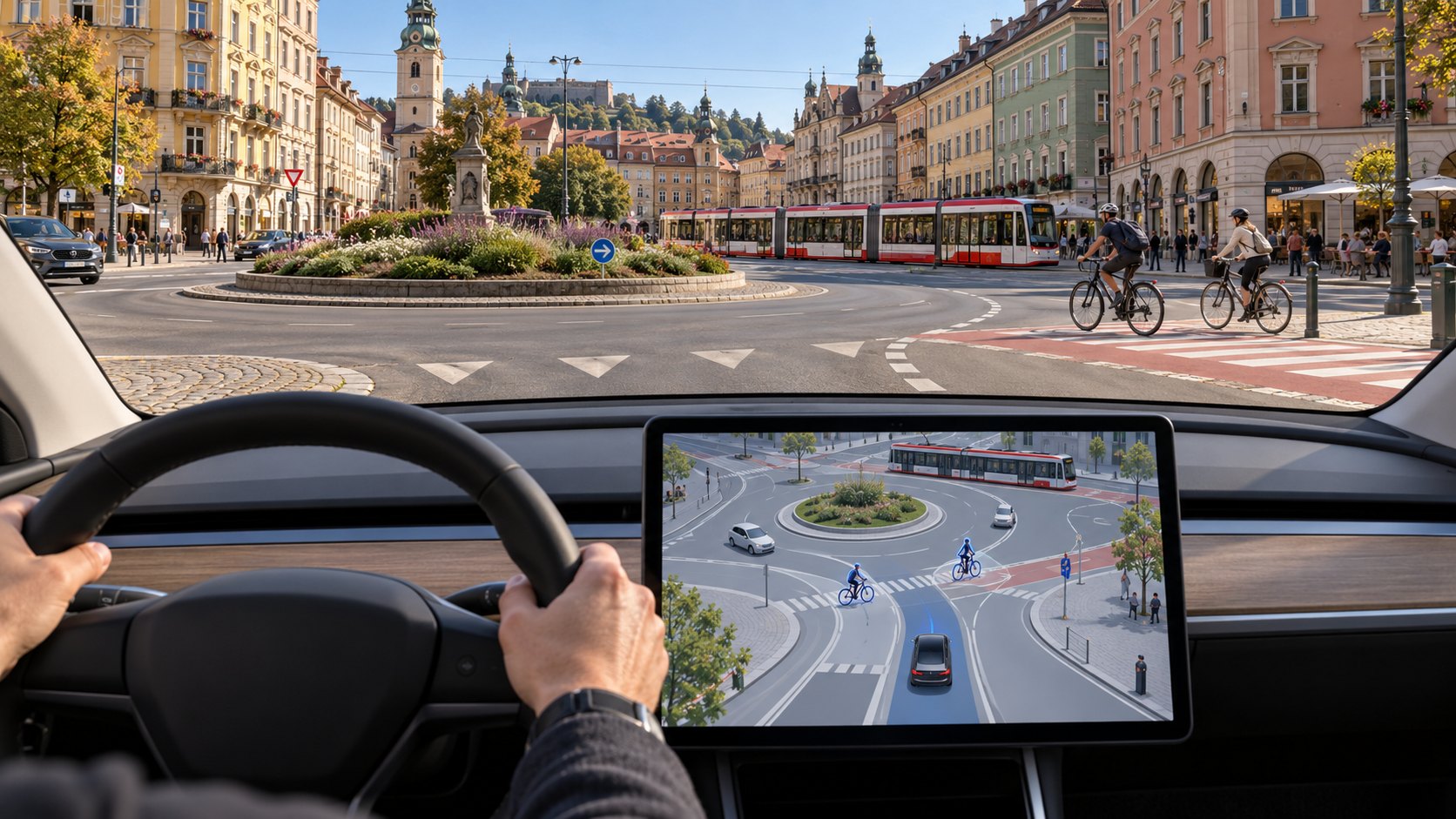
- follows the navigation, including turns at junctions, roundabouts and highway ramps;
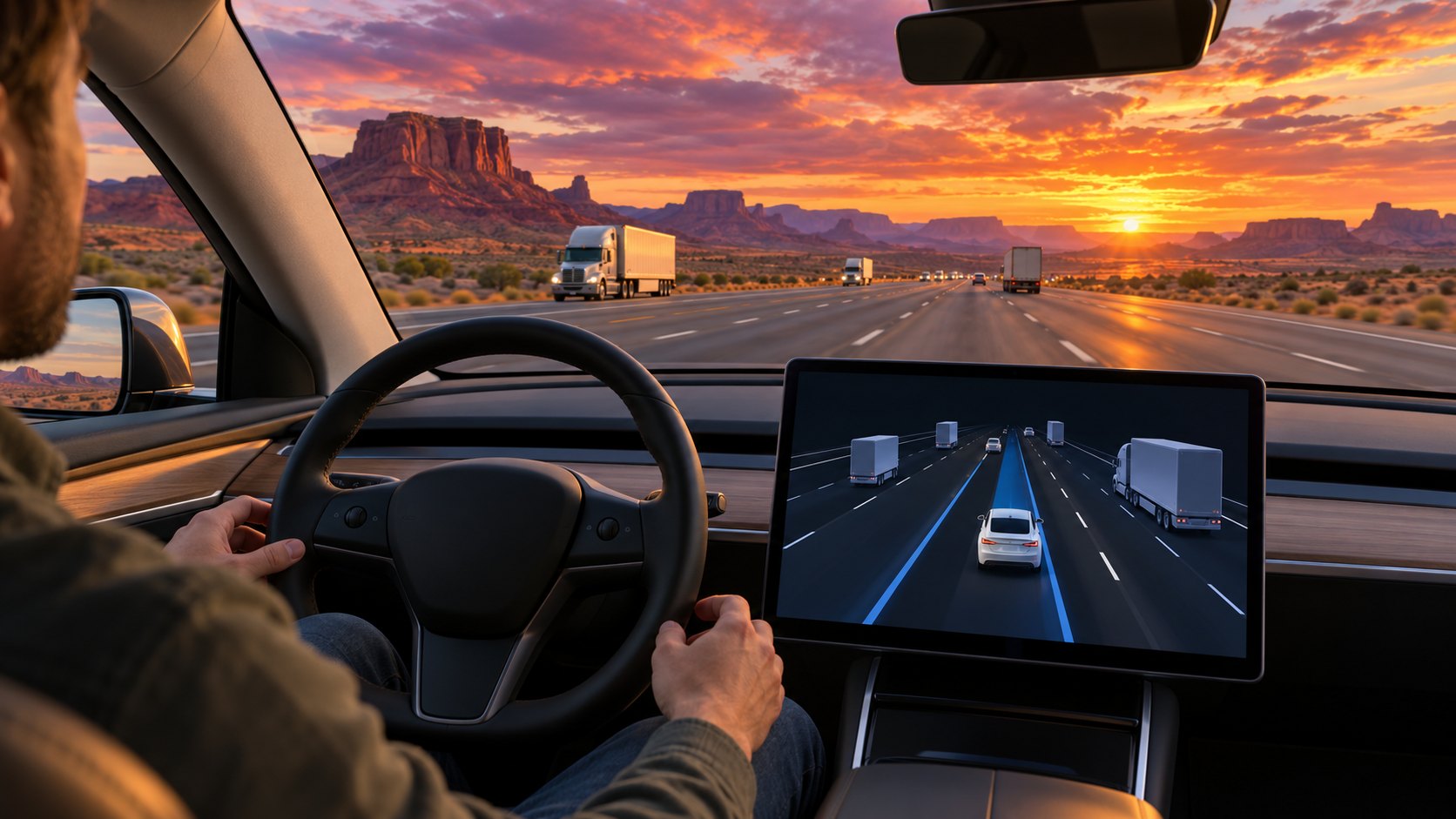
- changes lanes by itself and checks blind spots with cameras that see 360 degrees around the car;
- works on residential and city streets as well as on highways;
- parks the car with Autopark, and on some cars drives to you in a car park with Actually Smart Summon.
You can choose how assertive it is, from the calm Sloth and Chill profiles through Standard to Hurry and Mad Max, which drive faster and change lanes more often. In the US it can be switched on below 85 mph (about 137 km/h). All of that sounds like a self-driving car, but legally and technically it is not one.
So why do you still have to watch the road?
Because FSD is a driver aid, and you stay responsible. Tesla states plainly that the features "do not make the vehicle autonomous" and require a fully attentive driver who can take over at any moment. You are also responsible for the speed, whether the system is on or off.
The car checks that you pay attention. If you look away or ignore its warnings too often, you get a so-called strikeout and FSD switches off for the rest of the trip. Collect three or five strikeouts, depending on the car, and the system is suspended for a week. You can take over at any time by braking or steering. In Europe the system has even been renamed: since October 2026 it is sold there as Tesla Assisted Driving, after Germany's transport ministry called the old name misleading. That responsibility comes with a monthly bill, and the bill depends on where you live.
How much does FSD cost?
In most markets about 99 a month, in dollars, euros or pounds. The prices as of October 2026:
- US: $99 a month. The one-time purchase, last priced at $8,000, ended on February 14, 2026. Elon Musk has said the price will rise as the system improves, without giving a date or amount.
- Canada: $99 a month on Tesla's Canadian site.
- Australia: A$149 a month, or A$75 if the car already has Enhanced Autopilot.
- Netherlands and the other approved EU countries: €99 a month. The €7,500 purchase option ended in May 2026.
- UK: £99 a month, but the full system is not approved there, so subscribers get the Basic package with features such as Autopark and Summon.
You subscribe in the Tesla app under Upgrades or on the car's screen, and you can cancel at any time. There are no refunds and no partial months: you keep the features until the end of the billing period. Some older cars first need a paid hardware upgrade before they can subscribe. A full year at $99 adds up to $1,188, which is why many owners only switch it on for a long trip or a holiday. Paying is only possible if your car has the right computer.
Which Teslas can run FSD?
A Model S, Model 3, Model X or Model Y with FSD computer 3.0 or newer. That covers most Teslas built since 2019. Newer cars have the AI4 computer, often called HW4, and get the newest FSD versions first. Cars with the older Hardware 3 can still subscribe, but they run a lighter version with fewer features, and Tesla has not announced an upgrade plan for them.
The quickest check is the Tesla app: under Upgrades it shows whether your car is eligible and whether an upgrade is needed first. Having the right car is not enough, though, because the law in your country decides whether the system may run at all.
Where can you use FSD today?
In 17 countries, most of them in North America, Europe and the Pacific. Tesla's own support page lists these markets:
- North America: the US, Canada, Mexico and Puerto Rico.
- Pacific: Australia and New Zealand.
- Europe: the Netherlands, Lithuania, Estonia, Denmark, Belgium, Slovenia, Czechia, Croatia, Slovakia and Latvia.
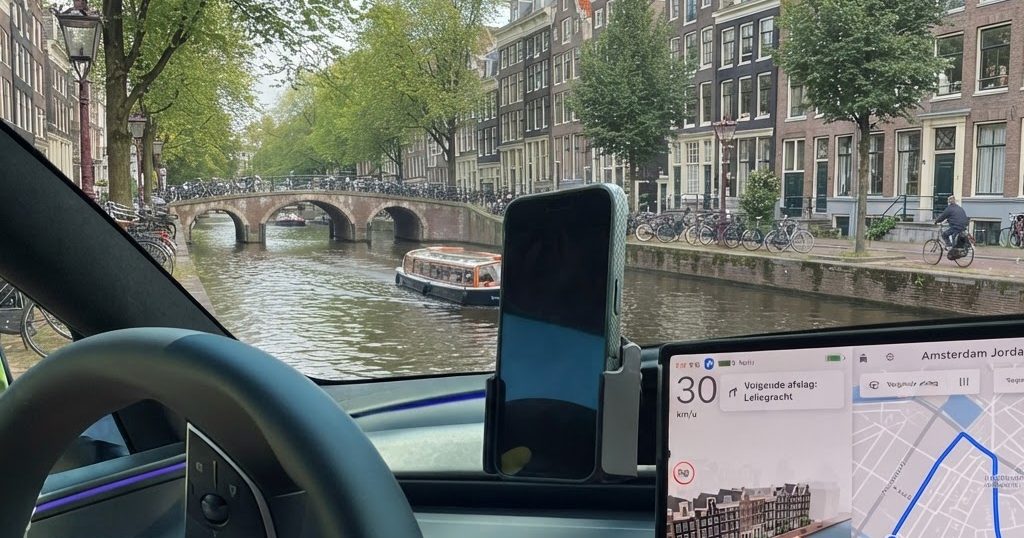
Tesla also lists South Korea as a live market. In China owners have a more limited version while Tesla waits for approval of the full system. The Netherlands was the first European country, on April 10, 2026: the Dutch vehicle authority RDW tested and approved the system, and the other nine EU countries recognized that Dutch decision one by one. Latvia joined on October 26. The biggest European markets are still missing, and so is the UK.
So when will FSD come to Germany, the UK and the rest of Europe?
For most of the EU, not before a vote that can take place in December 2026 at the earliest. An EU-wide approval needs at least 15 of the 27 member states, together representing at least 65% of the EU population. Germany and Italy have said they support a quick approval, while France and Spain have not taken that step. If the vote passes, Tesla could switch the system on in every EU country.
The UK is on its own track. An EU decision does not apply automatically in Great Britain, so Tesla needs a separate British approval, and there is no confirmed date. Until then, British owners who subscribe get the Basic features only. The two things to watch for next are the December vote in Brussels and the price rise Musk has promised.
Sources (4)
Images are illustrations; some are made with AI.