 4:05
Latvia becomes the 10th EU country to approve Tesla FSD (Supervised), but the December vote hinges on the big four
Latvia has recognized the Dutch approval for Tesla Assisted Driving, yet the ten approving countries hold only about 14% of EU residents. Here is why an EU-wide yes in December needs Germany, France, Italy or Spain.
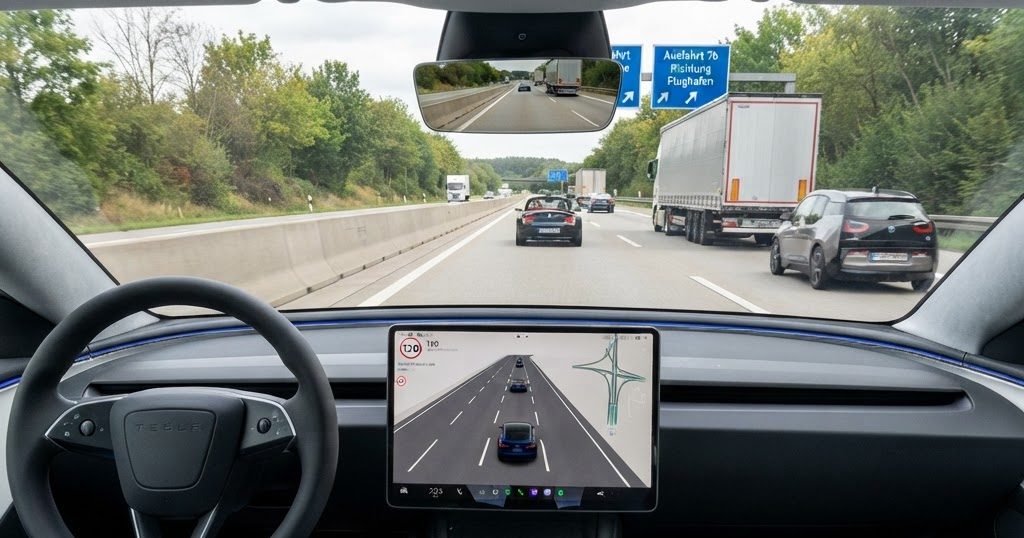
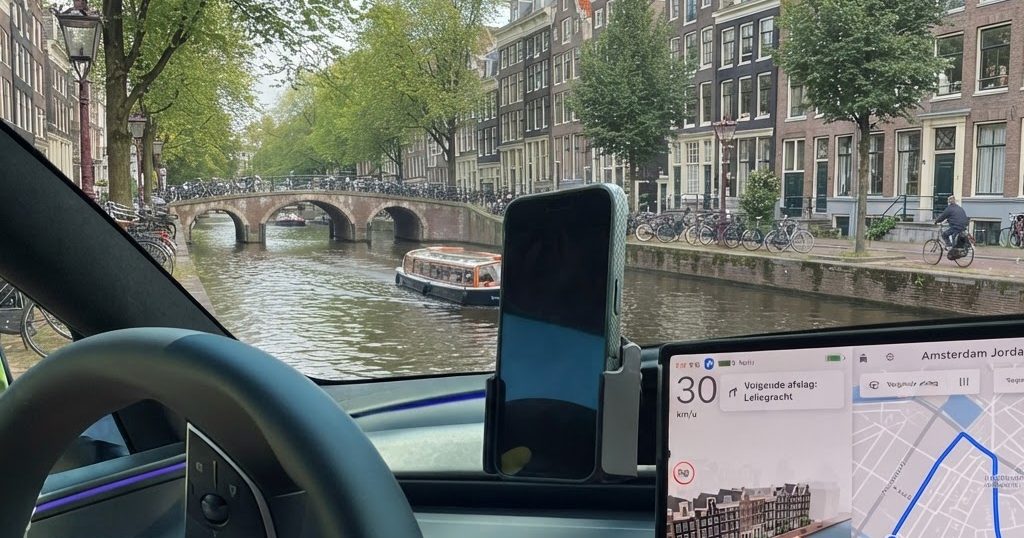
Latvia became the tenth EU country to allow Tesla's driver-assistance system on its roads on Monday, October 26. Its Road Traffic Safety Directorate (CSDD) recognized the provisional EU type approval that the Dutch vehicle authority RDW granted in April, and Tesla announced the news on X. In Europe the system is now sold as Tesla Assisted Driving, the local name for FSD (Supervised), for €99 a month. Ten countries sounds like a lot, more than a third of the 27 member states. But together they hold only about 14% of the EU's population.
Which countries already allow it?
Ten smaller and mid-sized EU states. The Netherlands came first on April 10, as the only country that tested and approved the system itself. The others recognized that Dutch decision one by one:
- Netherlands (April 10, the original RDW approval)
- Lithuania and Estonia (May)
- Denmark, Belgium, Slovenia, Czechia and Croatia
- Slovakia (October 16)
- Latvia (October 26)
With Latvia, all three Baltic states are now on board. The over-the-air rollout to Latvian owners is expected to start soon. The catch is that this country-by-country route has a ceiling.
Who is still missing?
The four biggest EU countries. Germany, France, Italy and Spain have not recognized the Dutch approval. Together they are home to roughly 58% of all EU residents. Large markets such as Poland, Sweden and Austria are not on the list yet either. Without the big four, Tesla's supervised system stays out of most of Europe's roads and most of its potential buyers.
How would an EU-wide approval work?
Through a vote of the member states. The Technical Committee on Motor Vehicles (TCMV), where national experts meet with the European Commission, discussed the system on October 6 but did not decide. According to Reuters reporting cited by Benzinga, Tesla is now lobbying ahead of a December meeting, the earliest realistic moment for a vote. Approval needs a qualified majority: at least 15 of the 27 countries, and those countries must represent at least 65% of the EU population. That second rule is the hard part.
Why can't the smaller countries outvote the big four?
Because the population math does not add up. If all 23 countries outside the big four voted yes, they would still represent only about 42% of EU residents, well short of 65%. Even with Germany added, the total stays near 61%. In other words, Tesla needs at least two of the four largest countries to say yes, on top of nearly everyone else. That makes their position decisive.
Is Germany coming around?
There are signs, but no decision yet. German transport authorities had objected to the name "Full Self-Driving" for a system that still needs constant supervision. Tesla responded by renaming it Tesla Assisted Driving on its European websites in early October. The European version also has tighter rules than in the US:
- the car may drive at most 10% above the posted speed limit
- a cabin camera checks that the driver keeps watching the road
- manually chosen speed offsets reset at the end of each trip
- the driver stays legally responsible for everything the car does
Tech Times reports that Germany's transport ministry has signaled support for an EU-wide approval after these changes. France, Italy and Spain have not said where they stand.
What happens next?
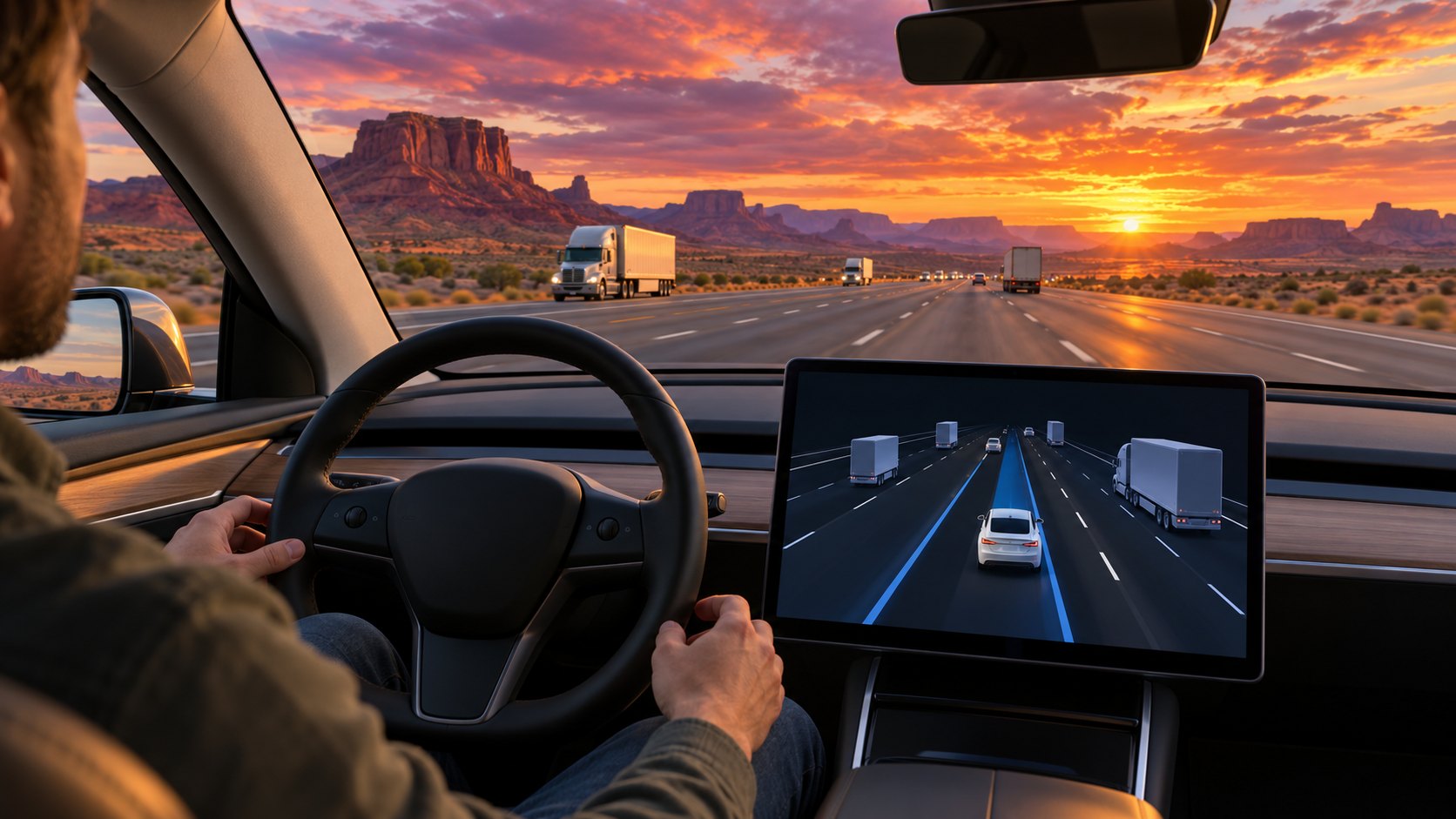
Two things: Latvian rollout and the December vote. In the short term, Latvian owners should see the feature appear as an upgrade in the Tesla app once the software arrives. More smaller countries may also follow, but each one adds little to the population count. The real milestone is December: if the TCMV backs the Dutch approval, the system could become available across the whole EU. If not, Tesla is back to collecting countries one at a time, and Europe's biggest car markets stay closed. Keep in mind it remains a Level 2 system: it steers, brakes and accelerates, but the driver must be ready to take over at any moment.
Sources (3)
Images are illustrations; some are made with AI.