 3 min
Tesla's Flex Connect: how Superchargers can open two years sooner without waiting for the grid
Tesla says a flexible grid connection with California utility PG&E lets new Supercharger sites open more than two years earlier. Here is how it works, and what it means for drivers.
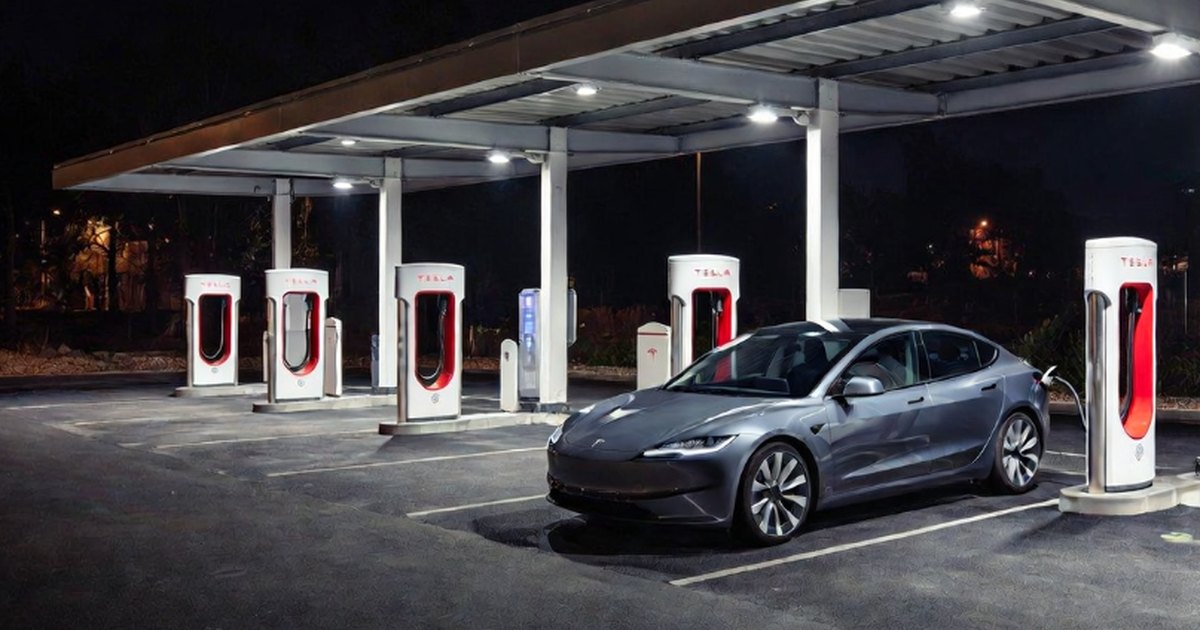
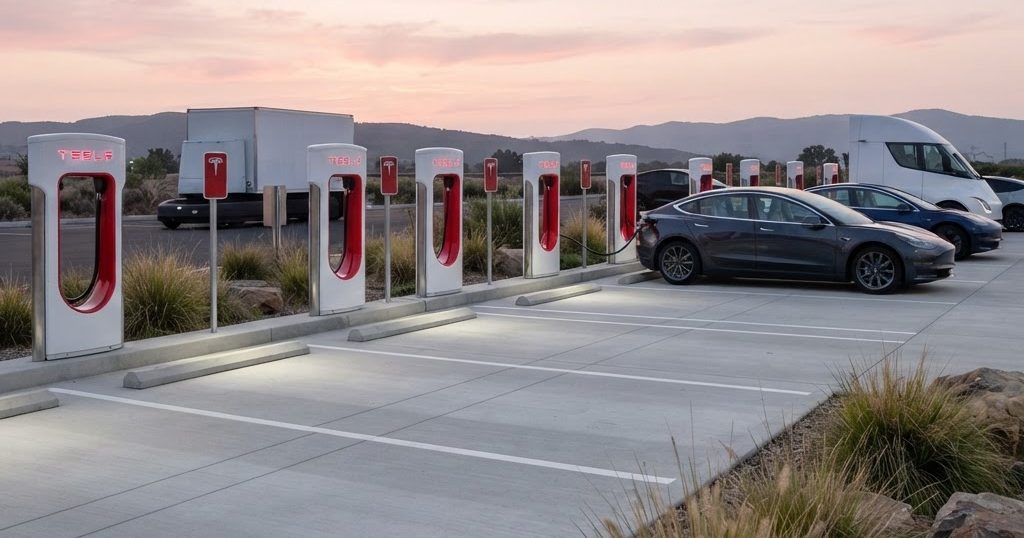
The slowest part of building a Supercharger is often not the chargers. It is waiting for the local utility to deliver enough power. On Monday evening, Tesla's charging team published an article on X titled 'Opening Superchargers Years Sooner', explaining how it plans to get around that problem in California.
The approach is called Flex Connect, after a program run by Pacific Gas and Electric (PG&E), the utility that serves Northern and Central California. Tesla expects that a typical project can open more than two years sooner this way.
How Flex Connect works
A normal grid connection is sized for the moment a site uses the most power. If the local network cannot supply that peak, the utility has to upgrade lines or substations first. That can take years.
Flex Connect flips the logic. Tesla points out that the grid is built for its busiest hours, so most of the time there is spare capacity. A new Supercharger can therefore open on the capacity that already exists. When there is room, the site runs at full power. When the local grid is under strain, the utility can temporarily lower the maximum power the site may draw. Once the upgrades are finished, the limit goes away.
Tesla says its sites typically run well below their maximum anyway, so drivers should notice little difference, especially at new locations where demand is still low.
The technical part: V4 cabinets talk to the utility
- From this month, Tesla's V4 Supercharger cabinets can communicate directly with PG&E's systems using IEEE 2030.5, an open communication standard for utilities.
- PG&E can then set a power limit for each site based on its forecast of grid demand for the next day.
- Several pilot sites are due to open in October, followed by a wider rollout across Northern California.
- Tesla says the program has already sped up several projects, with dozens more in the pipeline.
Not entirely new
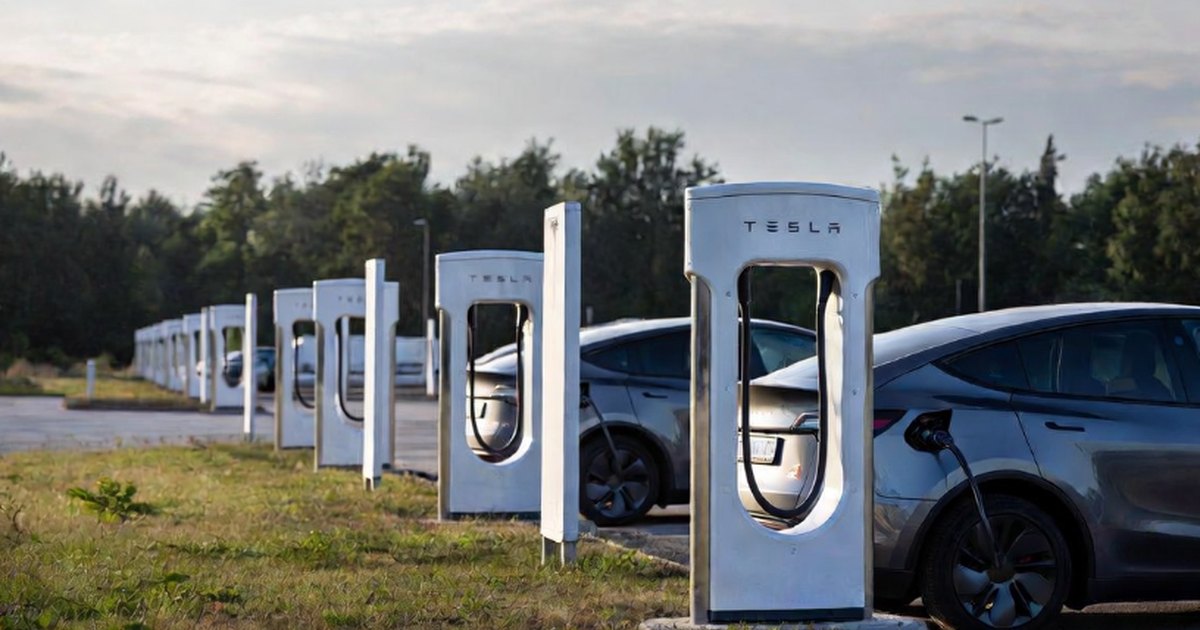
Tesla has tested the idea before. A 48-stall Supercharger in Santa Nella, California, opened in 2024 as one of the first two pilot projects in PG&E's Flex Connect program. Canary Media reported at the time that under the old limits the utility could only have served 20% of that site's load in summer. Commissioning the first pilots was not smooth either, with several failed attempts before they went live.
What is new is scale and automation: direct communication between the charger cabinets and the utility, and a plan to use the method across many more sites.
Why it matters
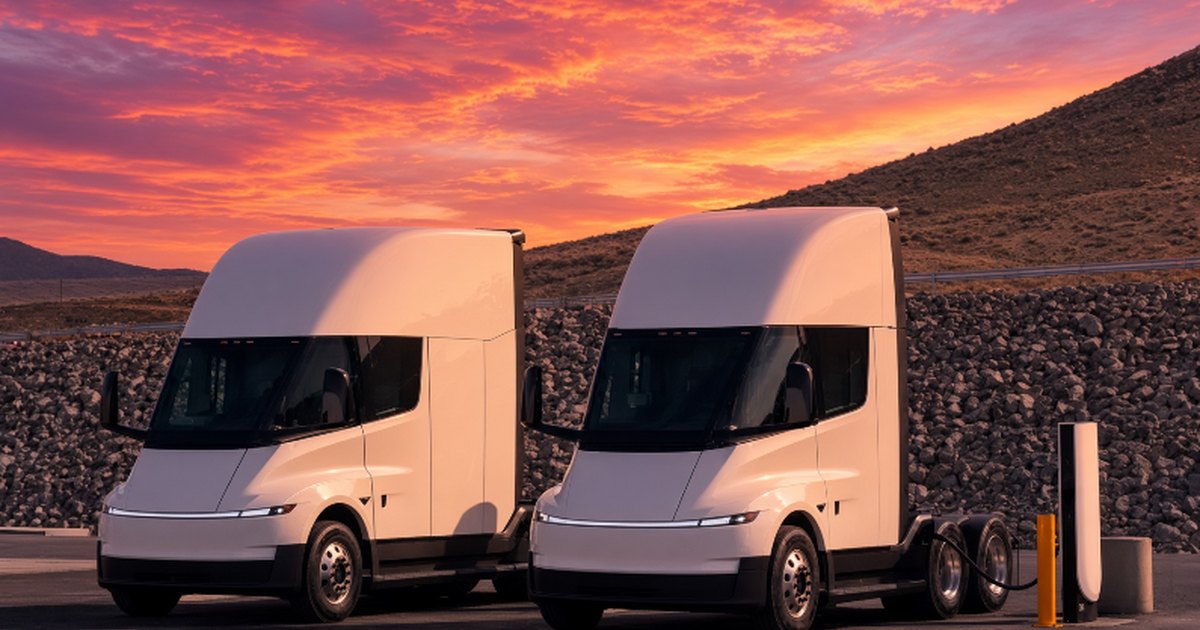
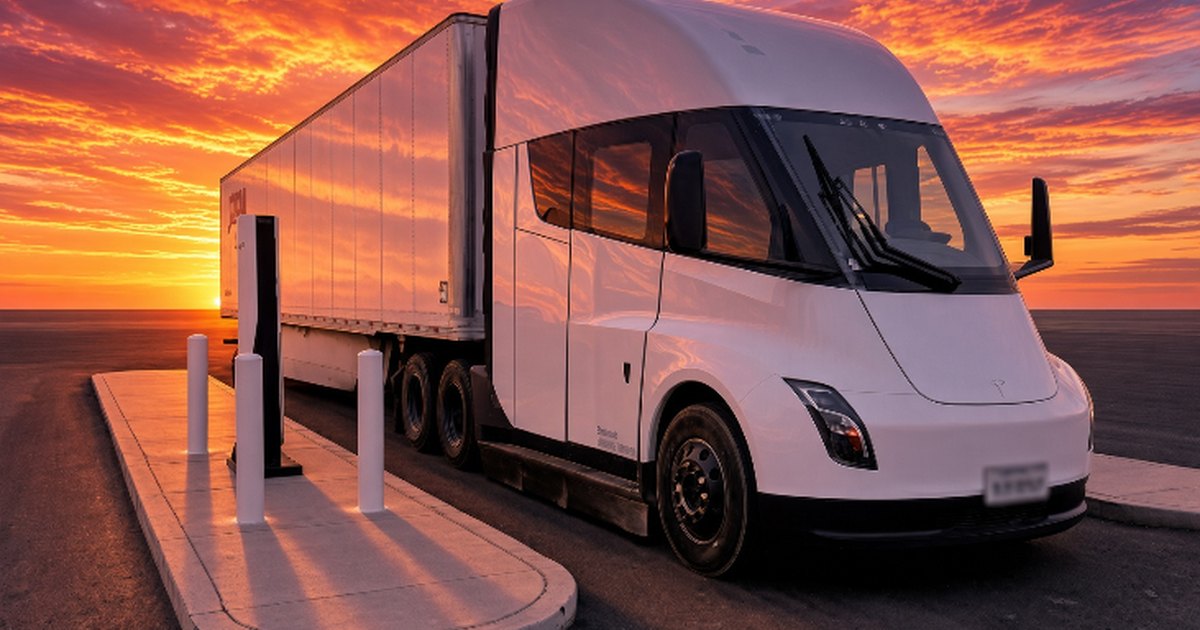
Grid connections have become one of the biggest brakes on charging growth. Tesla says Megacharger projects for the Semi in Southern California can wait three years or more in the utility queue. Trucks need far more power than cars, so these sites hit grid limits first.
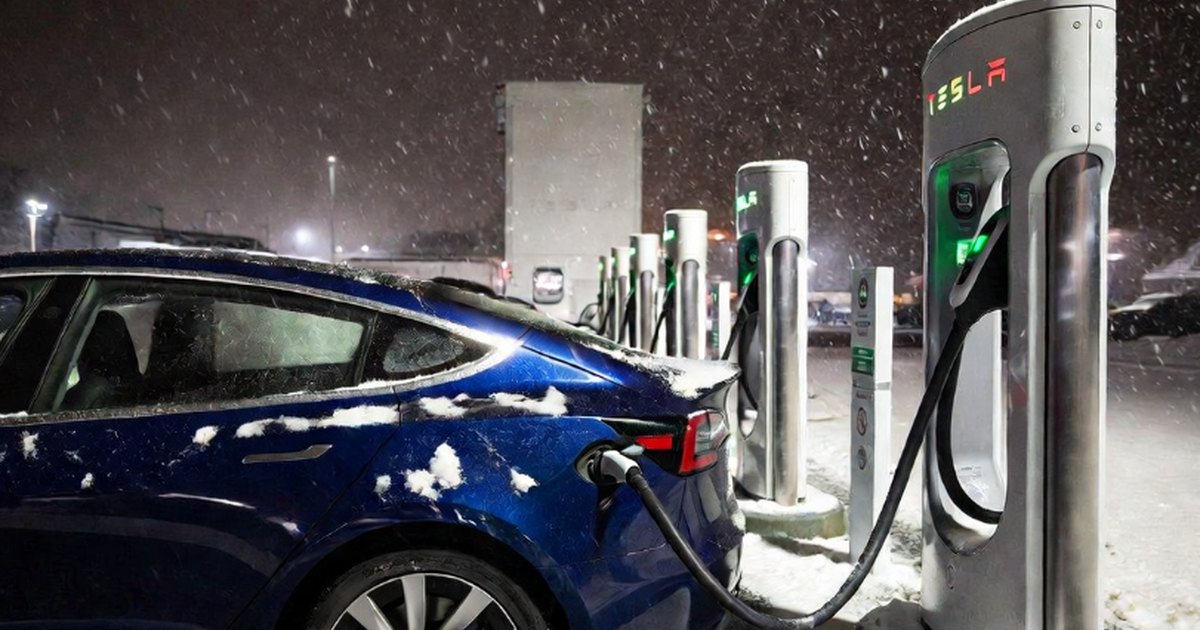
For drivers, the benefit is simple: new Superchargers in places where the grid is tight could open years earlier, possibly with slightly lower peak speeds at busy grid moments. For Tesla, it means faster returns on sites that would otherwise sit finished but unused.
Tesla also used the post to lobby utilities. It asked them to publish how much capacity is available and when upgrades will be done, and called flexible connections 'a bridge, not a permanent solution'. For utilities without advanced grid monitoring, Tesla suggests starting with fixed seasonal limits, and it recommends IEEE 2030.5 worldwide.
What to watch next
- Which Northern California sites open first as pilots, and how often they are actually throttled.
- Whether other utilities, including Southern California Edison, adopt similar rules for Superchargers and Megachargers.
- Whether the idea travels abroad. In Canada, for example, some finished Supercharger sites wait for scarce transformers, a problem that flexible limits cannot solve.