 4 min
Starlink Mobile passes 22 million users: how VEON and Rogers customers use SpaceX's phone satellites
SpaceX's direct-to-phone service grew 37% in a quarter, mostly through partner carriers. What VEON's 11 million users and Rogers' expansion show, and what it could mean for connected Teslas.
Starlink's phone service is growing faster than most people realise, and almost all of that growth is happening through other companies' networks. SpaceX said this week that Starlink Mobile passed 22 million monthly users at the end of September. Two of its partners, VEON and Rogers, have now given a closer look at how their customers actually use it.
The headline number
On SpaceX's third-quarter earnings call on October 20, president and COO Gwynne Shotwell said Starlink Mobile had more than 22 million monthly users at the end of the quarter, up 37% from three months earlier. Starlink Mobile is the new name for the direct-to-cell service: satellites that connect to ordinary smartphones when there is no mobile signal.
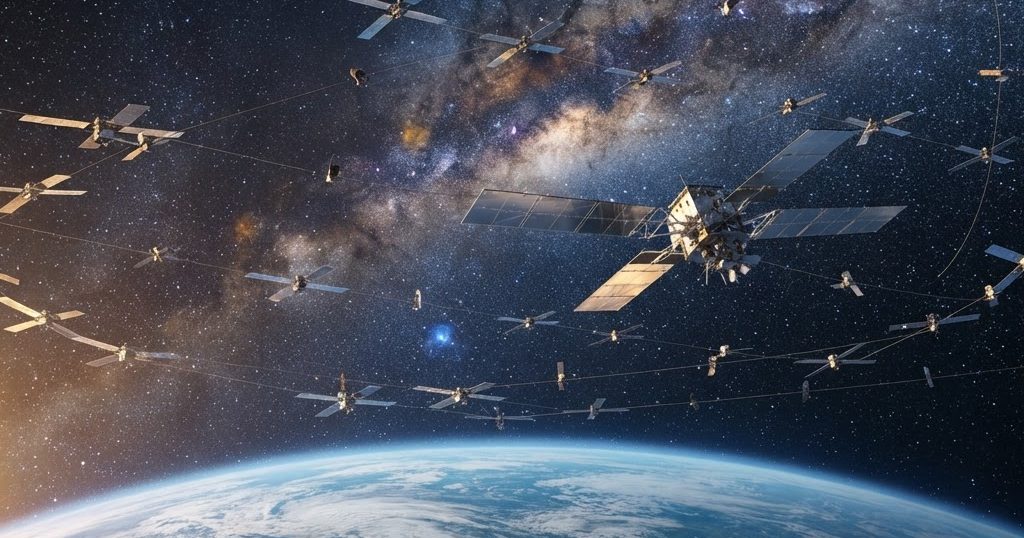
Today that service mostly runs through partnerships. A phone stays on its normal carrier, and when it loses coverage it can hop onto a Starlink satellite for texts, location sharing and a small number of apps.
VEON: 11 million people in under a year
On October 19, telecom group VEON said more than 11 million of its customers had connected to Starlink at least once, counting unique users rather than everyone who is eligible. That happened in less than a year across three countries:
- Ukraine: Kyivstar launched Europe's first Starlink direct-to-cell service on November 24, 2025, free for about 15.5 million customers with 4G smartphones.
- Kazakhstan: Beeline Kazakhstan followed on September 29, 2026, free during an initial period.
- Bangladesh: Banglalink started on October 9, 2026, for about 20 million customers. VEON says it helps during cyclones, floods and long power cuts.
VEON thinks the service could eventually reach more than 40 million people in its markets. Users need a clear view of the sky, and the service covers messaging, location sharing and compatible apps rather than full mobile internet.
Rogers: deeper ties in Canada
In Canada, Rogers chief executive Tony Staffieri said on the company's third-quarter call that Rogers is "proactively deepening" its work with Starlink. Rogers Satellite currently offers:
- Text messaging, texting 911, emergency location sharing and public alerts.
- On some phones, satellite-compatible apps such as WhatsApp calls and Google Maps.
- Coverage in eligible outdoor areas of Canada south of the 58th parallel.
- Inclusion in new 5G+ plans; other customers pay 10 Canadian dollars a month in the first year and 15 after that.
Rogers also gave the service away for free to wireless customers in British Columbia during a wildfire state of emergency. Staffieri pointed out that Canada differs from the US because of spectrum, population spread and foreign ownership rules, and SpaceX has told Canadian regulators it intends to work with existing carriers there.
What comes next
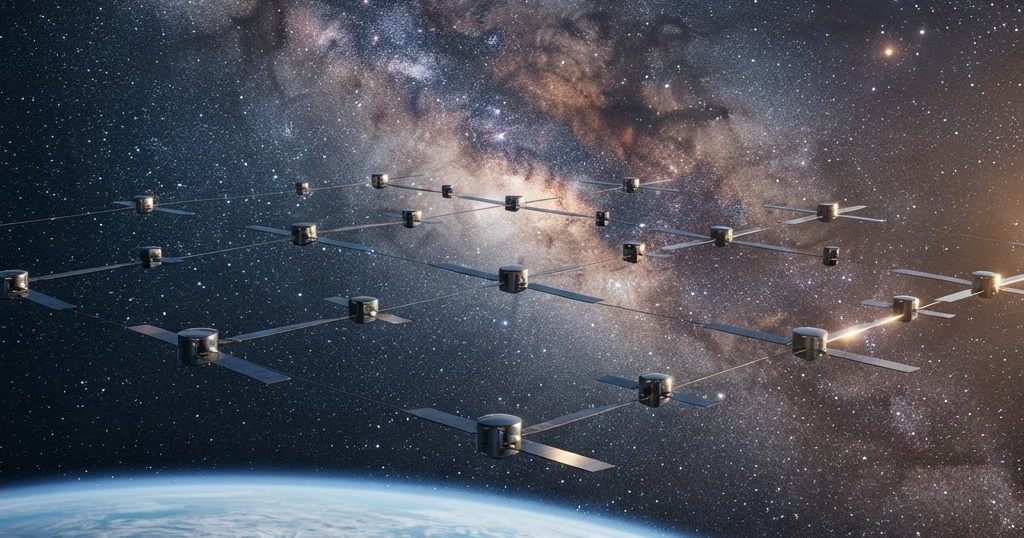
The current service is limited by the satellites. In early October the FCC approved up to 15,000 next-generation Starlink Mobile satellites, which SpaceX says offer more than 100 times the bandwidth of the current generation. They are due to start launching on Starship in 2027. In the US, SpaceX also wants to become a carrier in its own right, with service targeted for early 2028, after agreeing to buy large amounts of spectrum.
Why it matters for Tesla
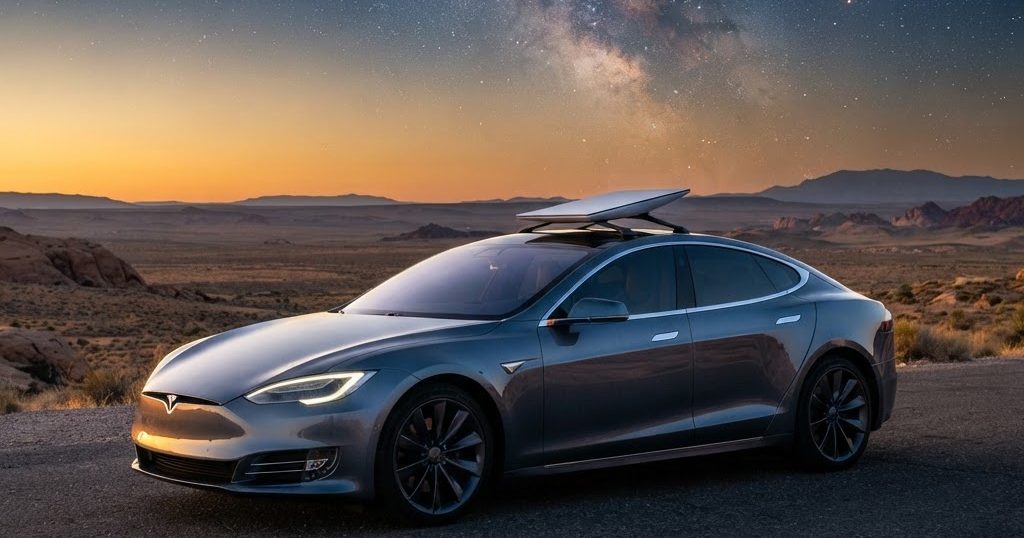
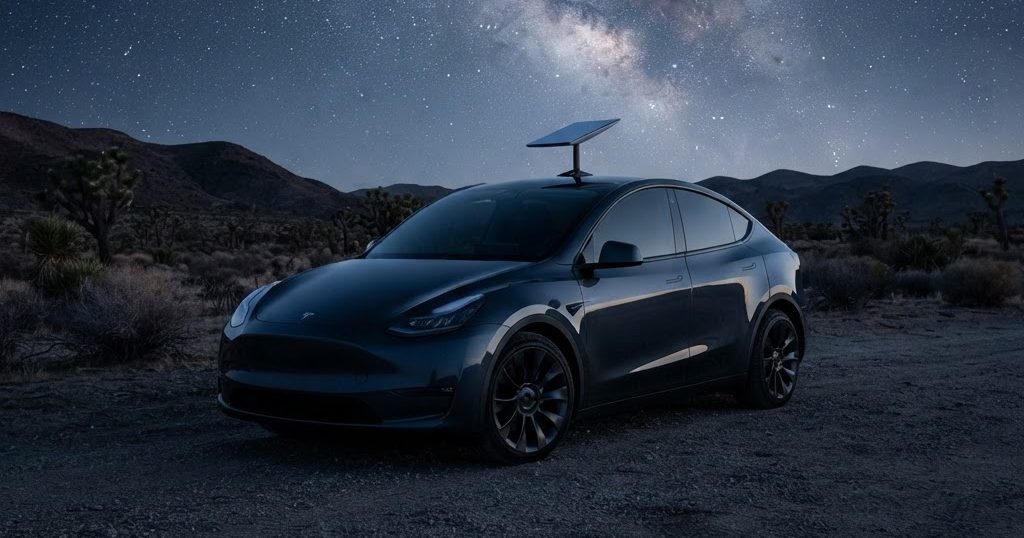
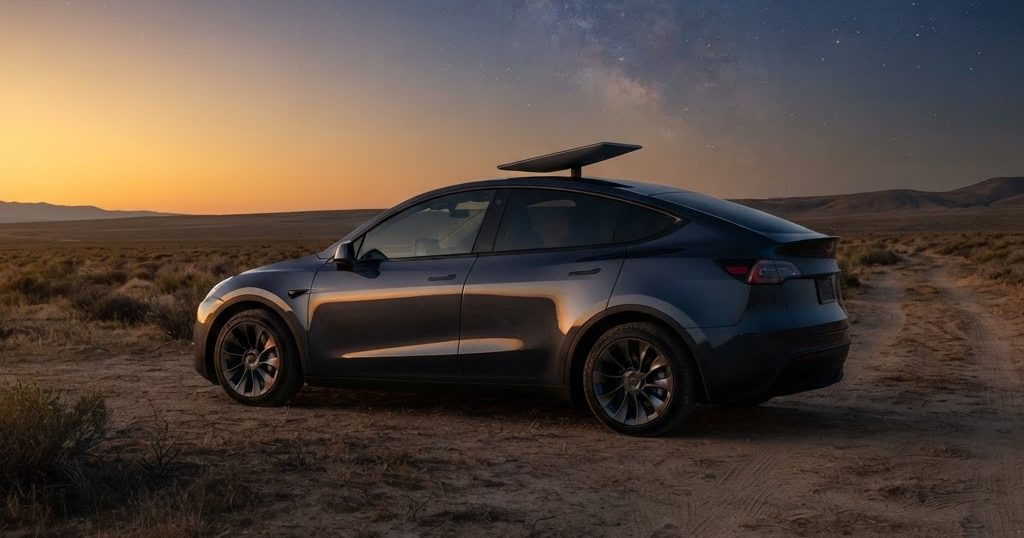
Tesla cars rely on mobile networks for navigation data, live traffic, software downloads and remote app control, and those networks have gaps in rural areas. Musk said in 2022 that Teslas would eventually use Starlink's direct-to-cell technology. The partner model seen at VEON and Rogers shows one way that could work: the car keeps a normal carrier and falls back on satellites only where there is no signal.
There are limits. Current capacity suits texts and small amounts of data, not video, and nothing confirms that existing Tesla modems could use the service. Tesla has made no announcement. But a network with tens of millions of monthly users is no longer an experiment, and the planned bandwidth jump would make car use far more realistic.
What to watch
- Next quarter's user number, and whether growth of 37% a quarter holds.
- More European carriers signing up, after Kyivstar in Ukraine.
- The first next-generation satellites on Starship in 2027.
- Any Tesla statement on satellite fallback for its cars or robotaxis.
Sources (4)
- Drive Tesla — Starlink Mobile tops 22 million monthly users as SpaceX eyes becoming a major U.S. carrier
- VEON via Finviz — In less than one year, Starlink Mobile connects 11 million people across VEON's three high-growth markets
- Drive Tesla — Rogers deepens Starlink partnership to expand satellite-to-mobile coverage to more of Canada
- Not a Tesla App — Will Starlink Mobile replace your cellular connection in your Tesla?