 4 min
How much does Starlink cost now? US, UK and German prices after the 2026 increase
Starlink raised most monthly plans by $5 to $10 in 2026 while hardware got cheaper. Current prices for home and Roam plans, the extra fees, and what it means for Tesla owners using a Starlink Mini.
Starlink raised its prices in most of its big markets in 2026, for the first major time since 2023. If you are thinking about a dish at home, or a Starlink Mini for road trips in your Tesla, here is what the plans cost now in the US, the UK and Germany, and which extra fees to watch for.
What changed in 2026
In May, SpaceX told customers that most residential and Roam plans would go up by 5 to 10 dollars a month. New customers paid the new prices straight away; existing customers moved over from their June 2026 billing date. In its email, SpaceX said pricing had stayed the same for most residential customers for several years and that the change supports investment as global operating costs rise. The UK and Australia had already switched to new prices around the same time.
US prices now
According to price trackers that checked Starlink's order pages in October 2026, these are the US monthly prices:
- Residential 100 Mbps: $55 (was $50).
- Residential 200 Mbps: $85 (was $80). This plan used to be called Residential Lite.
- Residential Max: $130 (was $120).
- Standby Mode: $10 (was $5). This keeps a dish active for basic connectivity at a low price.
- Roam 100GB: $55 (was $50).
- Roam 300GB: $80, unchanged.
- Roam Unlimited: $175 (was $165).
Hardware has moved the other way. The standard kit costs $349 to buy, against $599 in 2022, and in some regions it can be rented for free. The Starlink Mini was reported at $149 in early October 2026, down from $199. In the US, a Mini has to be paired with a Roam or Standby plan rather than a residential plan.
Fees to watch
- Demand fee: in congested areas Starlink can charge a one-time fee, reported at roughly $100 to more than $1,000 depending on location, plan and kit.
- Kit rental fee: a $10 monthly fee for new renters was reported in June 2026, and then reported as removed for new residential orders by late July.
- Promotions: customers who signed up during a promotion keep that price until the promotion ends.
UK and Germany
In the UK, most plans rose by £5 a month in May 2026. Residential 100 Mbps went from £35 to £40, and Standby from £4.50 to £9.
In Germany, new prices took effect on May 21, 2026:
- Residential 100 Mbps: €35 (was €29).
- Residential 200 Mbps: €55 (was €49).
- Residential Max: €75 (was €69).
We could not verify current prices for the Netherlands or Belgium. Starlink prices differ per country and sometimes per address, so check the order page for your own location before you buy.
What this means for Tesla owners
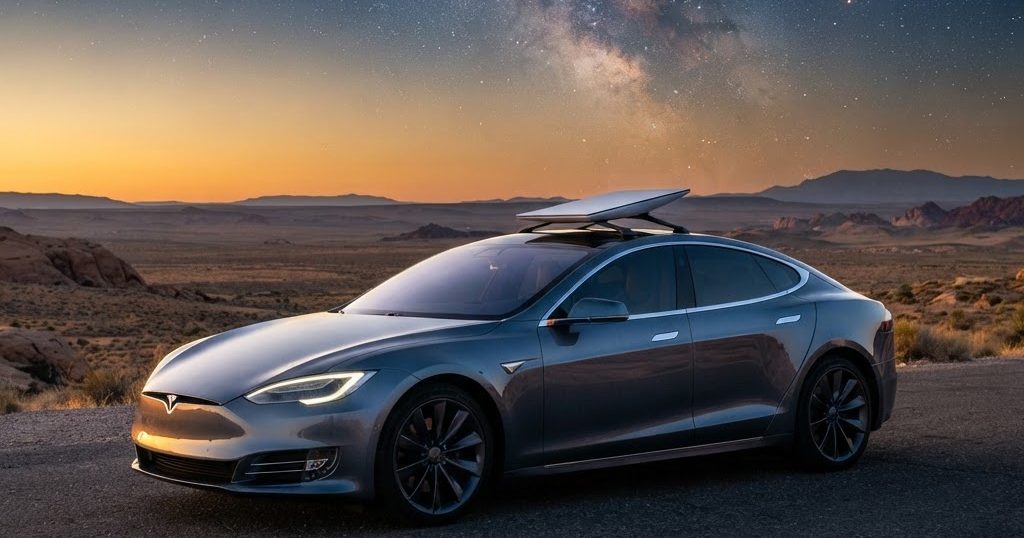
Tesla does not sell Starlink, and the Teslas that owners can buy today have no built-in Starlink. But many owners who camp or travel through remote areas pair their car with a Starlink Mini, which uses little power compared with a car's climate system. For them, the relevant numbers are the Mini's lower hardware price and the Roam plans: $55 a month for 100 GB is now the cheapest US option for use on the move, while Standby at $10 can keep a dish ready between trips.
The price rises are also a sign of where SpaceX is heading. The company says it needs heavy investment to reach gigabit speeds with next-generation satellites launched on Starship. Starlink is a core part of SpaceX's business, and SpaceX in turn is the sister company most closely tied to Tesla's own plans for connected cars and robotaxis.
Is it still worth it?
For homes with good fibre or cable, Starlink is rarely the cheapest choice. Where fixed broadband is poor, the cheaper residential plans remain competitive, and for travellers the cheaper Mini makes trying it easier. Because Starlink adjusts prices regularly and by region, the most reliable rule is simple: check the price on the day you order, and read the plan details on data limits and network priority.