 4 min
SpaceX eyes 80,000 US cell towers for Starlink Mobile as AT&T, Verizon and T-Mobile push back at the FCC
SpaceX is reportedly negotiating access to tens of thousands of cell sites, while the big carriers try to limit new satellite-to-phone rules. What it means for the networks Tesla cars depend on.
SpaceX wants Starlink to become a full mobile network in the United States, and this week brought two signs of how hard that fight will be. Bloomberg reported that SpaceX is negotiating access to as many as 80,000 cell sites on the ground. At the same time, AT&T, T-Mobile and Verizon asked the US regulator to scale back a proposal that would give satellite operators far more room to connect directly to ordinary phones.
What happened
According to the Bloomberg report, published on October 23, 2026 and summarised by Drive Tesla, SpaceX is in talks with the large US tower companies. Crown Castle is reportedly negotiating, and American Tower and Vertical Bridge could also be involved. Any deals could be worth billions of dollars. SpaceX did not comment.
Crown Castle's chief executive Chris Hillabrant did not name SpaceX on his company's third-quarter call, but he did not rule it out either. He said Crown Castle assumes it is talking to all parties, and he described SpaceX's recent purchase of low-band spectrum as a "huge milestone".
A day earlier, on October 22, the wireless industry group CTIA, joined by the three big carriers, filed objections to an FCC draft from October 8. That draft would expand what the FCC calls Supplemental Coverage from Space, the rules that let satellites talk to normal phones using carrier frequencies.
Key facts and numbers
- Towers: access to as many as 80,000 US cell sites is under discussion, according to Bloomberg's sources.
- FCC draft: it would add 482 MHz of spectrum and raise the number of eligible bands from five to 13.
- Carrier objections: CTIA wants time-division bands such as 2.5 GHz and 3.45 GHz removed, calling them unsuitable for satellite service. It also wants carriers to keep consent, control and termination rights when their spectrum is shared.
- Next step: the FCC is due to consider the draft at its open meeting on October 29.
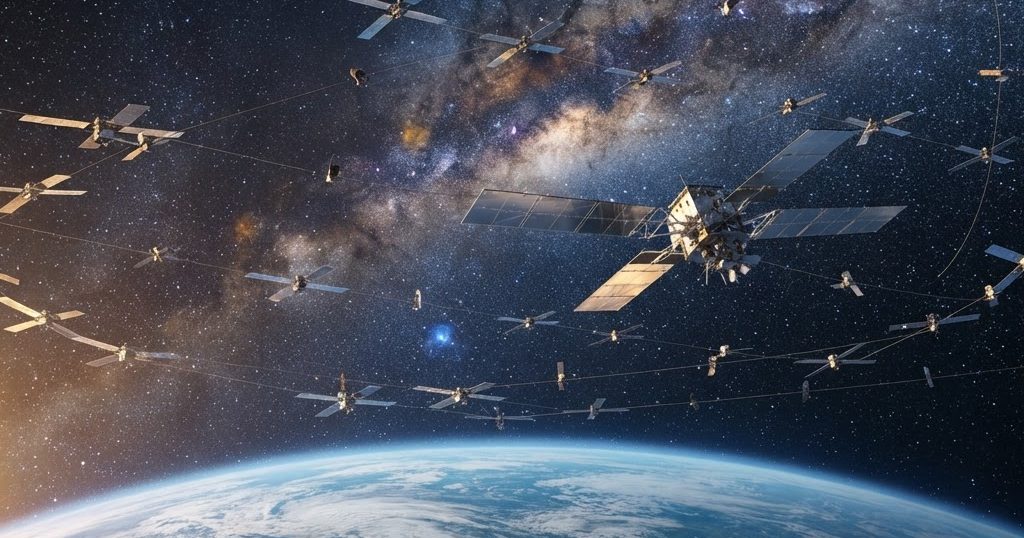
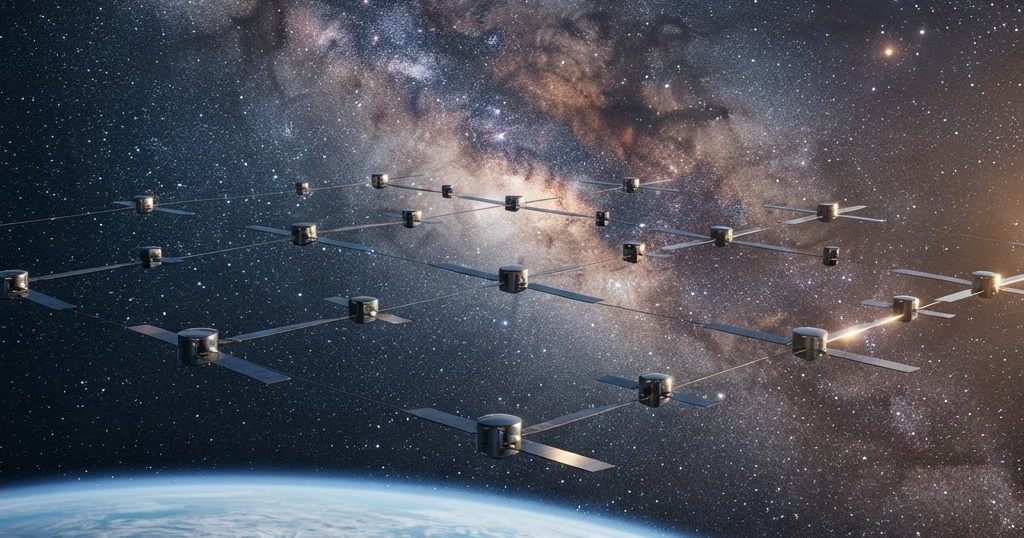
- Satellites: SpaceX already has FCC approval for 15,000 next-generation satellites that connect directly to phones.
The carriers' filing was not a blanket rejection. CTIA acknowledged that satellite links could extend coverage to remote communities and disaster areas. Its objections focus on interference, control and the use of frequencies that already carry 5G traffic for millions of customers.
Context: a change of plan?
The tower talks are notable because SpaceX described a different approach in August. On its first earnings call as a listed company, president Gwynne Shotwell talked about small cells housed in the hardware that already holds customers' Starlink dishes, rolled out step by step instead of spending many billions up front. Trade site Wireless Estimator concluded at the time that SpaceX was building "around towers, not on them".
Renting space on existing towers would not necessarily replace that idea. It could simply be a faster way to get coverage in cities, where towers are much closer to users than satellites will ever be. Neither SpaceX nor the tower companies have confirmed any agreement.
Why it matters for Tesla
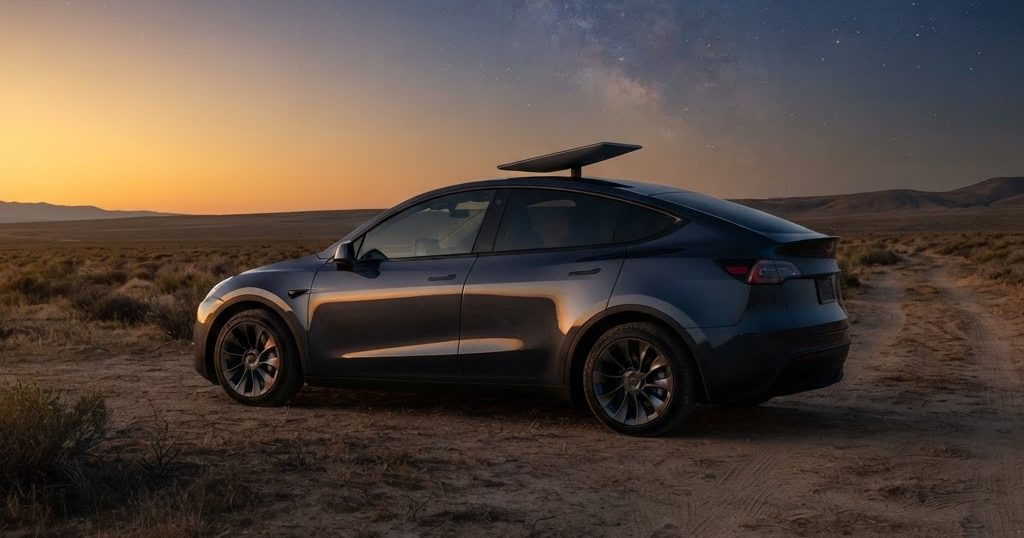
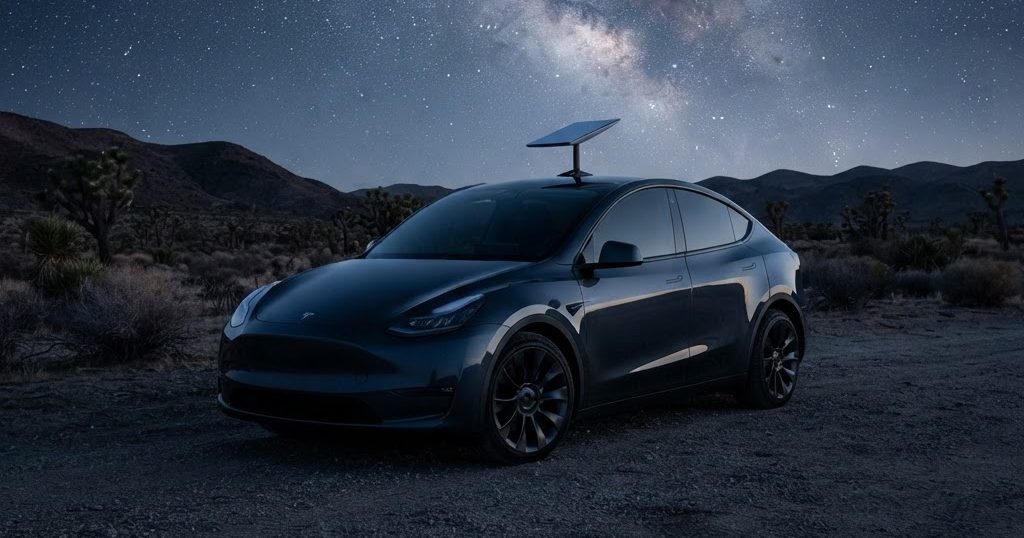
Tesla cars connect over regular mobile networks run by partner carriers; in the US, Premium Connectivity has used AT&T. Musk said back in 2022 that Tesla vehicles would eventually use Starlink's direct-to-cell technology, but Tesla has never announced a switch or a timeline.
A Starlink network that combines satellites with ground sites would be much more useful for cars than satellites alone. Today's direct-to-cell service handles texts and light data, enough for basic messages or telemetry but not for streaming. A hybrid network could in theory cover both dead zones on rural highways and busy city streets, which matters for connected cars and even more for robotaxis that depend on a constant data link. It would also mean that the company supplying Tesla's connectivity could one day be a sister company of Tesla rather than a traditional carrier, which adds a new item to the list of deals between Musk's businesses.
What to watch next
- The outcome of the FCC's October 29 meeting, and whether the carriers win changes to the draft.
- Any confirmed tower agreement with Crown Castle, American Tower or Vertical Bridge.
- The launch of SpaceX's next-generation phone satellites on Starship, planned from 2027, with US service targeted for early 2028.
- Any sign from Tesla that it plans to use Starlink Mobile in its cars.
Sources (4)
- Drive Tesla — SpaceX in talks to access 80,000 US cell towers for Starlink Mobile: report
- Drive Tesla — AT&T, T-Mobile and Verizon push back on FCC satellite-to-phone rule changes
- Wireless Estimator — SpaceX wants to be a fourth major network, but it's building around towers, not on them
- Not a Tesla App — Will Starlink Mobile replace your cellular connection in your Tesla?