 3 min
Starlink passes 10,000 satellites in orbit at the same time: what the milestone means, and the Tesla link
A Falcon 9 launch from California on March 16 pushed SpaceX's Starlink constellation past 10,000 working satellites in orbit at once, less than seven years after the first batch.
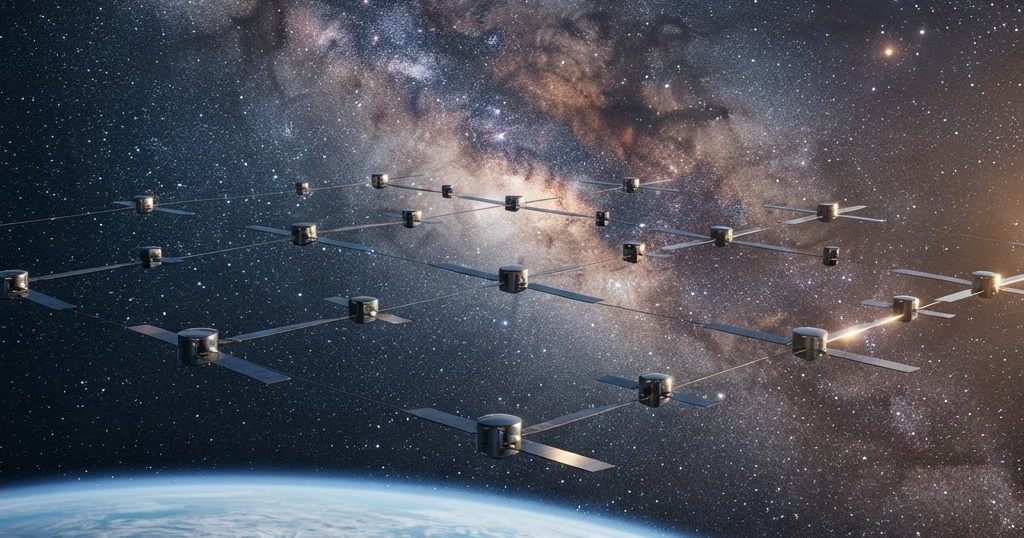
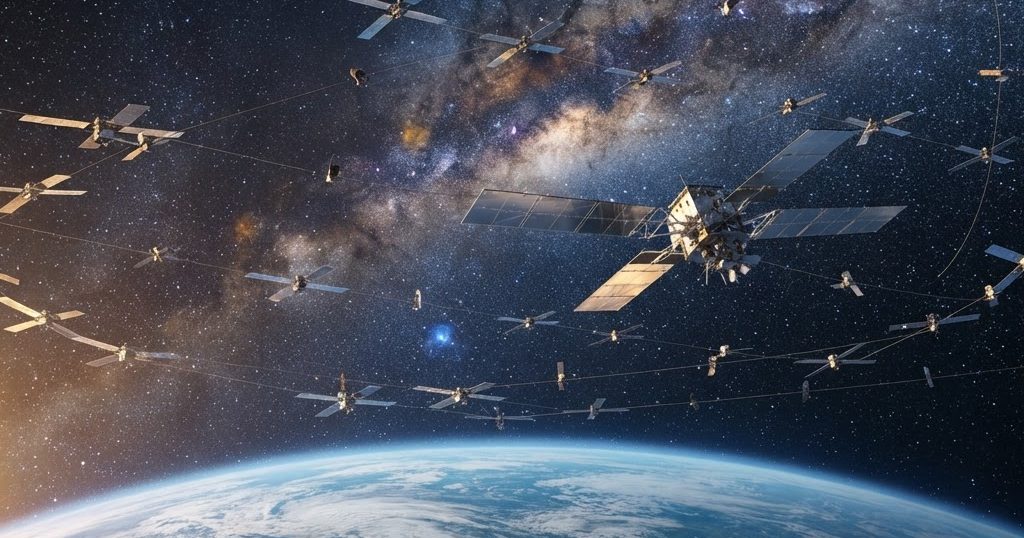
SpaceX's Starlink network crossed a symbolic line overnight. After a Falcon 9 rocket lifted off from Vandenberg Space Force Base in California on Monday evening, March 16, the company had more than 10,000 Starlink satellites in low Earth orbit at the same time for the first time, according to Spaceflight Now.
The first batch of 60 Starlink satellites went up in May 2019. Reaching five figures took less than seven years.
The launch that did it
- Mission: Starlink Group 17-24, launched at 10:19 p.m. Pacific time on March 16 (05:19 UTC on March 17).
- Payload: 25 Starlink V2 Mini Optimized satellites, released a little over an hour after liftoff.
- Rocket: the 615th Falcon 9 flight. The first stage, booster B1088, flew for the 14th time and landed on the drone ship Of Course I Still Love You about eight minutes after launch.
- Pace: SpaceX has launched roughly every 2.3 days so far in 2026, and 26 of its 33 Falcon 9 flights this year carried Starlink satellites.
Launched versus in orbit
The milestone is easy to confuse with an earlier one. In October 2025, SpaceX passed 10,000 Starlink satellites launched in total, but at that point only about 8,600 were still in orbit. Most of the difference is made up of older satellites that have been deliberately brought down at the end of their working life, plus a small number of failures. Starlink satellites fly low, so they re-enter and burn up relatively quickly once they are retired.
The new figure counts satellites in orbit at the same moment, which is what matters for coverage and capacity. More satellites overhead mean more bandwidth to share between users and fewer gaps in service.
Why SpaceX keeps launching
Starlink has become the business that funds most of SpaceX. Earlier this month the company cut the price of its US Residential plans in selected regions, with the 100 Mbps tier dropping to $39 a month for the first six months as a promotion, Notebookcheck reported. Elon Musk said the goal was to make satellite internet more affordable, and denied that the move was a response to Amazon's rival network, Leo, which started life as Project Kuiper. With an IPO expected later this year, steady subscriber growth also matters to future investors.
All of that depends on capacity, and capacity depends on launches. The current satellites are the V2 Mini generation, sized to fit on a Falcon 9. Much larger third-generation satellites are meant to follow once SpaceX's Starship rocket is ready to carry them.
The Tesla connection
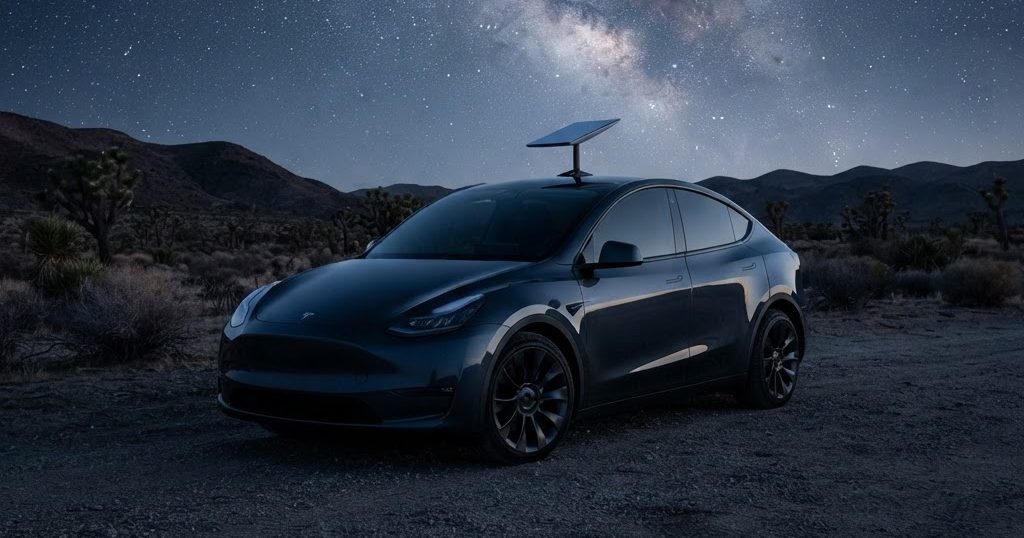
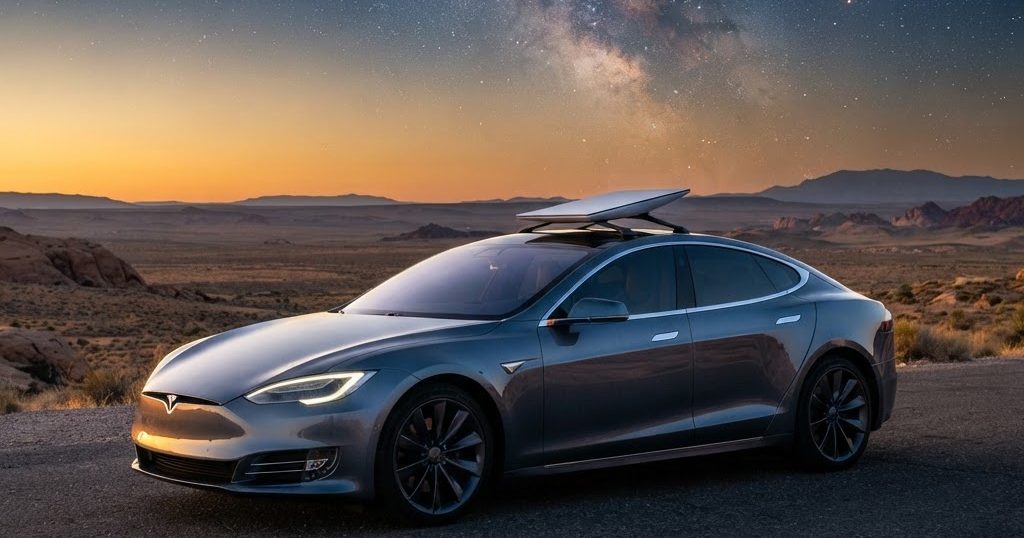
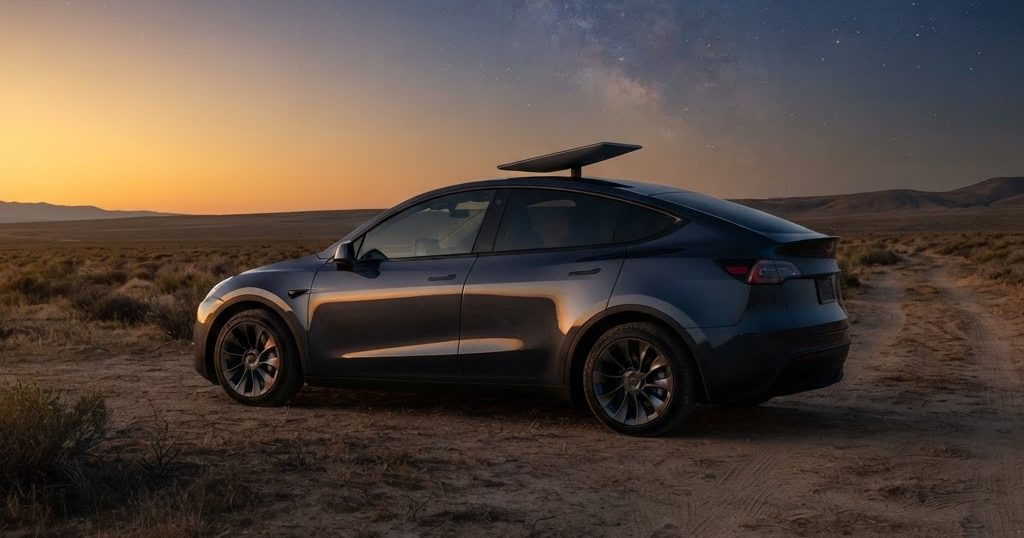
Starlink is a SpaceX product, not a Tesla one, but the two companies share a chief executive and already meet in practice. Since late 2021, Starlink dishes have been spotted at some Tesla Supercharger sites, where they can provide internet access for drivers and the station, Electrek reported at the time. Tesla cars themselves connect over regular mobile networks.
A bigger constellation is what would make deeper links realistic. Satellite connectivity in a car needs plenty of spare capacity, especially for services such as maps, software updates or a future driverless fleet that must stay online in remote areas. Every jump in the number of satellites makes that idea a little less theoretical.
What to watch next
- Whether the launch pace of one flight every two to three days holds through 2026.
- The first Starship flight carrying third-generation Starlink satellites.
- How competitors, led by Amazon's Leo, ramp up their own networks.
Sources (3)
- Spaceflight Now — SpaceX reaches 10,000 simultaneous Starlink satellites in orbit following Falcon 9 launch from California
- Notebookcheck — SpaceX cuts Starlink residential plan price to $39/month ahead of IPO
- Electrek — Tesla starts deploying Starlink satellite internet systems at Supercharger stations