 3 min
Giga Shanghai builds its 6 millionth battery pack, just 279 days after the 5 millionth
Tesla's Shanghai factory has assembled six million battery packs. The last million took about nine months, as exports from the plant hit records while sales inside China fall. Here is what the milestone shows about Tesla's biggest factory.
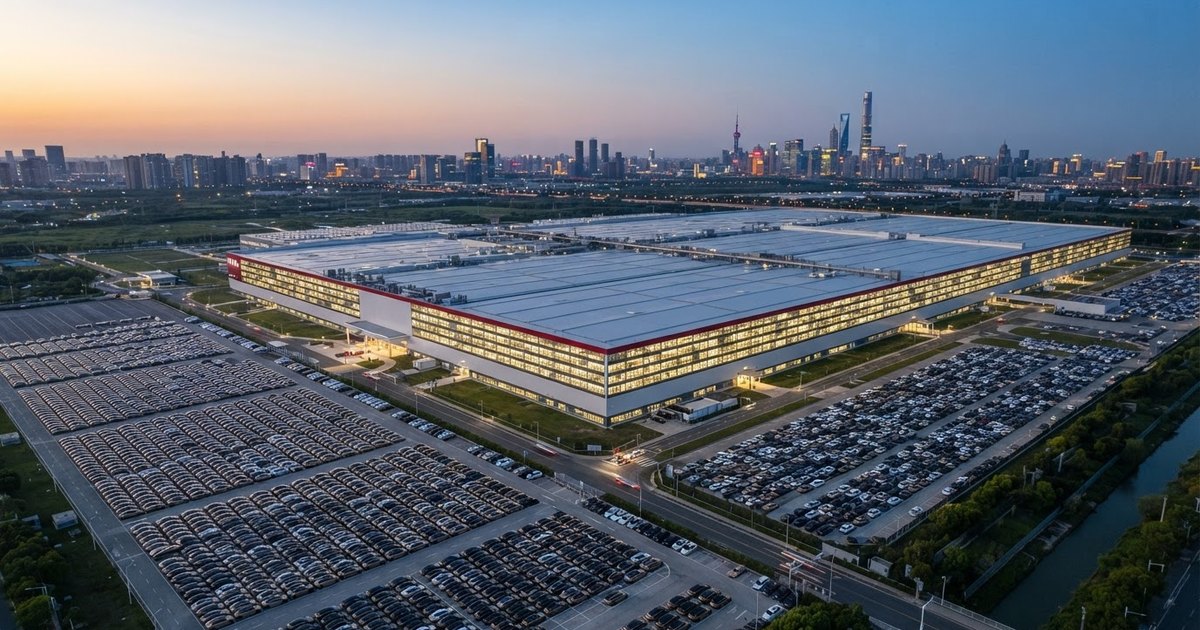
Tesla's Gigafactory in Shanghai has produced its six millionth battery pack. Tesla announced the milestone on Tuesday, August 18, on its Chinese Weibo account and through its Tesla Asia account on X, with a photo of employees celebrating next to the pack.
The numbers
- 6 million packs built at Giga Shanghai since production started at the end of 2019.
- The 5 millionth pack came on November 12, 2025, so the last million took 279 days, about nine months.
- Drive Tesla calculates that this equals roughly 1.3 million packs a year, or about 3,580 a day over that period.
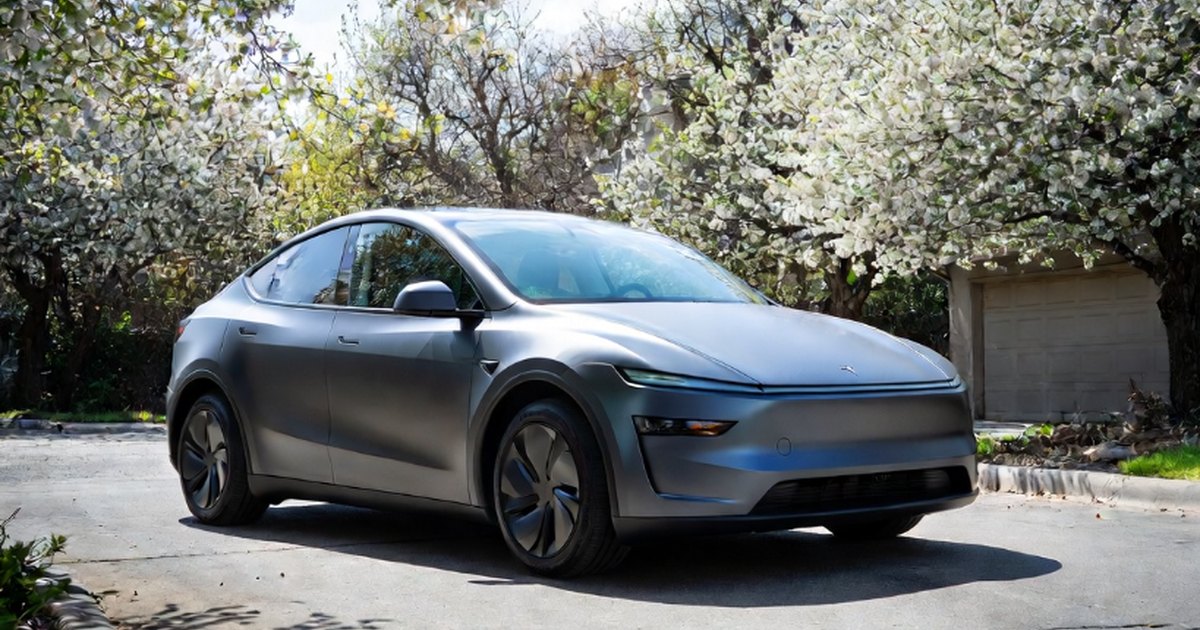
The packs go into the Model 3 and Model Y built in Shanghai. Interestingly, that pace is higher than the number of cars the plant usually builds: Giga Shanghai delivered just over 561,000 vehicles in the first seven months of 2026. Tesla has not explained the difference, for example whether some packs are used elsewhere.
Packs, not cells
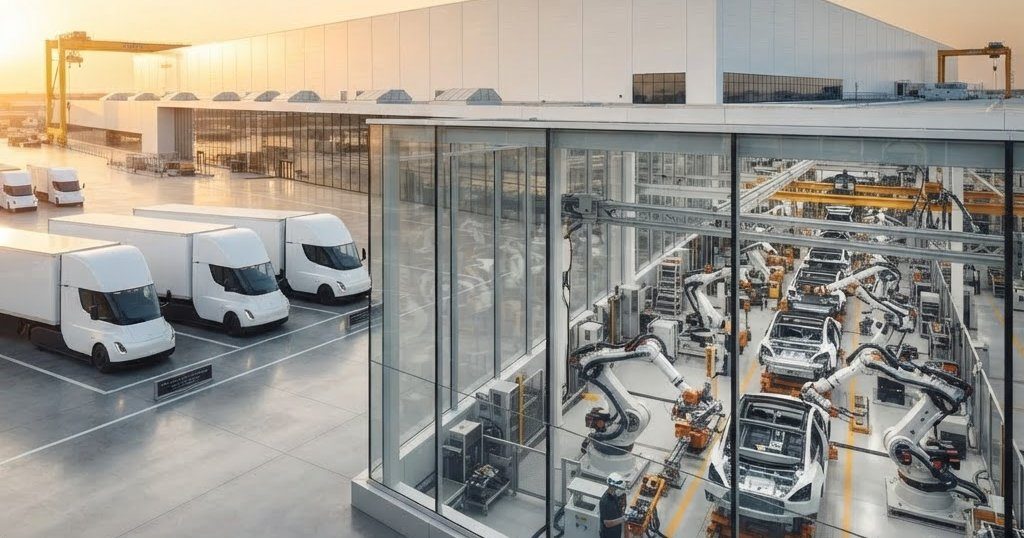
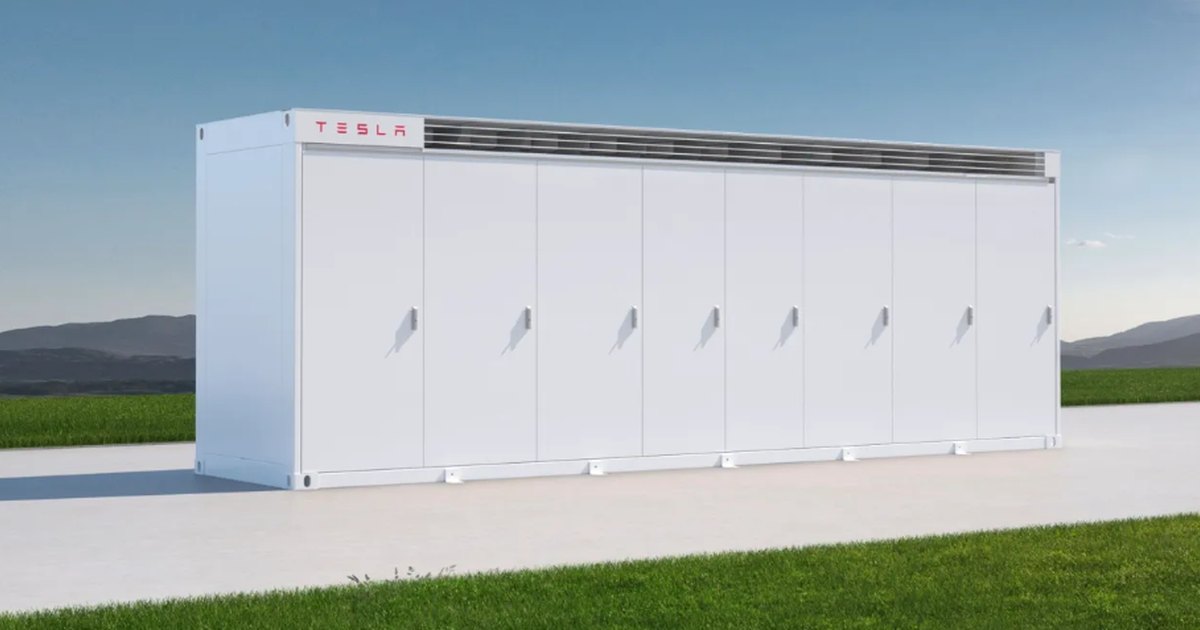
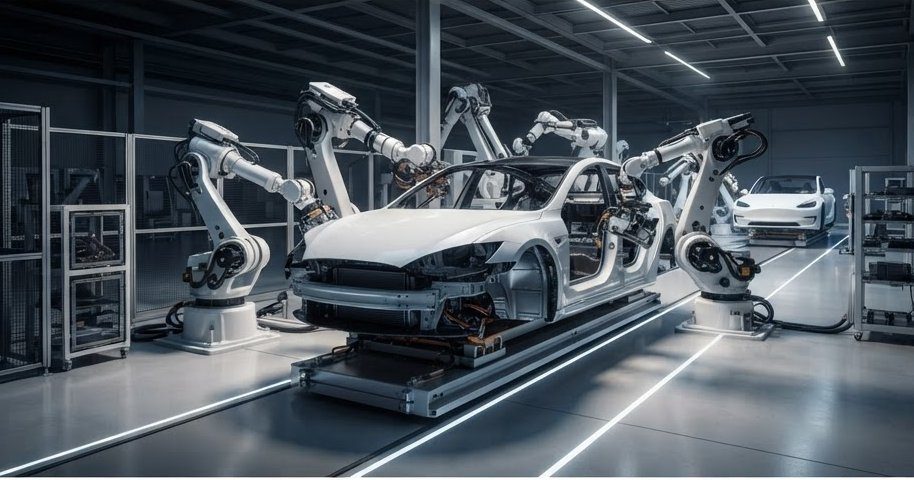
It is important to know what Shanghai makes and what it buys. Tesla does not produce battery cells in China. The factory buys cells mainly from CATL and LG Energy Solution, then designs and assembles them into finished packs. In its Weibo post, Tesla stressed that it does its own research and design 'from cell chemistry to battery pack structure', and that each pack goes through several rounds of strict testing.
The pack is one of the most expensive parts of an electric car. Building it in-house, close to the car assembly lines, helps Tesla control cost and quality and keeps the whole process in one place.
The factory behind the milestone
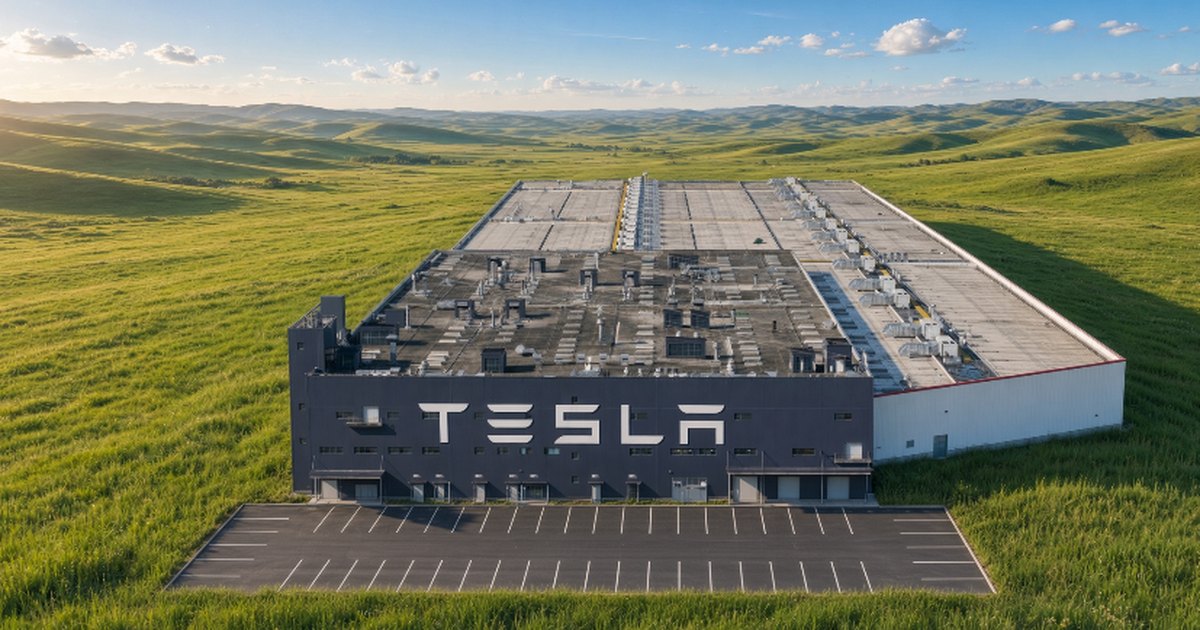
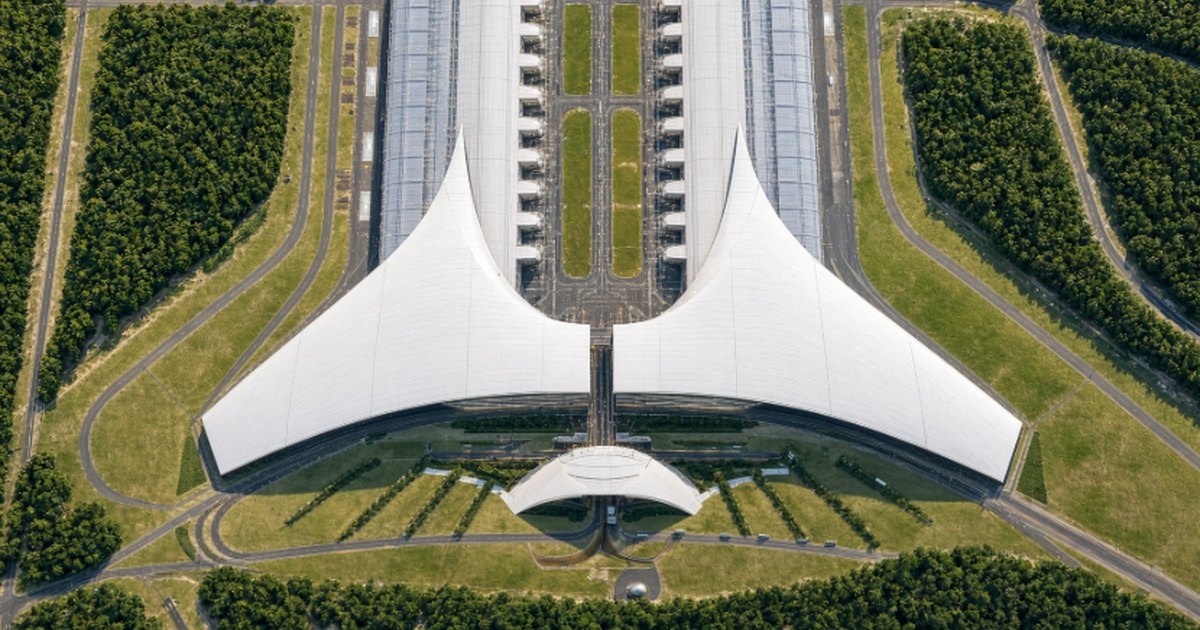
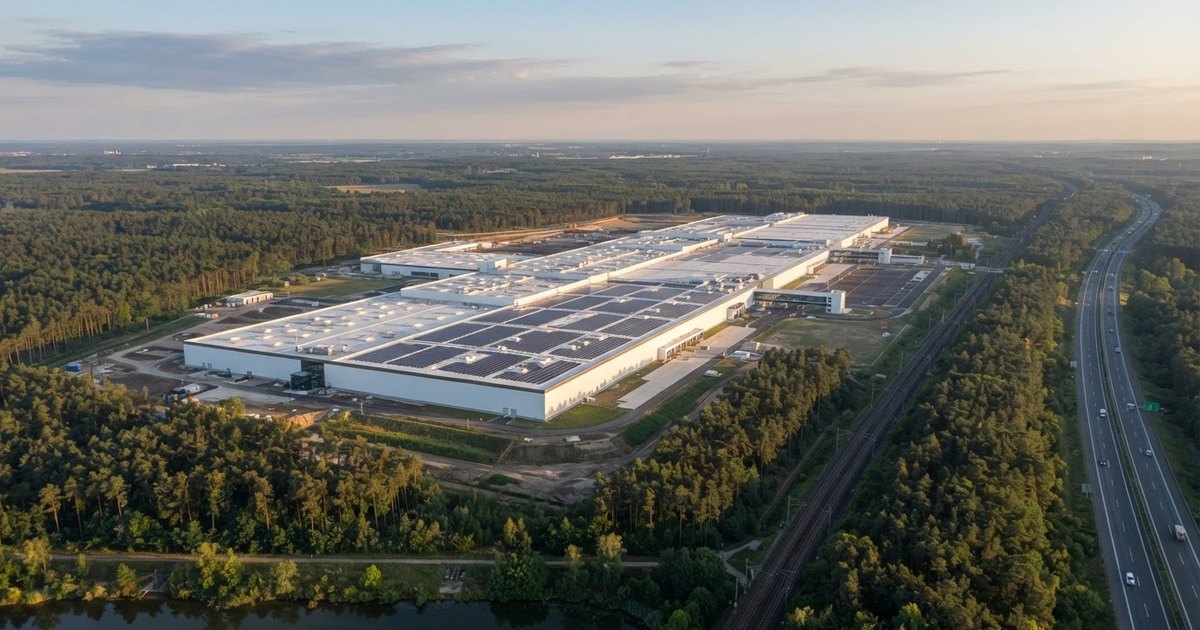
Giga Shanghai sits in the Lingang New Area of Shanghai. Construction began in January 2019 and production started by the end of that year. It was China's first wholly foreign-owned car factory. Model 3 deliveries began in January 2020 and Model Y deliveries in January 2021. With a capacity of about one million cars a year, it is Tesla's largest and most heavily used plant, and over more than six years it has built nearly half of all the cars Tesla has delivered worldwide. In December 2025 it produced its 4 millionth car.
Exports up, China down
The milestone arrives as the factory's business shifts. According to CnEVPost, using data from the China Passenger Car Association:
- Tesla sold 27,249 cars inside China in July, down almost 33% from a year earlier, the second monthly fall in a row.
- Exports from Shanghai hit a monthly record of 66,330, or about 71% of the plant's wholesale volume.
- From January to July, Shanghai exported 295,324 cars, up 130% and already more than the 226,034 it exported in all of 2025.
- Domestic deliveries over the same seven months fell about 12% to 266,204.
In total, Tesla China's wholesale volume in July was 93,579 cars, up almost 38% on a year earlier and the highest month so far in 2026. Markets for Shanghai-built cars this year include Canada, which started receiving the Model 3 from China in 2026.
Why it matters
Shanghai is the backbone of Tesla's car production. A faster pack rate shows that the plant is running hard even though Tesla's sales inside China are falling. Rising exports have more than made up for the drop at home, but that also makes the factory more dependent on foreign markets and exposed to tariffs and quotas abroad.
What to watch next
Watch the monthly CPCA figures for Shanghai's split between exports and domestic sales, and Tesla's third-quarter production and delivery report in early October. A new Model Y variant with a 659 km range has also appeared in Chinese regulatory filings, which may add demand later this year.