 3 min
Tesla closes the rear-screen browser trick: back-seat passengers lose HBO Max and Prime Video
A popular workaround let rear passengers reach a web browser through YouTube and stream services Tesla Theater does not offer. Update 2026.38 shuts it down. Here is what changed and what still works.
Parents who kept their children busy on road trips with HBO Max or Prime Video on the rear screen of their Tesla have lost a favourite trick. With software update 2026.38, Tesla has closed a workaround that let back-seat passengers open a web browser, and with it any streaming service they liked.
How the trick worked
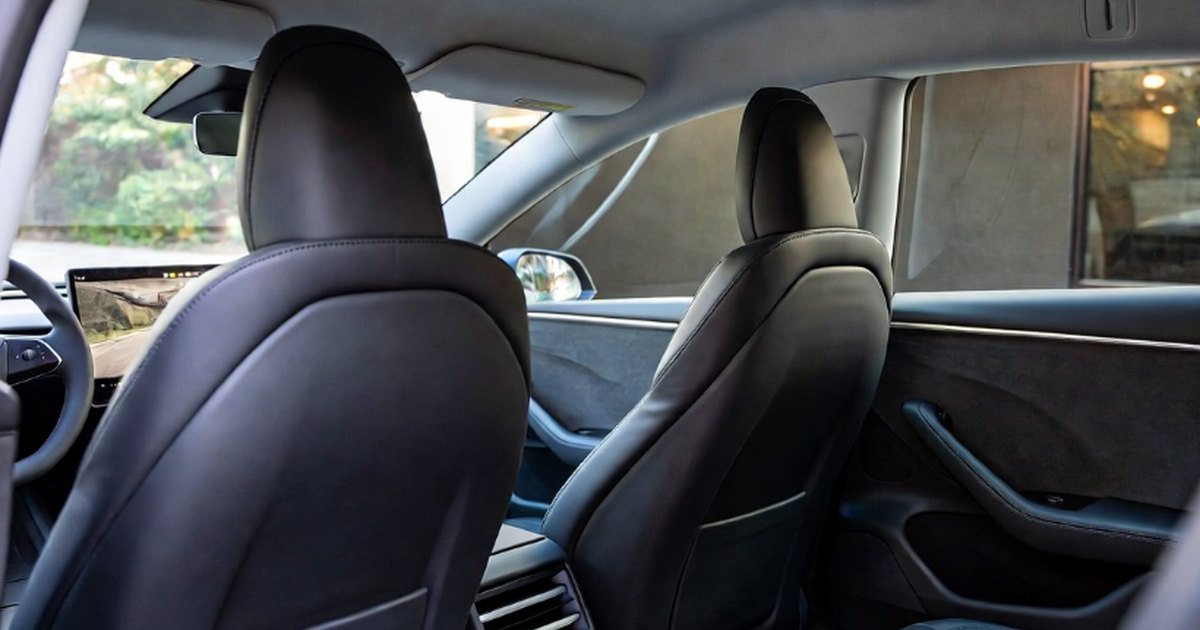
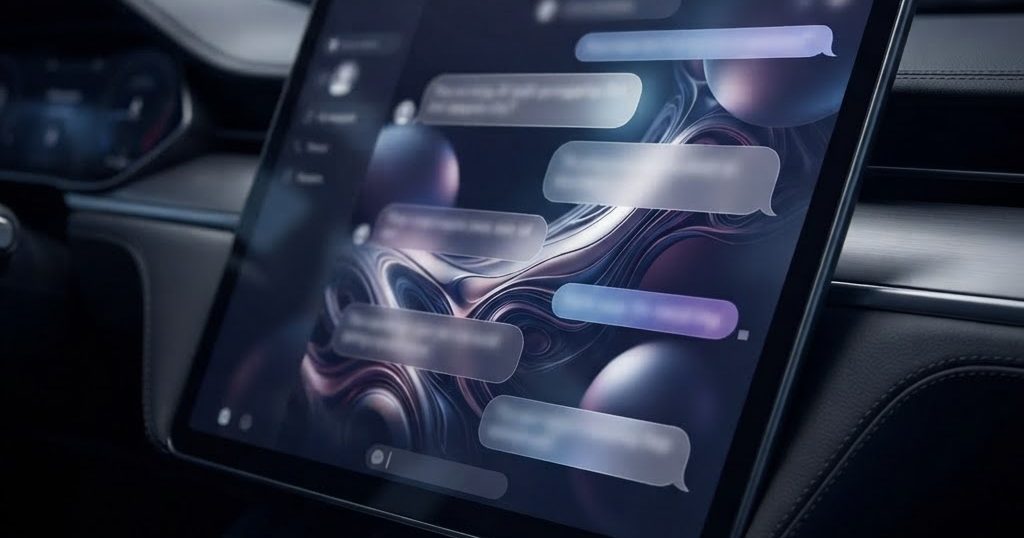
The rear touchscreen in newer Teslas only offers the apps in Tesla Theater, such as Netflix, YouTube, Disney+ and Hulu. These are essentially wrapped websites, not true native apps. There is no general web browser for the back seat.
Owners found a way around that. In the YouTube app, you opened the menu, went to the Privacy Policy and tapped the Google link at the bottom of the page. That led to Google Search, and from there to any website, including streaming services like HBO Max, Prime Video or Crunchyroll. Because logins are saved per driver profile, passengers only had to sign in once.
What happens now
After update 2026.38, the same steps end on a YouTube page titled "Continue on another device". It says the feature is not supported on this device and offers a QR code to open the page on a phone instead. The change was first flagged on X by user @nevrnewd, who wrote that Tesla had "ruined the trick".
What still works:
- Rear passengers can use the official Tesla Theater apps as before.
- The front screen still has the built-in browser, which can be used while the car is parked.
Why would Tesla do this?
Tesla has not commented. Two explanations seem likely, though both are speculation:
- Data costs. Video streaming over the car's mobile connection uses a lot of data, and Tesla pays for that connectivity.
- Business deals. If Tesla wants to add more streaming services officially, a free backdoor to the same services weakens its position in those talks.
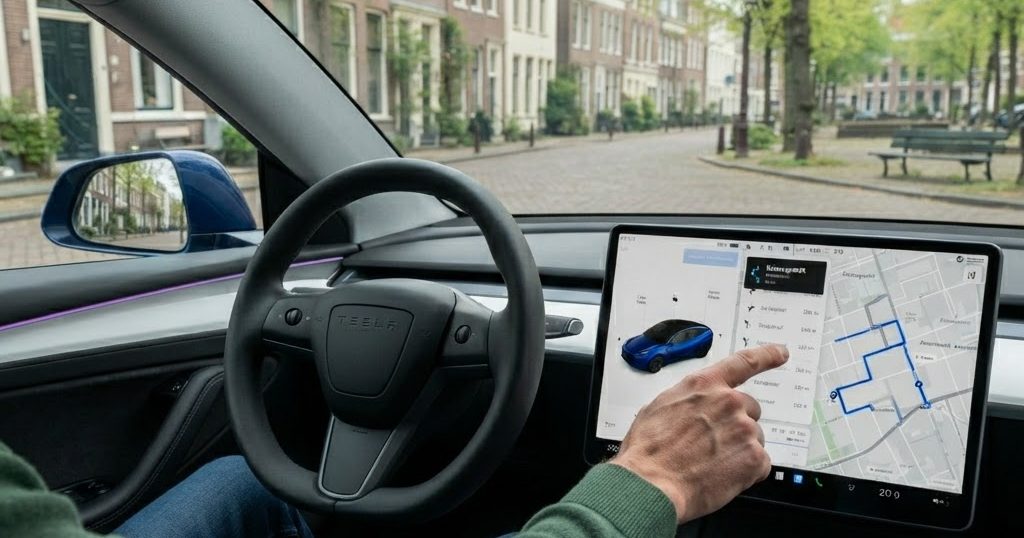
It fits a wider pattern. Earlier this year Tesla added interactive maps to the rear screen, and last month it removed Caraoke from the rear display, moving it to passengers' phones via a QR code. The rear screen is being shaped into a controlled space with a fixed set of features, rather than an open device.
Why it matters
For families, the rear screen is one of the most-used features on a long drive, and the workaround filled a real gap. Losing access to services you already pay for is frustrating, especially when there is no official alternative. The obvious fallback is a tablet or phone, which many families already carry, or downloading content before a trip.
It is also a reminder that over-the-air updates work both ways. They can add features overnight, and they can take unofficial ones away just as quickly.
What to watch next
The key question is whether Tesla adds more streaming services to Tesla Theater officially, which would make the workaround unnecessary. Watch the release notes of the Holiday Update, which in past years often brought new entertainment features. And expect owners to look for a new route to a browser on the rear screen, which Tesla may close again.