 3 min
Tesla's 'Emergency Drive Away' lets you flee a Supercharger with the cable still plugged in
A new software feature in update 2026.38.3 lets Tesla drivers in the US shift into Drive while connected to a Supercharger, for emergencies only. Here is how it works, what it costs, and why Tesla added it.
Until now, a Tesla simply would not leave Park while a charging cable was attached. That is a sensible safety rule, but it can trap a driver at the worst possible moment. On October 1, Tesla's charging team announced a way out: a feature called Emergency Drive Away.
What the feature does
Emergency Drive Away lets you shift into Drive and pull away while the car is still connected to a Supercharger. Normally you first have to unlock the charge port on the screen, in the app or with the button on the handle, and wait for the latch to release. In an emergency, those seconds can matter.
How it works, according to Tesla's description:
- While plugged in, shift into Drive.
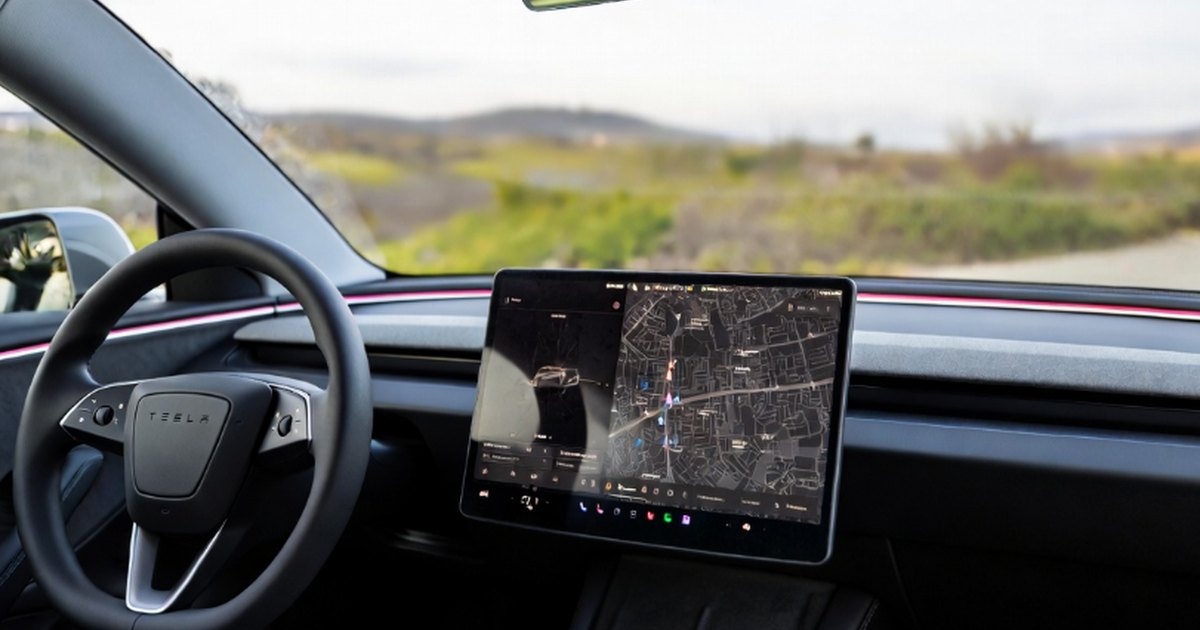
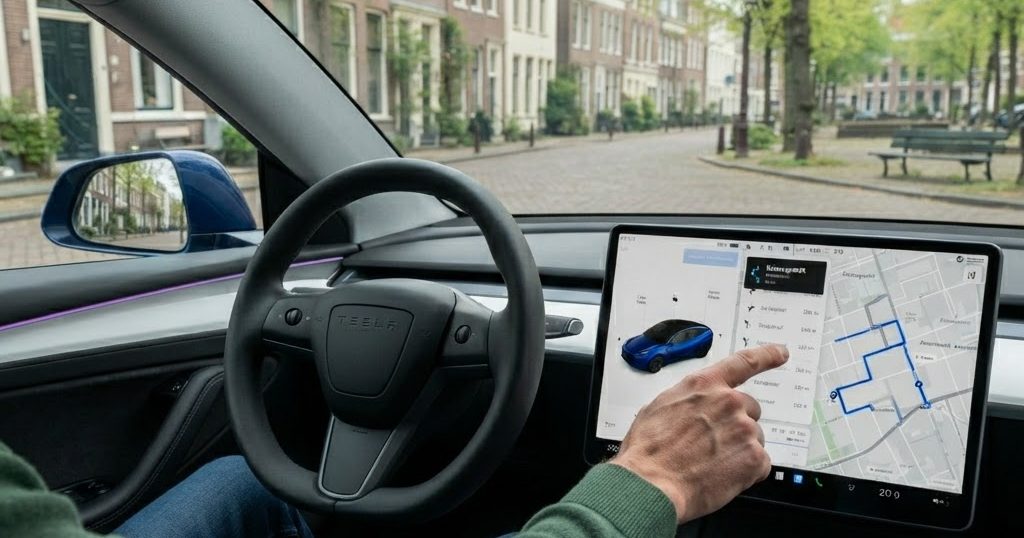
- An 'Emergency Drive Away' message appears on the main screen.
- Hold the brake pedal, tap Activate, and drive off.
Key facts
- Software: it arrives with update 2026.38.3, free of charge.
- Where: only at Superchargers in the United States for now. Tesla has not said when, or whether, it will come to Canada or other markets.
- Which cars: all current Teslas, except Model S and Model X vehicles built before 2021.
- Hardware: Tesla told an owner that no new stall hardware is needed.
It is not free to use
Tesla is blunt about the downside. Using the feature 'will damage your vehicle and the Supercharger', it says, because the connector and charge port break when the car pulls away. The function is meant for emergencies only, and Tesla warns that deliberate misuse will bring additional penalties, without saying what those are.
When the feature is activated, a recording of the event is sent to Tesla automatically, which lets the company see what happened. Cybernews reported that Tesla put the electrical and civil repair costs after such an emergency departure at around $25,000. In other words: this is a button for when your safety is at stake, not for when you are in a hurry.
Why Tesla added it
Tesla's announcement did not mention a specific incident. But the feature follows a shooting on August 1 in Twin Falls, Idaho, near an In-N-Out restaurant and the Supercharger next to it. According to police, three people were killed and several others injured, including a driver who was shot while sitting in a charging Tesla.
After the attack, many owners asked Tesla for a way to escape a stall without waiting for the latch. Some turned to the EVject, an aftermarket breakaway adapter that separates from the car when it drives off. Tesla sued its maker in 2024 over overheating concerns, and the company later recalled its original connectors. Its current design adds thermal protection.
Why it matters
Superchargers are often in car parks next to restaurants and shops, and drivers can spend 20 minutes or more sitting in a stationary car. Being unable to leave quickly is a real risk, even if such situations are rare. Tesla's solution is not elegant: Electrek, for example, argued that a cleaner fix would let the car and stall release the latch on command. But it means a driver is never stuck.
It is also a rare case of Tesla building a feature that is designed to break its own hardware. That says something about how seriously the company takes the problem.
What to watch next
- Whether Tesla brings the feature to Canada, Europe and other markets.
- What the 'additional penalties' for misuse will look like in practice.
- Whether a future version can release the cable without damage, as some owners have suggested.