Mr Steven chased falling nose cones for SpaceX
For almost three years SpaceX tried to catch falling Falcon 9 nose cones in a giant net on a boat. It finally worked in 2019, then the company gave it up. The story explains why, and what it means for catching Starship.
Somewhere in the Atlantic, in the dark hours of June 25, 2019, half of a rocket's nose cone drifted down under a parachute and dropped into a giant net stretched above the deck of a boat called Ms. Tree. It had taken SpaceX well over a year of misses to get there. Less than two years later, the company sailed its net boats out of port for the last time and never caught a nose cone again. With SpaceX now trying to catch an entire Starship at its launch tower, that strange episode is worth telling, because it shows what a catch is really for.
Why would anyone try to catch a nose cone?
Because it cost about $6 million, roughly a tenth of a Falcon 9. The nose cone, or payload fairing, is the clamshell that protects satellites during the climb through the atmosphere. On a Falcon 9 it is about 13 metres tall and 5.2 metres wide, and once the rocket is high enough it splits in two and falls away. Musk framed it as a simple picture: "Imagine you had $6 million in cash on a pallet flying through the air."
SpaceX first brought a fairing half back in March 2017, after the SES-10 launch. The half steered itself with small thrusters and a steerable parachute and settled gently on the water, where a ship picked it up. But the team worried about salt water: it corrodes, and the inside of a fairing has to be clean enough to sit around a customer's satellite. Ideally, the fairing would never touch the sea at all.
So how do you catch something that falls from space?
With a fast boat, a huge net and a parachute that can be steered. SpaceX chartered an offshore supply vessel called Mr. Steven, named after the father of its owner's chief executive, and fitted it with tall arms that held a net above the deck, so a fairing half gliding under its parafoil could land in it.
The first real test, in February 2018, ended with the fairing half intact in the water a few hundred metres from the boat. Musk wrote that slightly bigger parachutes should do the trick. They did not, at least not straight away: the attempts in the first half of 2018 all ended with the fairing in the water. In July 2018 it got stronger arms and a net of about 3,700 square metres, roughly 40,000 square feet or about half a football pitch, four times the original. The hardware was ready. The catch still was not coming.
What finally went right?
The third Falcon Heavy launch, and a boat with a new name. In 2019 the vessel was sold to Guice Offshore and renamed GO Ms. Tree. On its first trip with the new owner it caught one half of the fairing from the STP-2 mission, a Falcon Heavy flight that carried 24 satellites. Musk was less formal: "Ms. Tree caught the Falcon fairing!!"
A second catch followed in August 2019. SpaceX then added a sister ship, GO Ms. Chief, so both halves of one fairing could be caught. In December 2019 both boats narrowly missed, and in January 2020 one caught its half while the other missed. Only on July 20, 2020, after the ANASIS-II launch, did both boats catch both halves of the same fairing. The last fairing ever caught in a net came down in October 2020.
So why did SpaceX give up the nets?
Because fishing the halves out of the water turned out to be good enough, and simpler. The clue had been there since April 2019, when two of SpaceX's other ships pulled both fairing halves of an Arabsat launch out of the sea and the company later flew them again. The catcher boats' arms, meanwhile, were easily damaged in rough seas. SpaceX moved the fairing's vents closer to the seam so less water gets in, made the halves more resistant to salt water, and switched to ordinary ships with cranes that lift the floating halves aboard.
In February 2021 the arms came off both boats, and on April 6, 2021, Ms. Tree and Ms. Chief left Port Canaveral for the last time. What came next made the decision look obvious.
How far did fairing reuse go?
Further than almost anyone expected: one fairing half has flown 40 times. SpaceX marked that milestone in September 2026, according to The Motley Fool, which estimated that this single half saved the company about $120 million by not being rebuilt each time. The lesson was blunt: the expensive part was never the splash, it was building a new fairing for every flight.
What does the net boat teach us about Starship's tower catch?
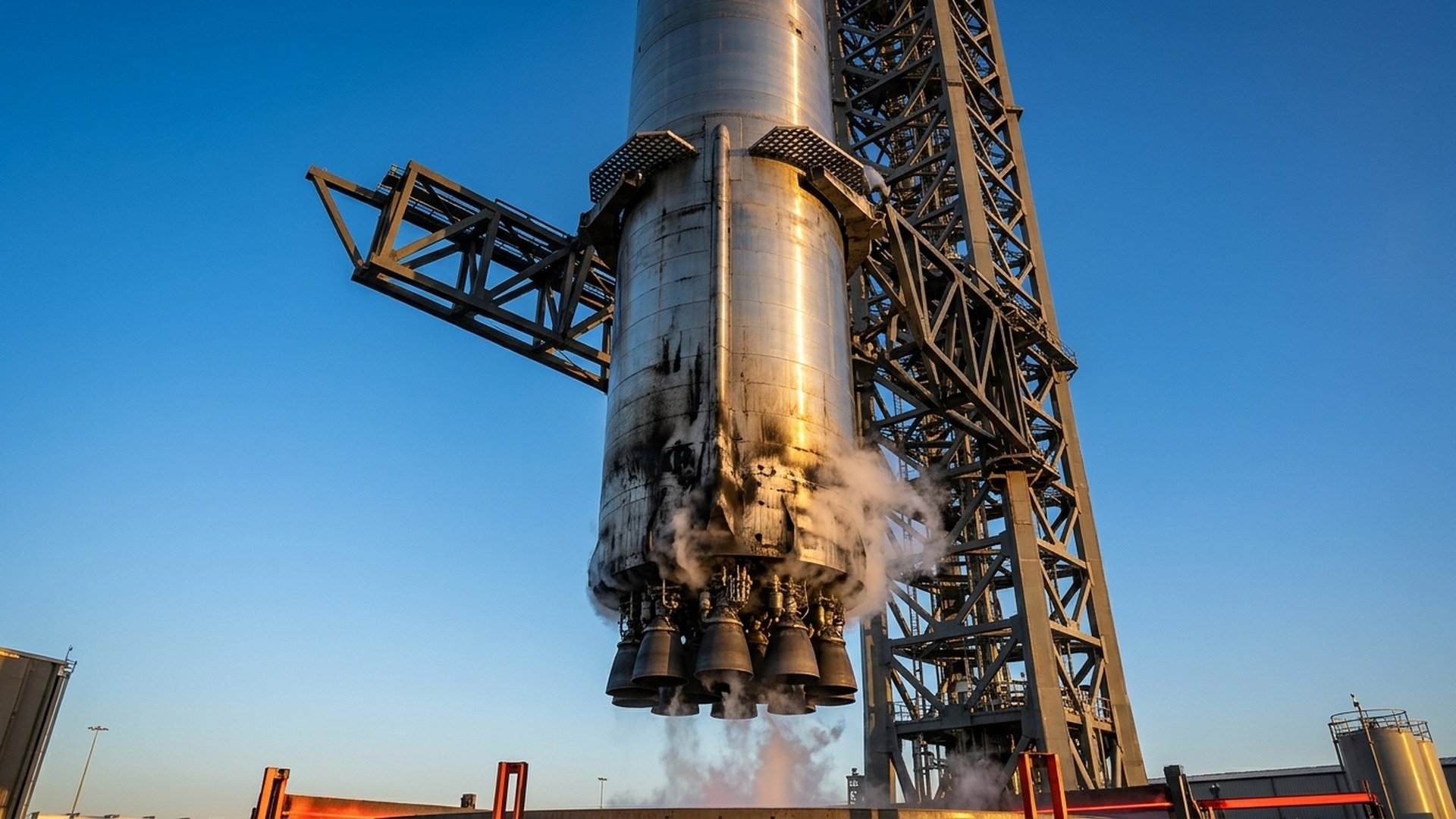
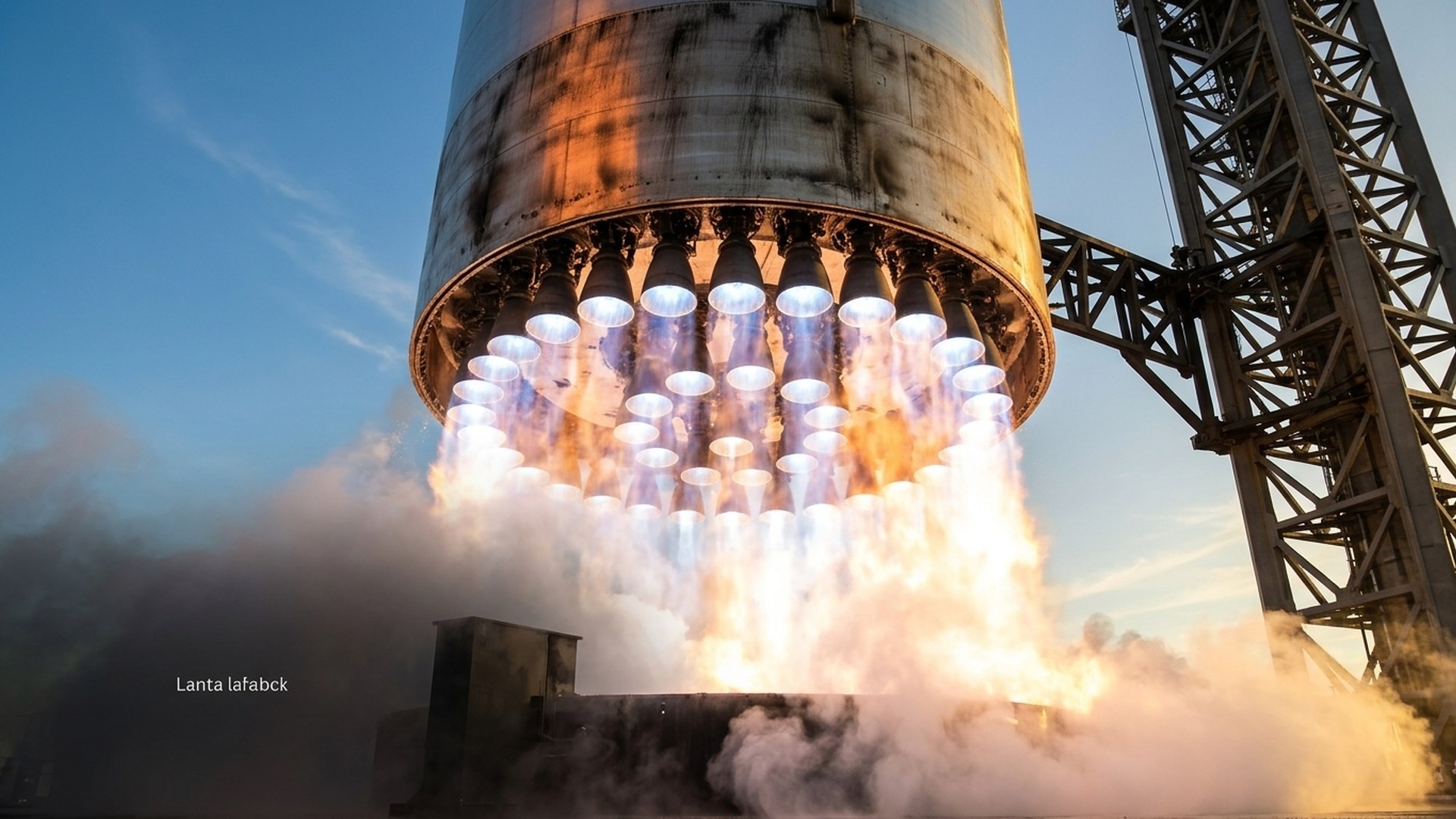
A catch is only worth it when it beats the simpler option, and for Starship it does. A fairing half is a light shell blowing around under a parachute, and a wet one can still fly again. A Super Heavy booster or a Starship upper stage is a full rocket with its own engines that steers itself to the tower to the metre. Catching it means it needs no landing legs, and it lands right where it can be checked, refuelled and stacked again. By late 2026 SpaceX had caught Super Heavy boosters with the tower arms three times, and for Flight 15, aimed at November 2026, it planned to try catching the ship as well. Musk said that if both catches work, it will be the first time all parts of an orbital rocket come back intact. That is a goal, not yet a fact.
For Tesla fans, who follow SpaceX more closely as Musk's companies draw nearer to each other, the net boat is a familiar kind of story: try the bold idea quickly, measure it honestly, and drop it the moment a simpler one wins. Mr. Steven caught the headlines. The bucket of seawater won the argument.
Sources (4)
- Space.com — SpaceX Boat Snags Falling Payload Fairing in Historic First
- Space.com — SpaceX retires giant net boats that caught rocket nose cones
- The Motley Fool (via Mitrade) — Here's How SpaceX Saved $120 Million With (and Without) a Really Big Fishnet
- Teslarati — SpaceX's next Starship flight set to make history on Friday the 13th
Images are illustrations; some are made with AI.