Washers and lasers keep Robotaxi cameras clear
A Robotaxi has no driver to wipe a dirty lens. Here is how Tesla keeps its cameras clean today, what its 'eyelid' and laser patents describe, and what it means for owners.
Tesla's next windshield wiper might be a laser. On Jay Leno's Garage, Tesla's vice president of vehicle engineering, Lars Moravy, said that firing lasers at a focused spot can clear a sheet of water off the glass, and that for autonomy it "might be a good solution to only clean the area where the camera is." He gave no timeline. The idea is not new: Tesla first filed a patent for it in 2019. What is new is the pressure behind it. Tesla's Robotaxi service keeps adding cities, including rainy ones such as Houston, Miami and Tampa, and a Robotaxi has nobody on board whose job it is to keep its eyes clean. A car that drives on cameras alone is only as good as its dirtiest lens.
Why does a dirty camera matter so much to a Tesla?
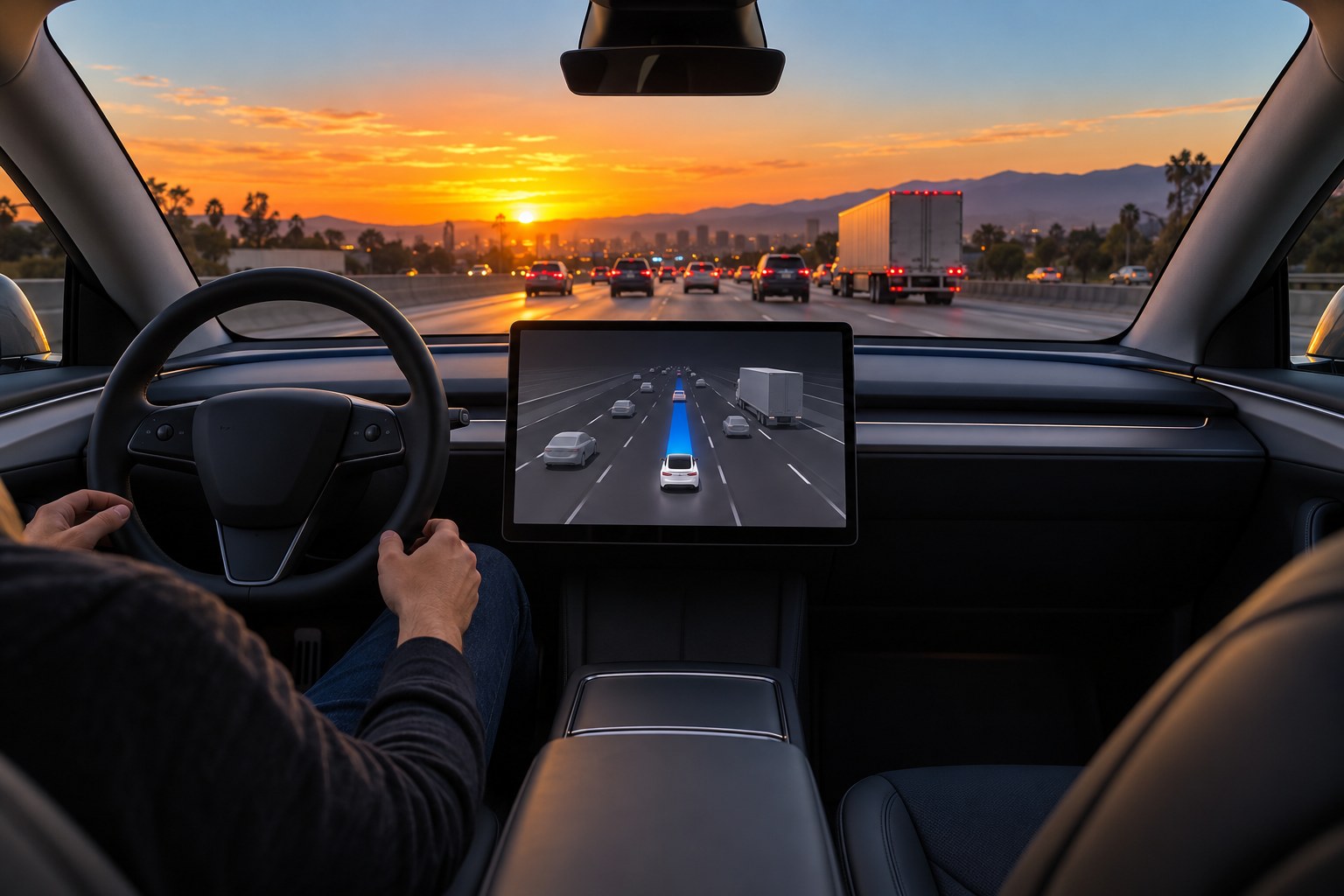
Because cameras are the only way a Tesla sees the road. Since 2021 Tesla has dropped radar from its cars and never used lidar, so FSD and the Robotaxi software work from camera images alone. Rain, mud, salt, glare and fog all reach the same few square centimetres of glass in front of each lens.
US regulators take this seriously. In October 2024 the road safety agency NHTSA opened a probe after four crashes in poor visibility, one of which killed a pedestrian. In March 2026 it upgraded the probe to an engineering analysis covering about 3.2 million vehicles and nine incidents. Its main question is whether FSD notices in time when its cameras are blinded by sun glare, fog or dust. NHTSA found the warnings often came only just before a crash.
In a privately owned Tesla, the fallback is the driver: a warning asks you to clean the camera or take over. A Robotaxi has no such fallback, so it has to clean itself.
So how does a Robotaxi clean its own cameras?
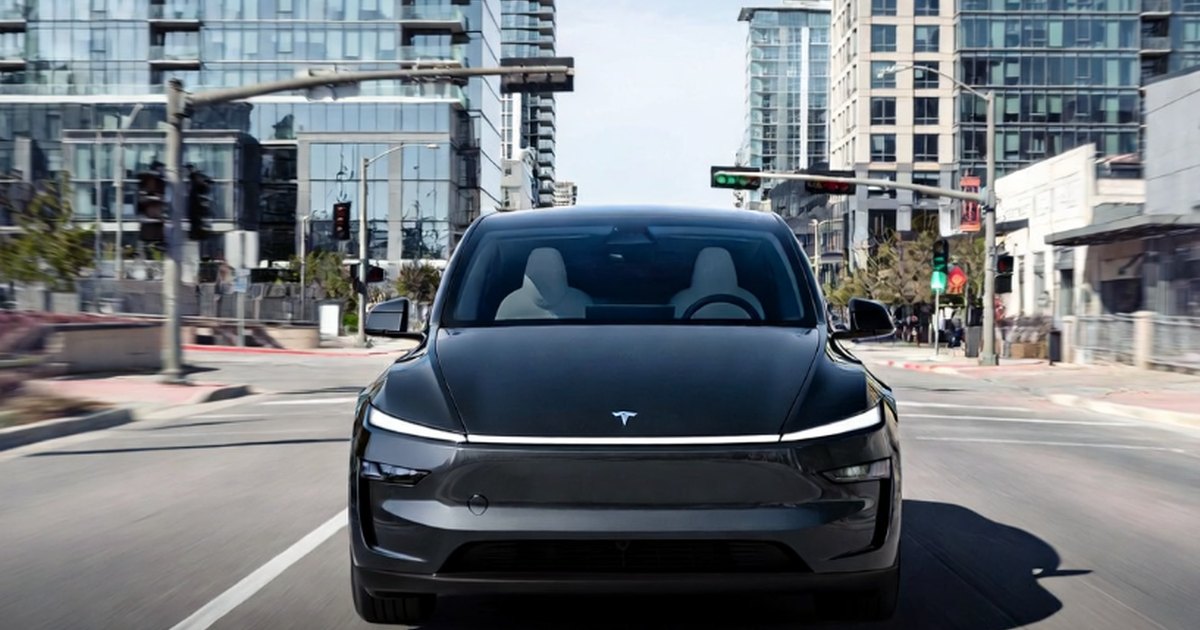
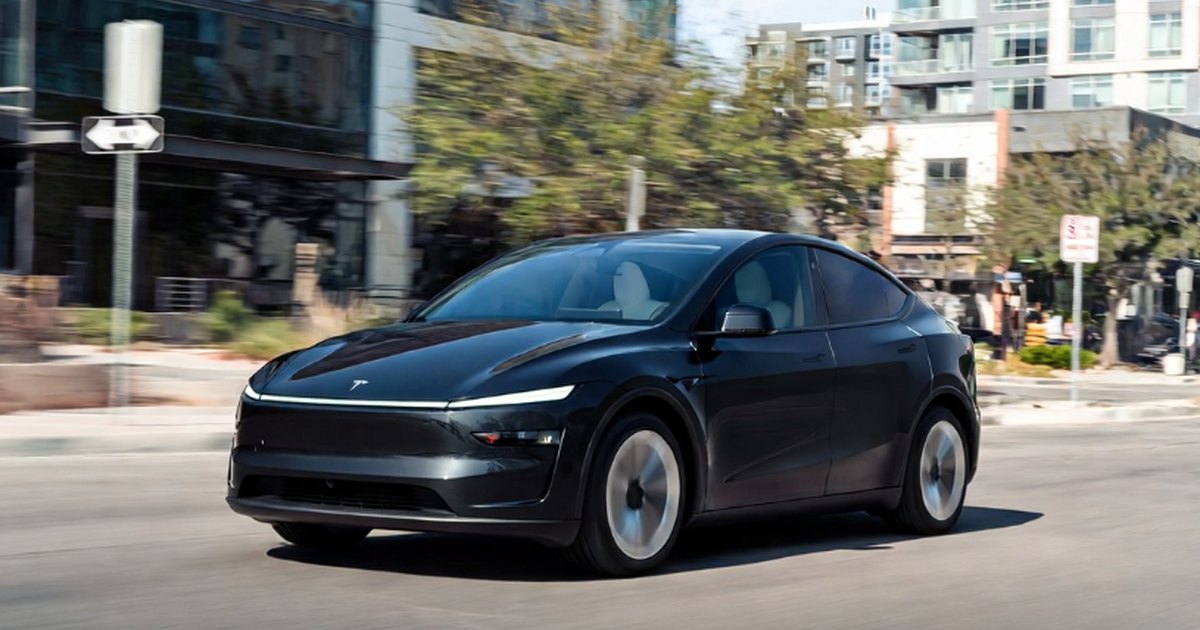
With small washer jets that spray fluid onto the lenses under pressure. Model Y Robotaxis were spotted in Austin in January 2026 with washers on the rear camera and on the fender cameras; Tesla even removed the turn signal from the redesigned fender camera housing to make room for the jet. The purpose-built Cybercab goes further: every outside camera has an active cleaner, from the front bumper and the cameras behind the windshield to the side pillars and the rear, and the rear camera above the licence plate gets its own spray nozzle. Only the cabin camera inside goes without.
That handles mud and raindrops on the outside. Some dirt, however, sits where no jet can reach.
What can a washer not fix?
A film on the inside of the windshield, right in front of the main cameras. Haze left over from production, or gases released by new interior materials, can slowly cloud the glass from within. In late 2025 Tesla added a pop-up that tells owners their forward-facing camera "is experiencing obstructed visibility", together with a free 15-minute cleaning of the windshield camera area that can be booked in the Tesla app. Owners are better off not trying it themselves: the camera housing has to come off, and its clips break easily.
Glare and fog are a second blind spot. No washer can clean light. That part is a software problem, and exactly what NHTSA is investigating. Even the best washer also has limits of its own: fluid runs out and moving parts wear.
How would a camera with an "eyelid" work?
By building a tiny wiper into each camera module. In May 2026 Tesla was granted US patent 12,636,684 for a sealed unit that holds a fluid reservoir, a nozzle aimed at the lens and a miniature wiper with its own motor. The blade follows the curve of the lens, much like an eyelid sweeping over an eye. The patent names the Cybercab and Optimus, Tesla's humanoid robot, as the first platforms. Tesla has not announced a car that uses it.
An eyelid is still a blade and a tank, though. Across a fleet of thousands of cars, that means thousands of blades to replace and tanks to refill.
So could a laser really replace the wiper?
In theory yes, but only for a small patch of glass, and it is not on any car yet. Tesla's patent "Pulsed Laser Cleaning of Debris Accumulated on Glass Articles in Vehicles and Photovoltaic Assemblies" was filed in May 2019 and granted in September 2021; an updated version followed on 31 March 2026. It describes a system that detects dirt on the glass, works out what kind it is, and fires short laser pulses at a calibrated rate, so the energy never reaches deeper than the thickness of the glass. The patent lists windshields, side windows, camera lenses and solar panels.
Moravy's comment adds the practical limit: cleaning a whole windshield would take too many lasers. Clearing only the small window in front of a camera is a far smaller job. The Cybertruck shows how long such ideas can take. It was unveiled in 2019 without wipers, lasers were rumoured, and it went into production with one oversized blade instead.
What does this mean for owners and riders?
For now, clean cameras are still partly your job. Two myths are worth clearing up. First, a patent is not a product: Tesla patents many ideas that never ship, and nobody at Tesla has given a date for laser cleaning. Second, a dirty camera does not mean the car drives blind without warning; FSD (Supervised) warns you and asks you to take over, though NHTSA's probe shows those warnings have not always come early enough.
If you own a Tesla, wipe the outside camera lenses when you wash the car, and book the free service if the forward-camera warning appears. If you ride in a Robotaxi, the cleaning happens for you, with jets today and maybe, one day, with a beam of light. The race to driverless cars is not only about smarter software. It is also about keeping a handful of small windows clean in every kind of weather.
Sources (4)
- Teslarati — Tesla exec hints at a wild fix for Robotaxi's biggest weather problem
- Not a Tesla App — Model Y Robotaxis now include camera washers, Cybercab adds them to all cameras
- Electrek — NHTSA upgrades Tesla FSD visibility investigation to 3.2 million vehicles
- Drive Tesla Canada — Tesla adds in-car popup for obstructed front cameras and offers free cleaning
Images are illustrations; some are made with AI.