Here is what one kilo to orbit costs
The fuel for a Starship flight works out to about 9 dollars a kilo, yet the Space Shuttle cost about 54,500. Here is why, how Falcon 9 cut the price, and what Starship needs to get under 100 dollars a kilo.
Rocket fuel is the cheap part of going to space. By Elon Musk's own estimate, the propellant for one full Starship flight costs about 900,000 dollars. Spread over the 100 tonnes of cargo Starship is designed to carry, that is roughly 9 dollars per kilo. Yet a NASA study put the Space Shuttle at about 54,500 dollars per kilo, and a dedicated Falcon 9 flight still works out to around 3,000 dollars per kilo at best. In a November 2026 interview with investor Ron Baron, Musk said Starship can bring the price "under a hundred dollars a kilogram to orbit". The gap between 9 dollars of fuel and thousands of dollars of price has almost nothing to do with fuel, and it explains why space has been so expensive for so long.
Why does one kilo in orbit cost so much?
Because for most of the space age, the rocket was thrown away after a single flight. To stay in orbit, a payload has to reach about 28,000 kilometres per hour. Getting there takes a machine that is mostly propellant, with only a few percent of its launch mass left over for the actual cargo. The engines, tanks and electronics are built to tight tolerances, work for a few minutes and then fall into the ocean. Musk compares it to scrapping a passenger jet after every single flight: hardly anyone could afford to fly.
The Space Shuttle tried to fix this and partly failed. Its orbiter flew again, but the big orange tank was lost every time and the orbiter needed long, expensive repairs between missions. NASA researcher Harry Jones calculated about 1.7 billion dollars per Shuttle launch in 2018 money, for 27,500 kilos of capacity. Reuse only saves money when flying an old rocket again is cheaper than building a new one.
How did Falcon 9 cut the price by about 20 times?
By landing its first stage and flying it again and again. The booster is the biggest and most expensive part of the rocket. Falcon 9 brings it back to a landing pad or a drone ship, and the two halves of the nose cone come down under parachutes. In the same NASA study, a 62-million-dollar Falcon 9 flight with a maximum of 22,800 kilos to low orbit came to about 2,720 dollars per kilo: roughly 20 times cheaper than the Shuttle.
Musk calls Falcon 9 "around 80 percent" reusable. The missing 20 percent is the upper stage, which still burns up or is left in space after every flight. According to Musk, that stage alone costs about as much as a medium-sized business jet. On paper Falcon 9 is cheap per kilo, but the paper price is not what most customers pay.
So why do real customers often pay much more per kilo?
Because the famous per-kilo figure assumes a completely full rocket going to the easiest possible orbit. Analysts divide the launch price by the maximum payload to a low circular orbit, a few hundred kilometres up. Real satellites are usually lighter than that maximum, or they need a higher orbit, which lowers how much the rocket can lift.
The trade publication New Space Economy works out the 2026 numbers: a dedicated Falcon 9 flight costs about 74 million dollars, so a 4,000-kilo satellite effectively pays about 18,500 dollars per kilo. Small satellites can share a ride instead, at about 7,000 dollars per extra kilo after a 50-kilo minimum. The lesson is that cheap kilos need two things at once: nothing thrown away, and a rocket that flies full.
What would Starship need to get under 100 dollars a kilo?
Both stages caught and reused, fast turnarounds and full cargo bays. The maths is simple. At 100 tonnes per flight, 100 dollars a kilo means a flight may cost no more than 10 million dollars in total. At 10 dollars a kilo, the whole flight would have to cost about 1 million dollars, barely more than the fuel itself.
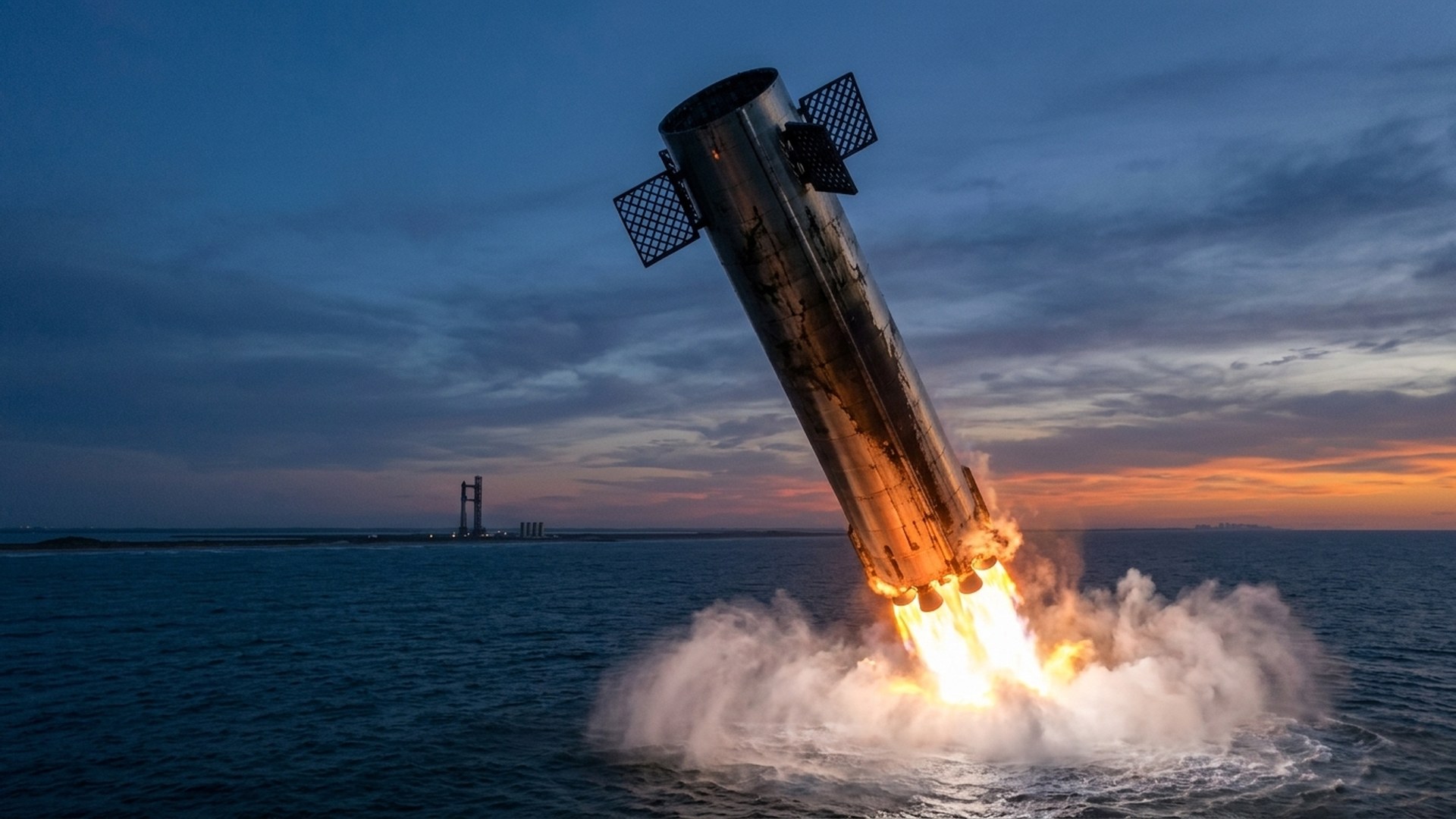
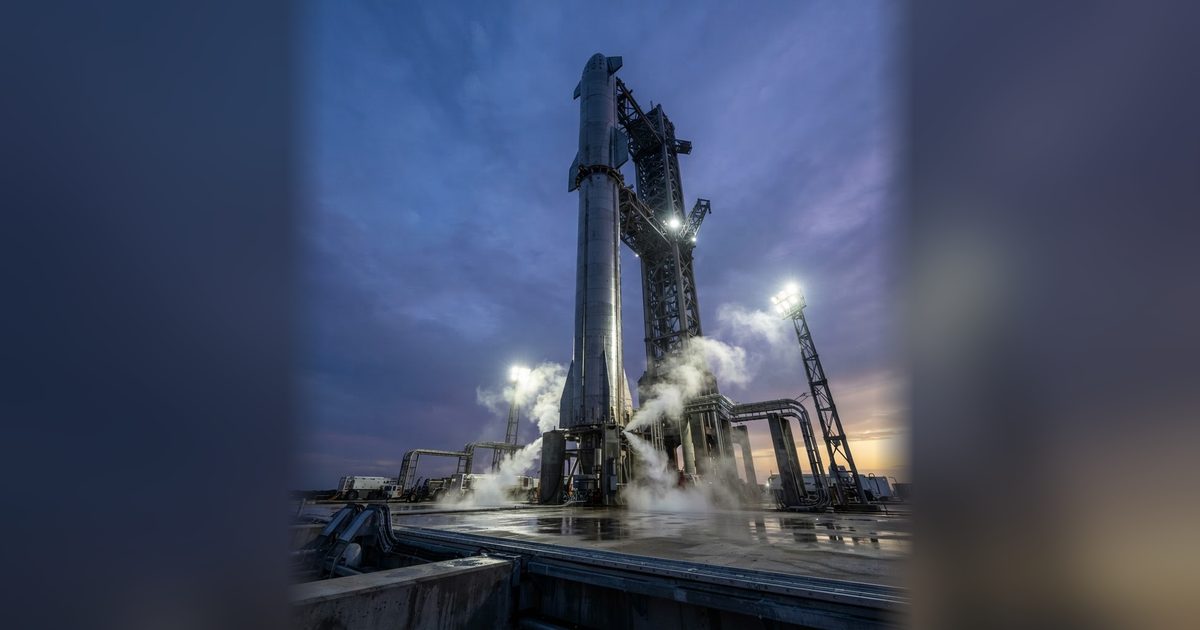
SpaceX has already caught Super Heavy boosters with the launch tower's "chopstick" arms, and on Flight 14 in September 2026 Starship reached orbit for the first time and released 26 Starlink satellites, its first real cargo. Catching and reflying the ship itself is the next big step. Musk has also said a booster could one day fly again within an hour. That is a statement of intent, not something SpaceX has shown, and the number that circulates most online needs a reality check.
So is 10 dollars a kilo a fact or a target?
A target, and an optimistic one. The 10-dollar figure comes from Musk's earlier comments that a Starship flight might one day cost around a million dollars. Starship has no public price list yet, so every Starship price per kilo is a goal or an estimate, not a quote you can book. Musk's most recent number, under 100 dollars, is ten times higher than the figure that goes viral.
A common myth is that SpaceX already launches for 10 dollars a kilo. It does not: Falcon 9 is still in the thousands, and its list price has risen over the years with inflation. Musk's timelines have also slipped before. Even so, going from about 3,000 to under 100 dollars would be a drop of more than 30 times, and that alone would change a lot.
What would cheap kilos change, for SpaceX and for Tesla?
Launch would stop being the bottleneck and start acting like freight. At 54,500 dollars a kilo, the launch capacity for a 70-kilo person costs about 3.8 million dollars. At 100 dollars a kilo, the same 70 kilos of capacity costs 7,000 dollars, before seats, life support and safety are added. Bigger Starlink satellites, Moon landers that need several tanker flights for refuelling, and Musk's stated plan to send Optimus robots to Mars all depend on cheap kilos.
That is also why Tesla fans should care. SpaceX's own filings mention a possible combination with Tesla, and fully reusable Starship is one of the biggest drivers of SpaceX's value. The cheapest part of a rocket was always the fuel. The expensive part was throwing the rocket away, and Starship is the first serious attempt to bring the whole vehicle back.
Sources (4)
Images are illustrations; some are made with AI.