 3 min
All 11 xAI co-founders have now left: what Musk's 'rebuild' of Grok's maker means for Tesla
With Ross Nordeen and Manuel Kroiss gone, none of the researchers who founded xAI with Elon Musk in 2023 remain. Tesla has $2 billion and its in-car assistant riding on the outcome.
When Elon Musk launched xAI in 2023, he did it with eleven co-founders, many of them well-known AI researchers. As of this week, every one of them has left. The last two, Manuel Kroiss and Ross Nordeen, are reported to have departed in March, completing an exodus that sped up after SpaceX bought xAI at the start of February. For Tesla, which put $2 billion into xAI only weeks ago and uses Grok in its cars, this is more than Silicon Valley gossip.
Who left, and when
- 2025: Christian Szegedy left in February 2025.
- February 2026: Tony Wu announced his departure on February 10, and Jimmy Ba resigned within about a day. Reports linked the exits to pressure to improve the performance of xAI's models.
- Early 2026: Greg Yang and Toby Pohlen were also among those who left since January.
- March 2026: Guodong Zhang, who oversaw Grok Code and Grok Imagine and reported directly to Musk, said March 12 was his last day. Zihang Dai left the same week. That left Kroiss, who led pre-training, and Nordeen, described by Business Insider as Musk's 'right-hand operator'. Both have now gone too, according to The Next Web.
What Musk says
Musk has not hidden that things need to change. On March 13 he wrote that xAI 'was not built right first time around' and is being rebuilt from the foundations up. He added that Tesla had gone through the same thing in its early years. He also admitted that Grok lags its rivals in coding, naming Anthropic's Claude Code and OpenAI's Codex as the tools to beat.
New people are arriving. xAI has hired Jason Ginsberg and Andrew Milich, who previously led product engineering at Cursor, the popular AI coding tool. The focus on coding suggests Musk wants Grok to become a serious work tool, not just a chatbot.
The SpaceX factor
The departures come right after a big change of ownership. On February 2, SpaceX bought xAI in an all-stock deal that valued SpaceX at about $1 trillion and xAI at about $250 billion. xAI is now a SpaceX subsidiary, and SpaceX is preparing for a possible stock market listing later this year. Integrating a fast-moving AI lab into a rocket company was always going to cause friction, and losing every founder in under two months shows how much.
Why it matters for Tesla
Tesla has three reasons to care:
- Its money: in January, Tesla invested $2 billion in xAI's Series E round, at a valuation of about $230 billion. After the SpaceX deal, that stake is being converted into SpaceX shares. Some Tesla shareholders are suing Musk, arguing he steered company money into his own private venture.
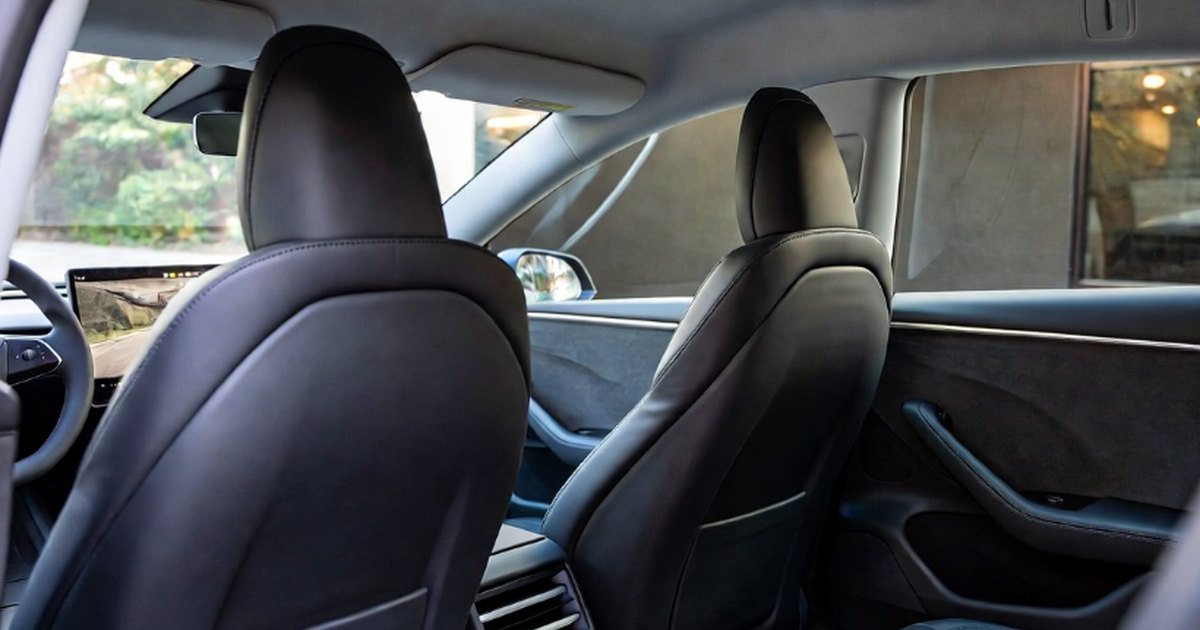
- Its cars: Grok is the conversational assistant in Tesla vehicles. A leadership vacuum at the company that builds the model could slow improvements that owners notice in the car.
- The bigger AI story: Tesla sells itself increasingly as an AI company. If the Musk company that builds language models struggles, that weakens the case for close cooperation under the framework agreement Tesla signed alongside its investment.
There is another way to read it. Musk's comparison with Tesla is telling: Tesla went through several rounds of founder departures and painful restructuring before it became a mass-market carmaker. Supporters argue that a rebuild with fresh engineers and SpaceX's financial backing could produce a stronger Grok. Critics counter that losing the people who built the original models is a real setback, especially in an AI race where talent is the scarcest resource.
What to watch next
The first test is whether Grok's coding and reasoning abilities catch up during the rebuild. The second is SpaceX's IPO paperwork, which should give the first detailed look at xAI's finances and at the deals between xAI and Tesla. And Tesla owners will simply notice in their cars whether Grok gets better or stalls.