Your Tesla still needs support after production ends
Tesla is ending the Cybertruck after the Model S and X. What that means for warranty, parts, service, software updates and resale value, with lessons from the original Roadster.
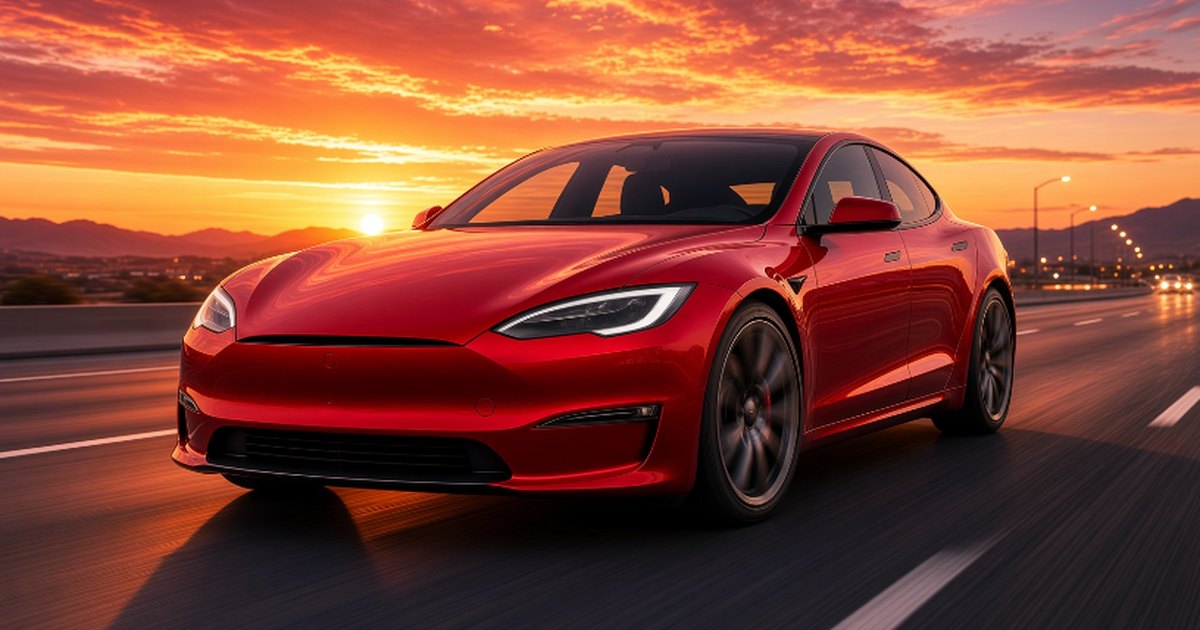
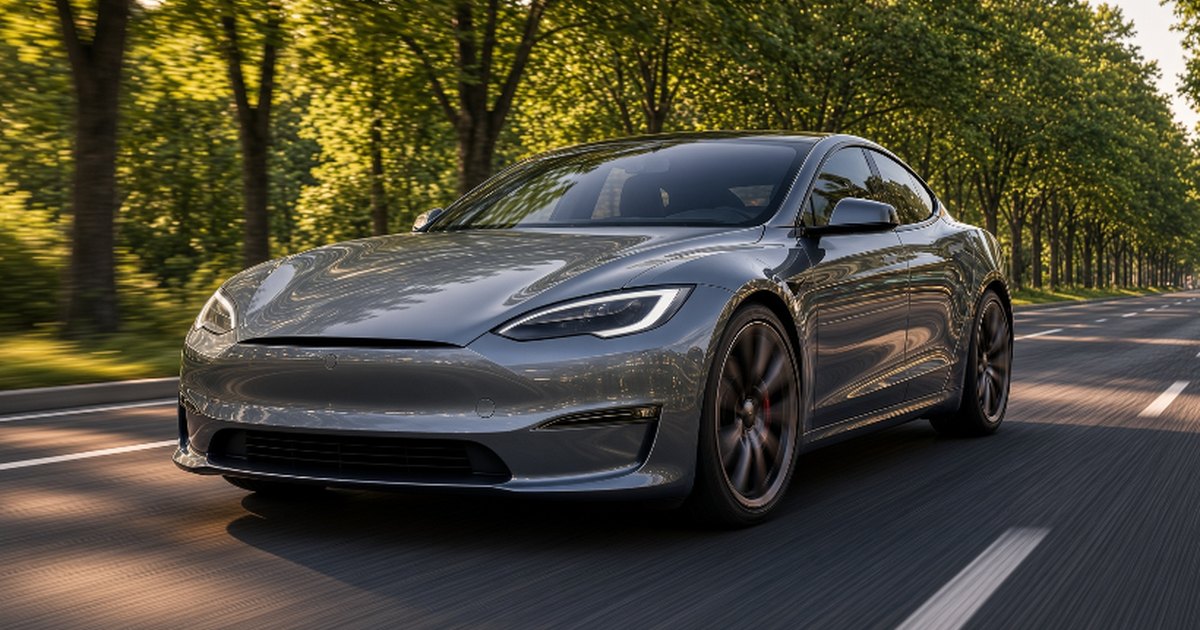
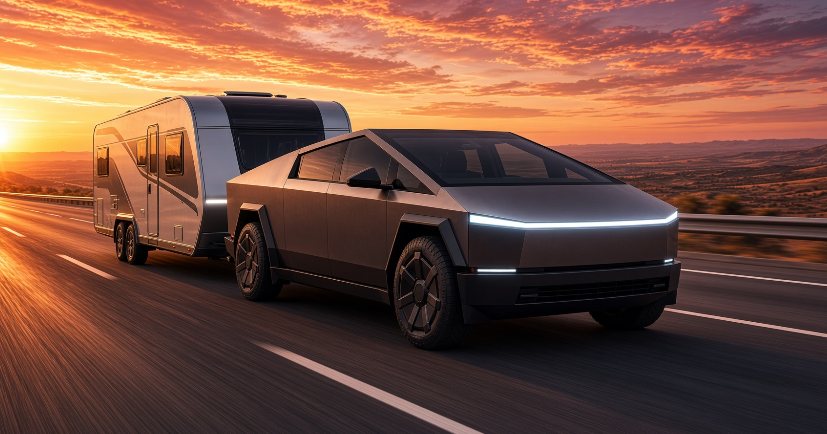
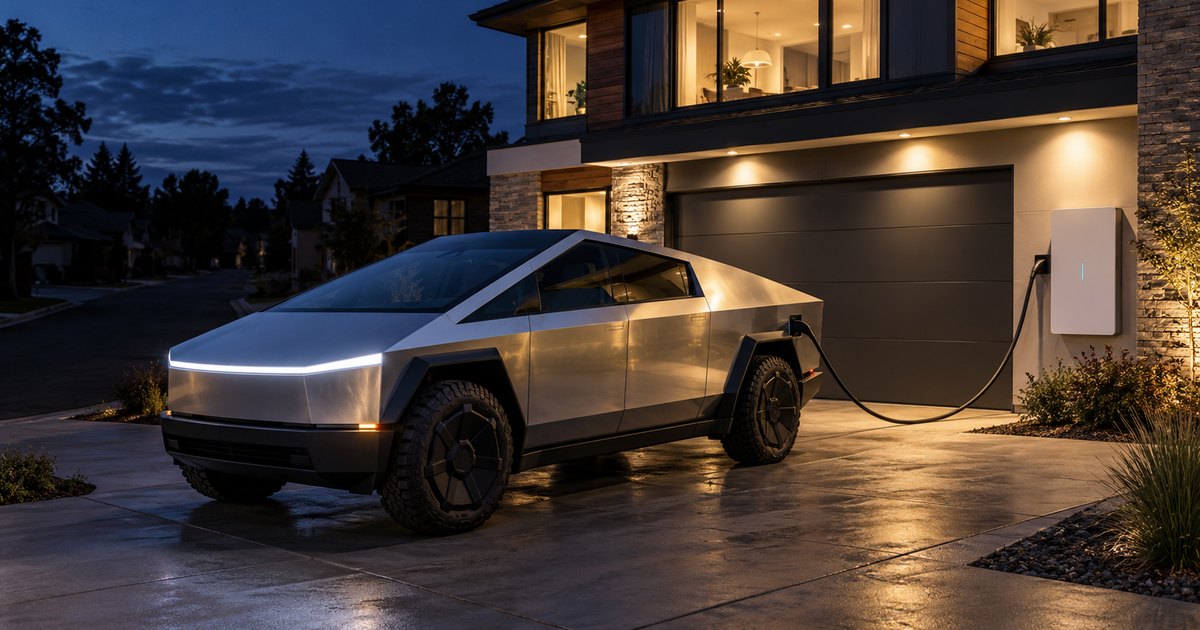
On 6 November 2026, Elon Musk posted on X that Tesla will wind down Cybertruck production at Giga Texas around the middle of 2027, to make room for more Cybercab robotaxis. It is the third Tesla to leave the line in about a year: the Model S and Model X stopped in April 2026, when their space in Fremont went to Optimus robots. Tesla does not report Cybertruck sales separately, but Cox Automotive estimates about 3,500 to 3,700 were sold in the US per quarter in early 2026, far below the 250,000 a year Tesla once aimed for. That still leaves tens of thousands of stainless steel trucks, and many more Model S and X cars, in driveways. For their owners, the end of production raises a very practical problem: what happens to a car its maker no longer builds.
Does your warranty still count when Tesla stops building your car?
Yes. A warranty is a written promise tied to the car, not to the production line. For the Cybertruck in the US, Tesla's own warranty booklet gives 4 years or 50,000 miles of basic cover, and 8 years or 150,000 miles for the battery and drive unit, with at least 70% of battery capacity kept over that period. Those terms do not shrink because the factory stops. They also transfer at no cost to the next owner, which matters if you plan to sell. Tesla advises handing over the maintenance records with the car, so keep them. The same logic applies to a Model S or X still under warranty. The catch is that every warranty ends one day, and after that the real question is whether anyone can still fix the car.
So who fixes the car, and where do the parts come from?
Tesla says service and spare parts will continue, but it has not said for how long. When owners asked on X, Cybertruck lead engineer Wes Morrill replied that Tesla will maintain spare parts and keep supporting the truck with service. That is a clear statement, but not a number of years, and Kelley Blue Book points out that Tesla has given no timeline. Two things work in owners' favour. First, the Cybertruck's 48-volt electrics, steer-by-wire and Etherloop wiring live on in the Cybercab, so some of that technology stays in production. Second, Tesla has a track record. About 2,500 original Roadsters were built from 2008 to 2012. In 2015, three years after the last one, Tesla offered those owners a new $29,000 battery pack that lifted the range from 245 to more than 330 miles. Later it made the Roadster's service manuals and diagnostic software public. Parts unique to one model, like the Cybertruck's steel body panels, are the weak spot: they depend on stock, not on a running line. Hardware is only half of a Tesla, though. The other half is software.
Will a discontinued Tesla still get software updates?
Usually yes, because updates arrive over the air and do not depend on the factory, but old hardware sets limits. Teslas built years ago still receive new software versions. The limit is the computer and modem inside the car. The clearest example came in February 2022, when AT&T switched off its 3G network in the US. Model S cars built before June 2015 without an LTE modem lost live maps, remote app functions and over-the-air updates unless they were on Wi-Fi. Tesla offered a $200 modem upgrade, including fitting. In other words, the car kept working, but staying connected cost money. The newest features often need the newest chips, so a car that is no longer built will slowly fall behind the current lineup. That brings up the question many owners care about most: what the car is worth.
What happens to the value of a car that is no longer made?
Nobody can say for sure, because two forces pull in opposite directions. On one side, some buyers avoid a model they fear will become hard to repair, and that can push used prices down. On the other side, a car that is rare and unusual can turn into a collector's item. Early Roadsters now show up at classic car auction houses such as RM Sotheby's. The Cybertruck has both traits: a small fleet and a design unlike anything else on the road. Anyone who claims to know which force wins is guessing. What you can control is the condition, the records and the remaining warranty, and those matter whether the model is in production or not. A few myths make the decision harder than it needs to be.
What should owners and buyers do now?
Keep the paperwork, check the warranty dates and ignore the myths. The most common misunderstandings:
- "The warranty is void." No. It runs its full term and moves with the car to the next owner.
- "Tesla will stop fixing it." Tesla says the opposite. What is missing is a promise of how many years.
- "No more updates." Not automatically. Old hardware is a bigger limit than the end of production.
- "It is open source, so you can make your own parts." Musk said in July 2026 that Tesla plans to do for the Model S and X what it did for the Roadster. An Electrek review found the Roadster release was mostly manuals and diagnostics, not full design files.
If you want a new Cybertruck, the window is roughly until mid-2027, although Musk gave no exact end date. If you own one, book recall work and warranty repairs while the cover lasts, and store every invoice. A car does not stop working when its factory moves on. It simply relies more on the people who look after it.
Sources (5)
Images are illustrations; some are made with AI.