 3 min
The Vegas Loop in numbers: $5-10 million a mile, 40,000 riders on peak days, and machines at a quarter of their target speed
A Boring Company executive has shared rare figures on cost, ridership and digging speed. What they show about the Tesla-powered tunnel network, and what they leave out.
The Boring Company rarely publishes hard numbers about its business. On July 27, 2026, one of its executives did. In a thread on X, Mike Baier put figures on Vegas Loop ridership, the cost of digging a mile of tunnel and how fast its machines really work. Some of them make the case for the company. One of them shows how far it still has to go.
The numbers Baier shared
- Peak ridership: about 40,000 passengers on a busy convention day, which he said is more than most US light rail systems carry.
- Airport connector: the 2.25-mile tunnels towards Harry Reid International Airport should open in "a few months".
- Growth: once that link opens, he expects ridership to grow three- to fourfold, enough to put the Loop among the ten biggest US transit systems and eventually in the top three or four.
- Cost: $5 million to $10 million per mile of tunnel, depending on ground conditions.
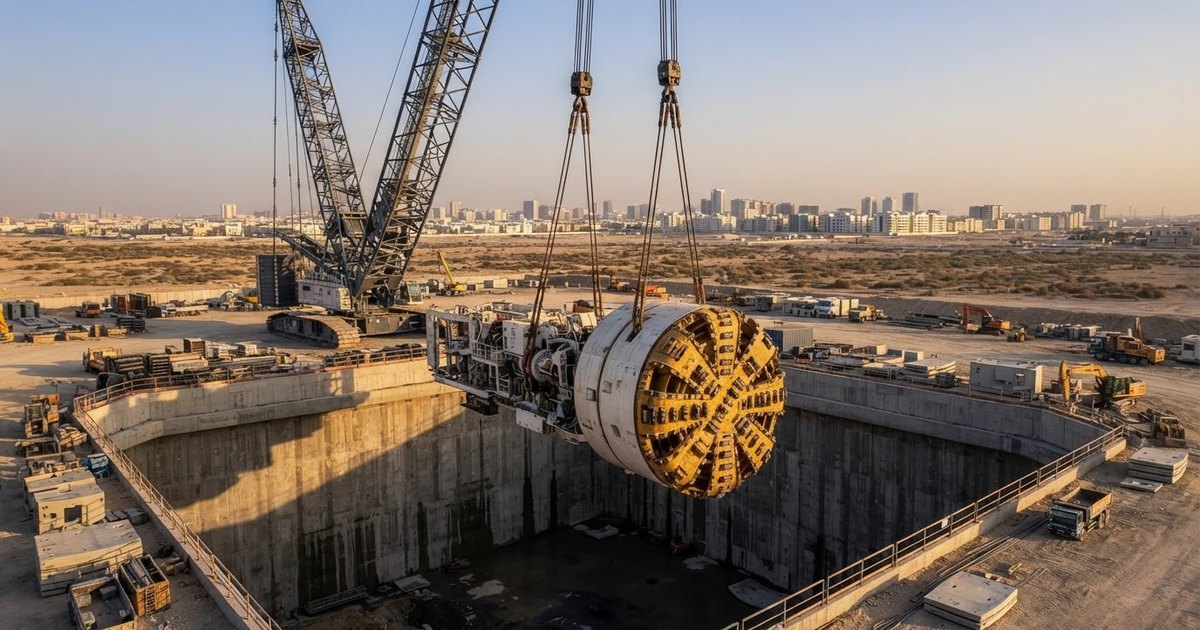
- Speed: the Prufrock boring machines dig about one mile per month, while their design target is about one mile per week.
- Fares: $4.50 per ride or $13 for a day pass.
- Self-driving: Tesla's Full Self-Driving software does not yet support every Loop route.
The cost per mile is the strong point
If the cost figure holds up, it is the most striking number in the list. Conventional subway projects in US cities are generally far more expensive per mile, although they are also built to carry far more people. The Boring Company keeps costs down by digging narrow tunnels sized for cars rather than trains, and by reusing its machines from project to project. That low cost is the core of its pitch to cities such as Las Vegas and Nashville.
The digging speed is the weak point
EV news site EVXL picked out the number that undercuts the pitch: the machines run at roughly a quarter of their design speed. A mile a week is what underpins the company's ambitious timelines, so a mile a month would push those plans out by years. Baier said the gap is a matter of logistics and reliability work rather than a redesign, and he sees a path to hundreds of miles of tunnel per year sooner than sceptics expect.
What the ridership figure really says
The 40,000 figure is a peak, not an average. EVXL compared it with the company's own total of more than 4 million passengers since the Loop opened in 2021, which works out at roughly 2,200 rides on a typical day, far below the top US transit systems. Independent tracker Tesorb put annual ridership at around 1 million earlier this year, with 5 to 10 million a year projected once the airport connector is included.
Both readings can be true at the same time. The Loop is built around conventions, so it is very busy on some days and quiet on others. The airport link is what could turn it into a daily transport service.
The Tesla link
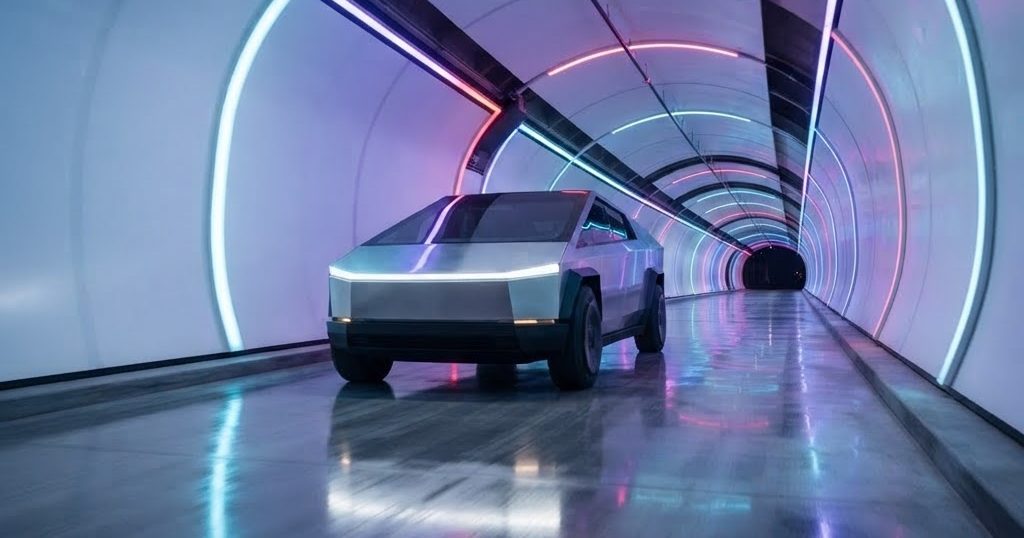
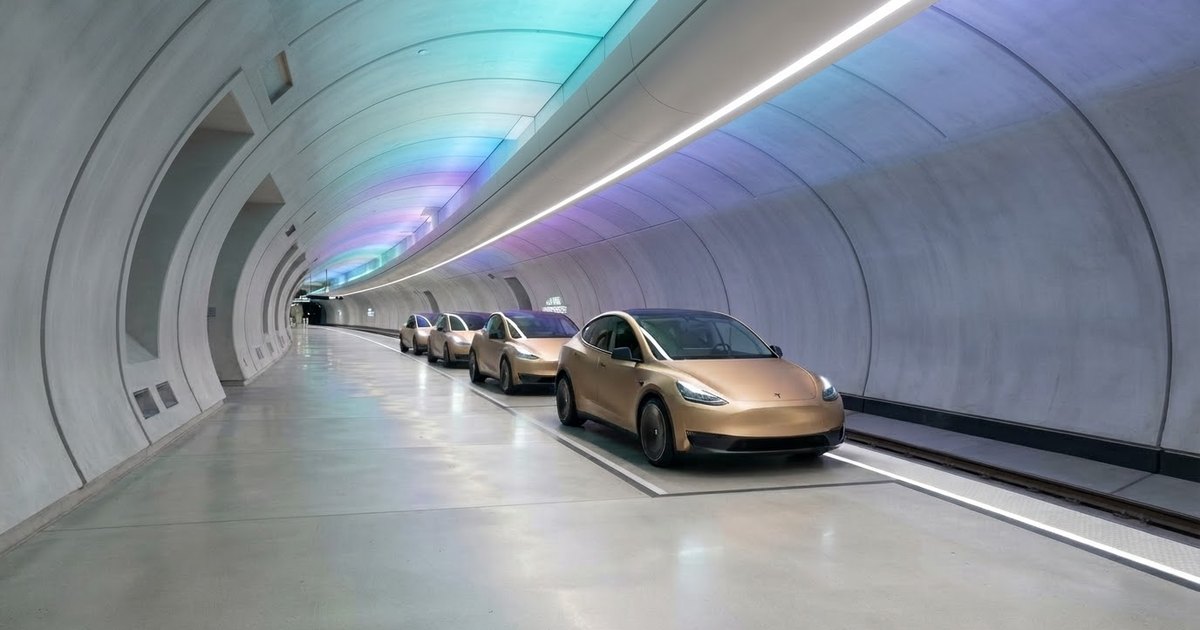
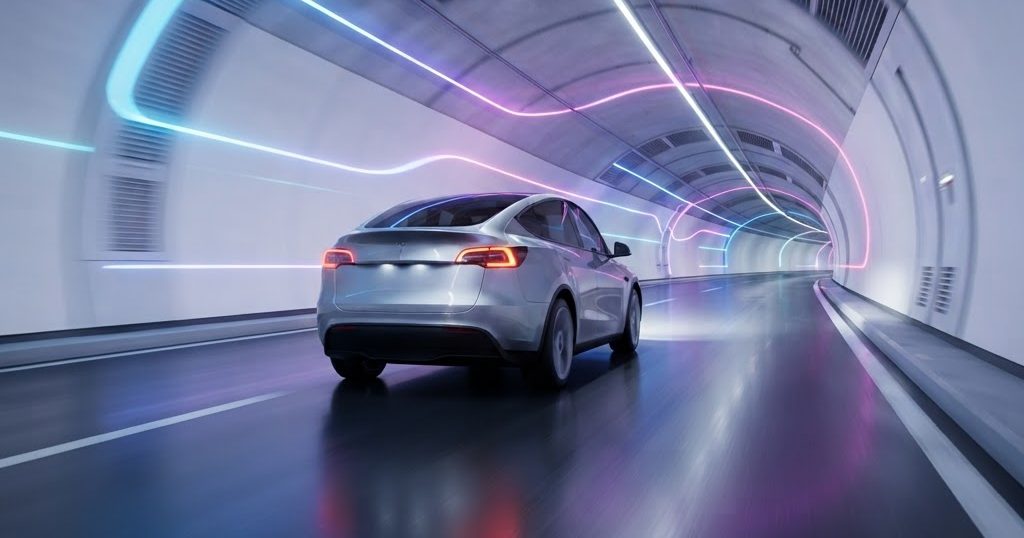
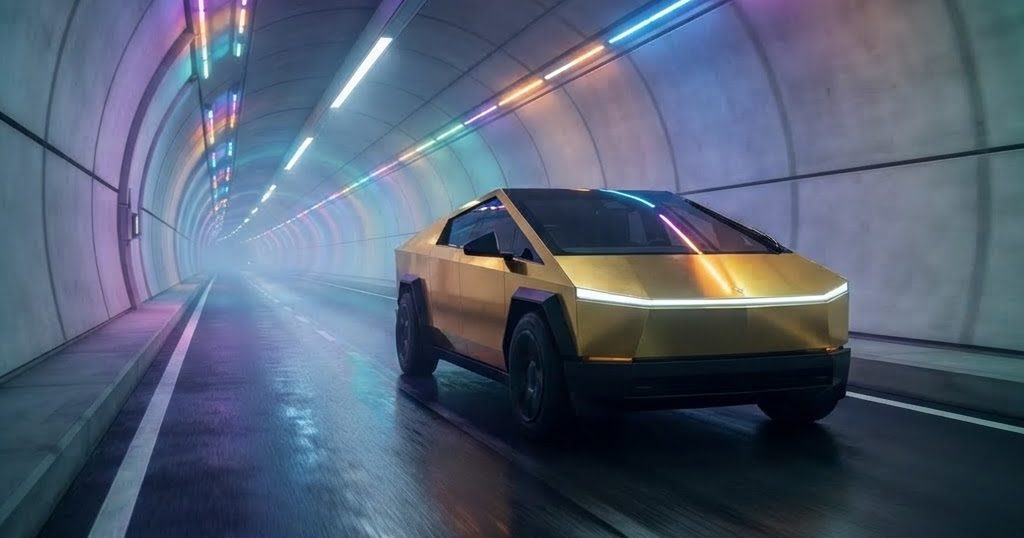
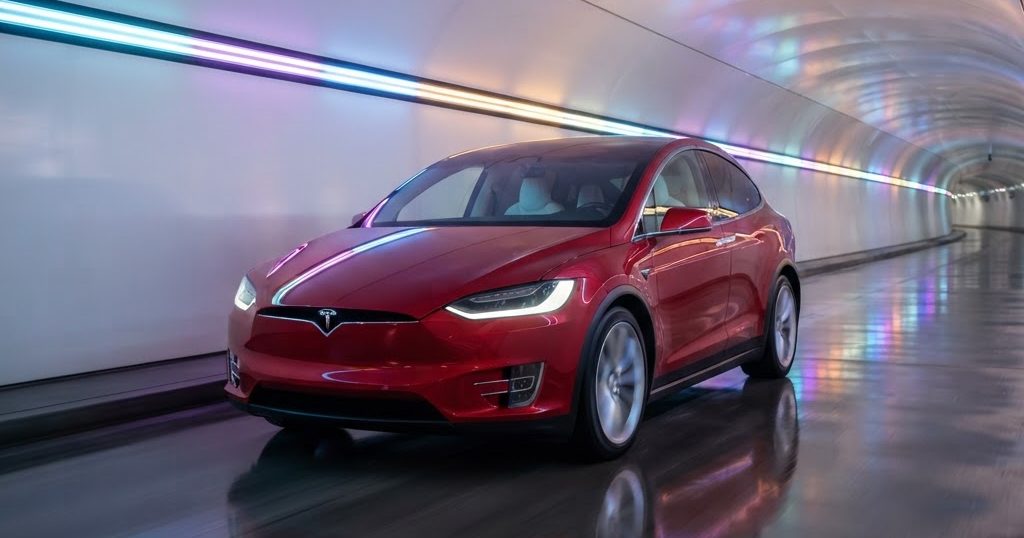
Every car in the Loop is a Tesla, and the network depends on Tesla in two ways. First, the fleet itself: Tesorb counted more than 100 Teslas and over 300 drivers in the spring. Second, the software. Baier's remark that FSD does not yet cover every route matters, because drivers are a big part of the cost of each ride. Removing them would change the economics far more than any fare increase.
For Tesla, the Loop is a small but very visible use case: a closed network where its cars and software run every day in front of convention visitors from around the world.
What to watch next
- Whether the airport connector opens on Baier's "few months" timeline.
- Any improvement in digging speed towards the one-mile-a-week target.
- Official ridership figures after the airport link opens.
- Progress on extending FSD to all Loop routes.