Neuralink participant plays GTA VI with his mind
On 20 November 2026 Neuralink posted a video of about two minutes in which a clinical-trial participant plays GTA VI with his brain implant, one day after the game’s worldwide release. The implants remain investigational and are not approved by the FDA or other regulators.
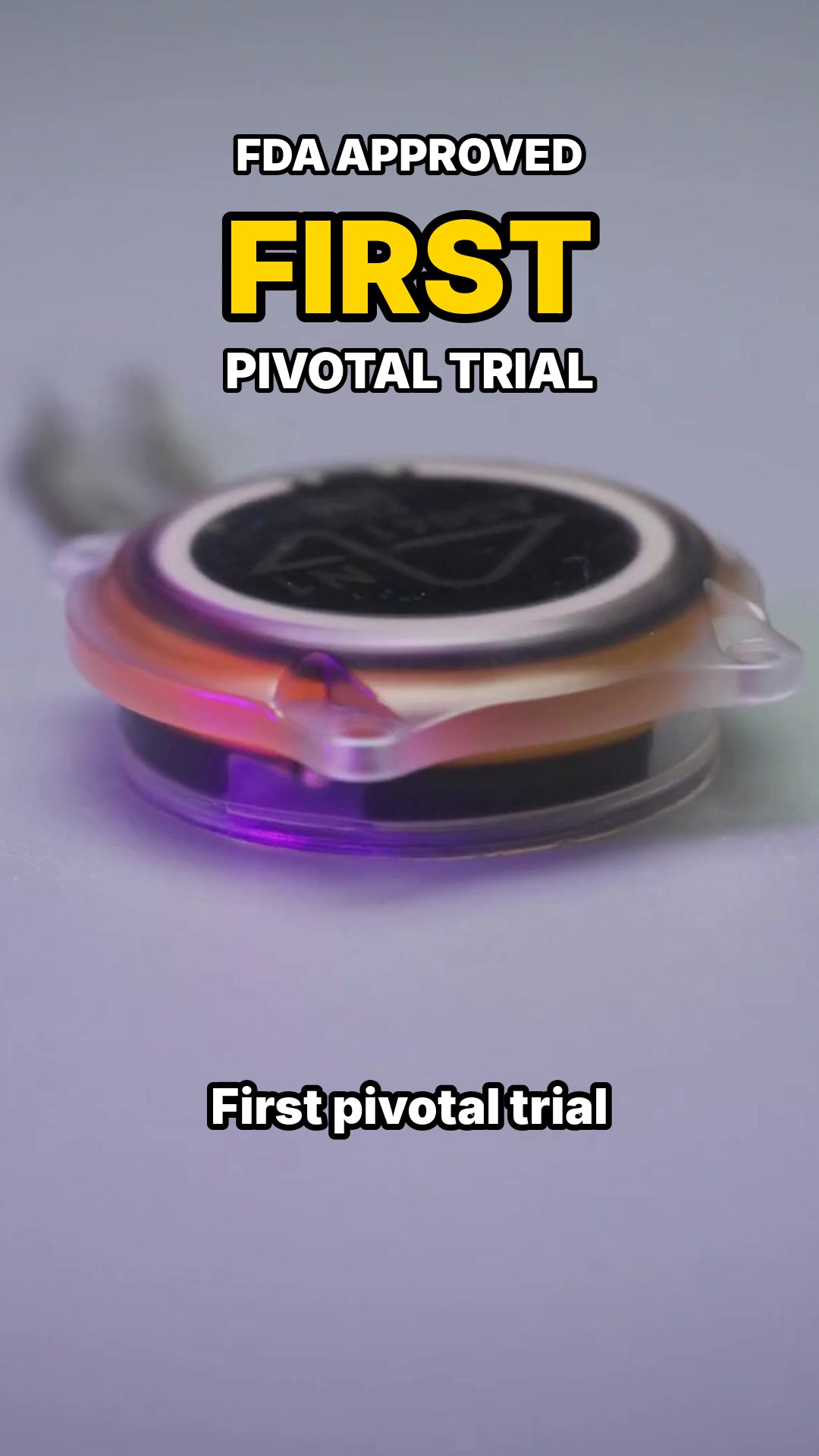
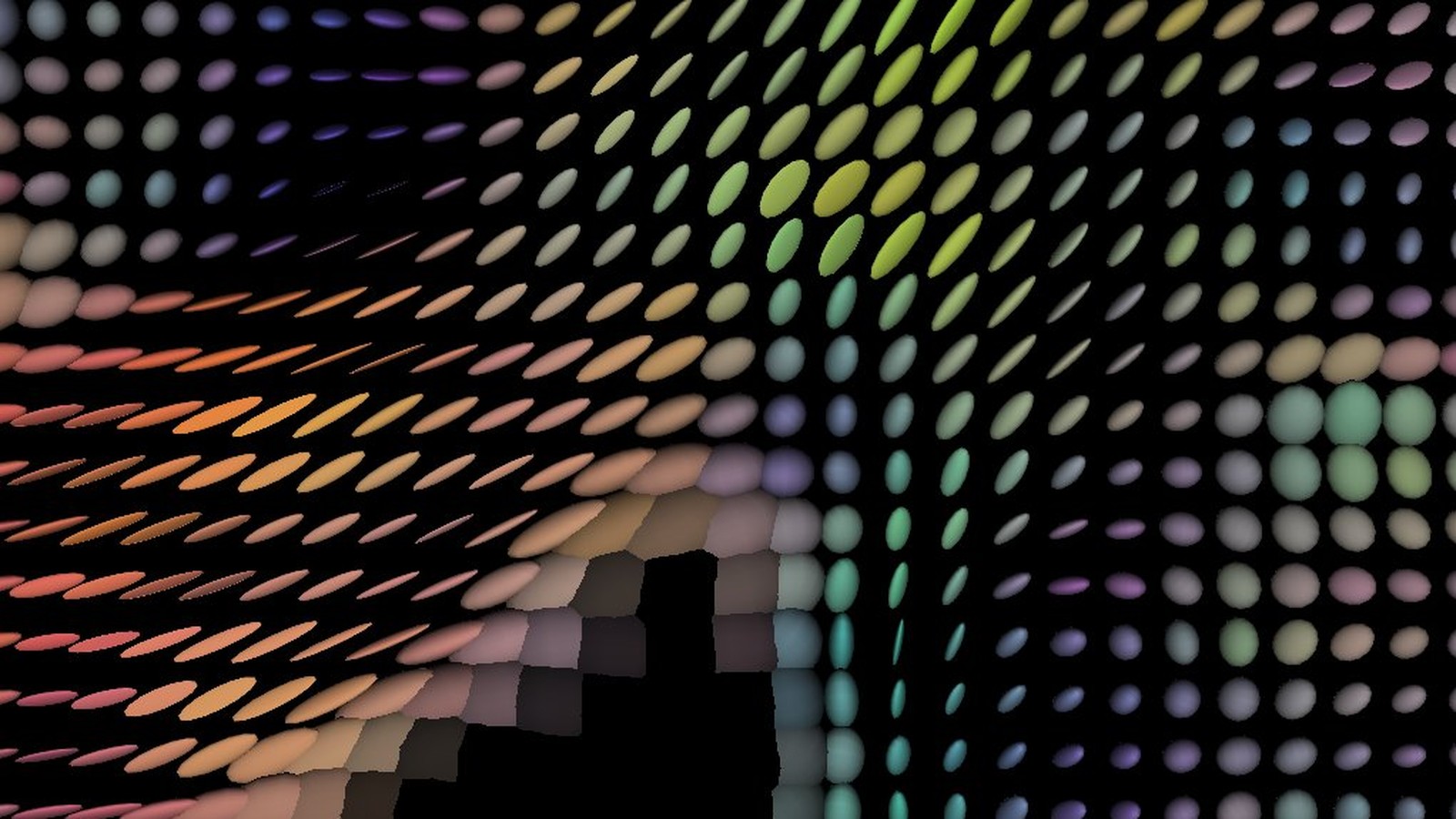
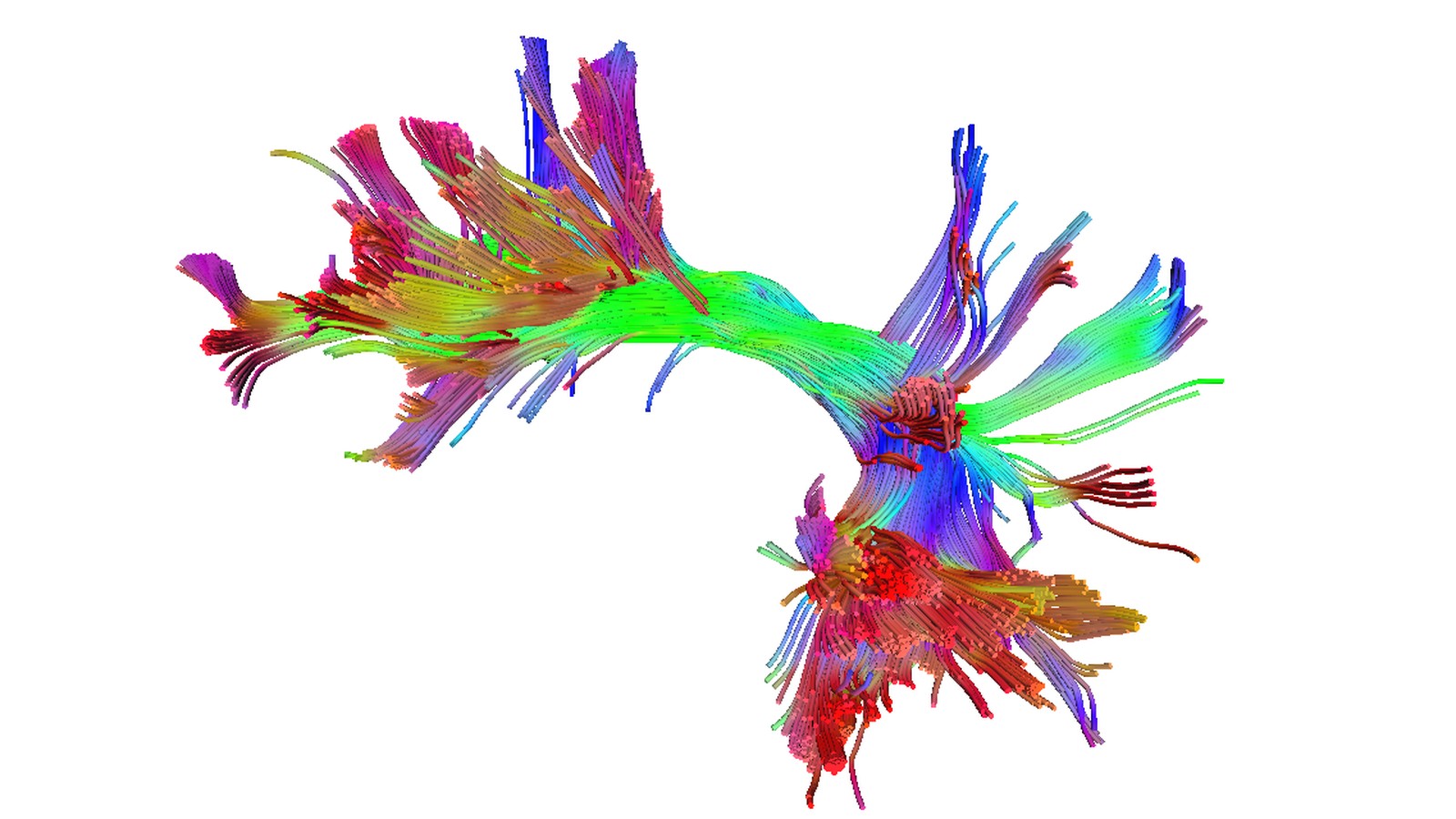
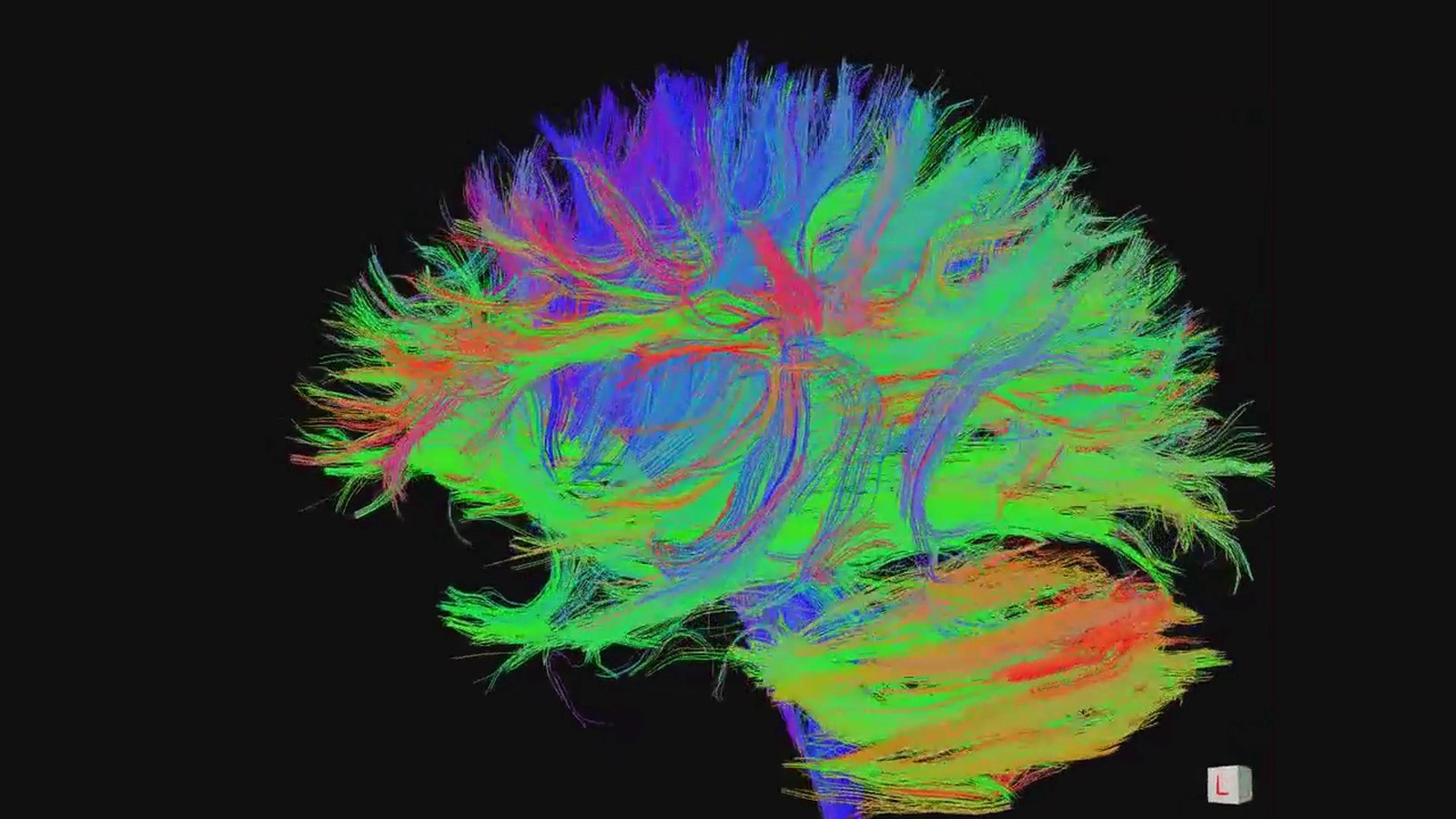
On 20 November 2026 Neuralink posted a video on X titled "Playing GTA VI with a Neuralink". The clip runs about two minutes. It shows a participant in a clinical trial playing Grand Theft Auto VI with his brain implant. Rockstar Games had released the game worldwide one day earlier, on 19 November 2026, for PlayStation 5 and Xbox Series X|S. Tesla North and Interesting Engineering both place the post on that date, the day after the release. The picture on this page is a diffusion tractography of nerve fibers in a human brain, from a 3-tesla MRI, shared under a Creative Commons licence. It is not a scan of this participant and not a frame from the video. The post is a demonstration of one person. Neuralink did not name him, and what the implant is doing has to be read from the frame.
What is on screen in the clip?
A speedboat under a bridge, a request to collect a package, and a corner of the screen for the player and his inputs. In the clip the player steers a speedboat under a bridge into a narrow tree-lined channel while the game tells him to collect a package. A corner of the screen shows the participant, a neural-decoding input dashboard and a controller graphic that lights up as inputs register. Tesla North and Interesting Engineering both describe that view. The boat goes under the bridge and on into the channel, with trees along it. The game’s line in that stretch is to collect a package. The corner of the frame is separate from the water: it shows the person, a dashboard of the neural decoding, and a graphic of a controller. The graphic lights up as inputs register. The lit graphic shows that inputs are arriving. The reports go on to describe how an imagined movement becomes a controller input.
So how does an imagined movement become a button?
The implant decodes imagined finger, hand and foot movements and turns them into game-controller inputs. Tom’s Hardware and Runtime Wire describe that mapping for this demonstration. An imagined tap of the ring finger triggers a button. Imagining a slide of the right hand forward pulls an aircraft’s nose up. Those are the examples the two reports give. A tap and a slide are two imagined movements, sent onward as two different controls. One becomes a button press. The other becomes a pull that brings an aircraft’s nose up. Finger, hand and foot are the kinds of movement the reports say the implant decodes. The participant’s own comment is about how many imagined button inputs he had to remember while he played.
What did he say about playing?
Controlling the game was hard, because he had to remember many imagined button inputs. That is his account of the session, as Tom’s Hardware and Runtime Wire report it. Before the implant he used a mouth stick and an iPad, which made his jaw sore. The two reports set that earlier setup next to the implant. The mouth stick and the iPad are what he used before. The soreness was in his jaw. With the implant, the difficulty he describes is memory: many imagined button inputs, held in mind while the game is running. The account is about this one person and this way of playing. A name is still not attached to it.
So who is the participant?
Neuralink did not name him. Tesla North, Interesting Engineering and Tom’s Hardware all describe the participant as unnamed. This article does not add a name, and it does not add an online handle. The person in the clip is a participant in a clinical trial, shown playing one game on the day Neuralink posted the video. The clip runs about two minutes. It is one demonstration, of one implant, by one unnamed participant. The status of that implant with regulators is a separate fact from the video.
Are Neuralink’s implants approved?
No. The implants are investigational, and they are not approved by the FDA or other regulators. Tesla North and Interesting Engineering both state that limit. A video of one clinical-trial participant playing GTA VI does not change it. The game reached PlayStation 5 and Xbox Series X|S on 19 November 2026. The post on X followed on 20 November, about two minutes long, under the title "Playing GTA VI with a Neuralink". Those two days show a new game, and then a demonstration of one implant inside a trial. They do not show a device the FDA or another regulator has approved.
Sources (4)
- Tesla North — Neuralink posts a clip of a trial participant playing GTA VI with a brain implant, 20 November 2026
- Interesting Engineering — Neuralink shows a brain-implant clip of GTA VI, 20 November 2026
- Tom's Hardware — A Neuralink trial participant plays GTA 6 with imagined movements
- Runtime Wire — Neuralink shows a trial participant playing GTA VI a day after launch
Photos: jgmarcelino, CC BY 2.0, via Wikimedia Commons. Diffusion tractography of nerve fibers in a human brain, from a 3-tesla MRI. Not a scan of the participant and not a frame from the video; Fang-Cheng Yeh, Timothy D. Verstynen, Yibao Wang, Juan C. Fernández-Miranda and Wen-Yih Isaac Tseng, PLoS ONE (2013), CC BY 2.5, via Wikimedia Commons. Tractography panel of the arcuate fasciculus, a language pathway, cropped from the figure. Not a scan of the participant. Other images are illustrations; some are made with AI.