Neuralink built speech tools in 72 hours
On 29 October 2026 Neuralink described a 72-hour visit to the home of one VOICE participant, where engineers prototyped hands-free speech tools and tested them with him. The devices remain investigational.
On 29 October 2026 Neuralink published an engineering note about 72 hours spent with one participant in its VOICE study. Engineers worked at his home, with his wife there, and tried to prototype as many features as they could for communicating with thought, then test each one with him. Neuralink does not name the participant or his wife. The post says the devices are investigational and have not been approved by the FDA or other regulators, and that one person’s experience may not reflect other participants or later results.
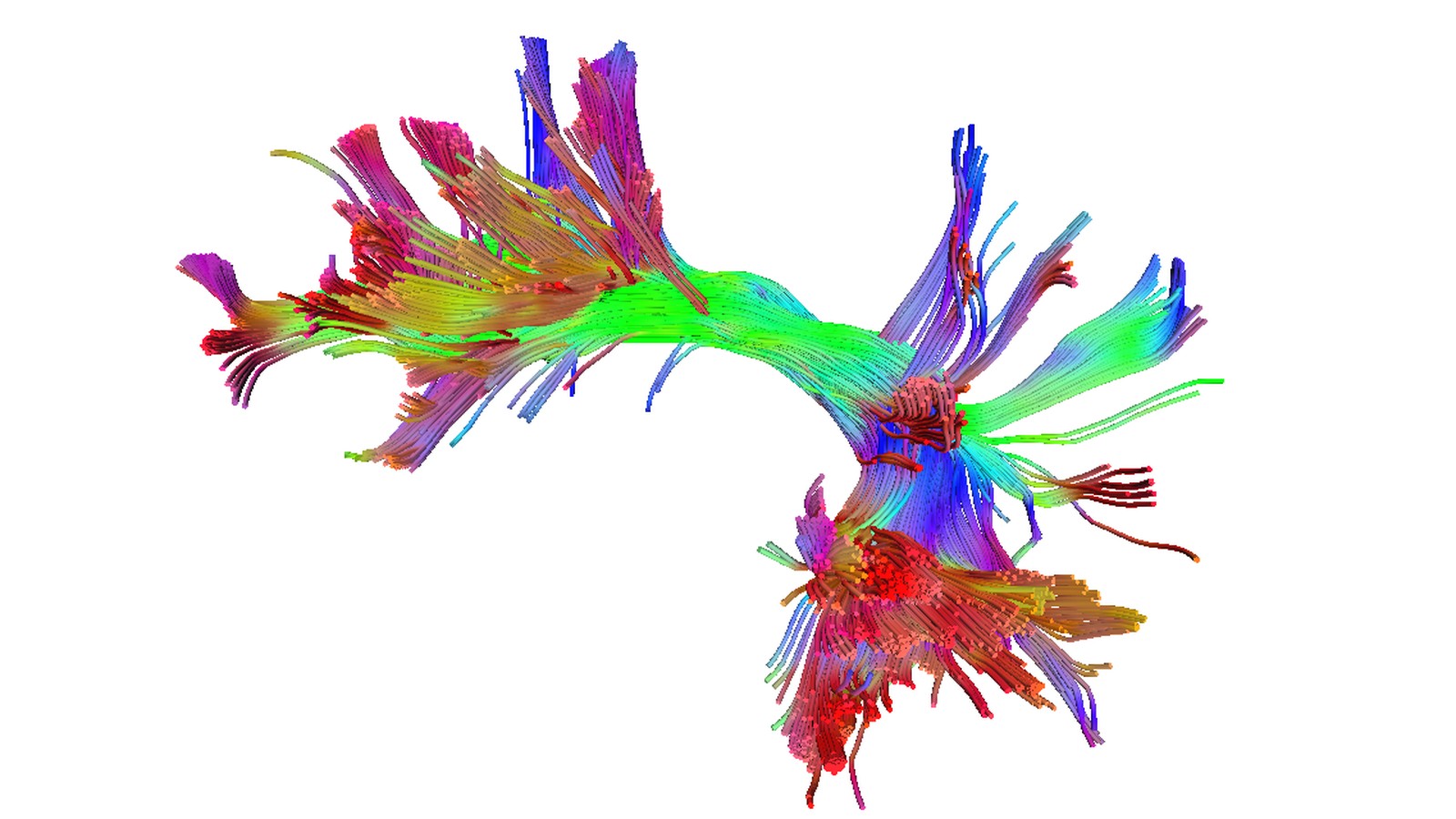
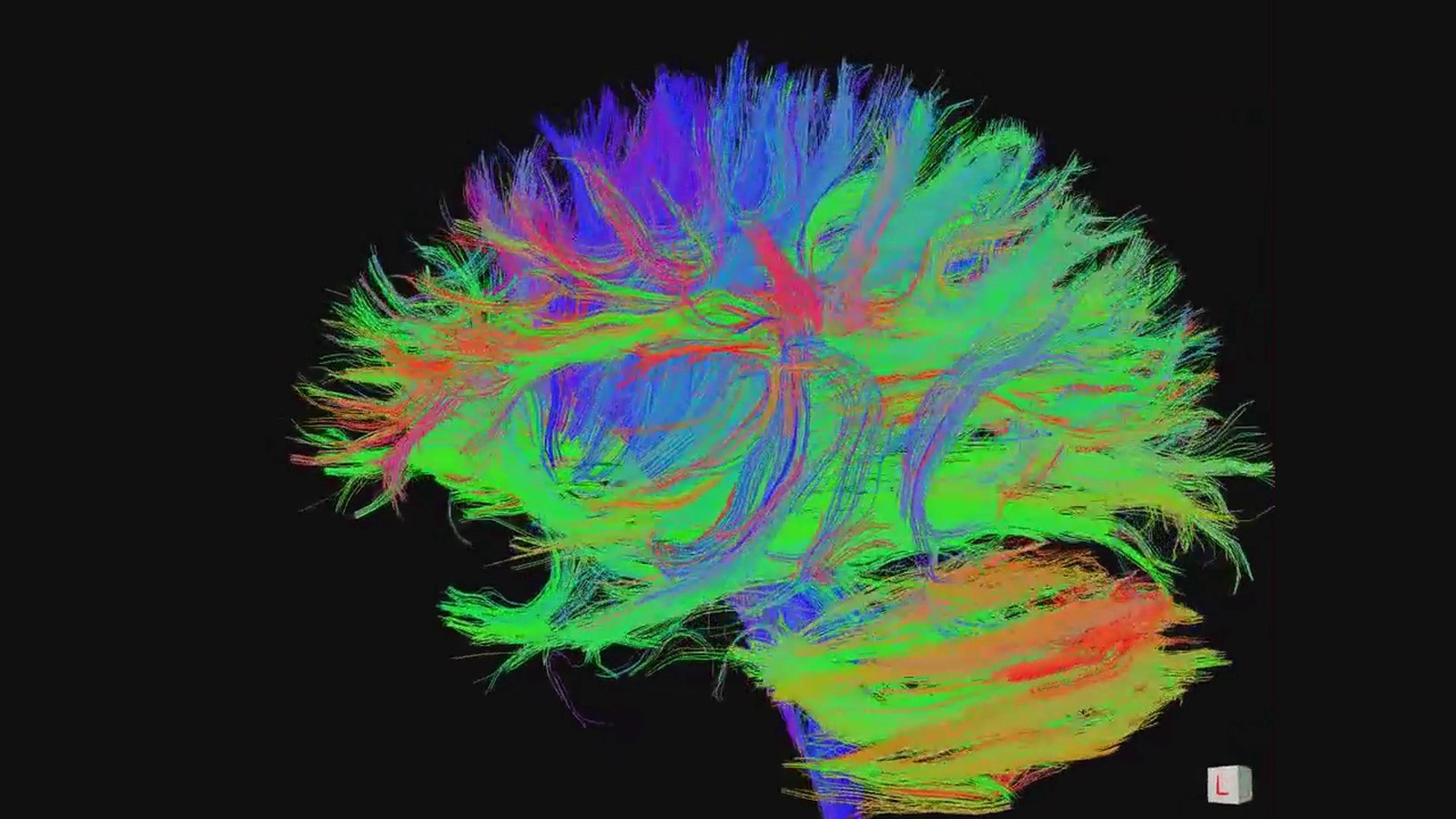
The picture is a diffusion tractography of nerve fibers in a human brain, made from a 3-tesla MRI and shared under a Creative Commons licence. It is not a scan of this participant and not a picture of the visit.
What did they build in the house?
Eight prototypes, tried with one user, not a product launch. Neuralink lists them in order:
- Voice detection: decoding used to need a button to start and stop. They built a detector that starts and stops when it judges the person is trying to speak.
- Live signal views: pictures of how strong the implant’s signals are, so the participant could try different imagined speaking patterns and see which ones produced more activity.
- A computer agent: a prototype that triggers a Grok agent when the person thinks of saying “Hey Neuralink” and then a task. Neuralink calls it an early illustration. The agent then carries out the task on the computer.
- The Bloom app: Neuralink’s mobile speech app. The visit was a chance to watch it in daily use outside a lab, including, in one figure, ordering coffee in public.
- An iOS keyboard: dictation from the implant routed into any app, so the person does not have to switch modes. Neuralink says the screen recording of this keyboard shows the interface after more work in the weeks after the visit.
- Faster corrections: editing tools that put the decoder’s own suggestions in the keyboard. Neuralink says decoders still make mistakes, and that this recording also shows later iteration. It calls the change a large improvement over the first version of Bloom, and says more remains to be optimized.
- The lock screen: Bloom as an iPhone Live Activity, so speech can start without unlocking the phone and opening an app. That recording, too, is from after the hackathon.
- Phone calls: speech from the implant is injected into the call’s microphone stream. They also tested an optional opening line, such as “This call is from someone using an assistive communication device.”
So what was the point of going to the house?
The engineers do not have an implant, so they cannot feel a bad design themselves. Neuralink writes that the input to a speech interface is a person’s own neural activity, and that it changes with fatigue, attention, and the way someone imagines speaking. Small frictions, such as how long a recording takes to start, how hard a mistake is to fix, or whether the phone must be unlocked first, decide whether someone reaches for the tool. The company says that is hard to judge from remote data, and that sitting next to the participant compressed weeks of feedback into hours. Ideas that failed were dropped in the same sitting. The participant, his wife, and a caregiver are described as collaborators: they opened the home, gave direct feedback, and suggested ideas.
One moment in the post is personal, and it is told by Neuralink, not by a named interview. The company says the participant and his wife started their relationship over phone calls, and that watching them joke on a call again was a memorable part of the week. That is an account of one household. It is not a measured outcome.
What should we watch for next?
Whether any of the eight leave this one house. The post is a build log. The useful checks are narrow:
- Who else gets them: voice detection, the keyboard, the lock-screen control, and call injection are described for this participant. Neuralink does not say they are available to every VOICE participant.
- The agent: “Hey Neuralink” plus a Grok task is labeled an early illustration, not a finished feature.
- The recordings: three of the screen captures are explicitly later than the 72 hours. A clip is not the same thing as the build from that week.
- Approval: the note repeats that the devices are investigational. A home demo does not change that.
The concrete news is the list itself: in three days at one kitchen table, Neuralink prototyped hands-free start and stop, a keyboard, a lock-screen control, and a path into a phone call, and it says the user was in the room while they did it.
Sources (1)
Photos: jgmarcelino, CC BY 2.0, via Wikimedia Commons. Diffusion tractography of nerve fibers in a human brain, from a 3-tesla MRI. Not a scan of the participant. Other images are illustrations; some are made with AI.