Neuralink opens a US trial after stroke
Neuralink’s PRIME2 study, posted on ClinicalTrials.gov on 10 November 2026, is recruiting adults with spinal cord injury, ALS, or chronic ischemic stroke. The registry lists no implants and no results yet.
Neuralink has listed a new early feasibility study in the United States that adds chronic ischemic stroke to the conditions it will test with its N1 implant. The public record, study NCT07929792, carries the acronym PRIME2 and the protocol id N1-EFS-300. ClinicalTrials.gov first posted it on 10 November 2026, after Neuralink submitted it on 28 October and it passed a quality check on 5 November. The status is recruiting. The record does not report any completed implants or any results.
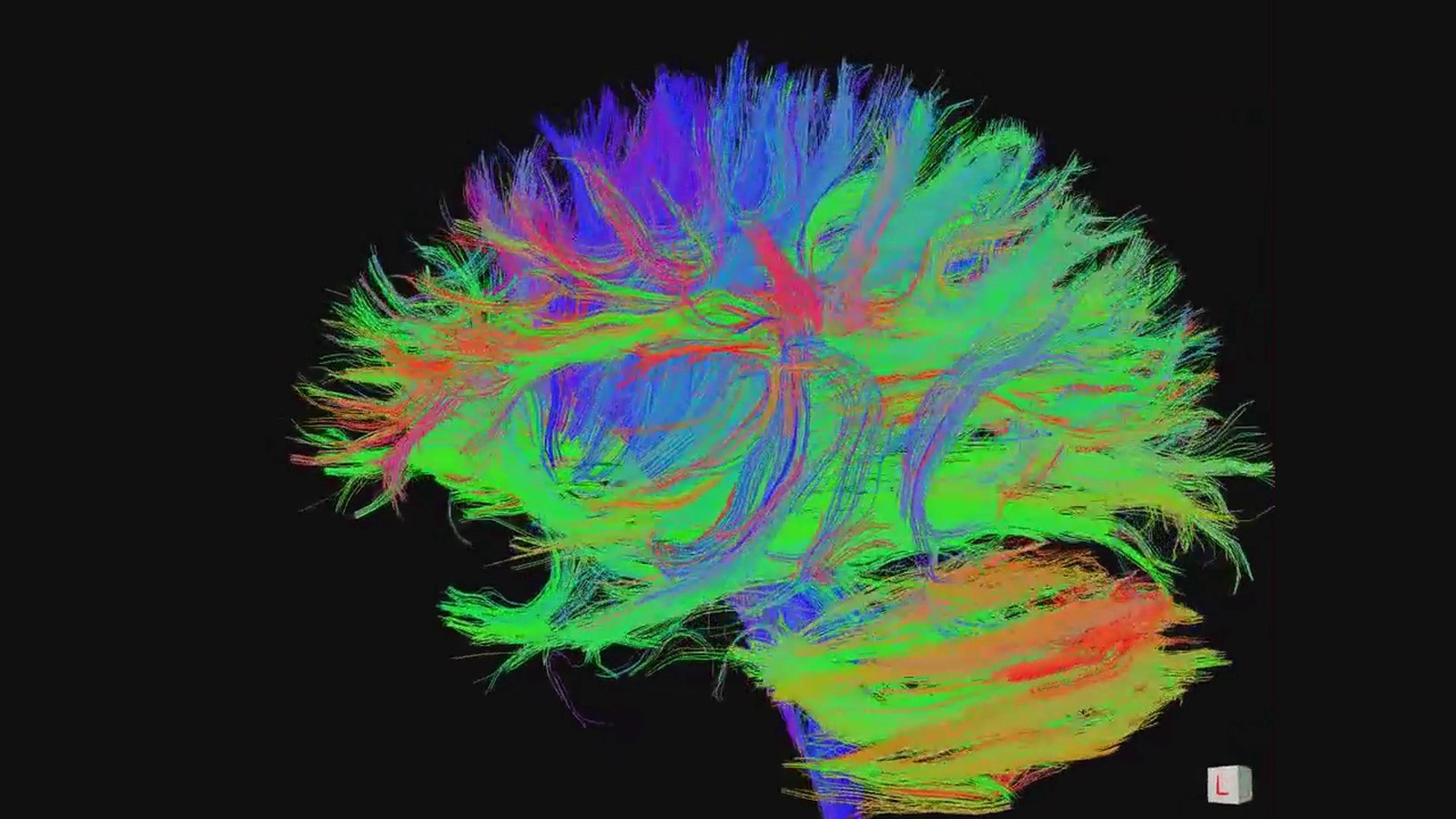
The picture is a color diffusion MRI of a human brain, made by Thomas Schultz and shared under a Creative Commons licence. The colors show the direction of water movement through the tissue. It is not a scan from PRIME2 and not a picture of Neuralink’s implant.
What is PRIME2?
A single-group test of the N1 implant, placed by the R1 robot. Neuralink Corp is the sponsor. The official title is an early feasibility study of a robotically implanted brain-computer interface for neural control of an external device, in spinal cord injury, amyotrophic lateral sclerosis, and chronic ischemic stroke. The registry says the N1 system is a fully implanted interface placed in the motor cortex by the R1 robot, which it describes as a robotic inserter for the implant’s electrode threads. The study builds on a previous clinical investigation of the same system. Participants would use neural signals from the implant to control a computer cursor or a virtual keyboard. There is no comparison group. Each person’s later results are compared with their own baseline.
So who can join?
Adults with severe weakness in the arms and hands. The minimum age is 18. The registry accepts all sexes and does not accept healthy volunteers. Inclusion is limited to adults with ALS, a spinal cord injury, or a chronic ischemic stroke whose weakness limits independent use of a computer or phone. They also need a stable medical, physical, and psychological condition, and they need to be able to communicate verbally or with an aid. A caregiver has to be available when daily support is needed. The listed conditions also include tetraplegia and tetraparesis.
The exclusions are specific. They include a body mass index above 40, poorly controlled seizures or epilepsy, a need for MRI because of an ongoing condition, a prior brain implant or another active implanted device, a psychiatric disorder or cognitive impairment, a recent heart attack or cardiac arrest, and blood thinners that cannot be paused for surgery. A brain MRI or CT that shows hemorrhage, a tumor, or distorted or adverse anatomy is also a reason to be left out, as is any condition the investigator judges unsafe for the surgery.
Where is it recruiting?
Only the University of Miami is listed, and the start is still an estimate. The record says up to 10 participants will be enrolled at up to five sites in the United States. As posted, the only location is the University of Miami in Miami, Florida, marked recruiting. The estimated start is November 2026. Primary completion is estimated for November 2027, and the study completion date is estimated for November 2031. People are to be followed for about two years after implantation, or about three years if they choose extended follow-up. The registry does not name a principal investigator.
What will the study measure first?
Serious adverse device effects through the 90-day visit. That primary measure covers effects from the day of surgical implantation through the 90-day follow-up, in everyone who receives the implant. The study will also describe digital daily activities, computer-control performance, independent use of the system, and outcomes reported by the participant, a clinician, and a caregiver. Those are descriptions of an investigational device study. They are not evidence that the implant already works for stroke.
What should we watch for next?
Whether anyone is implanted, and whether more sites open. A recruiting listing is not a result. The points that would change the story are straightforward:
- Enrollment: whether the University of Miami, or a later site, actually implants a participant under PRIME2.
- Sites: the record allows up to five US sites, and only one is listed now.
- Safety: the first public description of serious adverse device effects, which the protocol puts at the 90-day visit.
- Scope: stroke is new in this listing, beside spinal cord injury and ALS. The registry still frames the work as early feasibility, not an approved treatment.
Until Neuralink or the sites publish outcomes, PRIME2 is a plan on a public registry, with a start date that is still marked estimated.
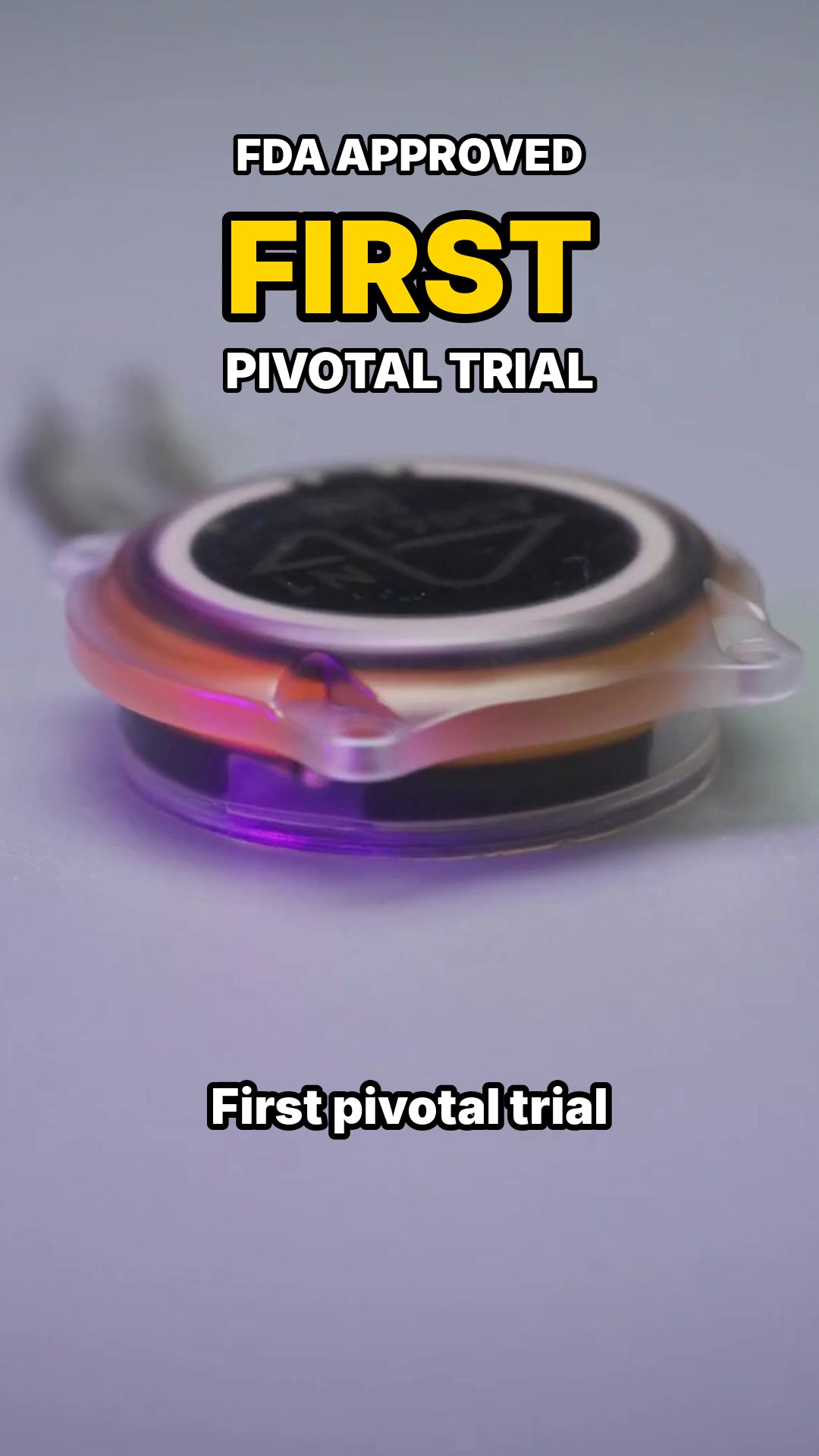
Photos: Thomas Schultz, CC BY-SA 3.0, via Wikimedia Commons. Color diffusion MRI of a human brain slice, cropped to a wide frame. Not a scan from this study and not Neuralink’s implant. Other images are illustrations; some are made with AI.