Sleeping while FSD drives is still not allowed
Grok can plan your route and Tesla FSD can drive it, but you may not sleep at the wheel. What each system does, why napping is not allowed yet, and when it could be.
Ask Grok for a quiet route to the coast and your Tesla plans it. Tap Start Self-Driving and FSD (Supervised) drives it: the turns, the lane changes, the roundabouts. Tesla is also working on letting you talk to FSD directly, with commands like "turn right here". It starts to sound like having a chauffeur, and some drivers already treat it that way: last month a driver in California told police he had been asleep with FSD engaged when his Tesla hit a parked patrol car. The pairing of Grok and FSD feels like a self-driving car, but the two systems do very different jobs.
What does Grok actually do in your Tesla?
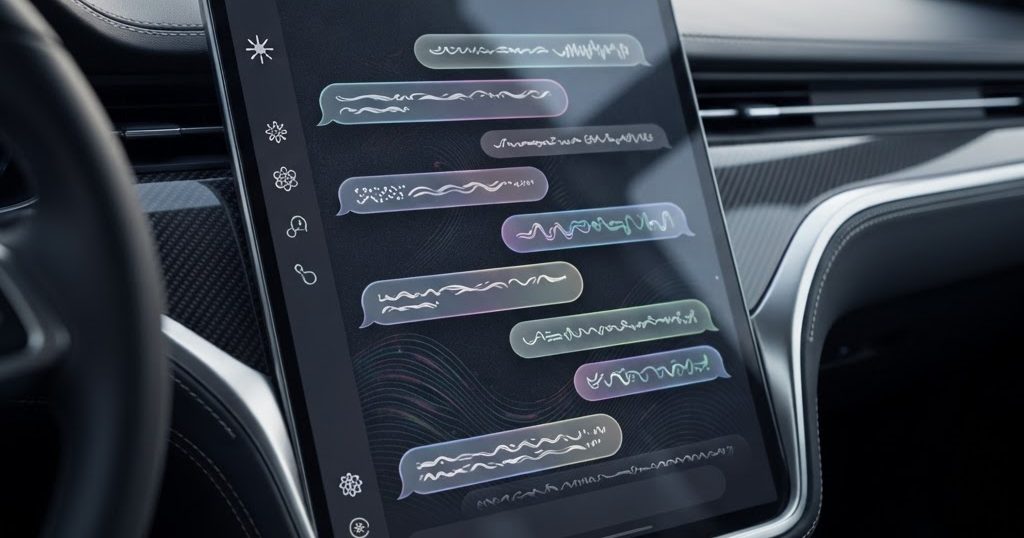
It plans and talks; it does not drive. Grok is the AI assistant from xAI, built into Tesla's software since the summer of 2025 in the US and now available across Europe too. Since the 2025 Holiday Update it can handle navigation in plain language, and later updates gave it more control over the cabin. Things it can do today include:
- Vague destinations: describe a place you barely remember, and it tries to find it.
- Nearest stops: "the nearest charger" or a coffee stop as a waypoint before your destination.
- Route style: ask for a scenic, winding route or a simple, low-stress one.
- Car functions: calls, music, climate, and since the summer 2026 update owners report mirrors, wipers, seat heating and the glovebox.
- Reminders: location-based reminders and the hands-free "Hey Grok" wake word, added in the 2026 Spring Update.
Grok never touches the steering wheel or the brakes. Turning its plan into an actual drive is the job of a completely separate system.
So what does FSD do with Grok's plan?
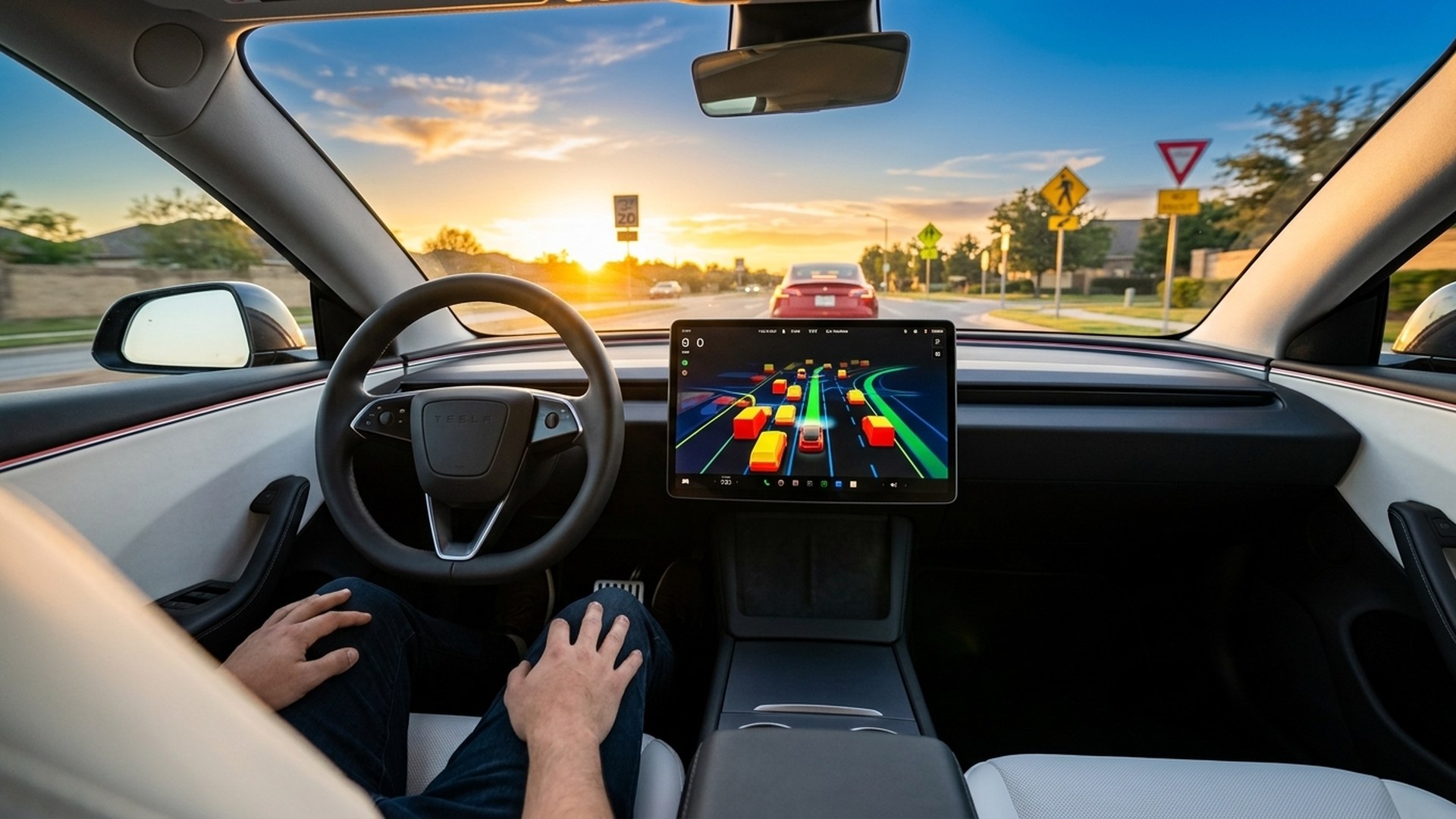
It drives the route, while you supervise. FSD (Supervised) follows whatever is in the navigation. It steers, brakes, changes lanes, takes junctions and roundabouts and can park at the end. So in practice Grok picks the where, and FSD handles the how.
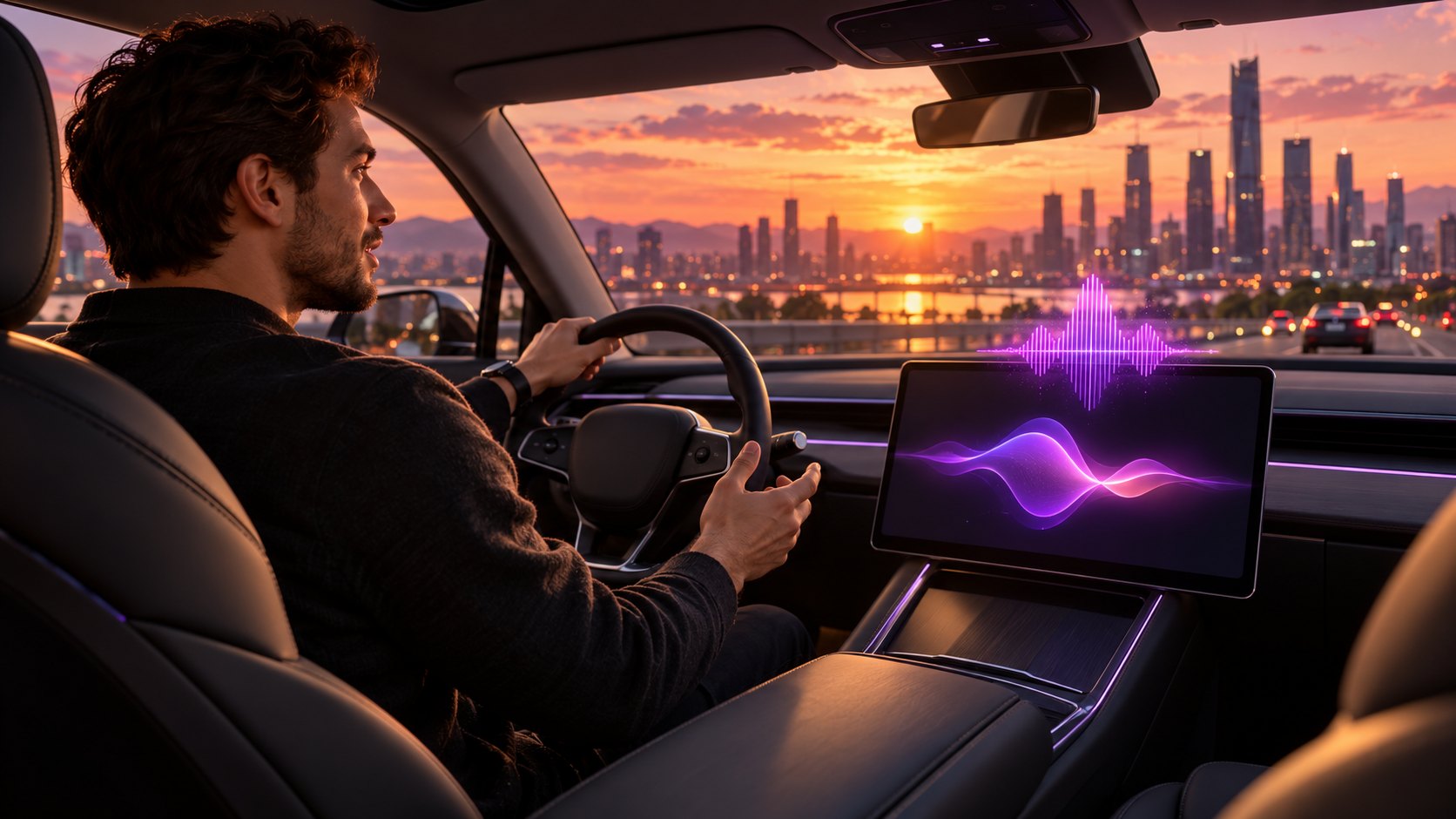
The link between the two is meant to get much tighter. In June 2026 Elon Musk said voice control of FSD through Grok would arrive "in about 3 months or so", and in July Tesla's AI chief Ashok Elluswamy replied "Working on it" to an owner who wanted to direct the car to a specific driveway by voice. On its October 2026 earnings call Tesla also said it is building its own AI-based maps, starting with FSD v15. Until such features appear in the release notes in your own car, treat the timing as a statement, not a fact. But even a car that takes spoken orders and drives the whole route still needs someone awake behind the wheel.
Why is napping not allowed yet?
Because you are still the driver, legally and technically. FSD (Supervised) is a level 2 driver-assistance system. Tesla's own support page states that the current features "do not make the vehicle autonomous" and that you are responsible for the speed and control of the car at all times. A cabin camera checks that you watch the road. Ignore the warnings and FSD switches off for the rest of the trip; collect too many of these strikeouts and the feature is suspended for a week.
The Fairfield crash shows why. The driver's account that he was asleep has not been confirmed by the car's data, but two officers were seriously hurt, and the California Highway Patrol held the driver responsible, not Tesla. Musk said in late 2025 that FSD would allow texting "depending on context" of the traffic around you. Even then, the liability stays with the person behind the wheel. Compare that with Mercedes-Benz Drive Pilot, a level 3 system: on certain California highways, below 40 mph and in good conditions, Mercedes takes responsibility while it drives. Sleeping only becomes possible when the car, not the person, is the one responsible.
So when could napping be allowed?
Only when FSD becomes unsupervised, and that is decided place by place. Several things have to happen first:
- Proof: enough data from enough miles to show the system is safer without a human backup, in rain, at night and at road works.
- Regulators: in the US the rules differ by state; in Europe only the supervised version has been approved so far, country by country.
- Liability: Tesla, not the driver, has to accept responsibility while the car drives.
- Geofences: it will start in mapped zones, not everywhere at once.
Tesla has said when it hopes to start. On the October 2026 call, Elluswamy said the first customer cars could drive unsupervised inside Tesla's Robotaxi zones "somewhere around Q2 next year", so around the spring of 2027. Tesla has missed many self-driving deadlines before, so this is a target, not a promise kept. There is, however, one place where people already ride with nobody at the wheel.
Where do Teslas already drive with nobody at the wheel?
In Tesla's own Robotaxi service. Since January 22, 2026, some Robotaxi rides in Austin have had no safety monitor in the car at all, and Tesla says the service now runs in six US cities. In Austin riders can also hail the Cybercab, a two-seater without a steering wheel or pedals. Here the car is the driver, and Tesla is the operator, so a passenger can read, watch a film or, yes, doze off. Tesla even added a Calm Mode that dims the screen and cabin lights.
That is the real difference: the software is closely related, the rules are not. In a Robotaxi you are a passenger. In your own Tesla, you are the driver until Tesla and the regulators say otherwise.
What does this mean for you as a Tesla driver?
Let Grok plan, let FSD drive, and keep your own eyes on the road. Talking to the car is a safe way to set a destination or change a route without fiddling with the screen. But the cabin camera, the strikeouts and the law all assume one thing: an awake driver ready to take over at any moment. Grok can do the mapping. For now, the napping belongs in a car with no steering wheel.
Sources (4)
- Tesla — Full Self-Driving (Supervised) support page
- Not a Tesla App — First look at navigation commands with Grok in Tesla's Holiday Update
- Not a Tesla App — Musk: Tesla FSD to get Grok voice controls this fall
- Not a Tesla App — Tesla to launch unsupervised FSD, let owners join Robotaxi network in Q2 2027
Images are illustrations; some are made with AI.