DeepSeek opens its chat tools
DeepSeek said on 13 November 2026 that a full set of application APIs is available on deepseek-flash, and that a demo chat client is open source.
DeepSeek’s API changelog, dated 13 November 2026, says the company is releasing the full suite of application APIs on deepseek-flash. The note covers the Messages interface, the Responses interface and Chat Completions. The tools named there are web search, deep thinking search, file input, reading a URL and a safety check. Standalone Search, Fetch, OCR, speech recognition and speech synthesis are listed as well. DeepSeek also says it has open-sourced a demo chat client.
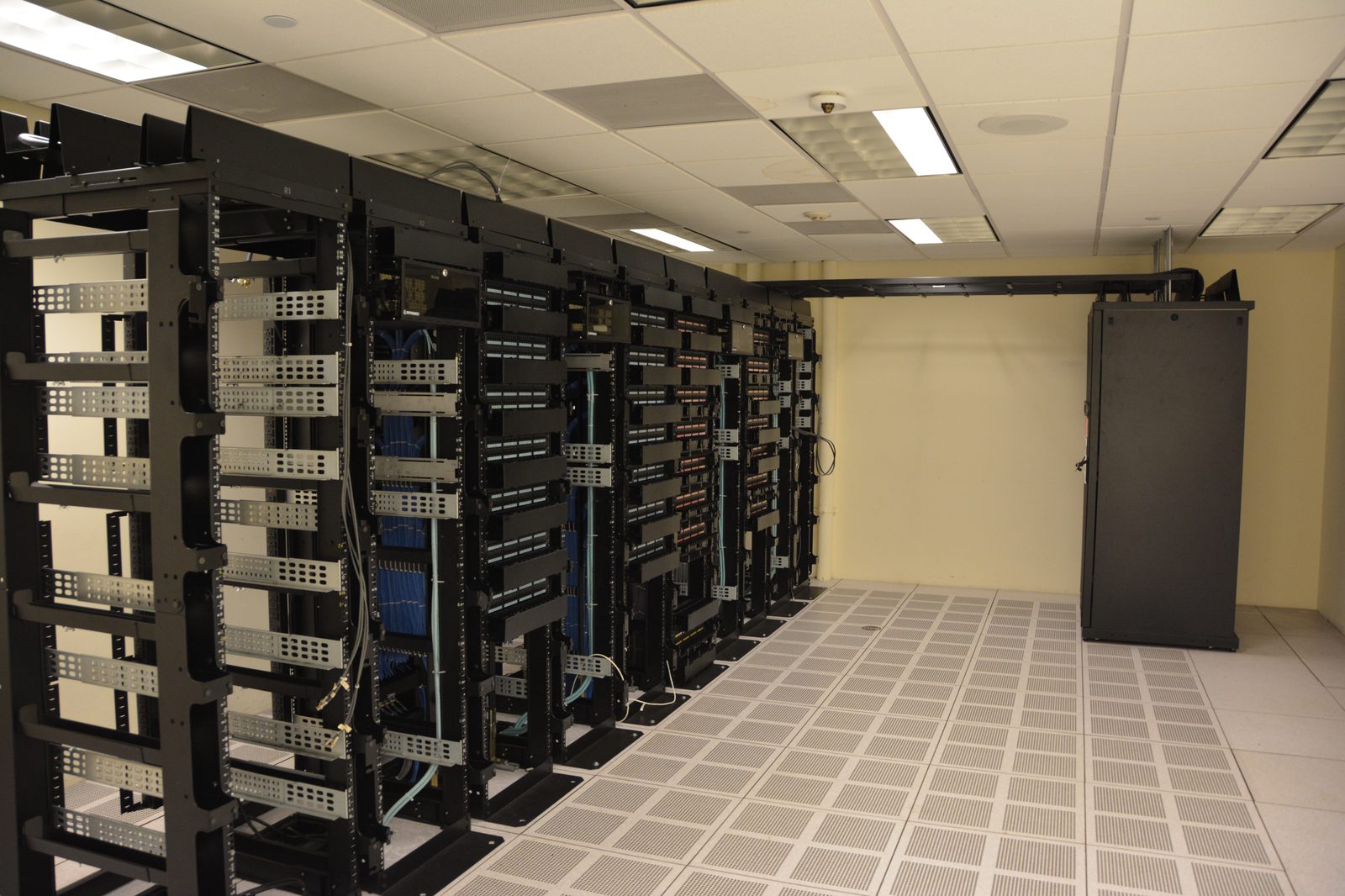
The picture is a row of server racks in a data centre, photographed by Carl Lender. It is not a DeepSeek machine, not a DeepSeek office and not a photograph of the changelog.
What did the note actually ship?
Interfaces and tools, not a new parameter count. The update does not state a model size. It does not state a price. It does not state a benchmark rank. It says the application APIs sit on deepseek-flash, and that a demo client is open source. A changelog line is a release note. It tells a developer which calls exist. It does not tell that developer that those calls beat anyone else’s search, file reader or speech stack.
The list is still specific. Web search and a separate “deep thinking” search are two entries, not one. File input and URL reading are ways to put outside text into the call. The safety check is named as its own step. OCR, speech recognition and speech synthesis are the standalone tools, which means the note presents them as calls of their own, not only as features buried inside chat. The open-source demo client is code a developer can read. The note does not say the model weights are open. A client that shows a chat box is not the same object as the weights that answer it.
So what is missing if the month is being scored?
A number both sides agreed to measure. The same stretch of November brought public posts from Google, Anthropic, Alibaba and Meta. Google’s Carbon post names three benchmarks and a token price. Anthropic’s Fable page names 8 and 40 dollars per million tokens. Alibaba’s Qwen note names a Code Arena rank and a cache price. Meta’s Ember post names 0.10 and 0.50 dollars. DeepSeek’s changelog joins none of those tests and prints none of those prices. SpaceXSI’s Grok 4.7 page, which still calls that model its most capable for coding and knowledge work and prices it from 2 and 6 dollars per million tokens, does not mention DeepSeek. There is no shared ladder to put them on. Building one from a changelog would be an invention.
What the changelog does change for someone already on deepseek-flash is the surface of the product. Search, files, URLs, a safety check and speech tools are now part of the application API the note describes, and there is a demo client to try them. That is a tooling release. It is not, on the evidence of the note, a new frontier model with a published score.
What should we watch for next?
Whether the demo client matches the API list, and whether a price ever appears. The changelog is short on purpose:
- Host model: deepseek-flash is the name on the note.
- Tools: search, deep thinking search, files, URLs, a safety check, OCR, speech recognition and speech synthesis.
- Code: an open-source demo client is not the same as open weights, and the note states no price.
Until the client and the API list are tried side by side, 13 November is the day DeepSeek said those tools were open, without a score against Grok or against the other models announced the same month.
Sources (1)
Photos: Carl Lender, CC BY 2.0, via Wikimedia Commons. Server racks in a data centre. Not a DeepSeek machine and not a DeepSeek office. Other images are illustrations; some are made with AI.