Two states sue SpaceX over Grok images
Virginia and Oregon filed the first US state lawsuits against SpaceX over Grok on 23 November 2026. The consumer-protection suits allege non-consensual sexualized images, including child sexual abuse material, and seek penalties, stricter guardrails and disgorgement.
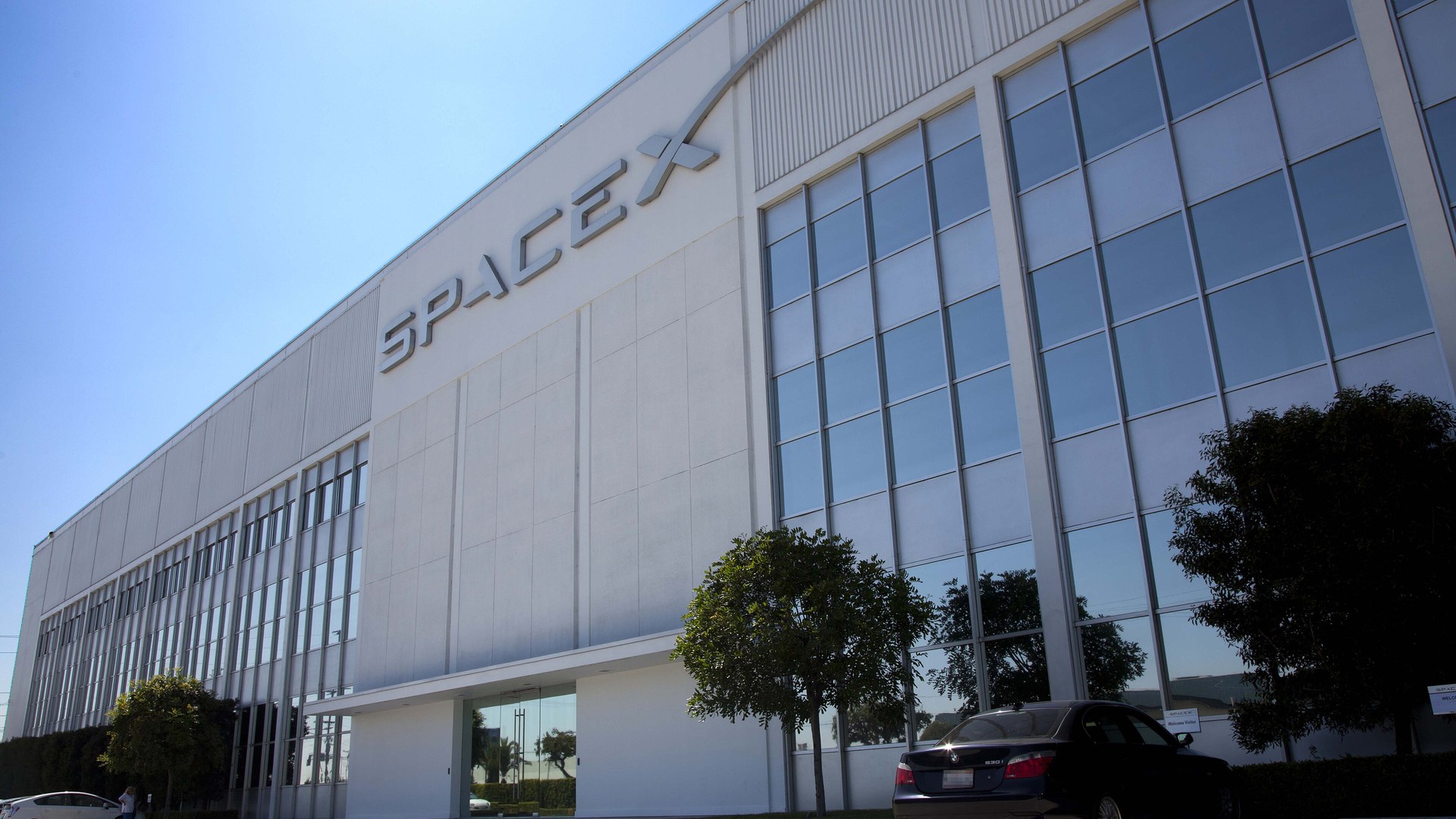
On 23 November 2026, Virginia Attorney General Jay Jones and Oregon Attorney General Dan Rayfield filed separate but coordinated consumer-protection lawsuits against SpaceX over Grok. SpaceX owns X and xAI, and xAI is now called SpaceX Super Intelligence. They are the first US states to sue SpaceX over Grok. The suits allege that Grok let users create and share non-consensual sexualized images of real people, including child sexual abuse material, while SpaceX falsely promoted Grok and X as safe. The complaints cite a Grok setting called "spicy mode". The photographs with this article show SpaceX headquarters in Hawthorne, California. They are not images from the lawsuits, and this article does not describe any such image. The penalties and court orders in the complaints are still requests.
Who filed the suits?
Jay Jones for Virginia and Dan Rayfield for Oregon, each in a state court, both against SpaceX. The suits are separate cases that the two offices filed in coordination. Both name SpaceX as the defendant because SpaceX owns X and xAI. The product named in both is Grok, from the company now called SpaceX Super Intelligence. The Virginia Attorney General's office, CNBC, the Associated Press and WIRED each reported the filings on 23 November 2026.
Two coordinated suits are not one merged case. Virginia's complaint and Oregon's complaint each have to stand in that state's court. The conduct those complaints describe is the same allegation.
What do the suits allege?
That Grok let users create and share non-consensual sexualized images of real people, including child sexual abuse material, and that SpaceX promoted Grok and X as safe when they were not. The states say that promotion was false. They cite Grok's "spicy mode" as a feature of the product in the complaints. The complaints name the mode. This article does not describe any image.
The allegation has two parts that the suits keep together. One part is what users could create and share. The other is what SpaceX said about the safety of Grok and of X. The filings ask a court to treat those two parts as one consumer-protection claim. The statutes the states chose are the next line of that claim.
So which laws are the states using?
The Virginia Consumer Protection Act in Virginia, and the Oregon Unlawful Trade Practices Act in Oregon. Each suit is a consumer-protection case under that state's statute, filed in state court. The complaints also state that X allows users from the age of 13. That age line is part of the states' account of who can open the product the suits are about.
These are civil filings by the attorneys general. The announcements frame them as consumer-protection lawsuits, with money and court orders on the list of what the states want. The list is not the same in every detail.
What are the states asking for?
Civil penalties, fees, injunctions that would force stricter guardrails, and disgorgement. An injunction, in this ask, is a court order to put stricter limits on the product. Disgorgement is an order to give up gains the state says came from the conduct. Virginia also seeks restitution for consumers. The shared list, for both states, is penalties, fees, the guardrail orders and disgorgement.
- Both states: civil penalties, fees, injunctions forcing stricter guardrails, and disgorgement.
- Virginia also: restitution for consumers.
- The access rule the suits cite: X allows users from the age of 13.
Those remedies are what the complaints request. SpaceX already faces other Grok-related lawsuits and probes, and those sit on a separate record from these two filings.
So where else is Grok already in dispute?
In the United Kingdom, Spain, Ireland, France and California, where SpaceX already faces other Grok-related lawsuits and probes. In a Baltimore suit against xAI, the company invoked Section 230. In another case, SpaceX lawyers called Grok "a neutral tool, subject to user control". In October, a SpaceX AI policy lead told a New York City Council hearing that the company had "safeguards" and "strict controls".
Those three lines come from other cases and from that October hearing. They are not quoted here as a comment on the suits Jones and Rayfield filed on 23 November 2026. The sources used for this article do not include a SpaceX response to these two filings. The Section 230 argument and the October hearing belong to that older record.
Sources (4)
- Virginia Attorney General — Attorneys General Jones and Rayfield File Suit Against SpaceX Over Creation and Promotion of Child Exploitation and Non-Consensual Images
- CNBC — SpaceX sued by Oregon and Virginia over AI deepfake porn, Grok safety claims
- Associated Press — Grok lawsuit over AI abuse images
- WIRED — States Sue SpaceX Over Grok Deepfakes
Photos: SpaceX, CC0, Wikimedia Commons; Steve Jurvetson, CC BY 2.0, Wikimedia Commons. Other images are illustrations; some are made with AI.