Himes threatens SpaceX funding over Ukraine Starshield slowdowns
On 20 November 2026 Jim Himes asked Elon Musk to explain October Starshield slowdowns in Ukraine, and wrote that supporting funding for SpaceX-developed government systems is difficult until those answers arrive. No funding restriction has been imposed.
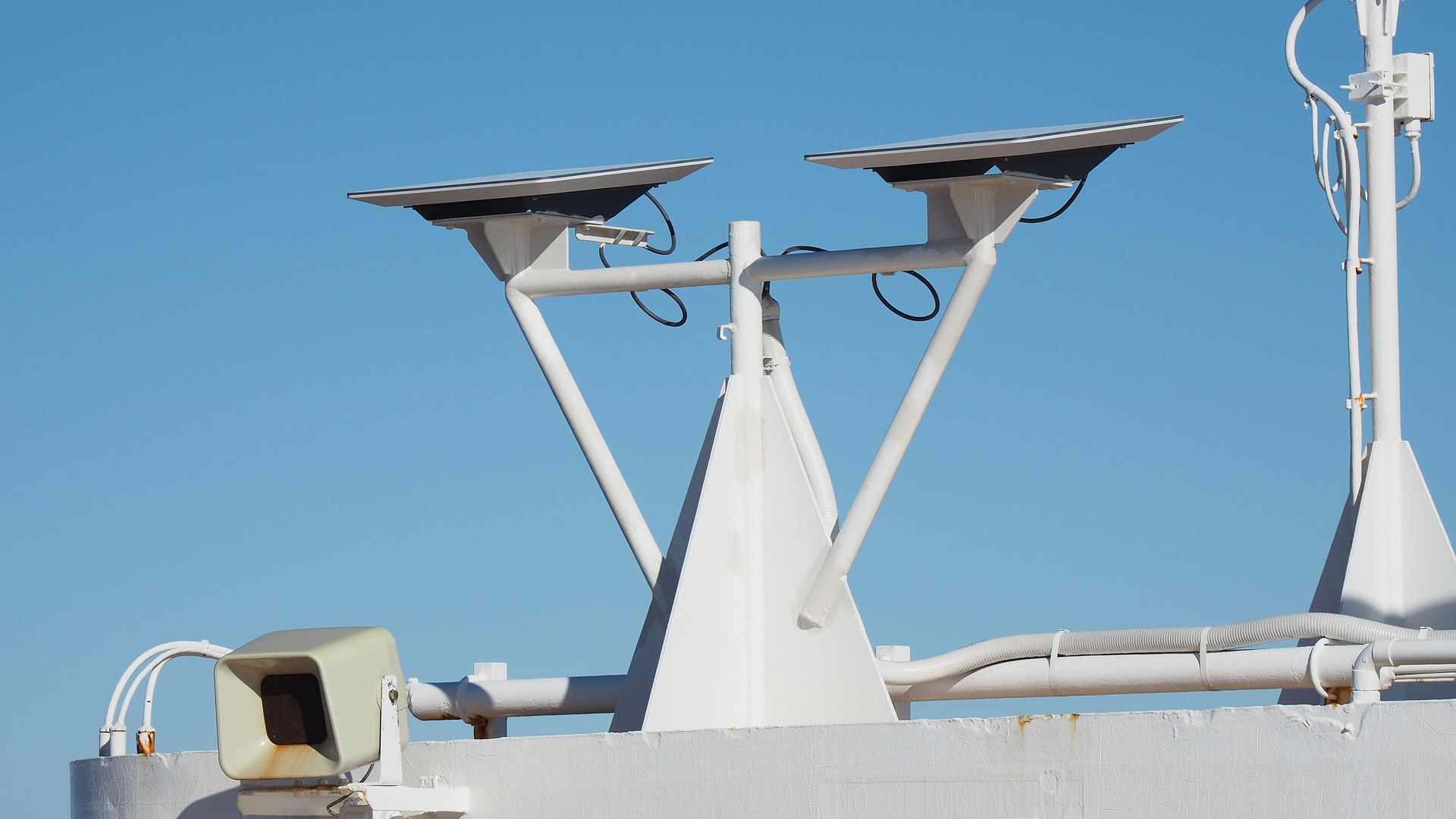
Jim Himes told Elon Musk that he finds it difficult to keep supporting funding for SpaceX-developed, government-owned systems until he gets satisfactory answers on Starshield slowdowns in Ukraine. On 20 November 2026 the Connecticut Democrat, expected to chair the House Intelligence Committee from January, sent Musk a letter asking senior SpaceX officials to meet him and explain the October 2026 service disruptions. He also sent a classified communication to Director of National Intelligence Jay Clayton. The photographs with this article show the commercial Starlink network Starshield uses, a user terminal and satellites overhead, not equipment in Ukraine and not the letter. No funding restriction has been imposed, and who ordered the October changes is still unanswered.
What did Himes ask Musk to explain?
What changed in October, why it changed, and whether SpaceX acted alone. The letter states the request in these words: "My ask to you is straightforward. Explain the changes that were made to the Starshield service in October 2026, why those changes were made, and whether those changes were made unilaterally by SpaceX or were directed by a U.S. Government official."
He then tied that request to every contract the US government has with SpaceX. "SpaceX's potentially unilateral modification of a U.S. Government contract, combined with its lack of responsiveness to congressional oversight, calls into question every contract the U.S. Government has with SpaceX." Himes says committee staff requested a briefing from SpaceX multiple times and did not receive a substantive response. The letter asks for the meeting those requests did not produce.
So why does that letter reach SpaceX funding?
Because he wrote that satisfactory answers are what continued support depends on. The funding he named is for SpaceX-developed, government-owned systems. He wrote that it is difficult for him to continue supporting authorization of that funding until the answers are satisfactory. In the classified communication to Jay Clayton, the excerpt that has been reported says: "Simply, our committee cannot authorize funds for the development of government systems that the government will not fully control."
Democrats take control of the House and the Senate in January after the midterms, and Himes is expected to chair the House Intelligence Committee from then. The letter describes the condition he set for his own support. It does not record a vote, and it does not impose a funding restriction. What he could do with the funding power is still only a description, not a step already taken.
What could he do with the money?
He could ring-fence projects in the annual Intelligence Authorization Act, or work with appropriators to redirect or block funding. Ring fencing, as described with the letter, means restricting funding for certain projects in that act until conditions are met. Working with appropriators is the other route: redirect the money, or block it. The reporting lays out both as tools he could use. It also says neither has been used.
- Ring fencing: restrict funding for certain projects in the Intelligence Authorization Act until conditions are met.
- Appropriators: work with them to redirect or block funding.
- Now: no funding restrictions have been imposed yet.
The slowdowns those conditions would concern are the ones Zelensky described. Who ordered them is still open.
What has Ukraine said about the slowdowns?
On 12 November Zelensky said the disruptions were happening again, and he called them systematic speed restrictions. That came after earlier restrictions were lifted in late October. On 19 October he said equipment stopped working at 130 to 161 km/h in sectors of the front, limiting drone use. The sequence he described has three points, and none of them names who gave the order.
- 19 October: equipment stopped working at 130 to 161 km/h in sectors of the front, limiting drone use.
- Late October: those earlier restrictions were lifted.
- 12 November: the disruptions were happening again, which he called systematic speed restrictions.
Those are Zelensky's accounts of the service. They are not a SpaceX engineering report, and they leave the decision-maker unnamed. That unnamed decision is what the letter demands.
So who controls Starshield access?
The public accounts do not settle it, and who decided is unclear. Starshield is a service the US government purchased. It uses the commercial Starlink constellation, and the US government extended access to Ukraine. Musk has said US officials control Starshield access. SpaceX has denied introducing new restrictions. The letter asks which account fits October: a change SpaceX made on its own, or a change a US government official directed.
Until senior SpaceX officials explain the changes, the reason, and who ordered them, Himes wrote that supporting authorization of the funding is difficult to continue. Staff requests for a briefing have not, on his account, drawn a substantive response. No funding restriction has been imposed.
Sources (4)
- House Intelligence Committee Democrats — Letter from Ranking Member Jim Himes to Elon Musk, 20 November 2026
- KESQ (CNN) — Trump intel chief warned no funding for Musk's SpaceX without answers on Ukraine Starshield slowdown
- Ars Technica — SpaceX's Starshield troubles in Ukraine could threaten its broader military business
- Newsweek — Top Democrat Threatens SpaceX Funding Over Ukraine Satellite Dispute
Photos: Ka23 13, CC BY 4.0, via Wikimedia Commons. A commercial Starlink user terminal. Not Starshield equipment in Ukraine; M. Lewinsky, NOIRLab, CC BY 4.0, via Wikimedia Commons. Starlink satellites overhead. Not a photograph of an outage. Other images are illustrations; some are made with AI.