Anthropic releases Claude Fable 5.2
Anthropic released Claude Fable 5.2 and Mythos 5.2 on 9 November 2026. They are the same underlying model, with different access rules.
Anthropic released Claude Fable 5.2 and Claude Mythos 5.2 on 9 November 2026. The company says they are the same underlying model. Fable carries cyber and bio safeguards and is the public one. Mythos is offered through the Life Sciences program and the Cyber Verification Program. Anthropic says Fable is up to 30 percent faster than 5.1. The listed price is 8 dollars per million input tokens and 40 dollars per million output tokens. A fast mode is up to 2.5 times quicker, priced at 16 and 80 dollars. The model is on AWS, Google Cloud and Azure. The API id is claude-fable-5-2.
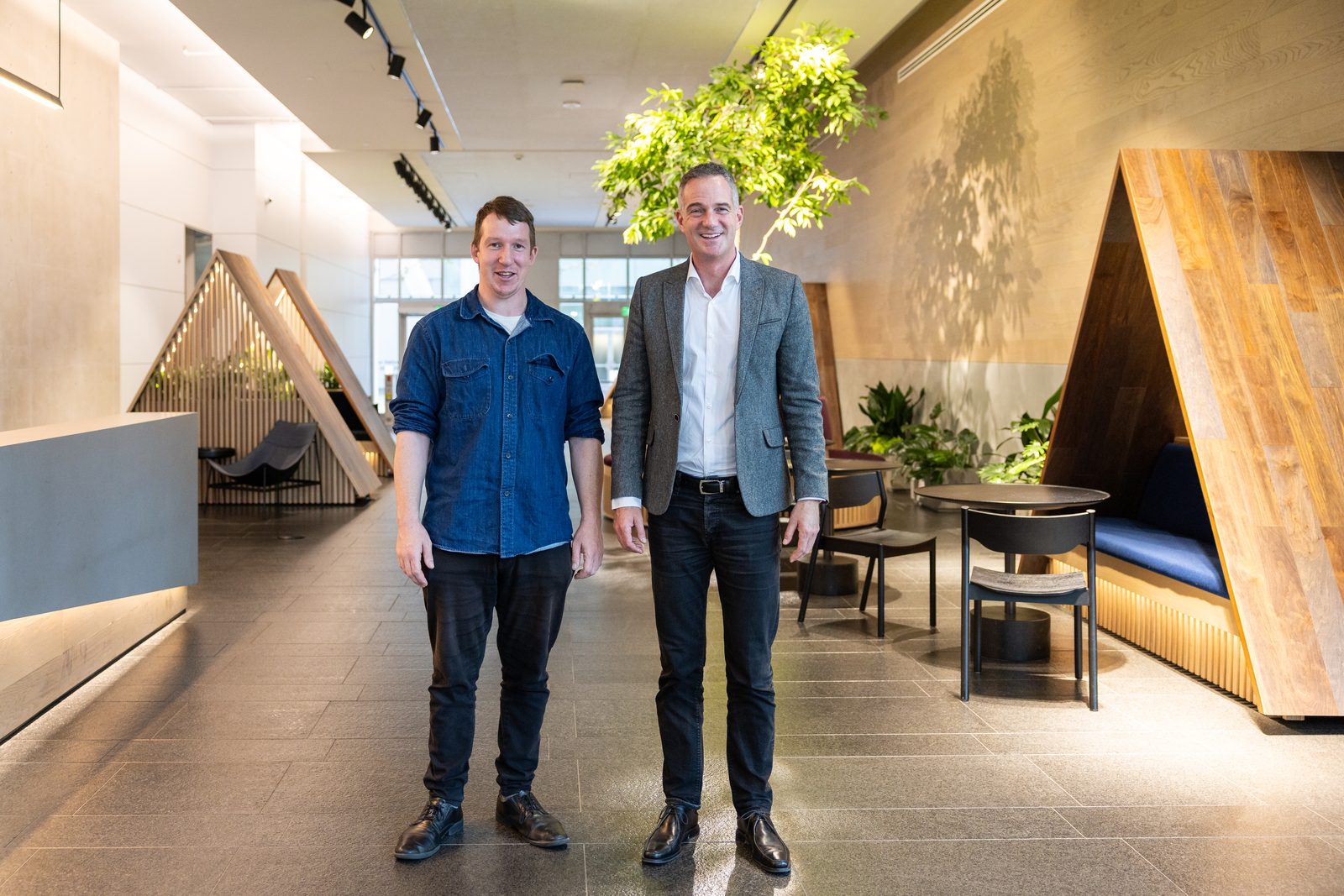
The picture was published as a visit to Anthropic in San Francisco. It is not a photograph of the Fable launch.
What does “the same model” change for a buyer?
The weights may match. The door does not. Anthropic’s page draws the line at access, not at a second training run. Fable is the name on the public API. Mythos is the name inside two programs the company names and does not open to everyone. A lab that can call Fable has not, on this page, been told it can call Mythos. The safeguards are the reason Anthropic gives for the split. The page does not list which requests Fable refuses, or how often.
The speed line is “up to 30 percent” against 5.1, which is Anthropic’s previous model, not a rival. “Up to” is a ceiling the page states. It is not an average, and it is not tied to a published task list. The fast mode is a separate product on the same page, at twice the token price and up to 2.5 times the speed. A team that turns it on is buying a different rate, not a different model name.
What did the electronics note actually show?
Three prototypes that worked, and a limit on what that means. Anthropic’s research note on a collaboration with Diode Computers says three devices worked without fixes to the circuitry: a speakerphone, a voice-assistant hub and a handheld virtual pet. The note says they are not certified and not mass-produced. A prototype that powers on is not a product a shop can sell. The note is the source for that trial. It is not a claim that Fable designs circuit boards for customers as a service.
So how does the price card sit next to Grok?
As two lists, not as a winner. SpaceXSI’s Grok 4.7 page still presents that model as its most capable for coding and knowledge work, from 2 dollars per million input tokens and 6 dollars per million output tokens. A fast variant is twice as quick at twice the price, and the page puts the model in Cursor, Grok Build and the API. Fable’s public list is 8 and 40, or 16 and 80 in fast mode. Those are different stickers for models the two companies have not put on one shared test. Anthropic’s Fable page does not mention Grok. The Grok page does not mention Fable. A reader can see that Fable’s public token price is higher on both input and output than the Grok 4.7 card. That sentence is about prices. It is not about which model writes better code.
What should we watch for next?
Who is actually allowed to call Mythos. The page leaves a short list of checks:
- Fable: public, with the cyber and bio safeguards Anthropic names, API id claude-fable-5-2.
- Mythos: limited to Life Sciences and Cyber Verification.
- Hardware: three working prototypes, not certified and not in production.
Until a customer outside those two programs reports Mythos access, the model a developer can buy on AWS, Google Cloud or Azure is Fable, at the rates on Anthropic’s page.
Sources (3)
Photos: UK Department for Science, Innovation and Technology, CC BY 2.0, via Wikimedia Commons. A visit to Anthropic in San Francisco. Not the Claude Fable 5.2 launch. Other images are illustrations; some are made with AI.