Musk told SpaceX staff it lags in AI
On 23 November 2026 The New York Times reported that Elon Musk told SpaceX employees the company is falling behind in AI. Outlets relaying that report say Anthropic pays about $3.1 billion a month, and Google about $800 million, to rent SpaceX computing power.
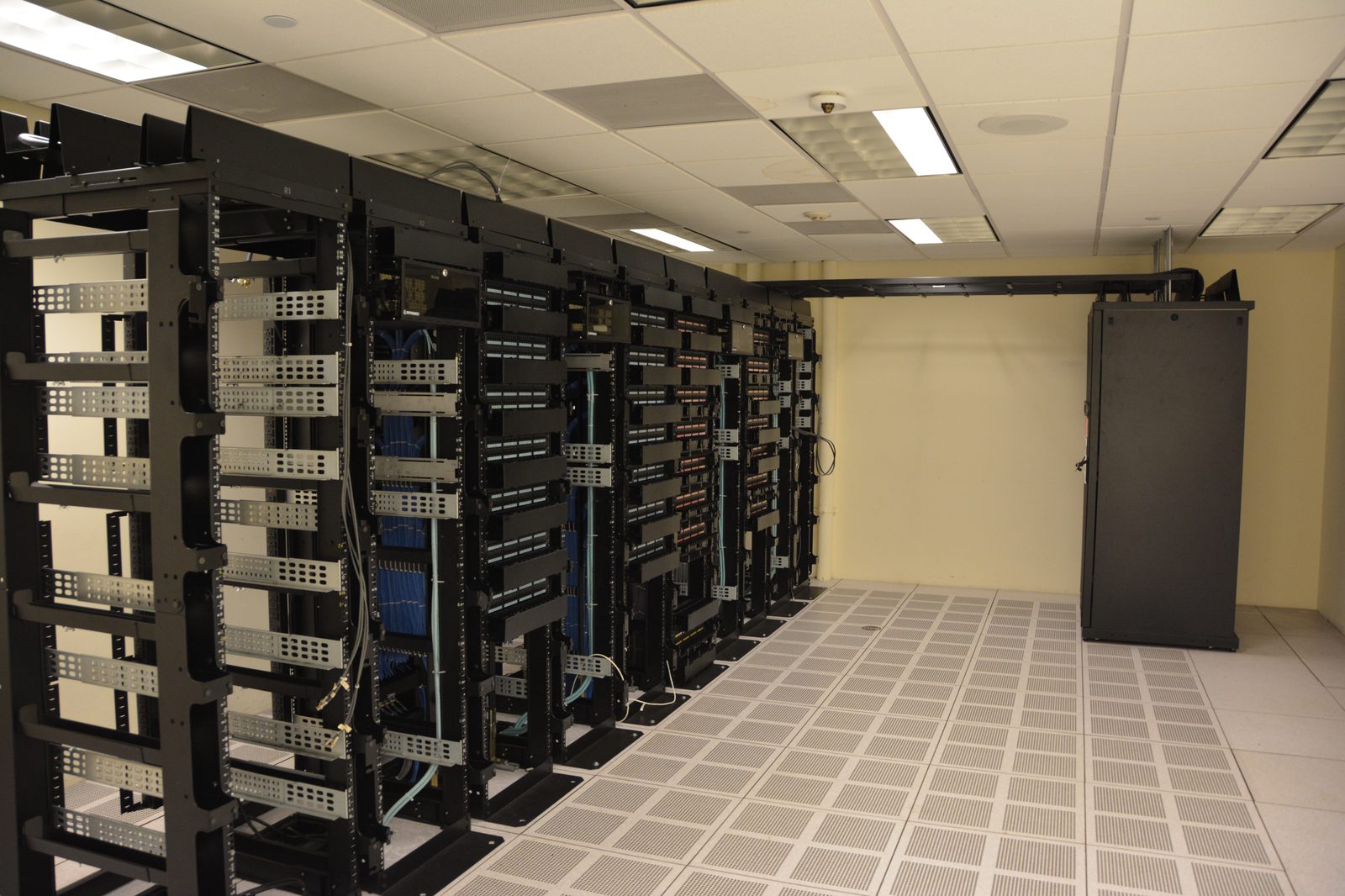
Elon Musk told SpaceX employees that the company is falling behind in AI development, according to a New York Times report dated 23 November 2026. TipRanks, relaying that report, names the Times reporters as Grace Kay and Ryan Mac. The Aigentic says he shared data with hundreds of SpaceX's AI engineers showing the company trailing competitors, and the same accounts say renting the computers to rivals is more lucrative than using them for SpaceX's own AI products, such as Grok. Anthropic pays about $3.1 billion a month for the capacity, and Google pays roughly $800 million a month. The photograph shows server racks. It is not a SpaceX machine. The outlets that carry the Times report do not reprint the data he showed, so the warning is public and the chart is not.
What did he tell the staff?
That SpaceX is falling behind in AI, and that he put data in front of its engineers. Investing.com, The Aigentic, TipRanks and ROIC AI all carry the Times account of that warning. The Aigentic gives the audience a size: hundreds of the company's AI engineers, shown data that SpaceX was trailing competitors. ROIC AI describes the same step as data illustrating the gap. TipRanks is the outlet that names Grace Kay and Ryan Mac. None of the four republishes the chart. The chart itself is not in these accounts. The warning is about that gap. The sums in the same report are about customers.
So who is paying for the computers?
Anthropic, at about $3.1 billion a month, and Google, at roughly $800 million a month. Investing.com, The Aigentic and ROIC AI each relay both figures from the Times. On that report, renting the computing power to rivals is more lucrative than using it for SpaceX's own AI products, and Grok is named as one of those products. SpaceX's AI unit, SpaceXSI, now generates more than half of SpaceX's revenue. An earlier article on this site looked at Anthropic renting capacity at Colossus 1. Another explained the rename from SpaceXAI to SpaceXSI. The monthly figures name the customers. How long they stay is a separate line in the same report.
How long can the agreements run?
Through 2029, with 90-day termination rights. Investing.com, relaying the Times, says the agreements can run through 2029 and that either party can terminate them with 90 days' notice. ROIC AI also relays agreements that run through 2029 with 90-day termination rights. A date in 2029 and a 90-day exit are both in the account. The write-ups do not say which of the two the companies expect to use. What Musk told engineers to count sits in the same report.
So what did he tell engineers to measure?
Revenue per GPU, not benchmarks. The Aigentic and Investing.com both relay a line Musk wrote while pushing engineers to justify their GPU use: "the only thing that matters for competitiveness is revenue per GPU, not benchmarks." Investing.com's version opens with "At the end of the day" and then that sentence. In August 2026 he briefly renamed an internal engineering group chat "Sell compute because we can't compete." Both outlets relay that rename. The chat name and the sentence are his words, as the Times report carries them. They are not a published score of Grok against another model. Those words set a rule for the machines. The report also says some of the AI work was then stopped or moved.
What happened to the other AI work?
SpaceX shut down its AI companions effort and moved engineers from the Digital Optimus project to Grok's core capabilities. The Aigentic and Investing.com both relay those two moves. These accounts do not give a headcount for the transfer. In the same report, SpaceX plans to invest $74 billion in new data centers. Investing.com places those centers in Arizona and Texas, and ROIC AI also relays the $74 billion plan. The shutdown and the spending plan sit side by side. The report does not say the new centers are reserved for Grok, and it does not say what any of this changes in a Tesla.
What does this mean for a Tesla that runs Grok?
This section is analysis for Tesla readers. It is labeled as analysis, and it is not a further claim from the Times. Grok runs in Tesla cars. That is why this report is here, and that sentence is not from the Times story. Set next to the report, the assistant in the car belongs to a business that earns more, on these figures, by renting the machines than by using them for its own products, Grok among them, while some engineers were moved from Digital Optimus back to Grok's core and SpaceXSI now brings in more than half of SpaceX's revenue. The report does not say the software in a Tesla changed, that a feature was removed, or that an owner pays any of those sums. Those would be guesses. The warning to staff, the two monthly figures and the move of engineers are what the Times account contains. A change to the car is not among them.
This article is for information only and is not financial advice.
Sources (4)
- Investing.com — Musk's AI push faces a dilemma as rivals become major customers
- The Aigentic — Musk told SpaceX staff it is falling behind in AI as renting compute to rivals out-earns Grok, NYT reports
- TipRanks — SpaceX's Anthropic deals complicate Musk's AI ambitions, NY Times reports
- ROIC AI — Musk warns SpaceX is falling behind on AI and calls compute leasing more lucrative
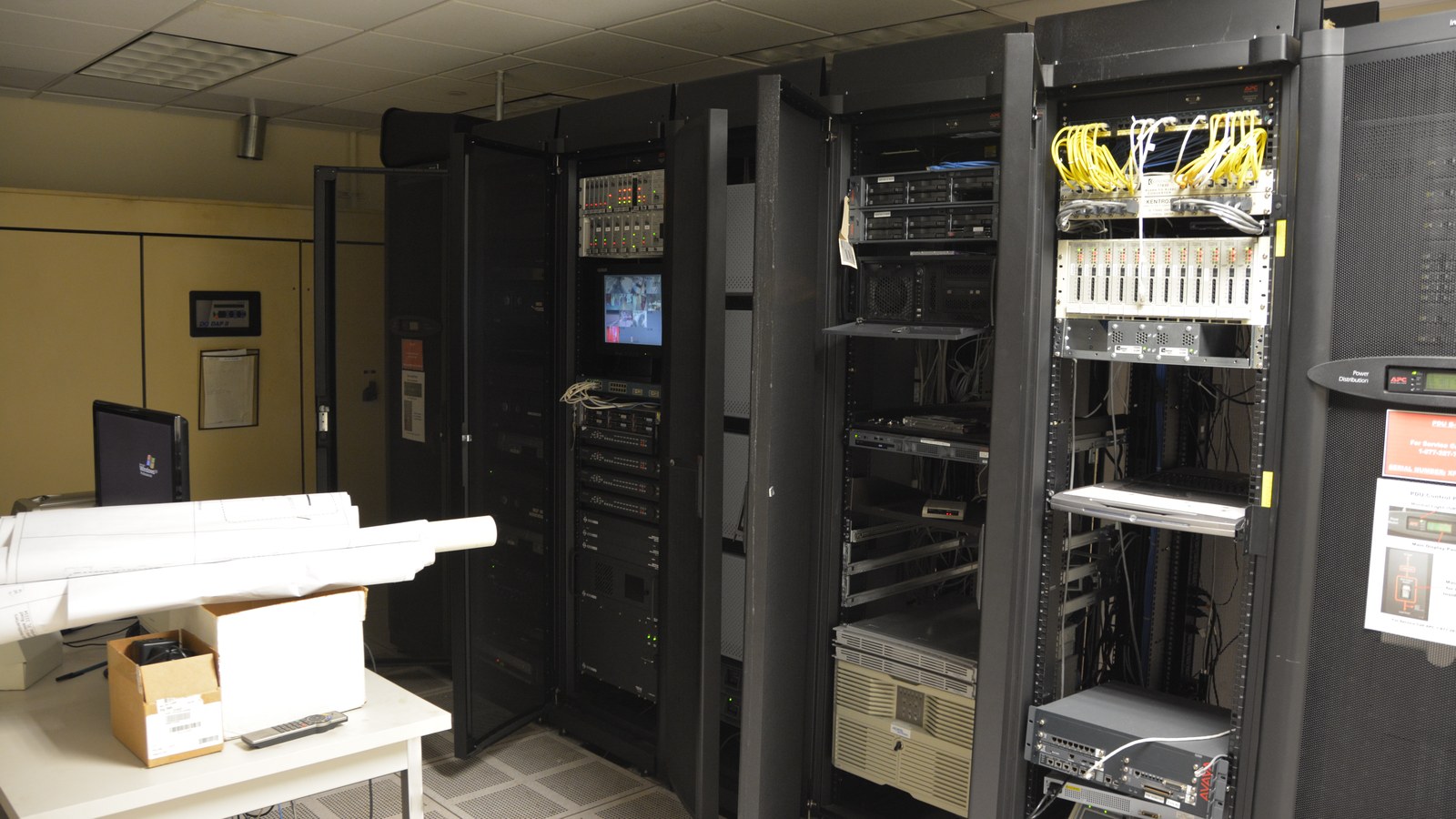
Photos: Carl Lender, CC BY 2.0, via Wikimedia Commons. Server racks in a data centre. Not a SpaceX machine and not a photograph of the meeting; Carl Lender, CC BY 2.0, via Wikimedia Commons. A server room. Not a SpaceX machine and not a photograph of the meeting. Other images are illustrations; some are made with AI.